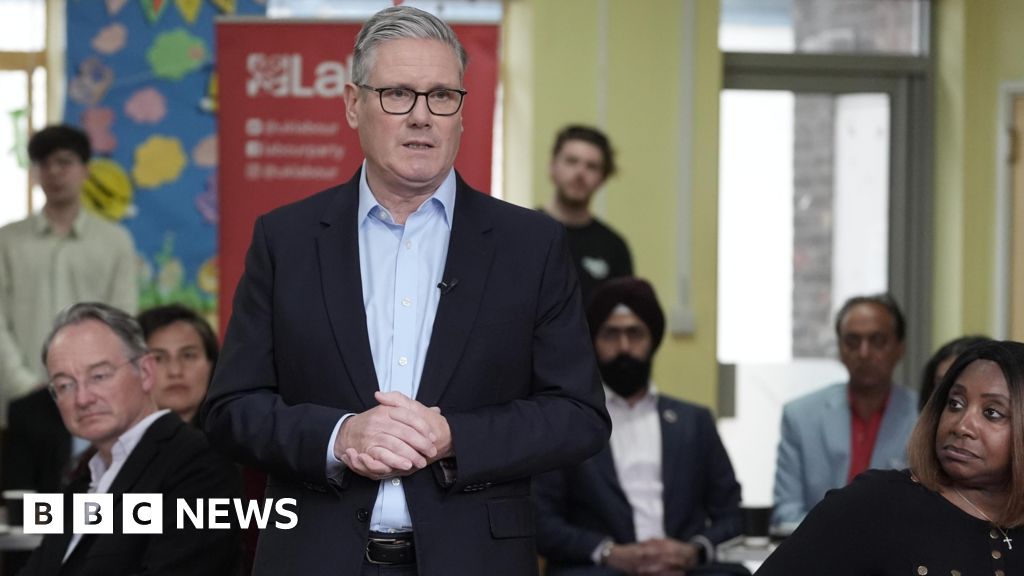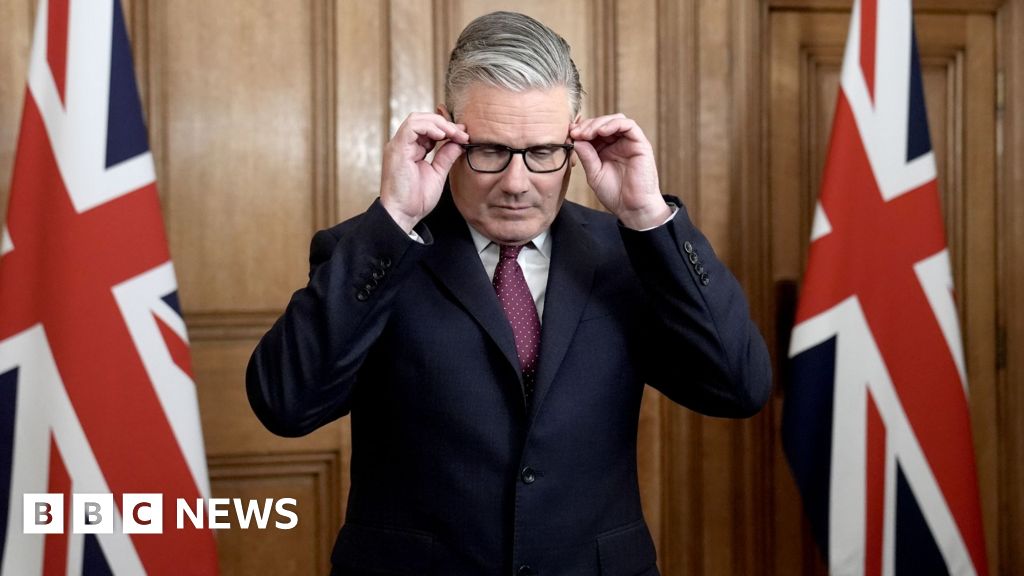
Sir Keir Starmer faces a deepening crisis of authority as election losses suggest disappointment with Labour has already curdled into cynicism
I
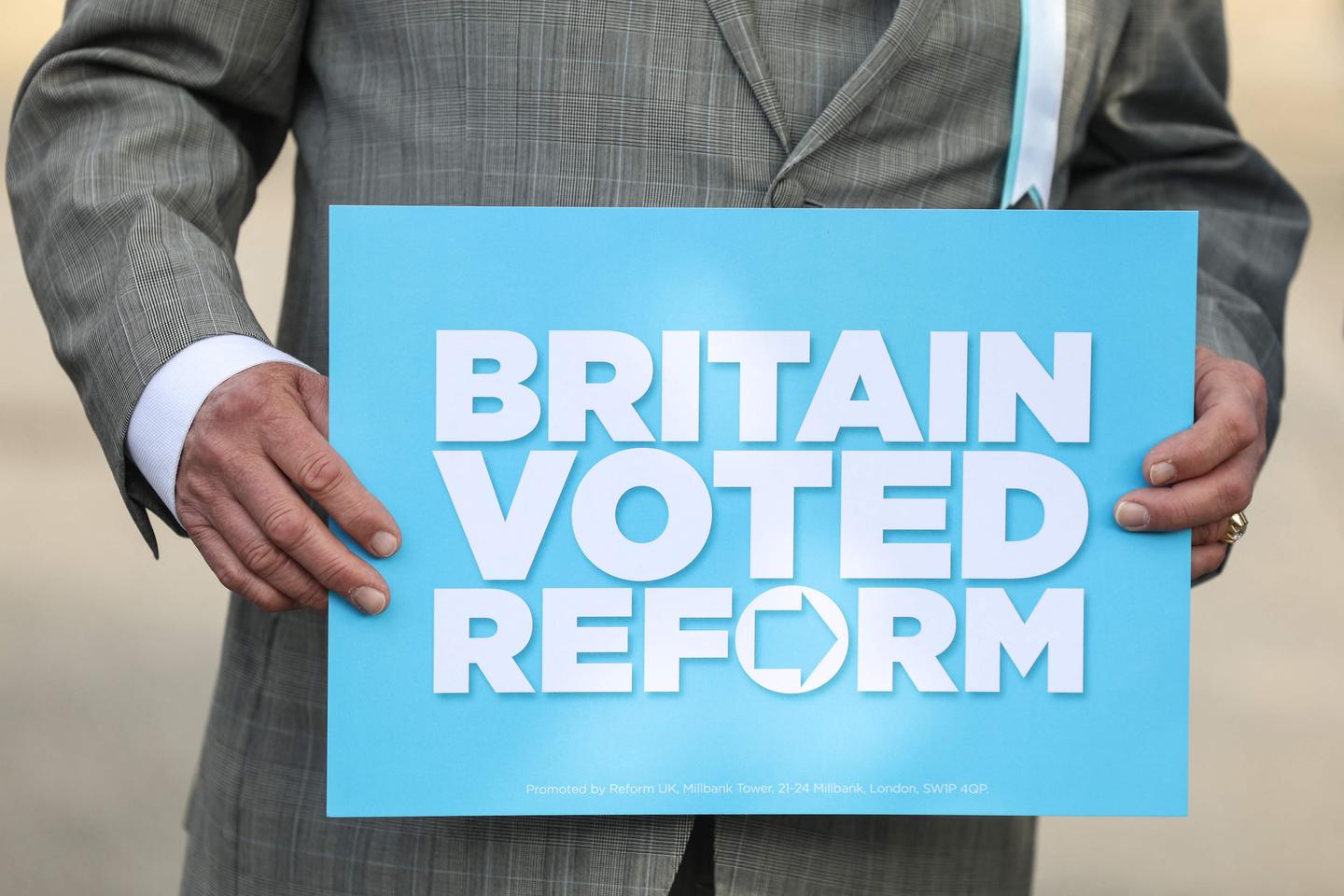
f you are Sir Keir Starmer, the results of the local and devolved elections make for grim reading. Thursday’s ballot gave almost two-thirds of Britain’s electorate the chance to vote. Fragmentation is no longer the future of British politics. In many places it is its present. After a quarter-century in which Labour and the Conservatives dominated electoral life, both parties suffered heavy losses in their traditional strongholds. Politics since the turn of the century has been upended: Reform UK seized the Tory bastion of Essex, home territory for Kemi Badenoch; the Greens wrested mayoral power in London’s Hackney and Lewisham from Labour; and Plaid Cymru routed Labour in Wales’ Senedd. This looked like more than the familiar midterm backlash, whatever the party in power. Clearly Sir Keir was on the ballot paper – and was roundly rejected by the voters.
The question is whether the prime minister is listening to the electorate – or hearing what suits him. Many voters appear unconvinced that the government represents a meaningful break from the Conservatives. The prime minister said that people had “sent a message that the change that we promised isn’t being delivered in a way they can feel”. Change exists, says Sir Keir, but people don’t perceive it. This message risks patronising voters – or at worst gaslighting them. These elections suggest that disappointment with Sir Keir has already curdled into cynicism.