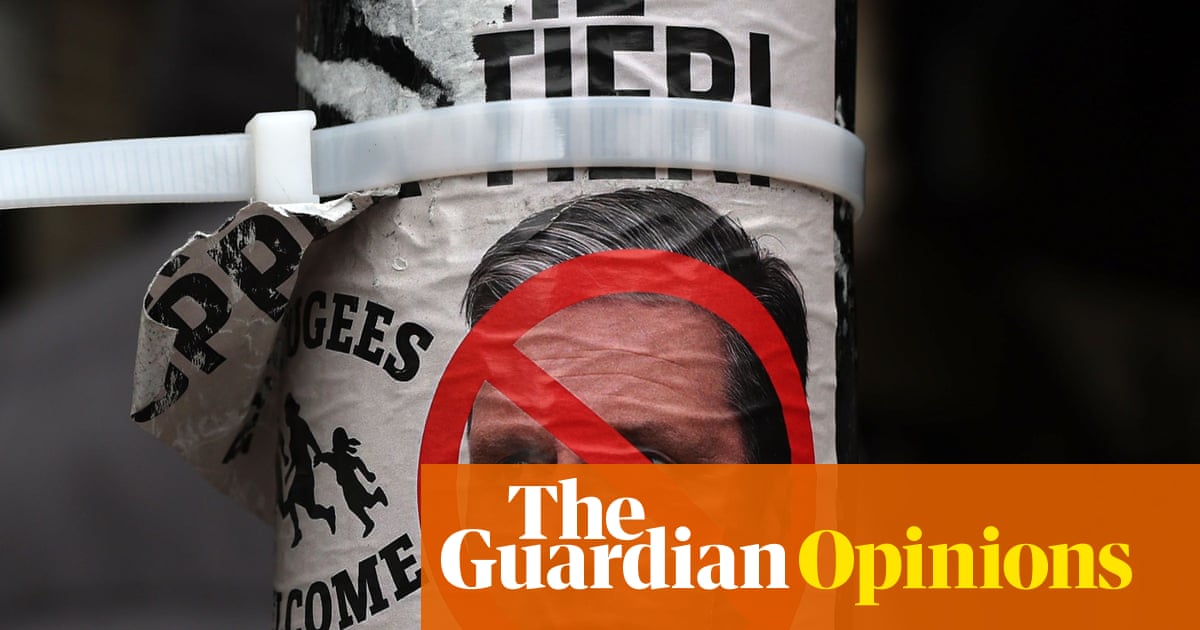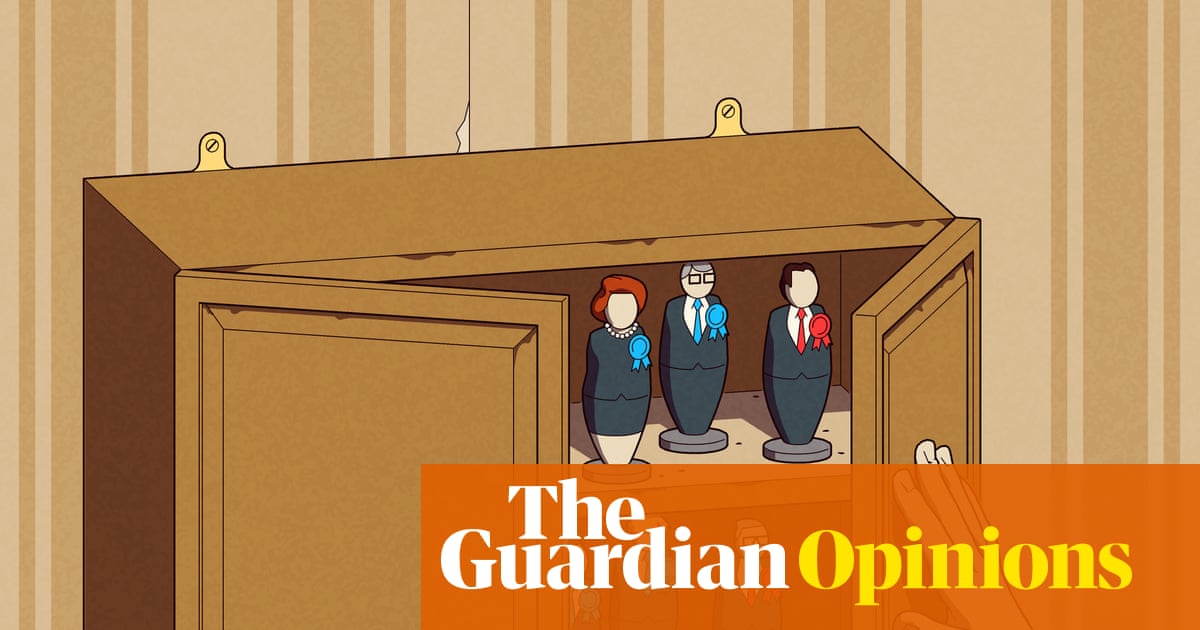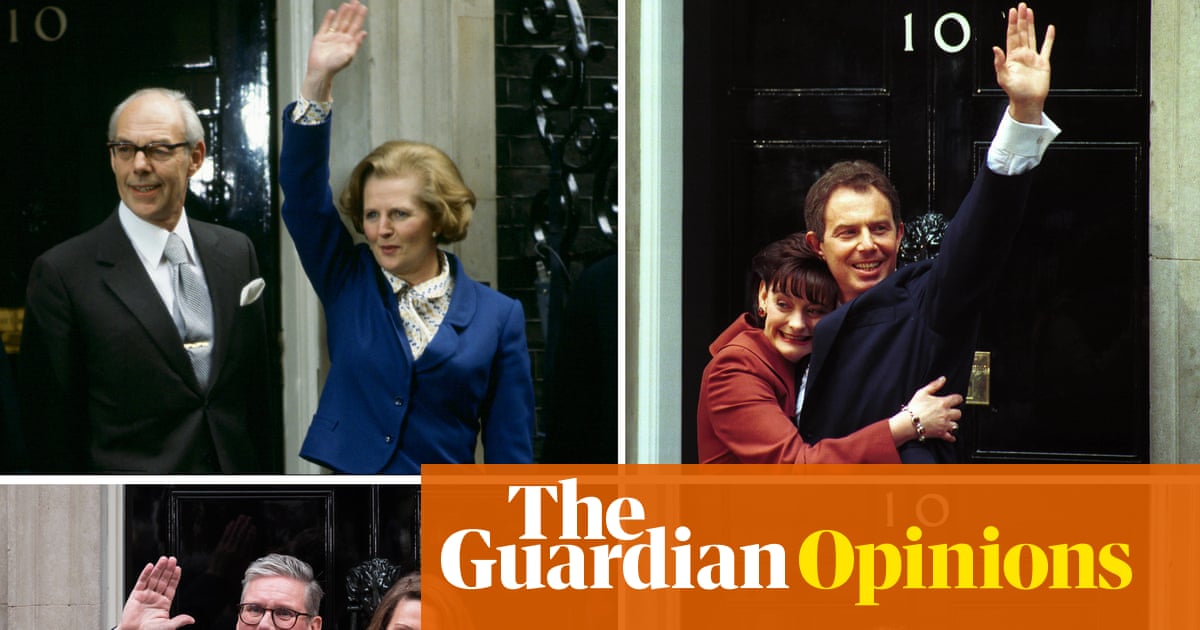
An economic recovery could still change the parties’ fortunes. But the days when only two parties were licensed to supply Britain with prime ministers are gone
npopular politicians take consolation in the thought that opinion polls are sometimes wrong and often describe the wrong thing. They capture the moment but don’t predict the future. A midterm poll measures how much voters like the government. A general election asks whether the opposition is trusted to take over. It isn’t the same question.
Labour’s hopes for recovery rest on that distinction. The plan is that economic growth and governing competence will boost general wellbeing in the coming years. That will dial up the risks associated with other parties, especially for Reform UK. Voters who lack enthusiasm for the prime minister may be persuaded to stick with him if the alternative is Nigel Farage.
A similar calculation sustains the Conservatives, although in their version, the economy falters. The Tories then hope to surge with a campaign arguing that Labour has overtaxed Britain and misspent the proceeds, and that Reform UK, lacking fiscal or any other discipline, would make matters worse.
These are optimistic but not wildly improbable scenarios. They also have a common bias in the assumption that politics will follow precedent; that beneath the surface volatility flow strong and familiar currents; that the normal way of things is not lost for ever.