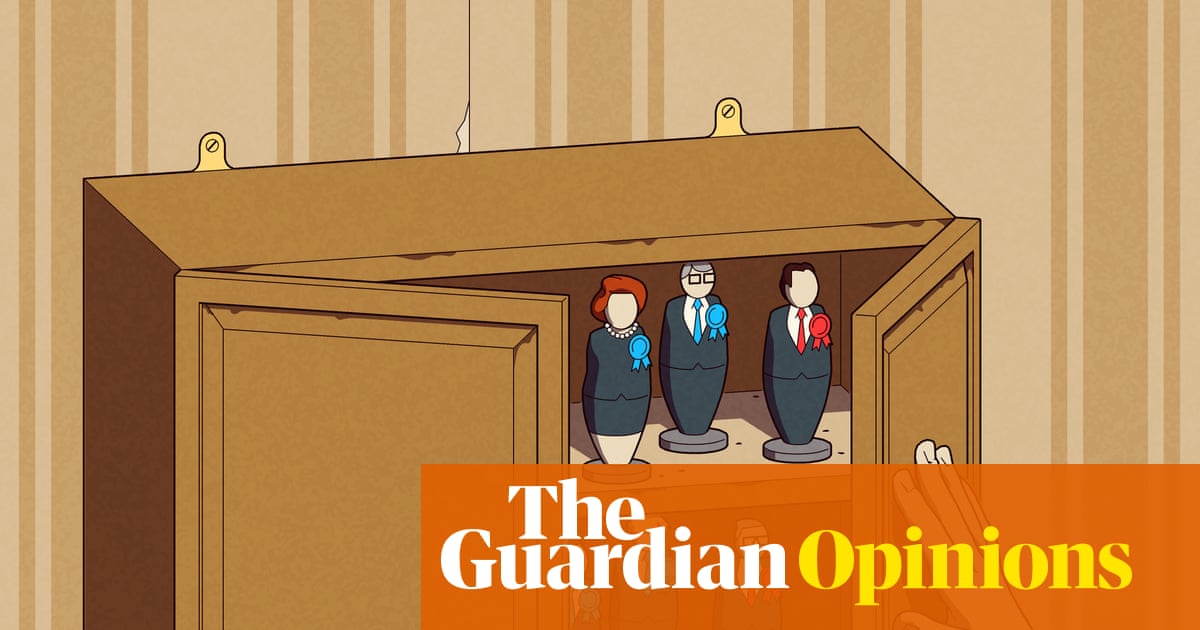
In Gorton and Denton, I heard again and again that people wanted seismic political change – Labour and the Tories are no longer part of that conversation
I
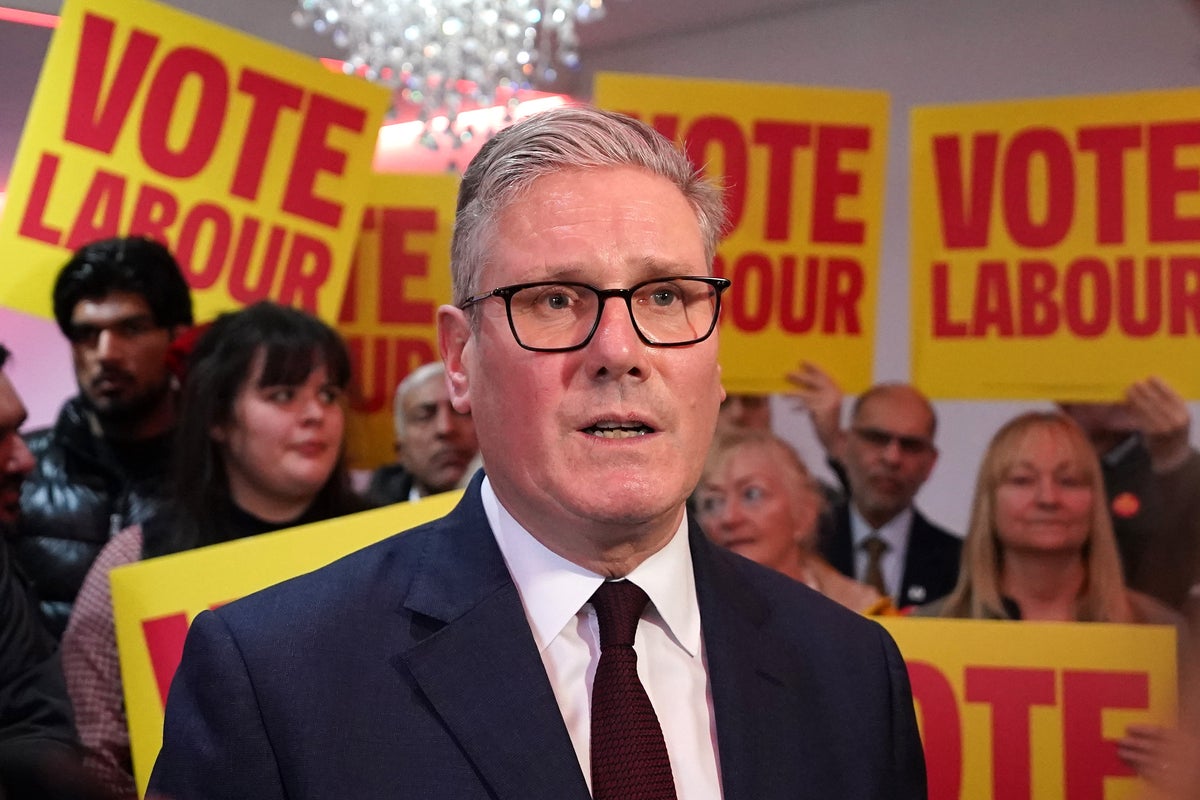
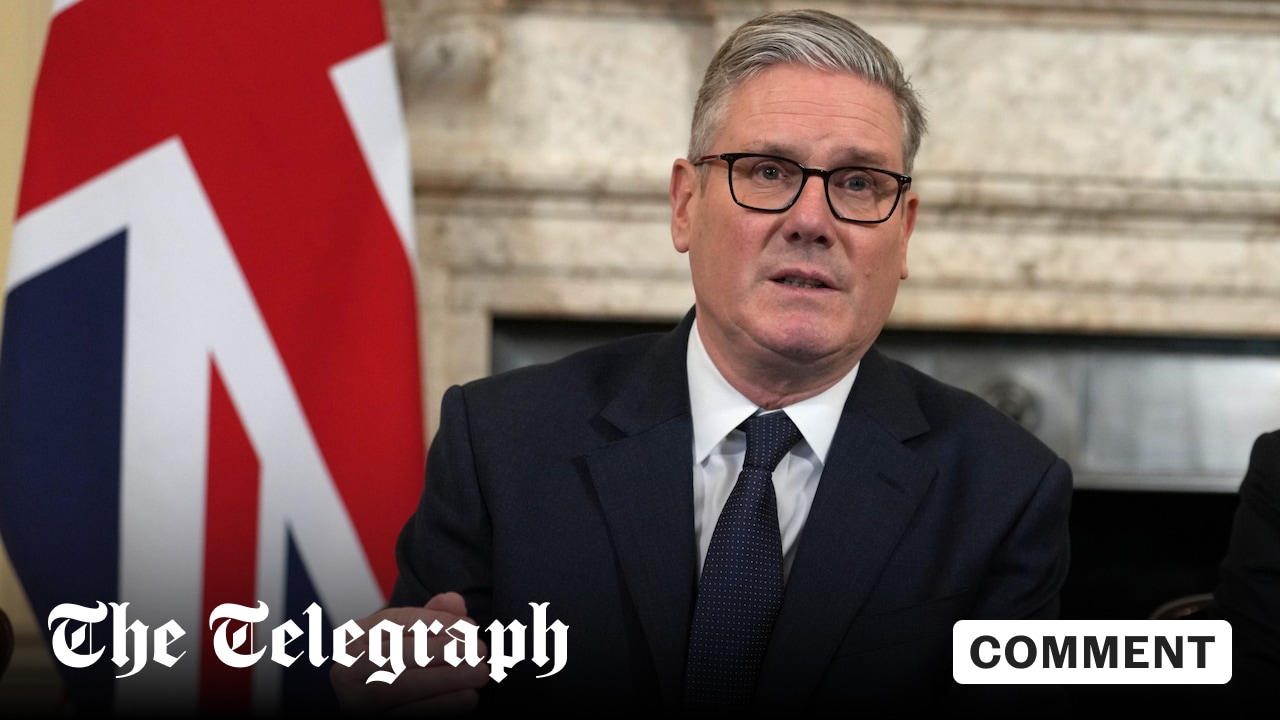
n the wake of Labour’s third-place showing at last Thursday’s Gorton and Denton byelection, Keir Starmer could have responded with a mixture of magnanimity, grit, and a clear appreciation of what had just happened.
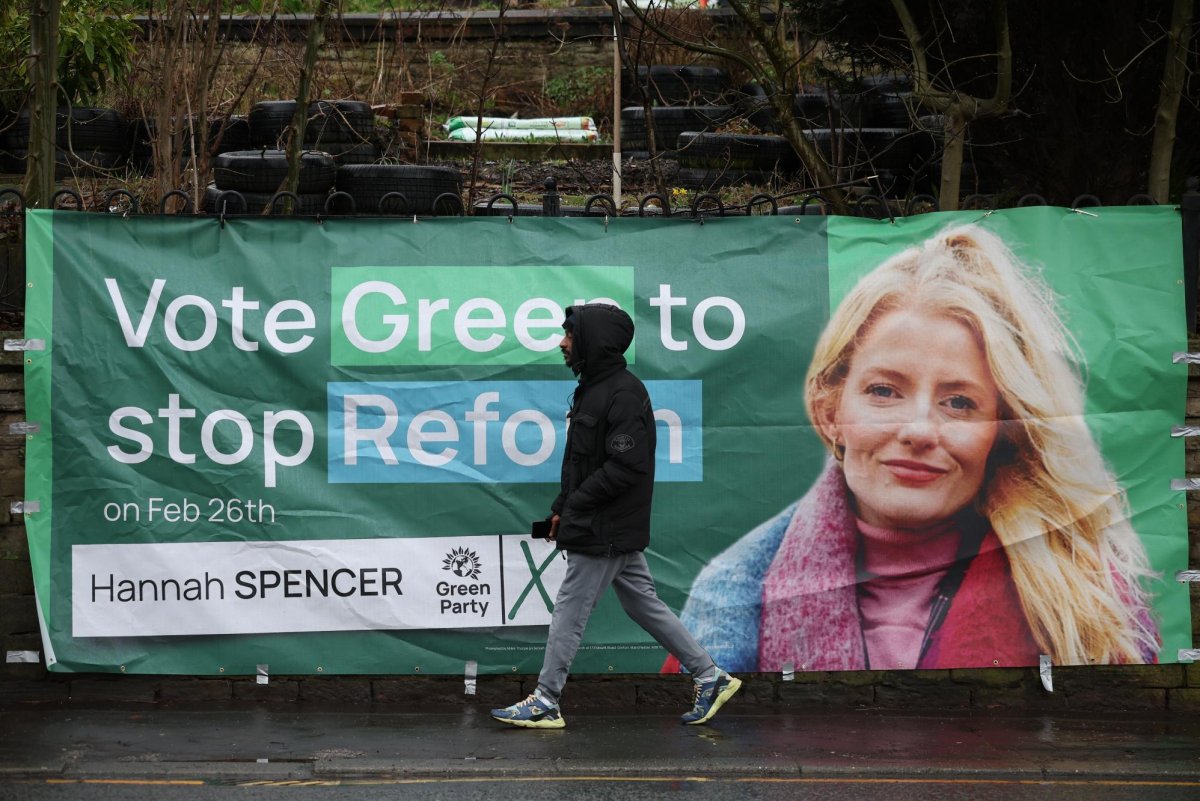
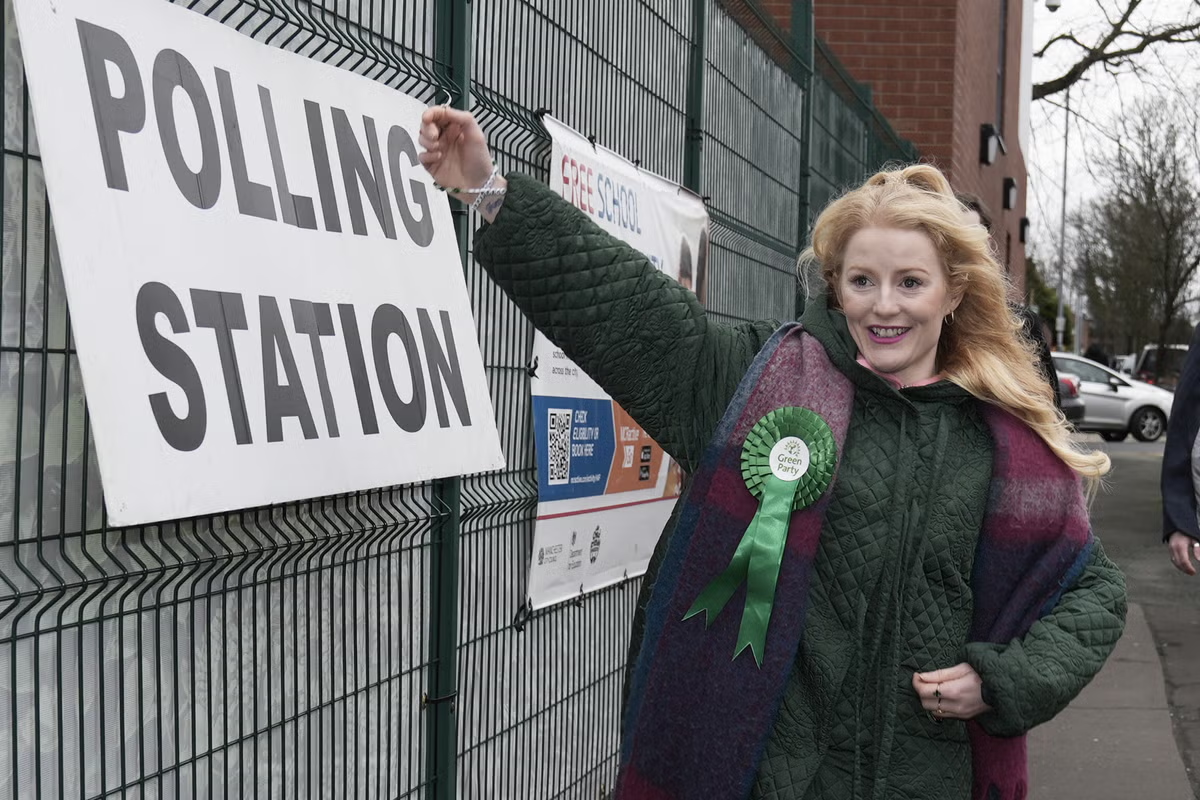
He might have congratulated the Green party’s new MP Hannah Spencer, and insisted that the themes of inequality and everyday struggle she had so loudly emphasised throughout the campaign were at the top of his government’s priorities. He could also have combined that message with a show of determination to learn from the defeat and win back the voters his party lost, and an acknowledgment that Labour’s recent calamities and internal bickering had sent those people completely the wrong signals.
Unfortunately, in a display of the awful, contorted political instincts that will surely lead to his eventual downfall, Starmer did something very different. The tone of a letter he wrote to Labour parliamentarians was self-righteous, arrogant, and deluded. No matter that Spencer’s brilliant victory speech lucidly reminded anyone listening of the everyday struggles that now tie together a huge swathe of voters: she was, he said, “more interested in dividing people than uniting them”. In deliberately targeting Muslim voters, in fact, she and her party had engaged in “divisive, sectarian politics”, an allegation with discomfiting echoes of the post-byelection poison being spread around by Nigel Farage and his allies.