Last week’s elections may come to be seen as the moment Britain’s two-party system finally disintegrated. Not because Labour and the Conservatives disappeared overnight, but because the old assumption – that British politics naturally swings between two dominant parties – suddenly looks outdated.
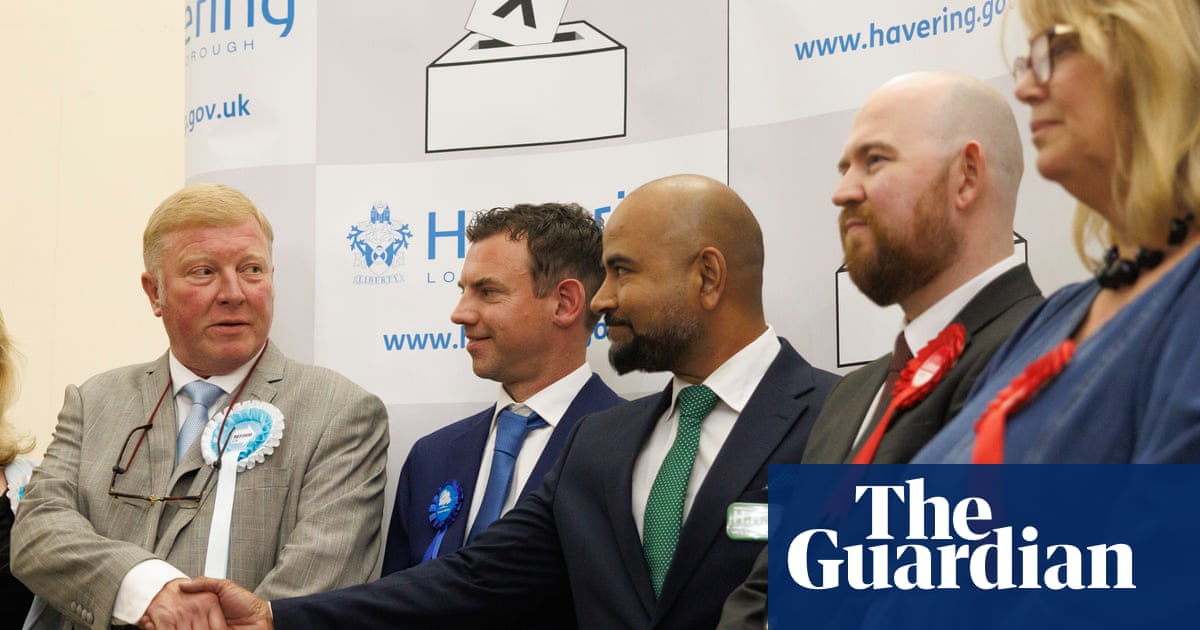
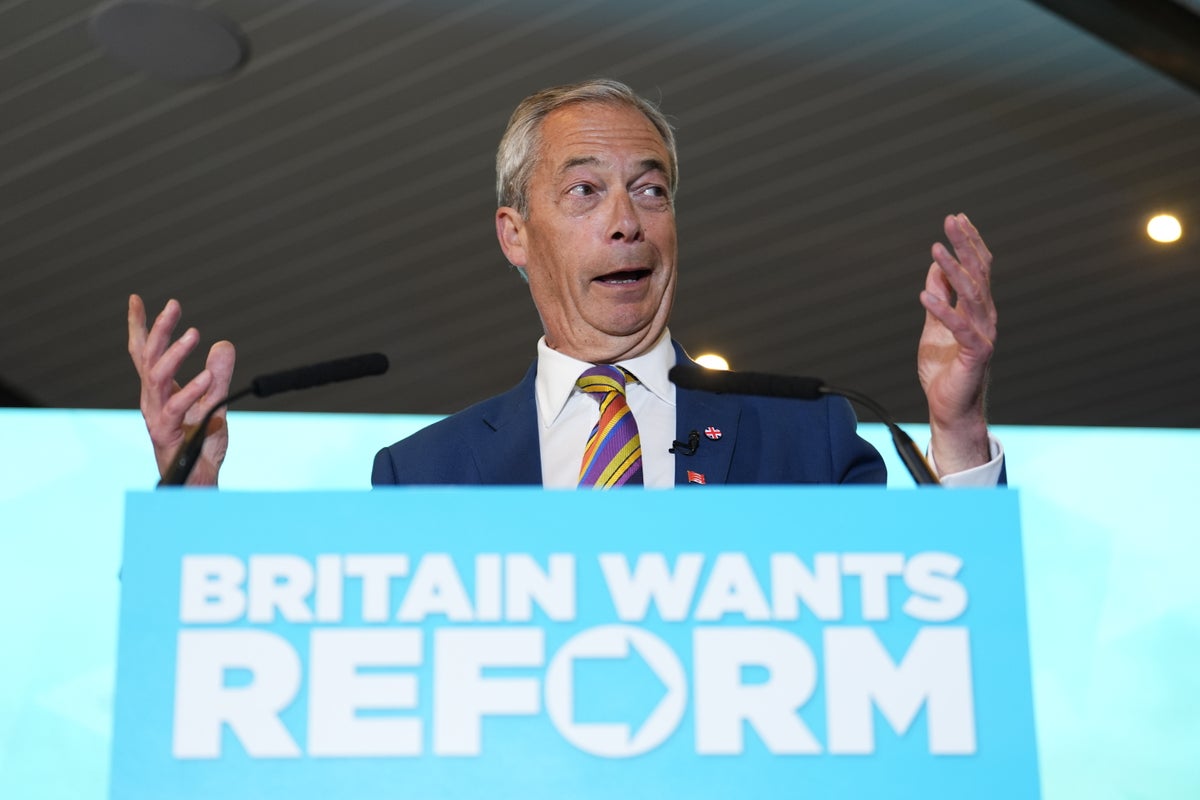
These elections revealed something deeper than a midterm protest vote. Reform UK topped the projected national vote share. The Greens surged into second place in several areas, expanded their councillor base dramatically, and entered the Welsh Senedd for the first time. Meanwhile, Labour and the Conservatives suffered historic setbacks, with Labour’s loss of Wales carrying particular symbolic weight after more than a century of electoral dominance.
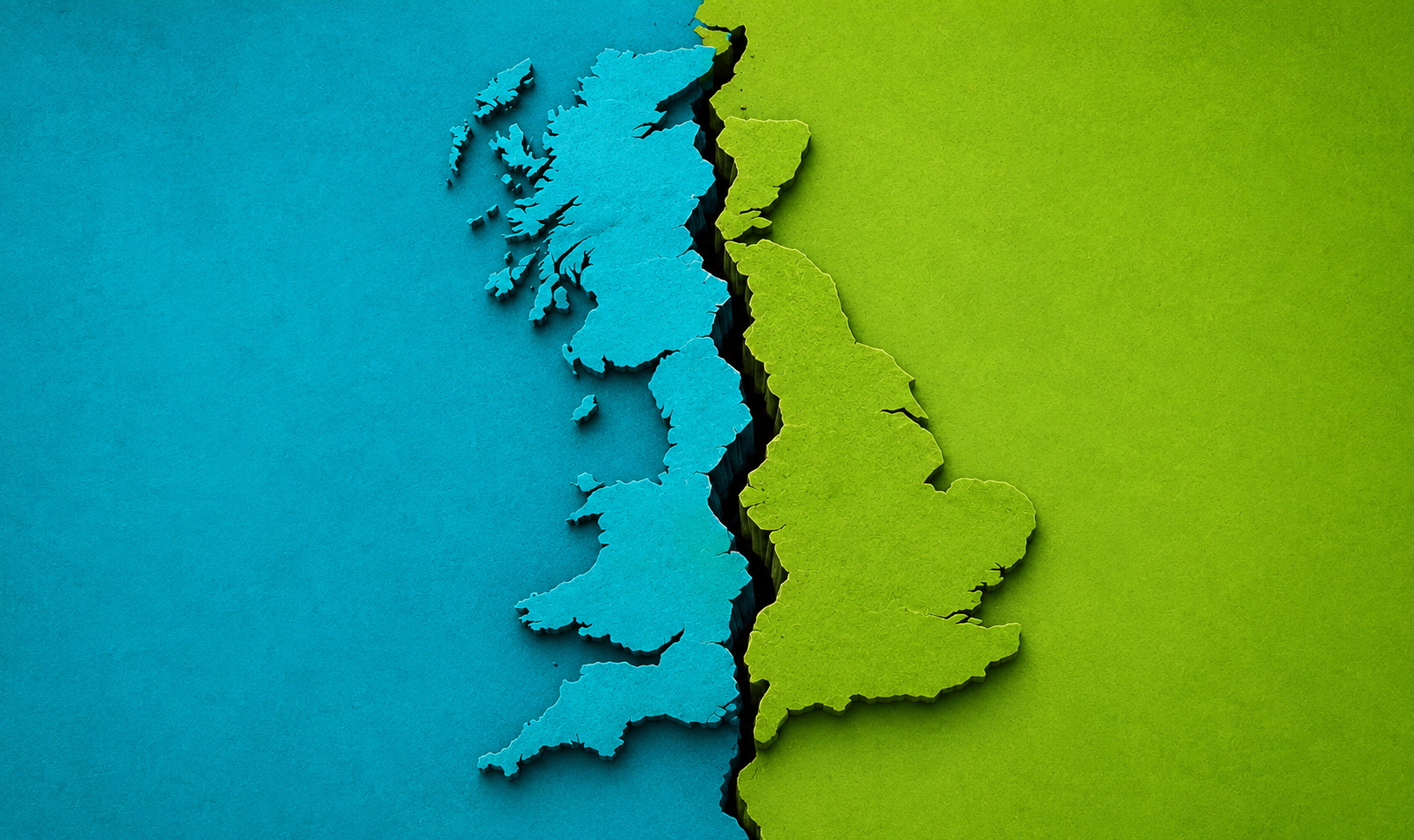
The most striking thing about these results is not simply the scale of the disruption, but the shape of it. The emerging political divide is no longer primarily Labour versus Conservative. Increasingly, it is Reform versus Green – two parties offering radically different responses to economic insecurity, immigration, and the mounting pressures of human-caused climate change.
That realignment has been building for years. Britain’s traditional parties have struggled to convince voters they understand either the scale of modern crises or the sacrifices required to address them. Reform and the Greens, by contrast, both present themselves as insurgent movements capable of breaking a stale political consensus. They tend to speak to different constituencies, and offer opposing diagnoses of Britain’s problems, but they draw energy from the same collapse in faith in the political centre.