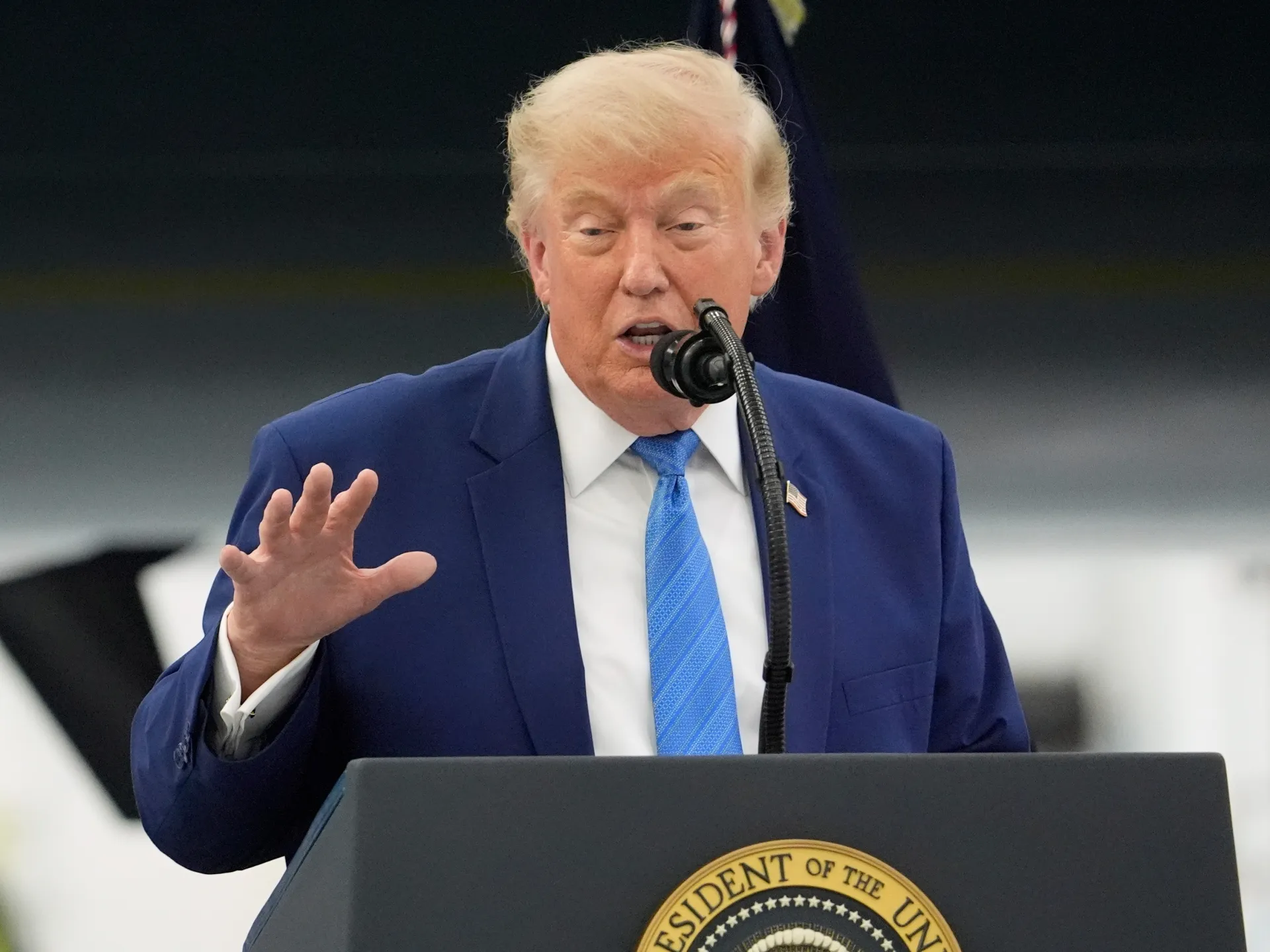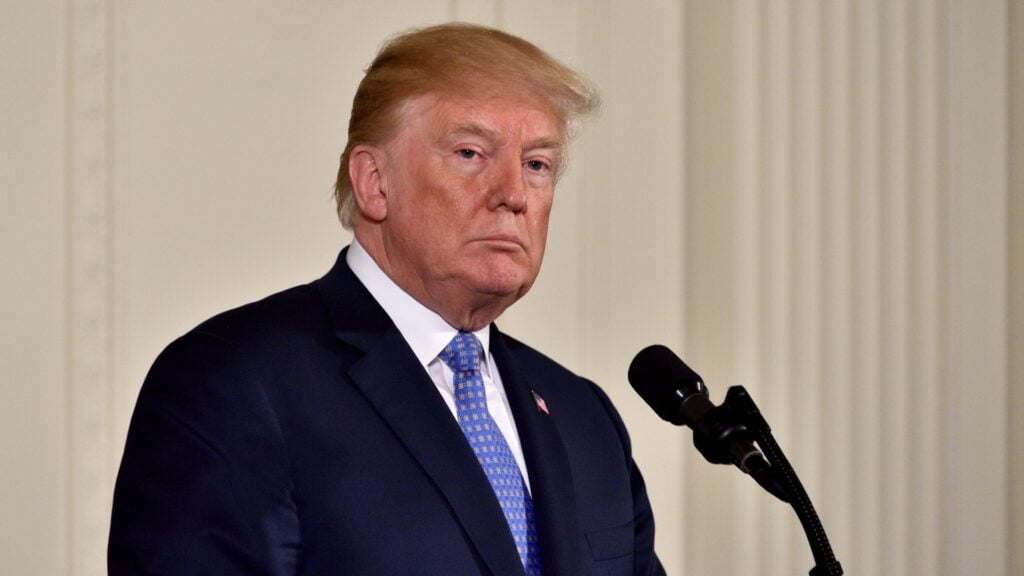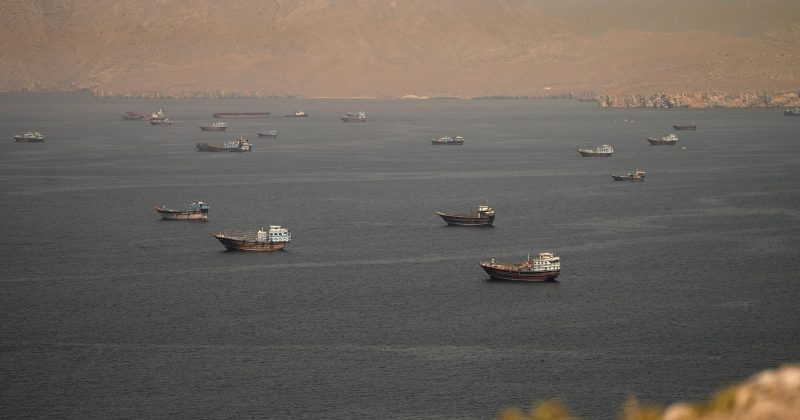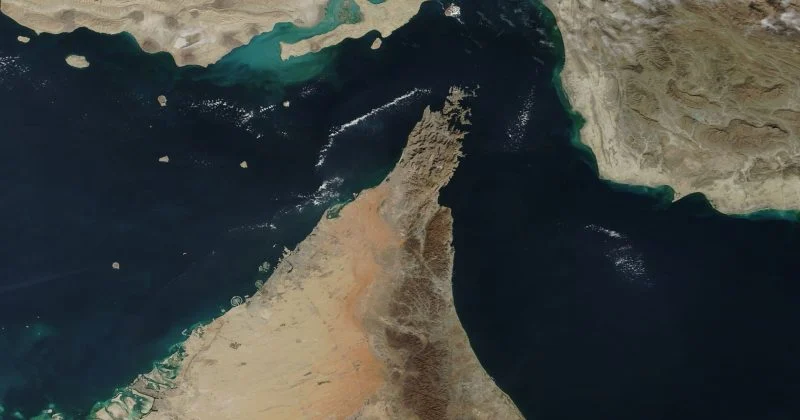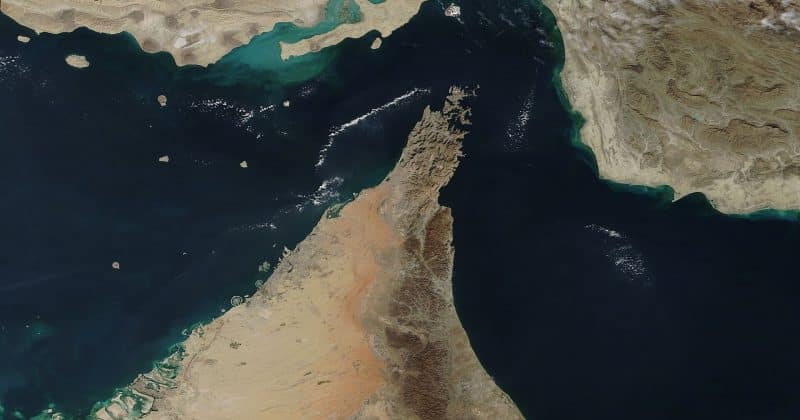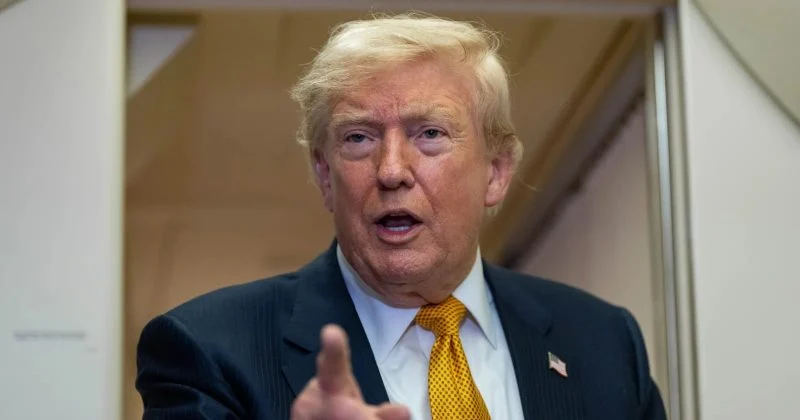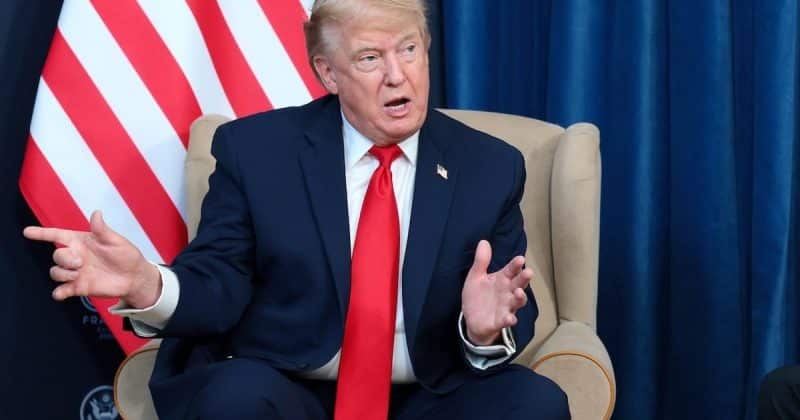
President Trump declared on June 24 that Iran has committed to imposing no tolls, no insurance costs, and no other charges on ships passing through the Strait of Hormuz. The announcement effectively kills, at least for now, a proposal that had crypto markets buzzing earlier this year: Iran’s plan to collect transit fees in Bitcoin and Tether.
The Strait of Hormuz handles roughly one-fifth of global oil trade. Any disruption, or new cost layer, ripples through energy markets and well beyond.
From crypto tolls to zero tolls
In April 2026, reports surfaced that Iran was considering transit fees of approximately $1 per barrel of oil, or up to $2 million per vessel. The twist: payments would reportedly be accepted in cryptocurrencies like Bitcoin or USDT, a move widely interpreted as Iran’s attempt to sidestep traditional financial sanctions.
Crypto analytics firms reported finding little on-chain evidence of large-scale Bitcoin transactions tied to these proposed tolls. Despite multiple media reports asserting the fees were being collected, the blockchain receipts just weren’t there to back it up.