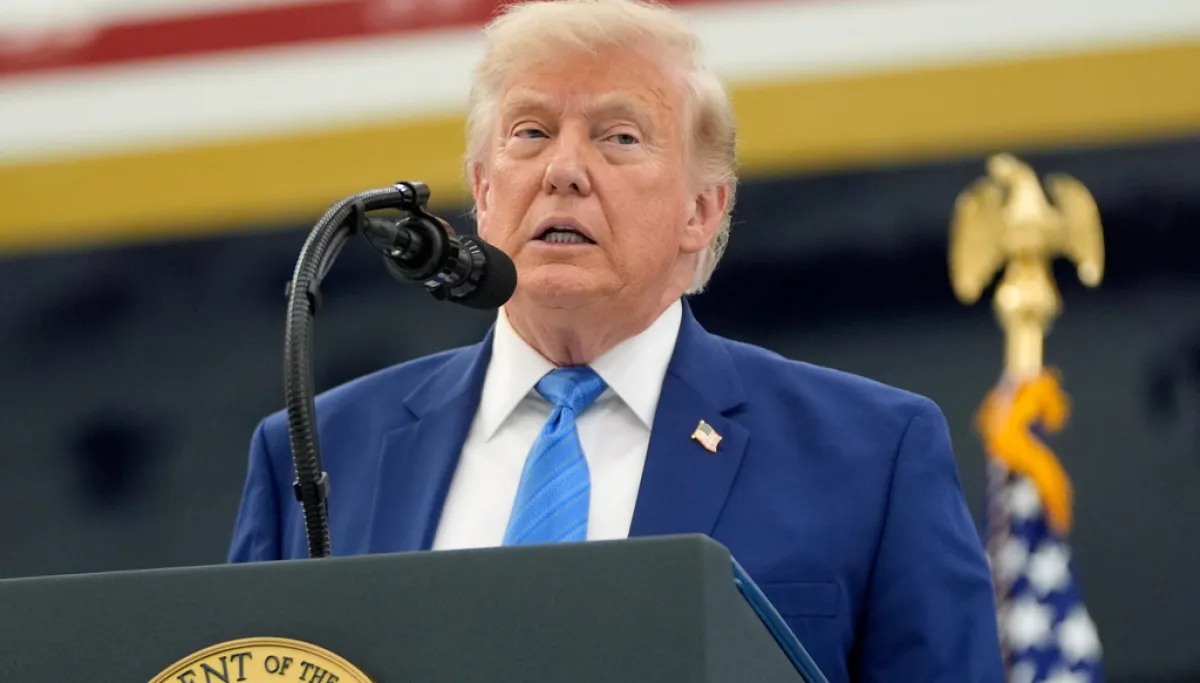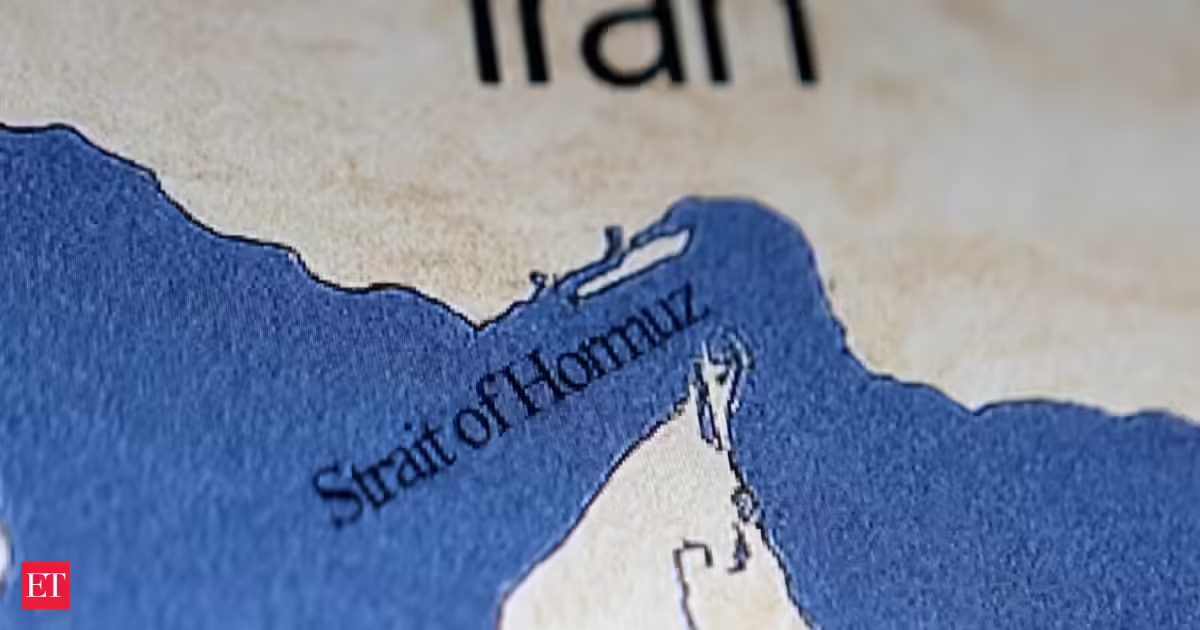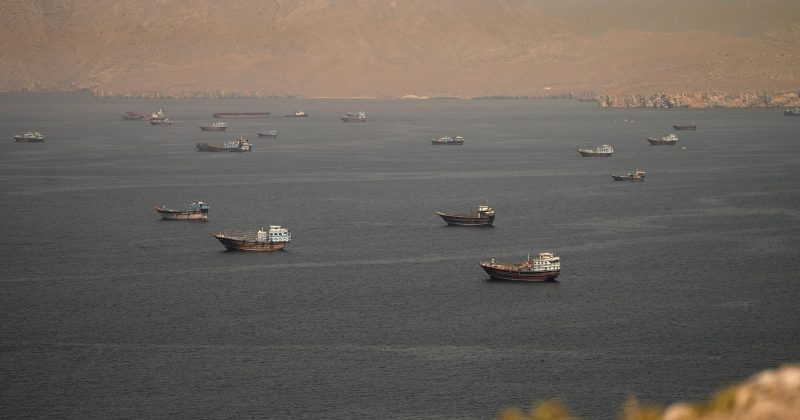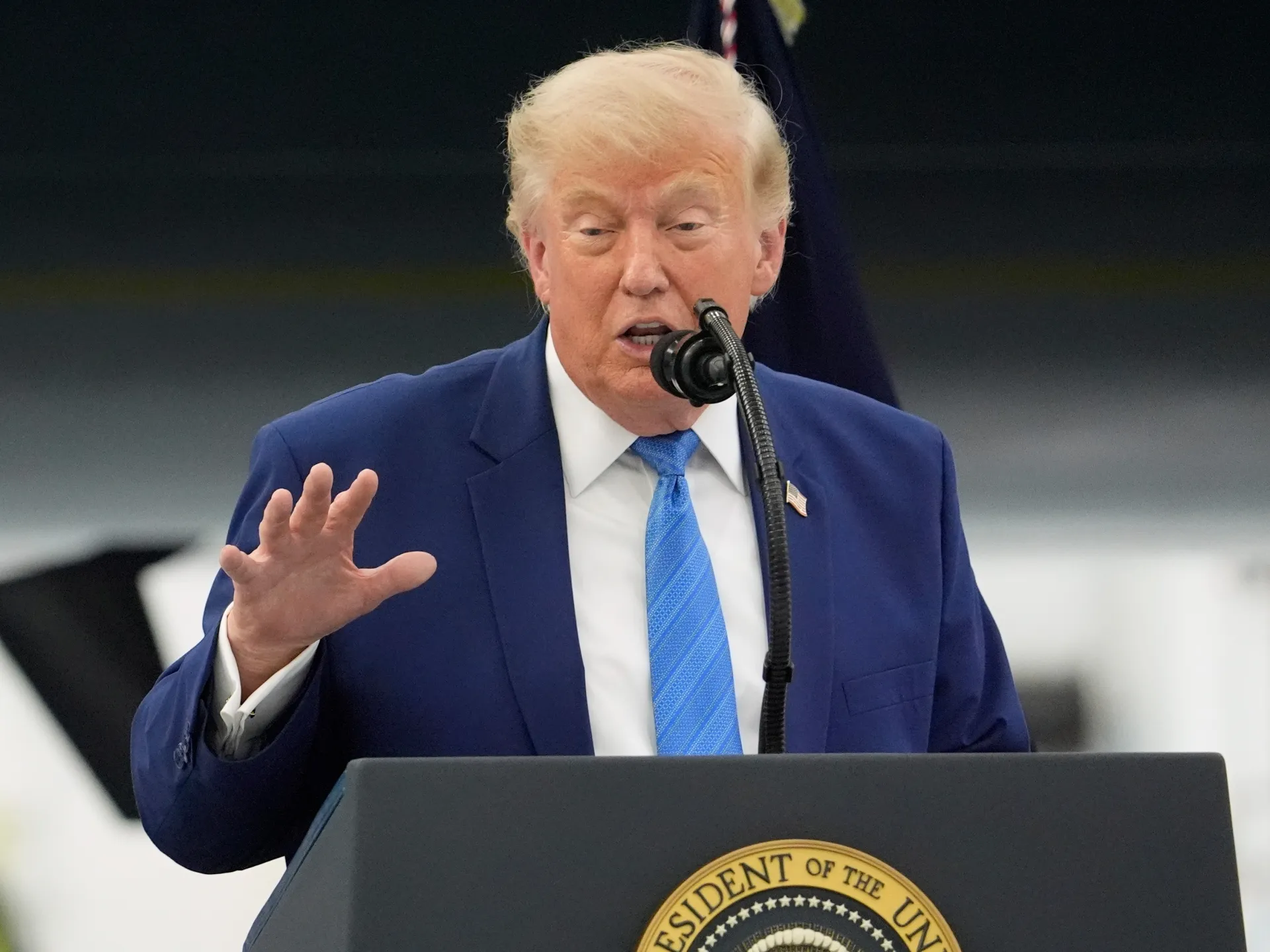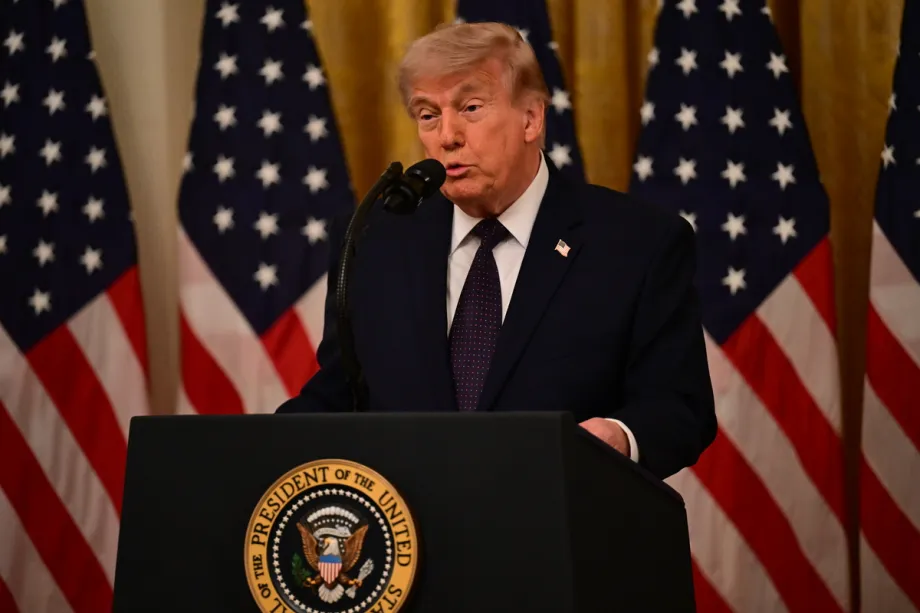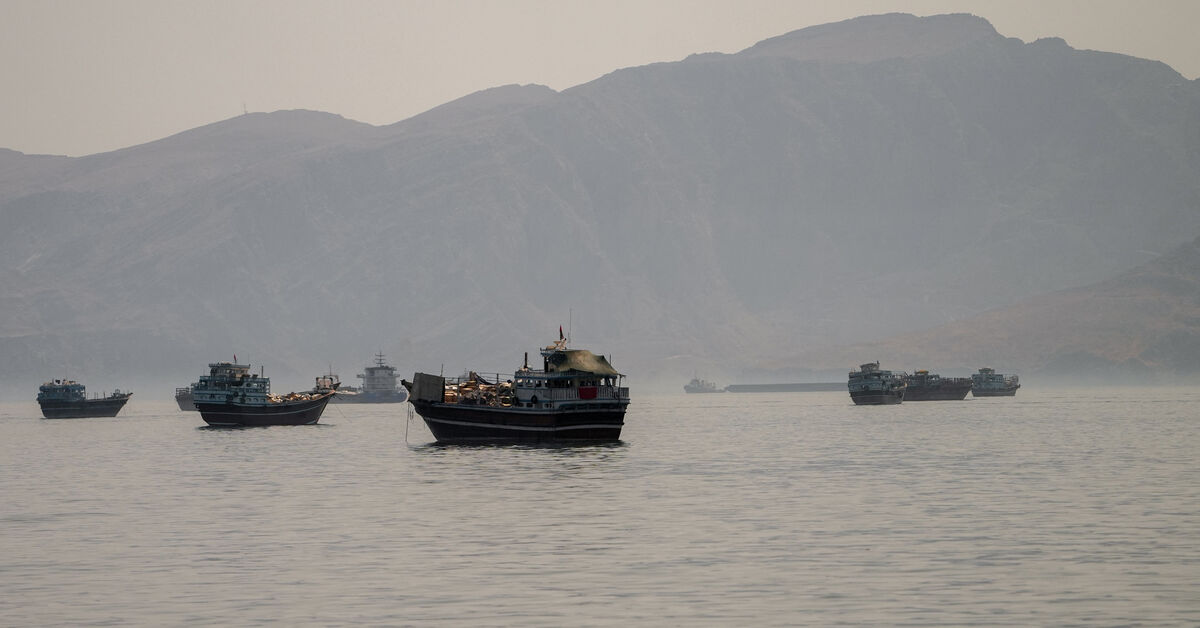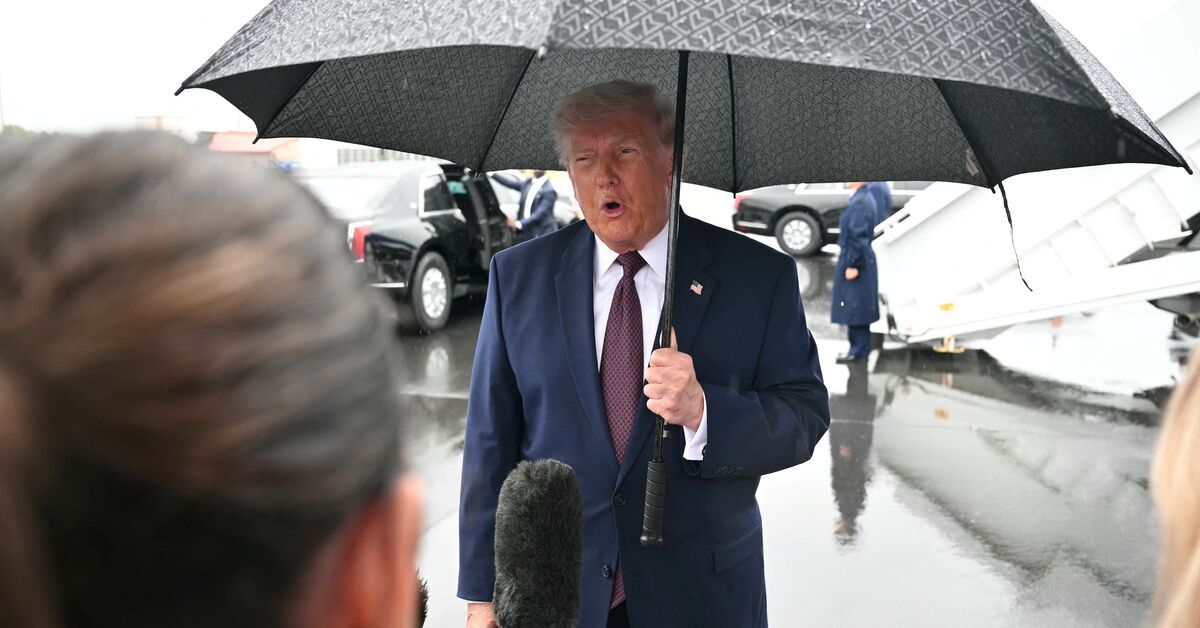
WASHINGTON — As conflicting claims complicate negotiations with Iran, President Donald Trump said Wednesday there would be no tolls in the Strait of Hormuz and that humanitarian restrictions would be tied to the release of frozen Iranian assets.Writing in a Truth Social post, Trump said Tehran had informed US negotiators that there would be “NO TOLLS, NO INSURANCE COSTS, & NO OTHER CHARGES OF ANY KIND BEING SOUGHT OR RECEIVED BY IRAN ON SHIPS” transiting the vital waterway. His claim came after senior US and Iranian officials, along with mediators Pakistan and Qatar, held an initial round of talks in Switzerland over the weekend. On Wednesday, Pakistan's Foreign Ministry said technical-level talks would resume next week. The memorandum of understanding reached between the two sides calls for the reopening of the Strait of Hormuz, the end of the US naval blockade and a 60-day period of negotiations aimed at reaching a final deal on Iran’s nuclear program. The text calls for toll-free passage of the Strait of Hormuz for 60 days, after which Iran and Oman will “define the future administration” of the strait. Omani and Iranian officials held high-level talks in Muscat on Tuesday. In a joint statement, the two countries said discussions would continue on “the future management of navigation” in the waterway, which will include “services to be provided in this regard, and the associated costs in line with international standards.”Under international maritime law, coastal states generally cannot obstruct or suspend transit through international straits, nor can they condition passage on fees, tolls or other charges.Iran's chief negotiator, Mohammad Bagher Ghalibaf, told state media outlets on Tuesday that "everyone should know that the administration of the Strait of Hormuz will never go back to the way it was before the war." In an X post after his talks with Ghalibaf and Iranian Foreign Minister Abbas Arahgchi, Omani Foreign Minister Badr al-Busaidi said Muscat and Tehran were committed to “toll-free safe passage” in the strait.Frozen funds standoffThe memorandum also states that the United States commits to make “fully available” Iran’s frozen or restricted assets “upon the implementation of this MoU,” with the procedures for their release to be decided during negotiations. Iran is estimated to have over $100 billion held in accounts across countries including India, Qatar, Iraq and Japan, the bulk in oil revenue that accumulated after Trump withdrew from the 2015 nuclear deal in 2018 and reimposed sweeping sanctions. On Wednesday, Trump said those funds will be used to buy agricultural products “exclusively from the United States.”“We will be releasing some of their money, that is totally controlled by us, to our Farmers and Ranchers, for the purchase of Corn, Wheat, Soybeans, and more,” Trump said. “Food is desperately needed in Iran, and we will be purchasing it for them exclusively from the United States."After negotiations wrapped in Switzerland, Vance said Monday that Washington had put forward a proposal to the Iranians under which the United States and Qatar would have to approve how Tehran uses its released assets. But Iranian officials have denied that the United States would have any control over its funds.“Iran is the only country who decides what to do with those assets,” Iranian Ambassador to the UN in Geneva Ali Bahreini told reporters Tuesday.There is recent precedent for conditioning the use of Tehran’s frozen funds. In September 2023, the Biden administration approved the release of some $6 billion in frozen funds as part of a deal to secure the release of several Americans detained in Iran. The funds, held in Qatari banks, could only be used by Iran to import food, medicine and humanitarian goods from vetted providers under US Treasury Department oversight. Critics of the arrangement argued that because money is fungible, the funds released for humanitarian purposes would effectively free up other funds that Iran could spend on terrorism and other destabilizing activities in the Middle East. After Hamas attacked Israel less than a month later, the Biden administration reached a quiet understanding with Qatar to block Iran from accessing the $6 billion.This developing story has been updated since initial publication.
Trump insists no Hormuz tolls as Iran, US make conflicting claims
Iran has said it wants to charge "maritime service fees" in the Strait of Hormuz.
682 words~3 min read