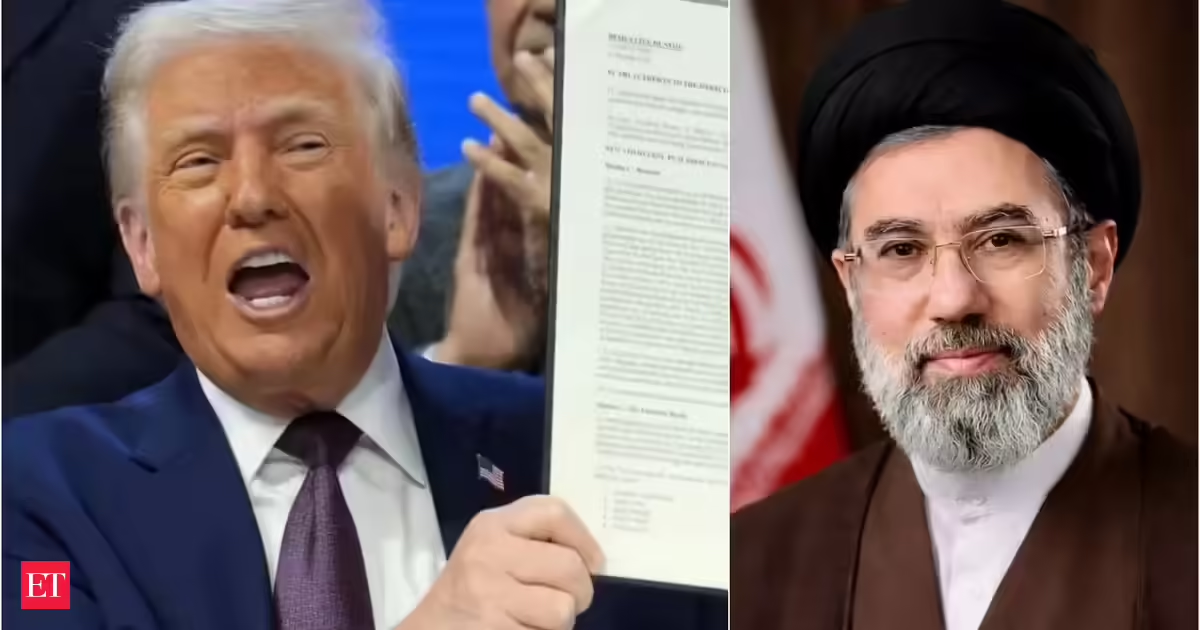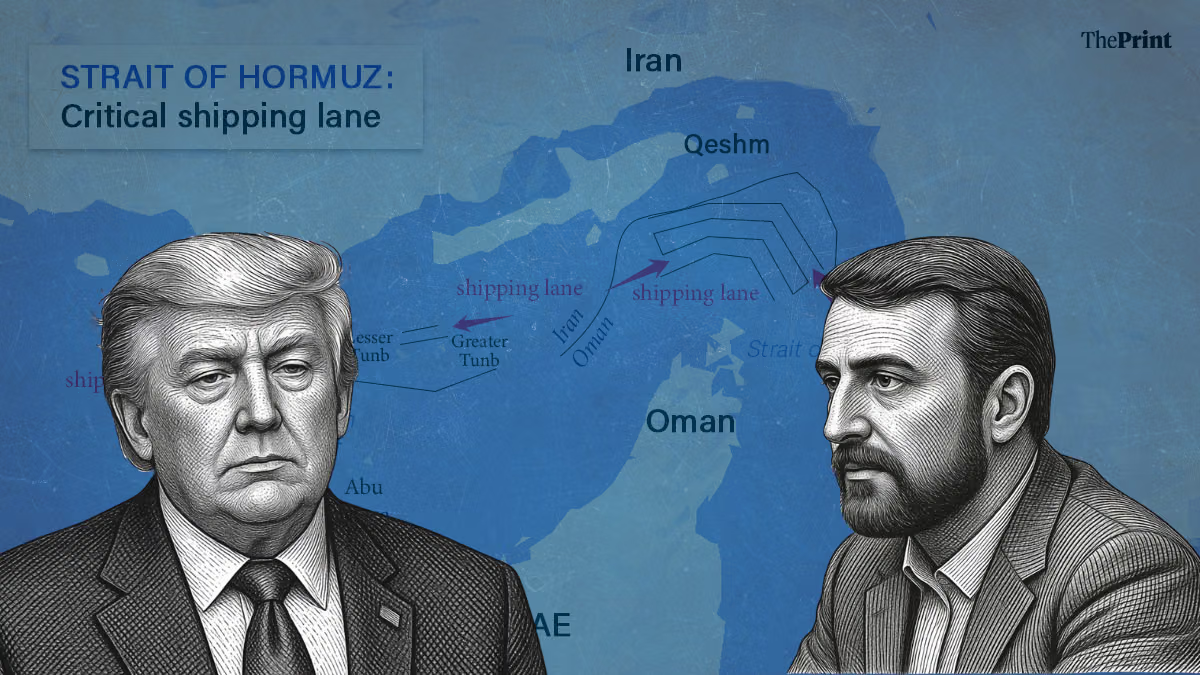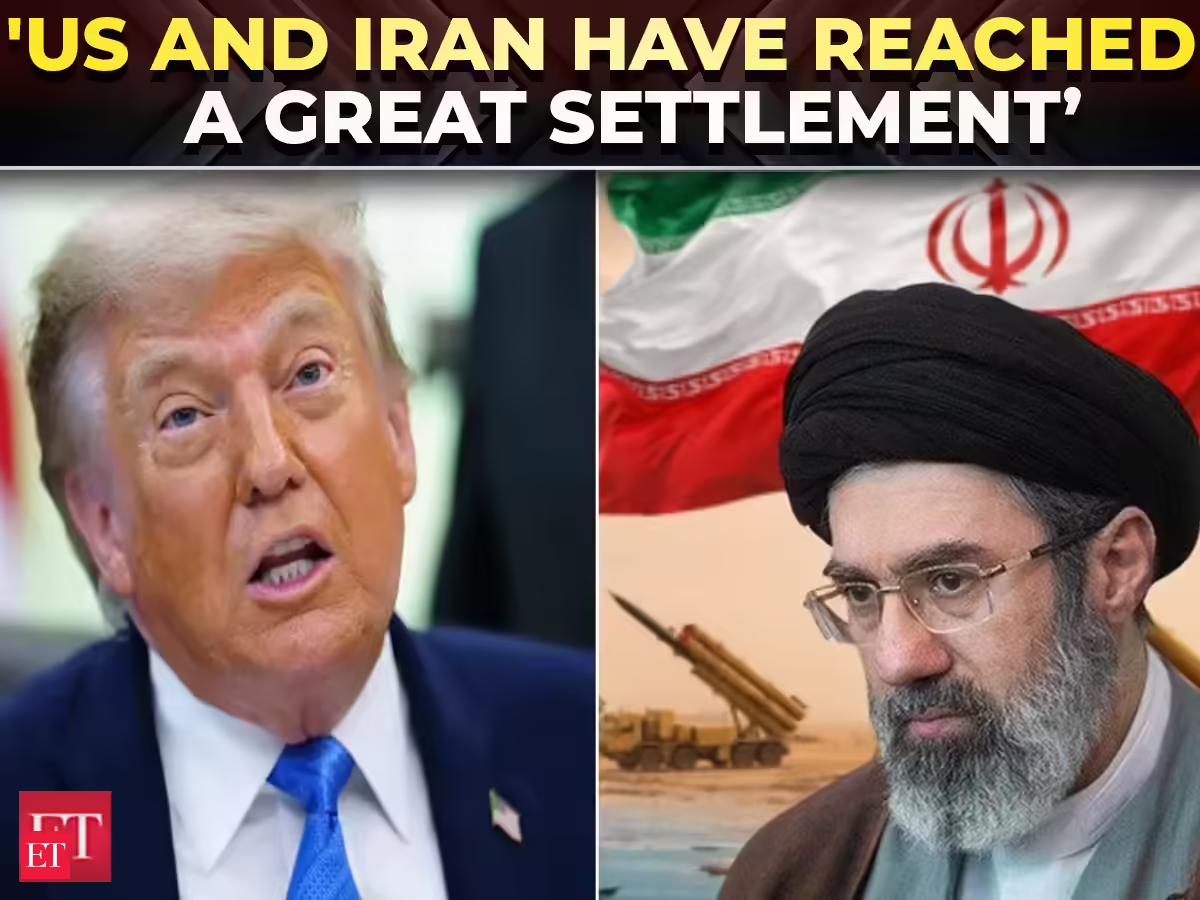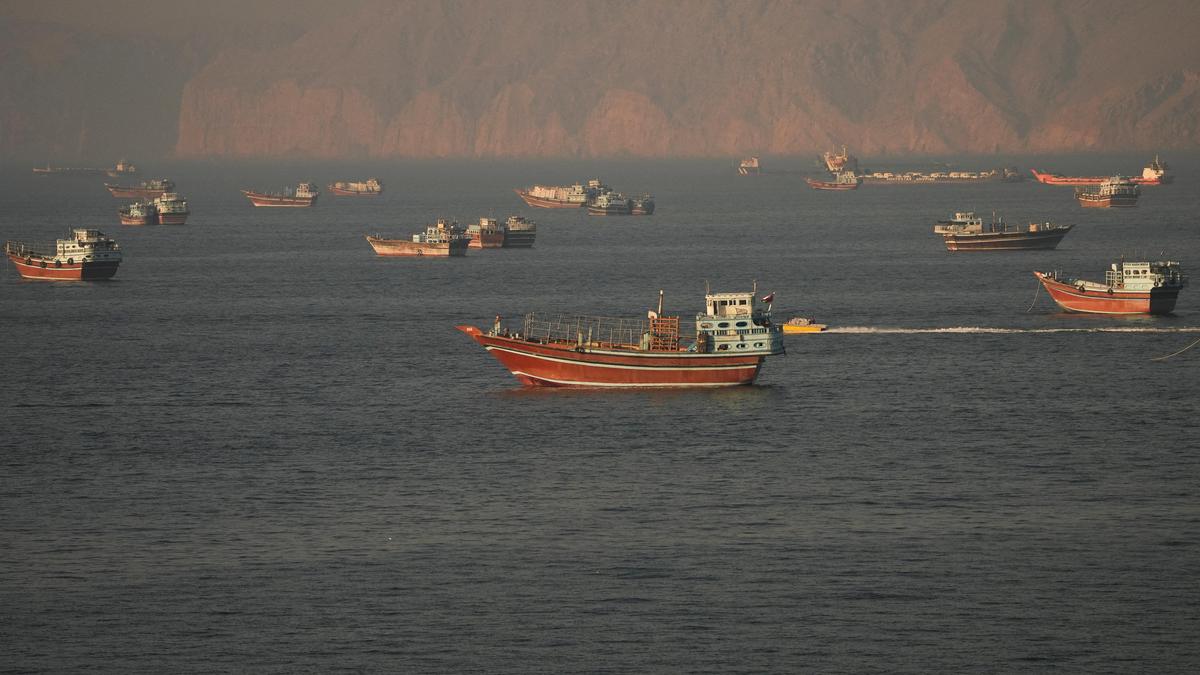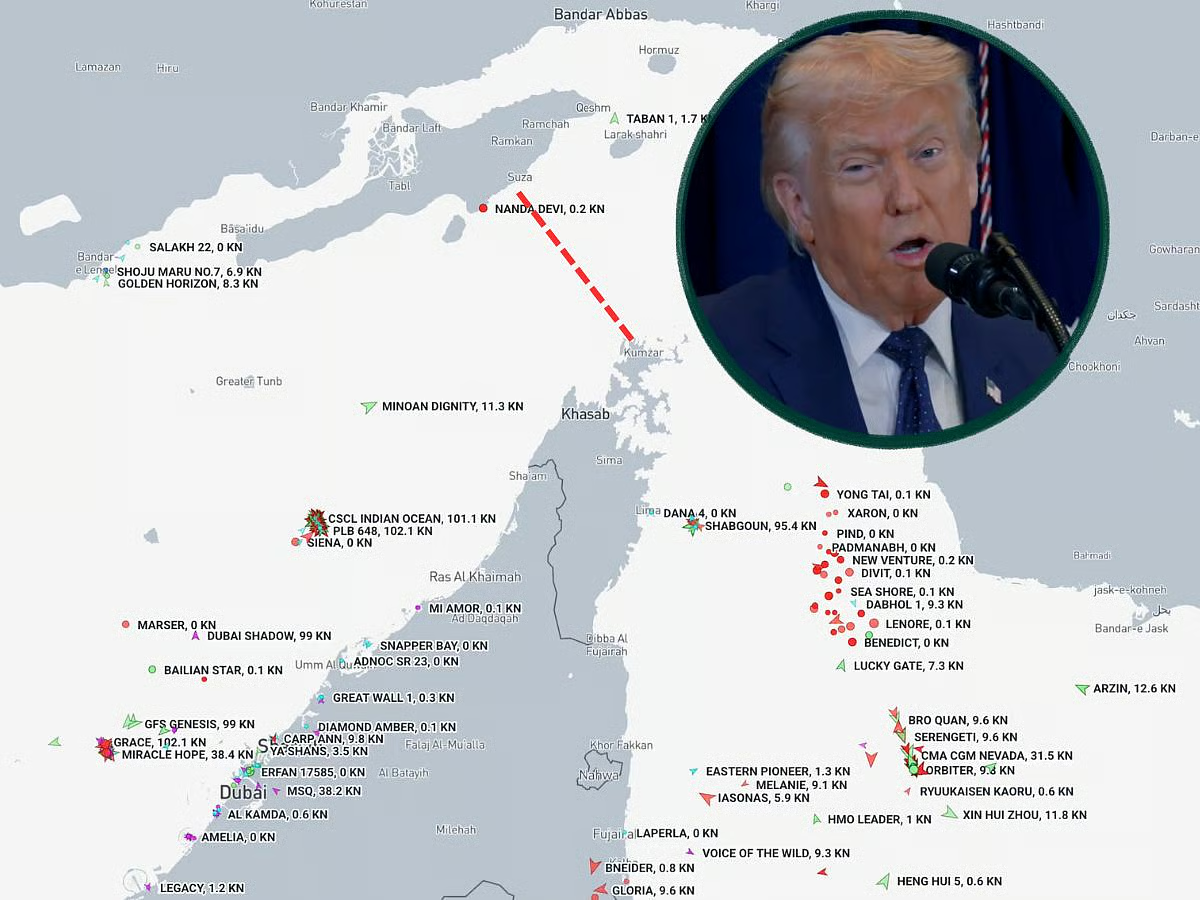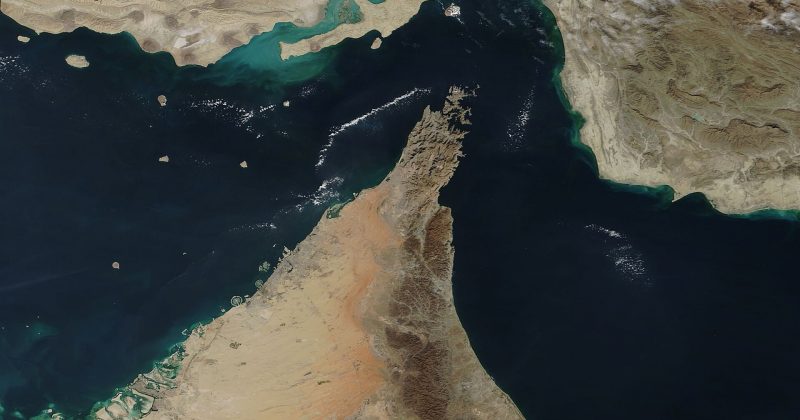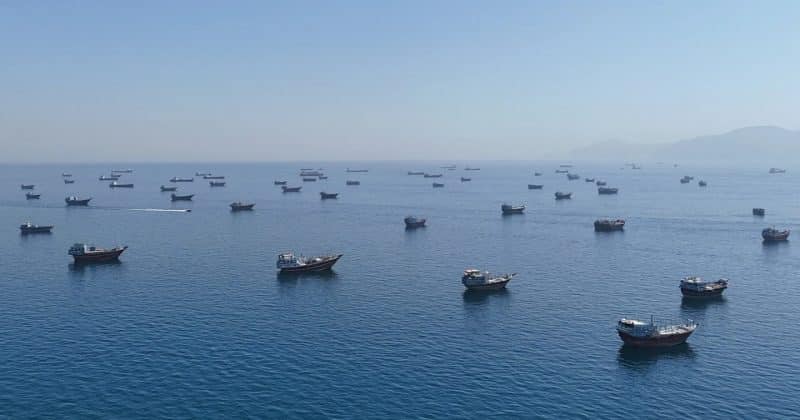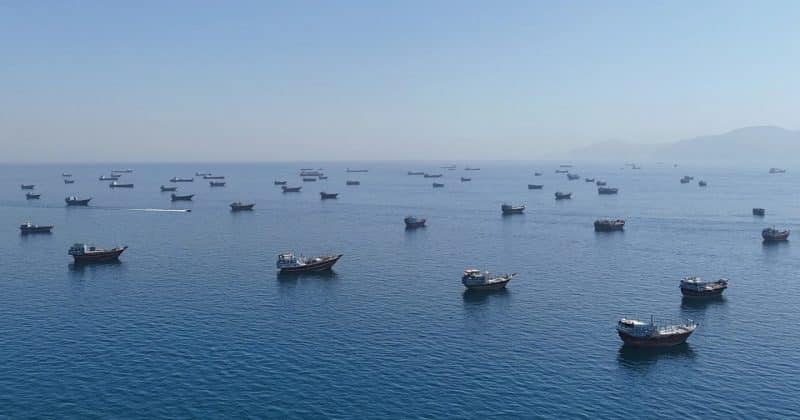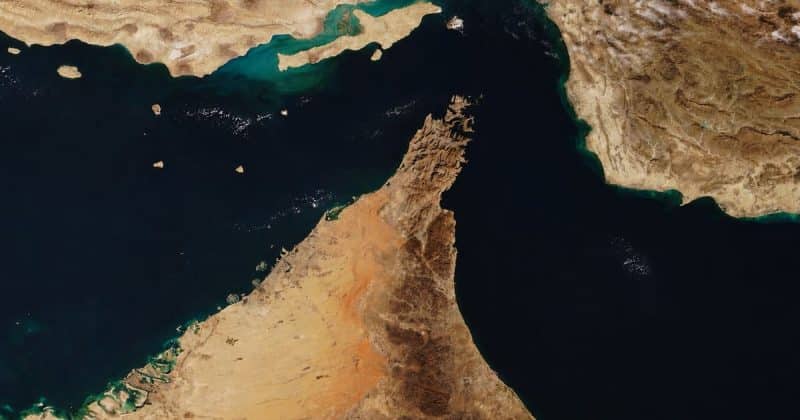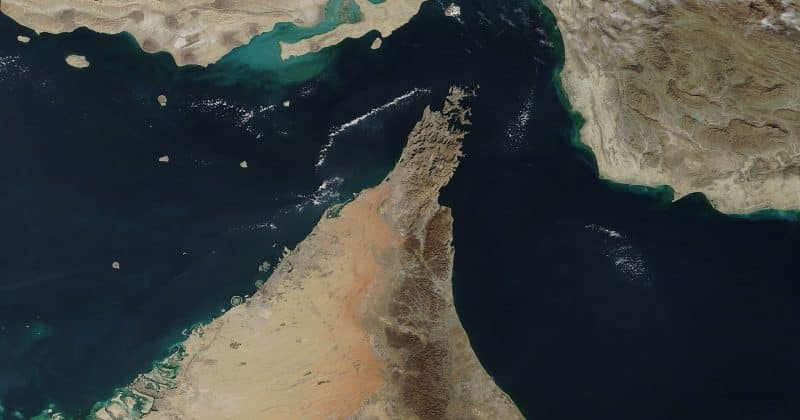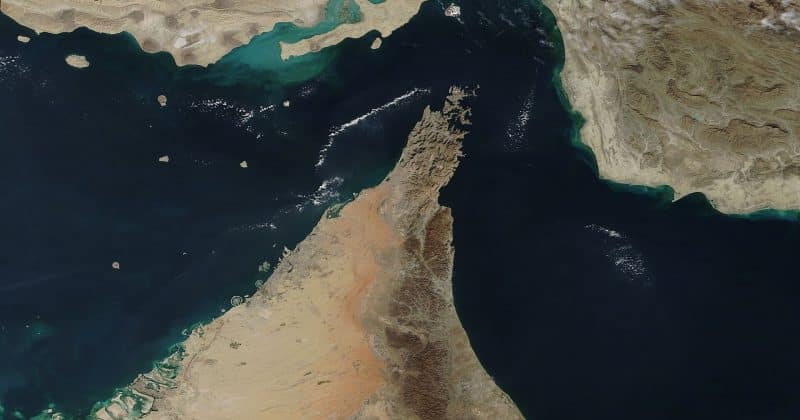
The Strait of Hormuz, the narrow waterway responsible for roughly 20% of the world’s oil shipments, is reopening permanently without any toll fees. That’s the word from President Trump, who announced the deal on June 15 as the culmination of tense negotiations with Iran that, at various points, nearly fell apart over the very question of who gets to charge what for passage.
The agreement marks a dramatic reversal from proposals floated just weeks earlier that would have slapped transit fees on every vessel passing through. Crypto markets noticed immediately, with Bitcoin and other digital assets ticking upward on the news as traders priced in lower geopolitical risk and cheaper energy.
From blockade to open lanes
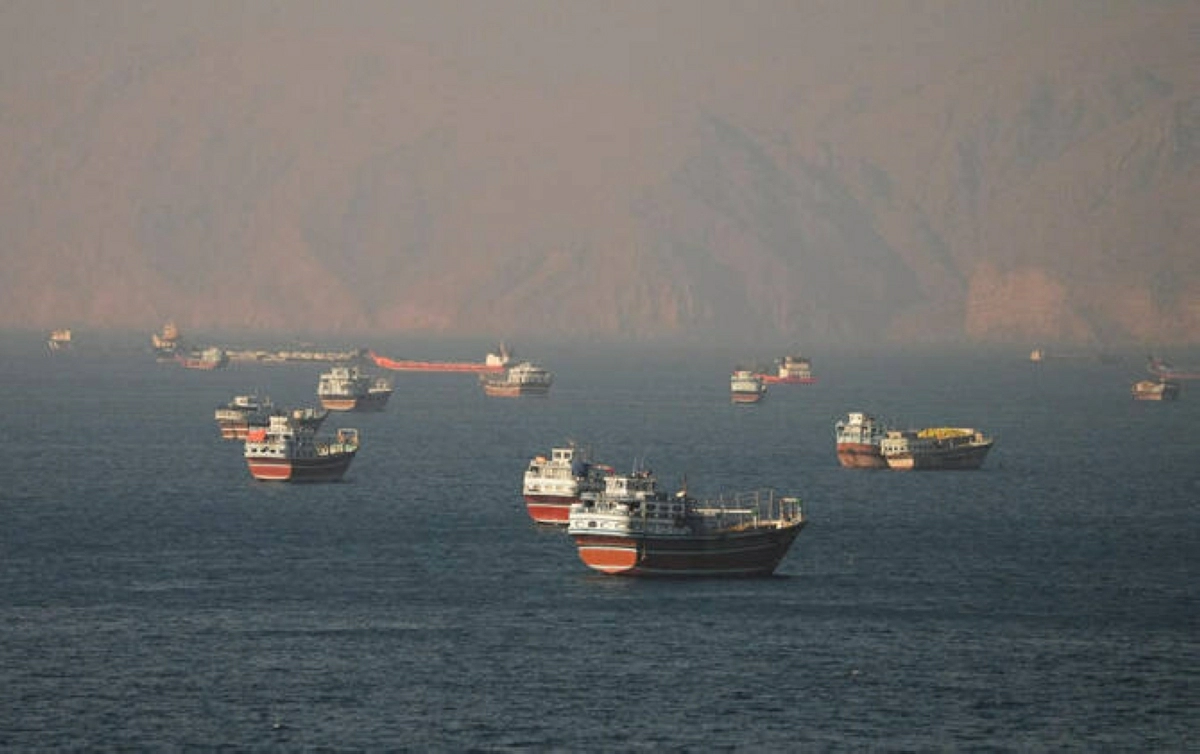
The deal’s framework includes two major operational components: a phased removal of the US naval blockade and mine clearance operations conducted by Iranian forces. Trump confirmed that shipping lanes are already operational, telling reporters to “let the oil flow.”
Just two months ago, this outcome looked unlikely. In April 2026, Iran was actively exploring the idea of charging transit fees, with proposals floating around $1 per barrel or as much as $2 million per vessel. Those tolls were part of a ceasefire negotiation framework, and Iran had specifically discussed accepting payments in digital assets, a move widely interpreted as an attempt to sidestep US sanctions through crypto rails.