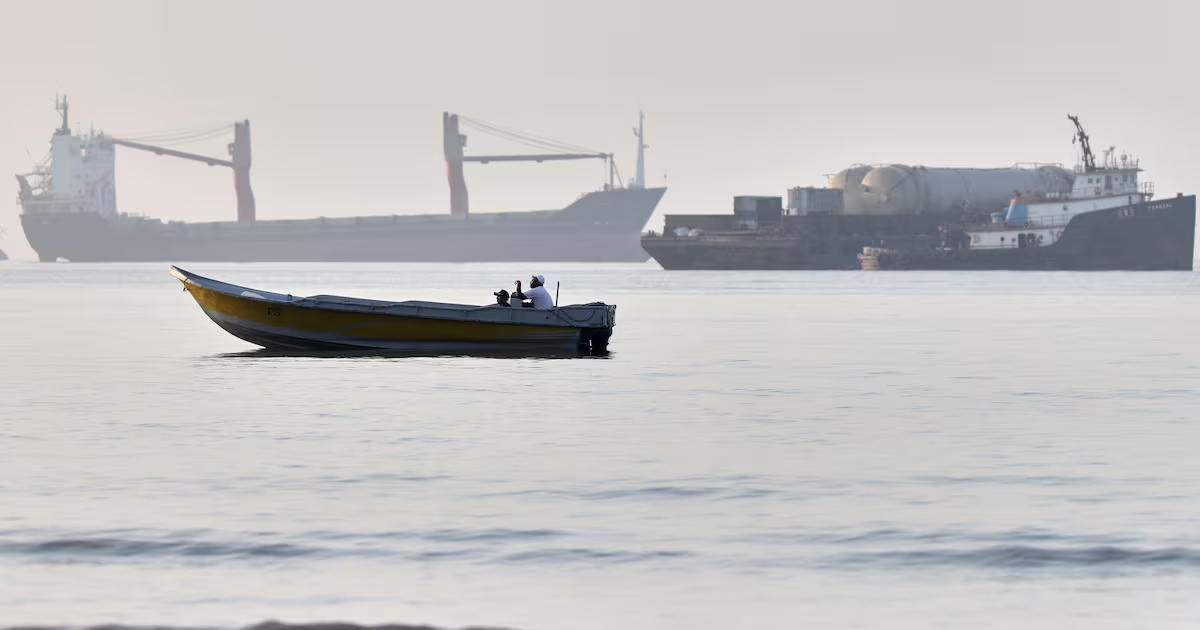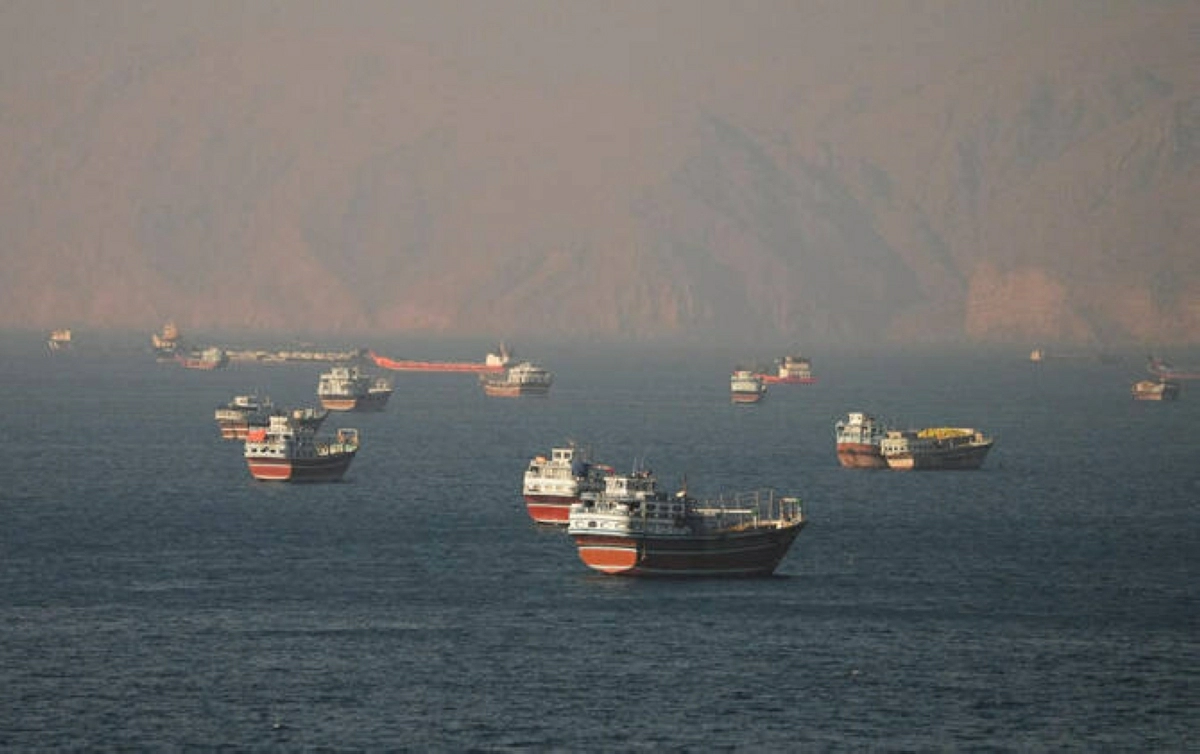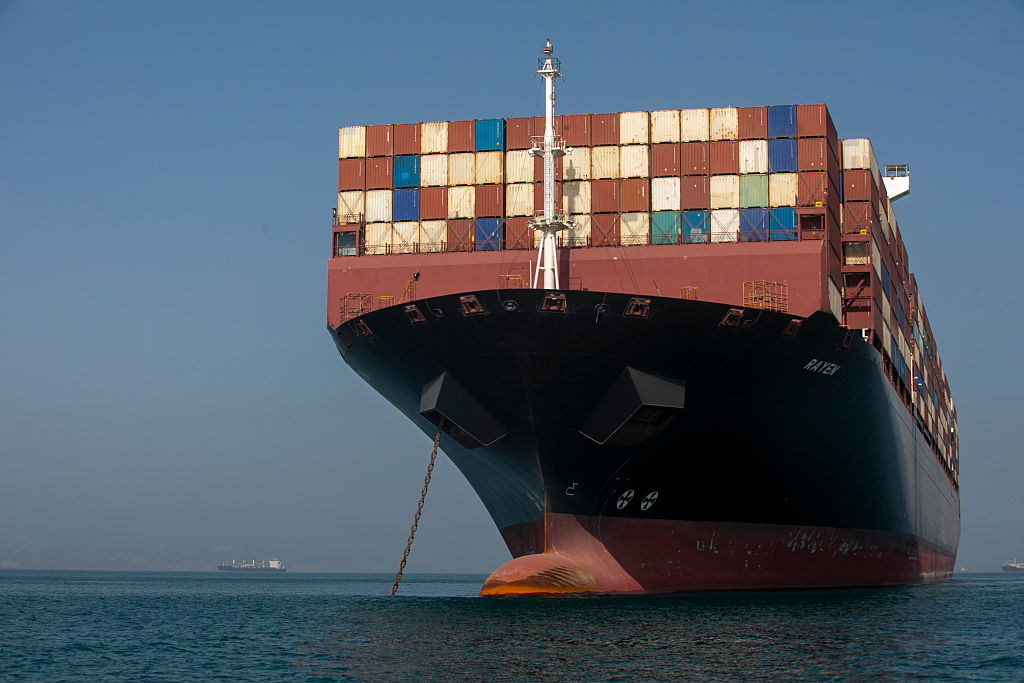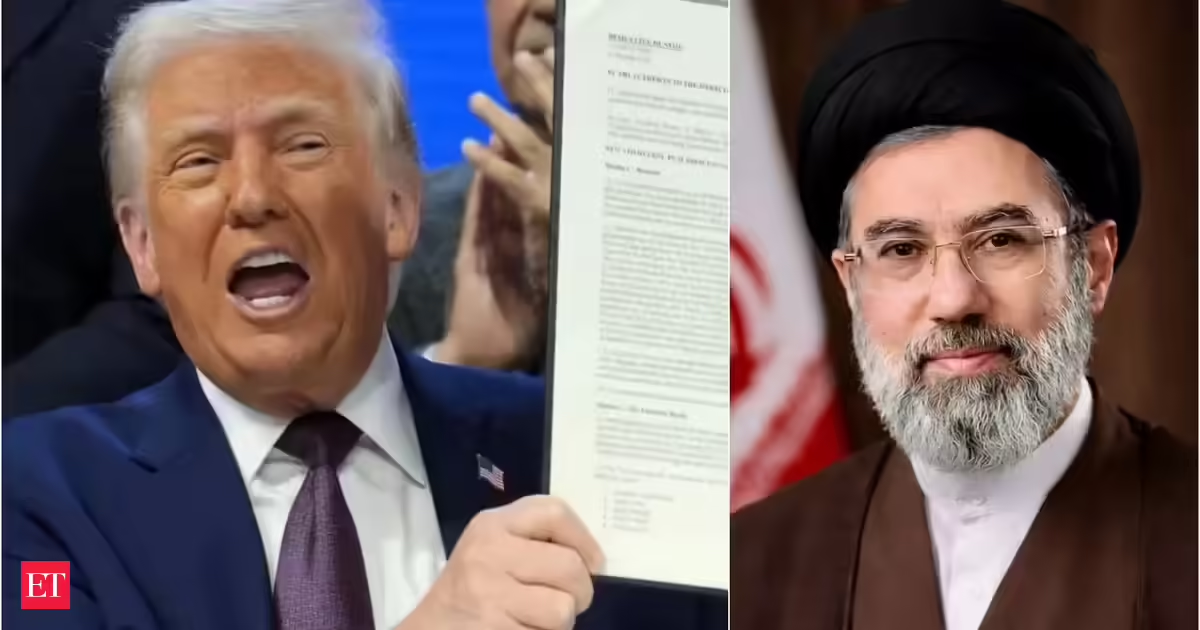
New Delhi: US President Donald Trump announced Tuesday that under the peace agreement reached with Iran three days ago, the Strait of Hormuz would be “permanently toll-free”. Iran, however, indicated Monday that it was considering charging service fees for commercial ships transiting through the Strait.
The US-Iran peace deal, first announced Sunday by Pakistani Prime Minister Shehbaz Sharif, marks a major breakthrough in a complicated negotiating process that lasted roughly two months. The formal signing of the agreement, which seeks the permanent cessation of military operations, will be held on 19 June in Switzerland.The agreement includes an end to the US naval blockade imposed in mid-April and the reopening of the Strait to all commercial shipping, after it had been effectively closed for the duration of the conflict, which began on 28 February.
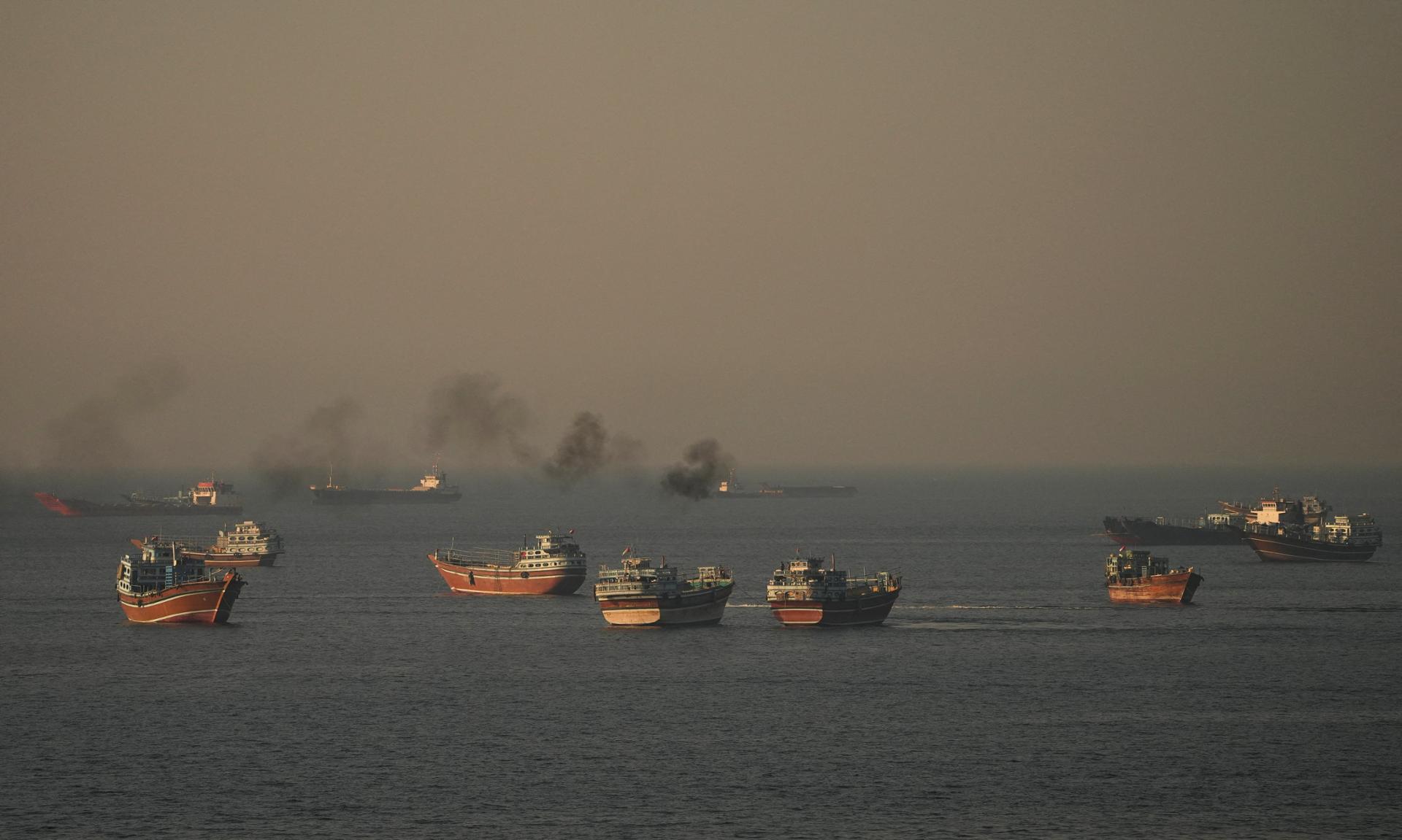
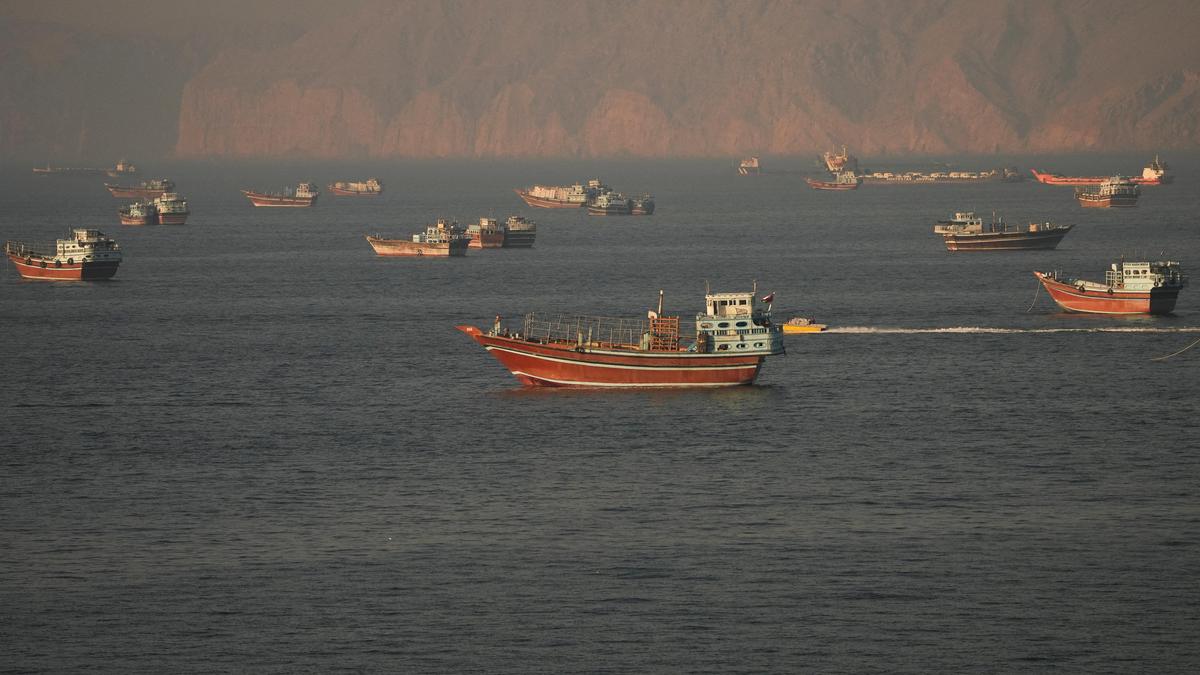
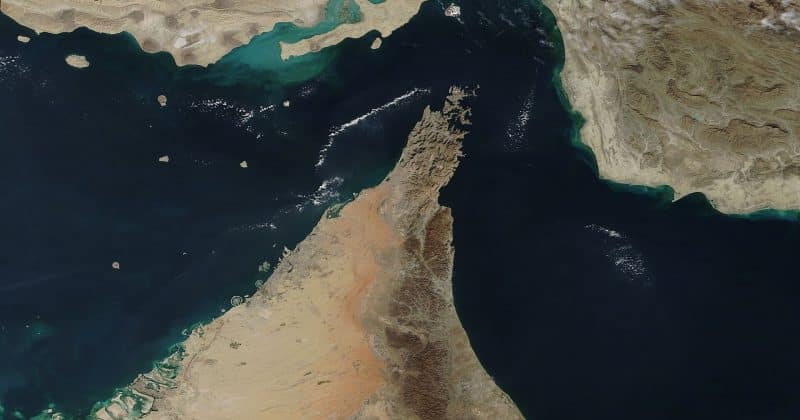
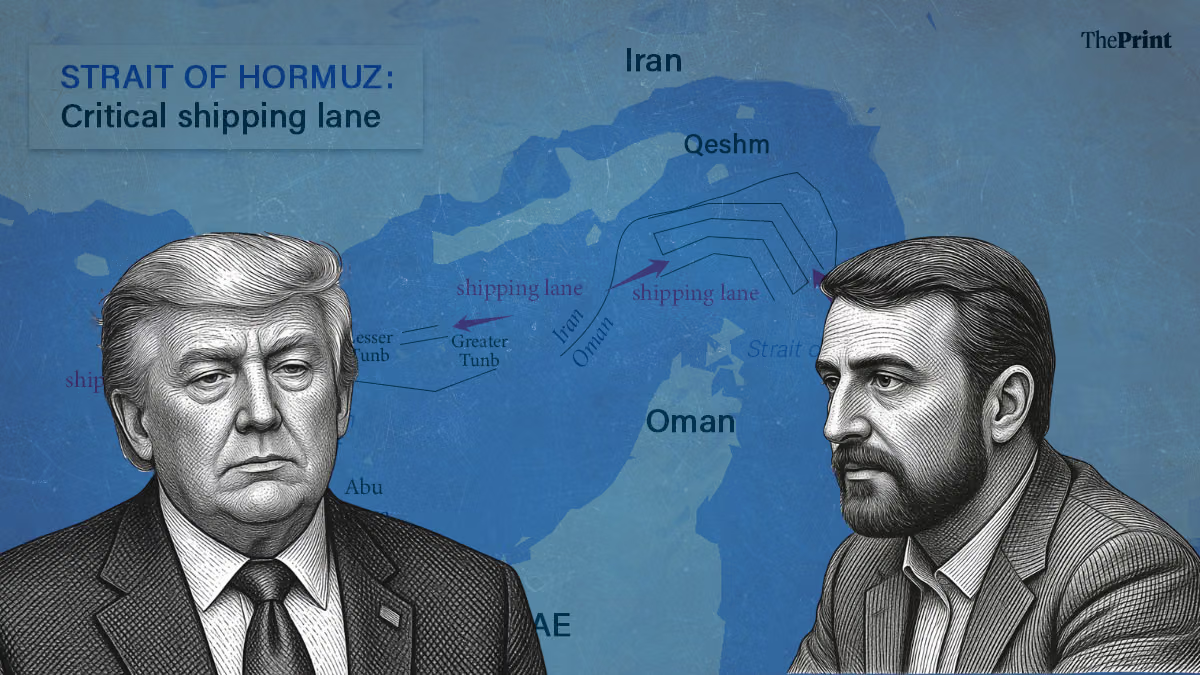
The Strait of Hormuz is a critical maritime chokepoint, through which roughly a fifth of the world’s seaborne oil and liquefied gas passes. It acts as a natural transit passage between the Persian Gulf and the Gulf of Oman.“The Strait of Hormuz is very important for us, and we have adopted certain procedures according to international law in order to protect Iran’s national security and the Islamic Republic of Iran,” Iran’s foreign ministry spokesman, Esmaeil Baghaei, told reporters Monday. He added that Tehran is “not seeking to levy transit tolls; however, fees will be charged in exchange for the services that are provided”.While the specific details surrounding the service fees are yet to be announced, Iran has indicated that such fees would go towards environmental protection and other maritime services. He noted that Iran required time to carry out discussions about the fee proposal with other involved parties.