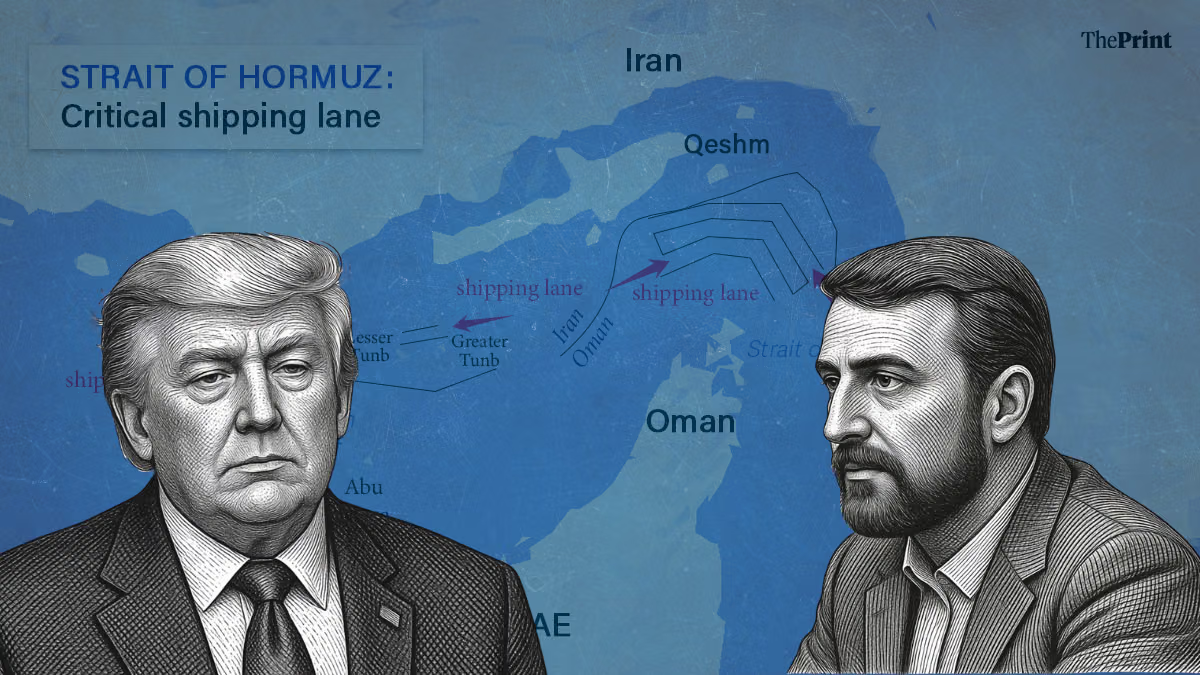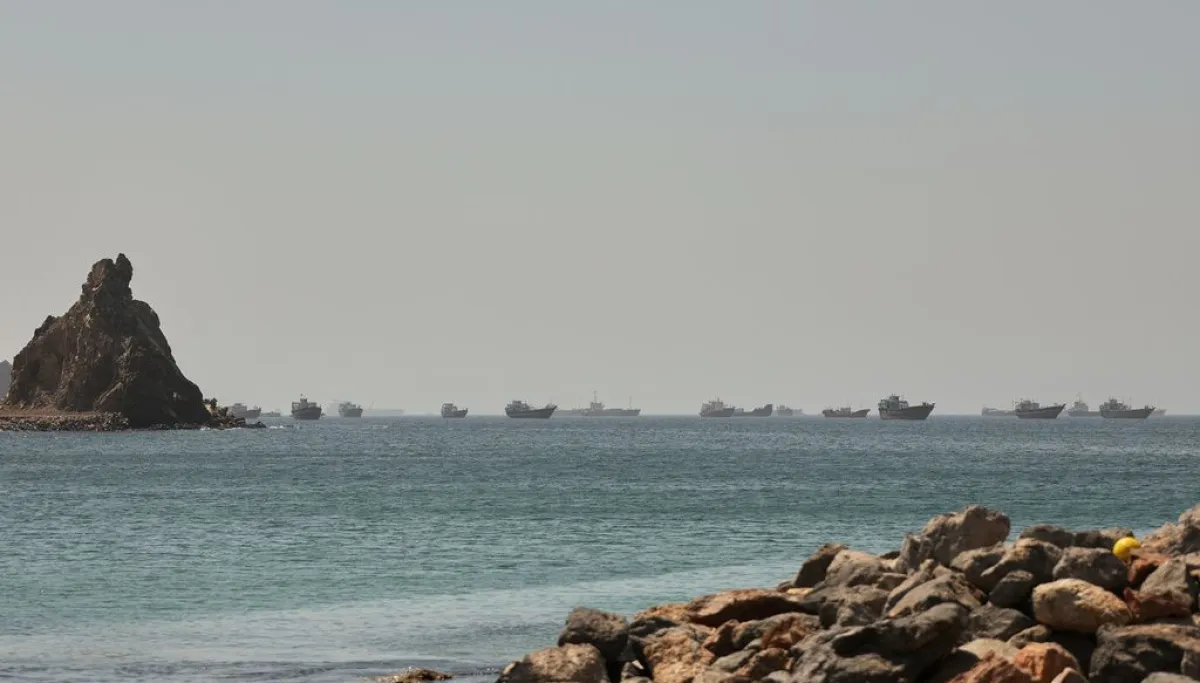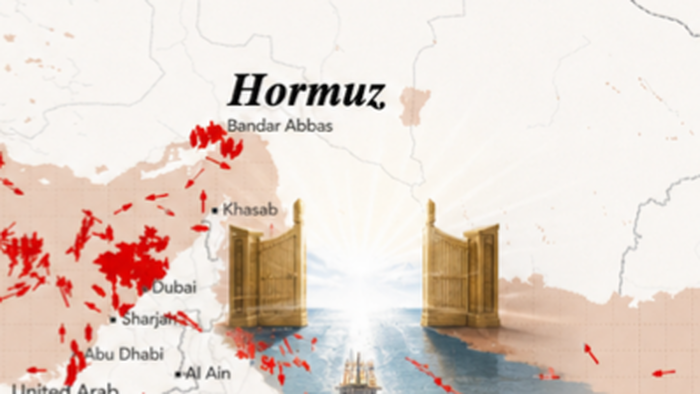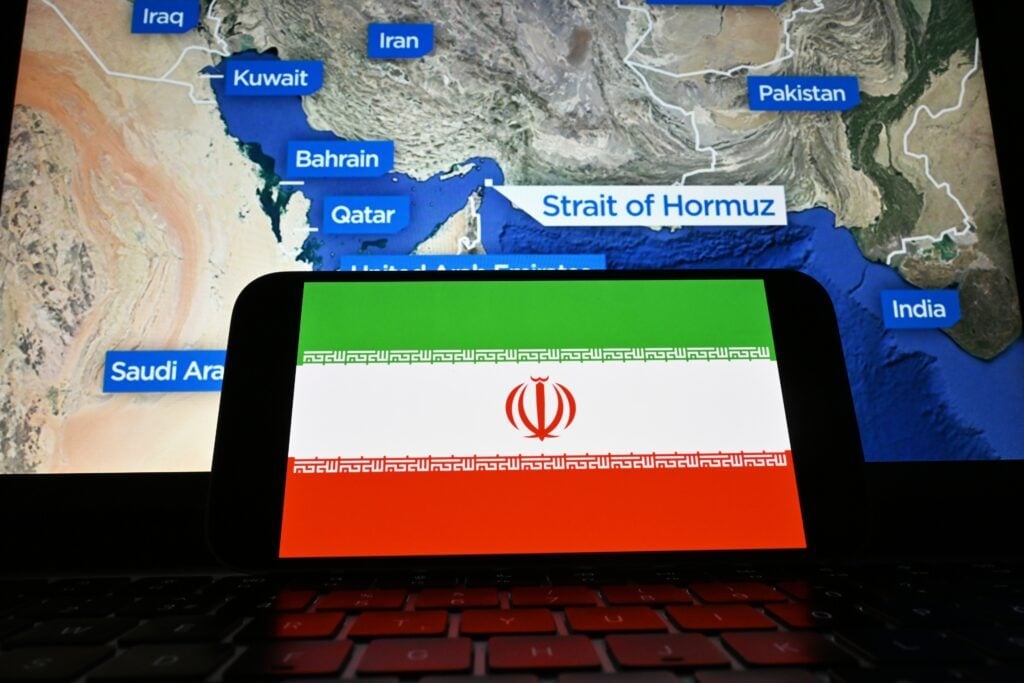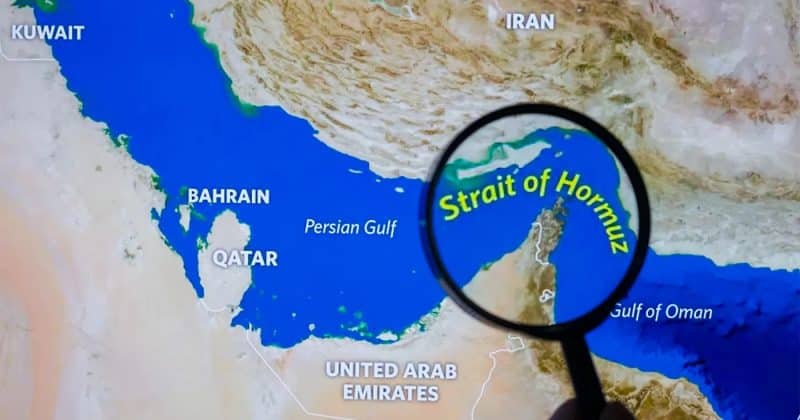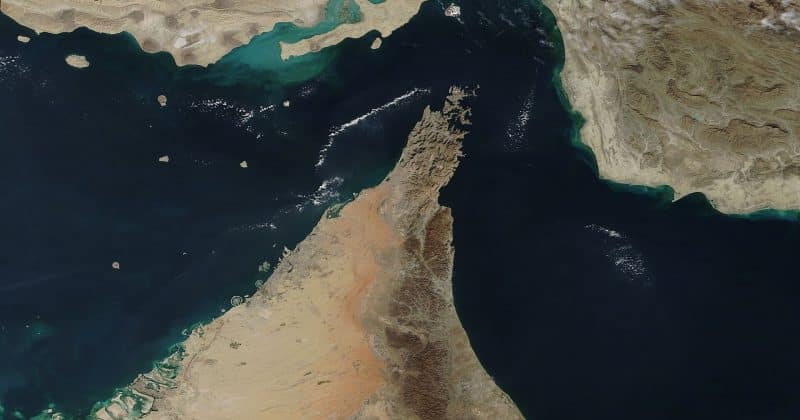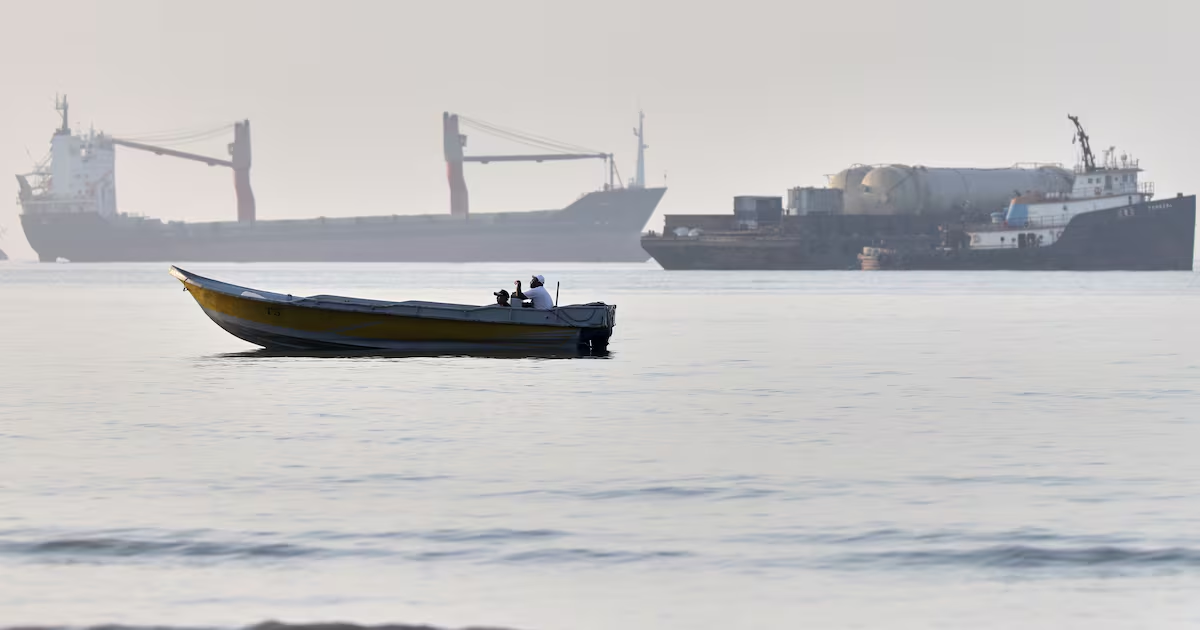
A framework agreement between the US and Iran appears to contain two elements: terms for an immediate 60-day ceasefire, and plans for talks during that time on a long-term peace deal.But when it comes to what is – or might be – in each of those categories, little has been confirmed so far. The text of the short-term agreement has not yet been released, and the long-term one doesn’t exist yet. Will the Strait of Hormuz reopen to shipping?Yes, both Iran and the US have pledged to lift their blockades, but how fast the strait reopens is unclear. Trump said maritime traffic will return to normal by Friday, when a signing ceremony is held in Geneva. Shipping companies say it could take weeks. Thousands of vessels have been waiting for the blockade to end and there is uncertainty about whether there are mines in the waterway.Has Iran offered to help demine Hormuz?Tehran has reportedly supplied maps and assistance to demine Hormuz and its approaches. Once the ceasefire is in place, Britain, France, Germany, Italy, Japan and Canada are set to begin this process in accordance with a plan under discussion since March. However, demining could take many months.Will Iran be able to charge fees on ships sailing through the Strait of Hormuz? While US president Donald Trump said there will be no tolls, Iranian officials say they may levy “fees” on passing ships, which were not charged before. Legal experts say the plan would violate international law and it is not clear at this stage if the US side will object or turn a blind eye to it.Will the price of petrol and gas return to normal?Prices have already dropped, but upward pressure is likely to remain because it will likely take months for maritime traffic to return to normal levels, while repairing oil and gas infrastructure damaged during the war will take much longer.[ What is in the US-Iran deal and when will the Strait of Hormuz open?Opens in new window ]The conflict has effectively shut the key Strait of Hormuz, disrupting the global economy. Photograph: Amirhosein Khorgooi/ISNA via AP What will happen to Iran’s nuclear programme?Both countries have indicated this does not form part of the immediate framework but will be negotiated as part of the long-term deal. Consequently, it is difficult to say whether Iran will give up its stockpile of highly enriched uranium that could be used to make weapons, or whether it would agree to halt such high-level enrichment – and if so, for how long. Trump has suggested Iran could continue low-level enrichment of the kind that produces fuel for power plants. Will Iran get relief from sanctions or compensation for damage caused during the war?A senior US official says Washington has discussed the possibility of sanctions relief and “a big $300 billion fund to rebuild their country”. The fund, the source said, would not come from governments and instead would be created for companies keen to invest in the country. The structure and management of the fund is not immediately clear.[ Trump administration considers $300bn fund for Iran if deal is upheldOpens in new window ]
Will Iran be able to charge ‘fees’ on Strait of Hormuz under new deal?
While Trump declared the Strait of Hormuz would reopen ‘permanently toll-free,’ Iran said it intended to apply charges
523 words~2 min read