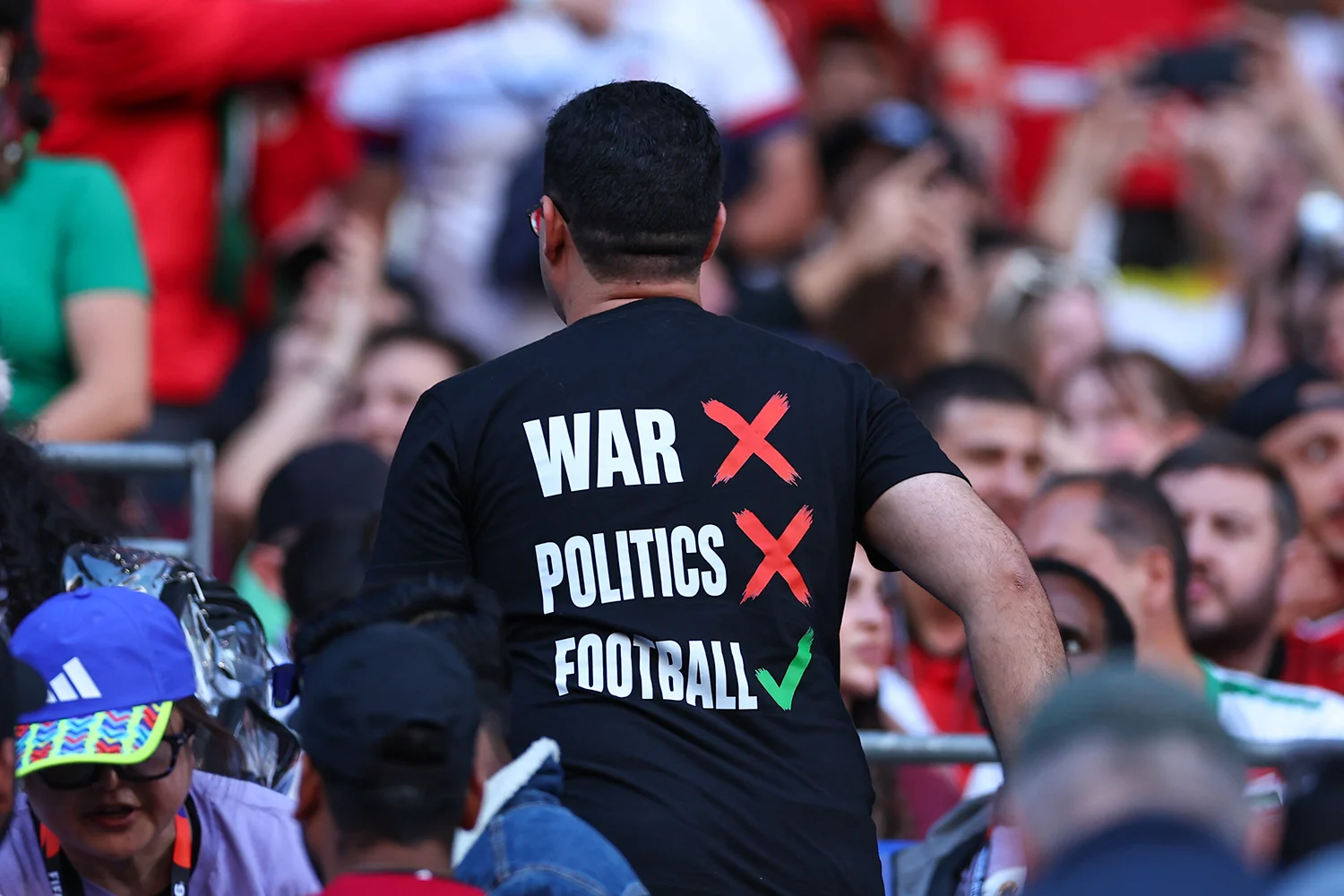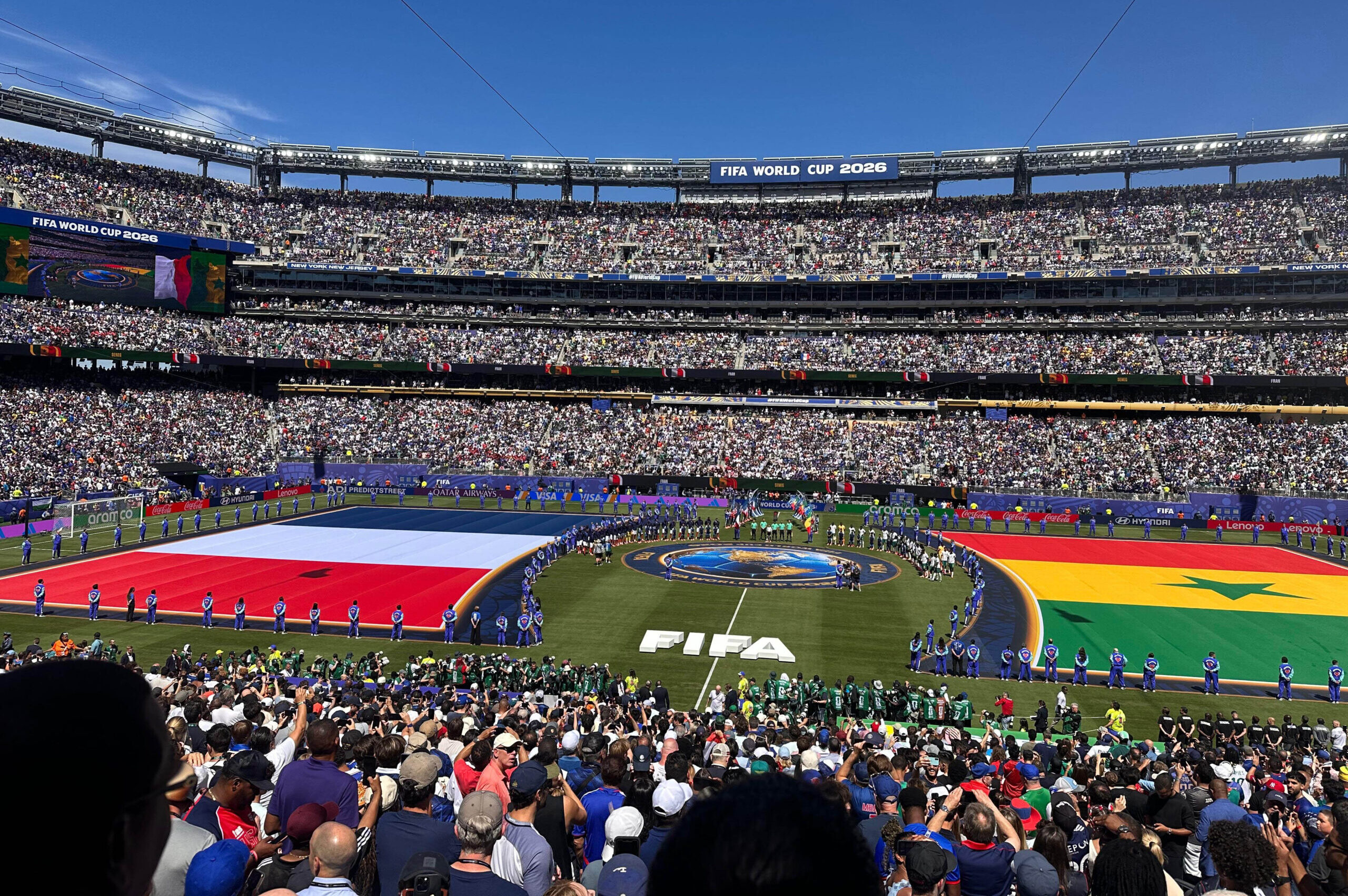
Last week, I was among the eighty thousand fans packing the New York New Jersey Stadium for the FIFA World Cup match between France and Senegal. There, I witnessed yet again the power of sports—something that governments around the world have yet to take advantage of.
When France and Senegal played each other on June 16, it was the first time these two teams faced off since 2002. Then, in Seoul, Senegal had defeated France, the reigning world champion. The match—and, therefore, Senegal’s win—carried much symbolism, since it saw a former colony and its former colonial ruler go head-to-head.
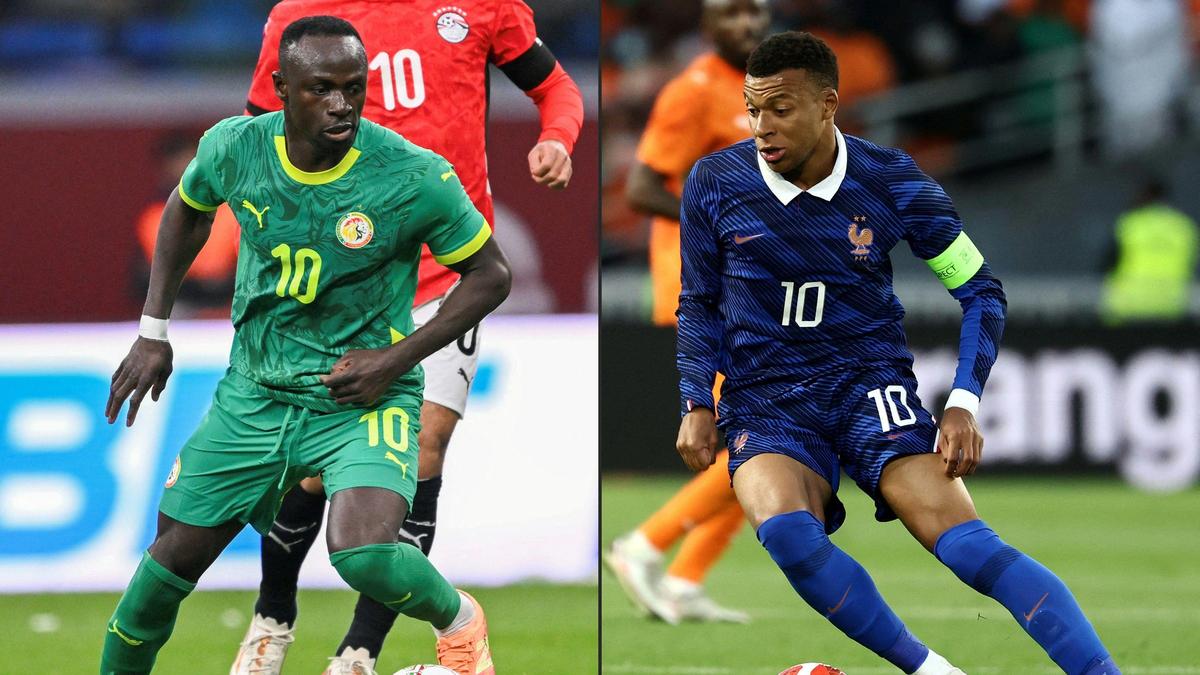
As soon as I arrived in New York, I could see the city was in a sports frenzy. A few days earlier, the Knicks had won the National Basketball Association (NBA) championship for the first time in fifty-three years. I saw a sea of people wearing Jalen Brunson jerseys, but also plenty of fans sporting the jerseys of Kylian Mbappé and Sadio Mané, the French and Senegalese captains, respectively. Fans have argued that France and Senegal’s World Cup group is the toughest in the tournament, labeling it the “Group of Death” based on expectations that Senegal’s team (following a strong performance in the Africa Cup of Nations) is now stronger than the 2002 team, and on France’s formidable appearance in the 2022 World Cup finals. Thus, tensions were high.