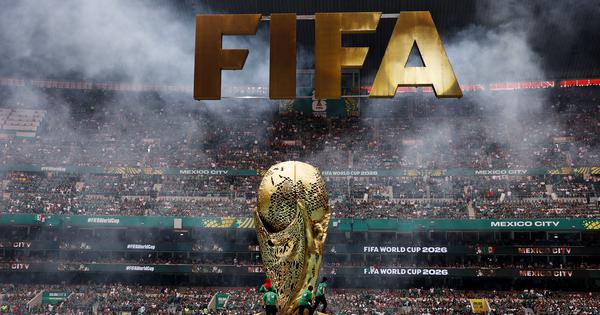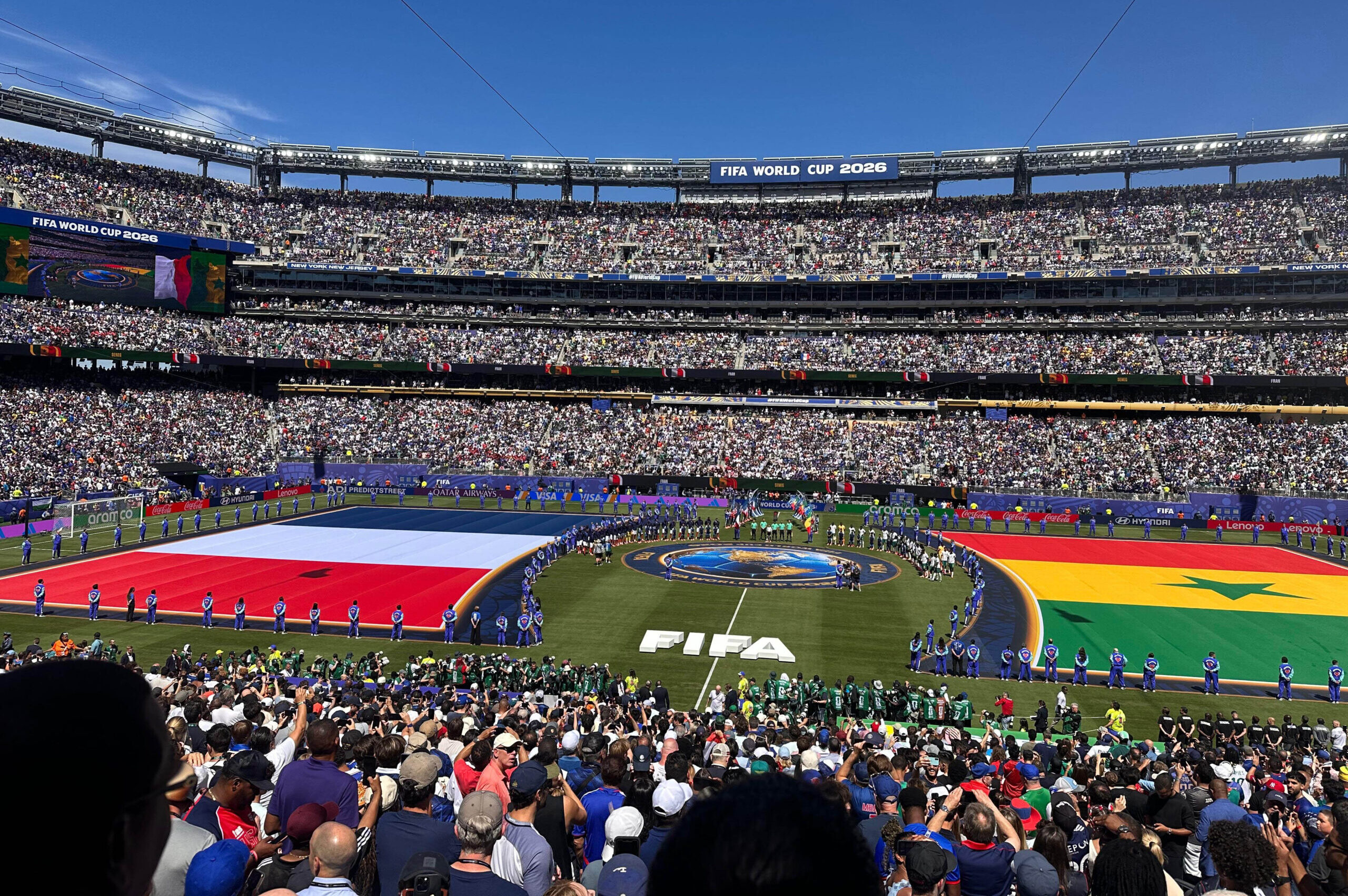
On an idyllic spring day this year, diplomats gathered in the United Nations garden to kick around a soccer ball. In anticipation of the FIFA Men’s World Cup and in honor of U.N. World Football Day, they organized an informal soccer tournament, with teams representing Africa, Asia, Europe, and Latin America going head-to-head.
Trading their suits and ties for shorts and jerseys, many diplomats extolled the potential of sports to inspire cooperation. “Conflicts and wars are not solved by sports, but sports diplomacy is a very important thing,” said Ricklef Beutin, the U.N. ambassador for Germany, which hosted a beer-and-bratwurst party for the U.N. tournament. “Sports opens up minds and unites people.”
In June, the U.N. convened a serious meeting on sports diplomacy with business leaders and academics. Now, with the World Cup in full swing, diplomats are gathering for watch parties in the delegates’ lounge at U.N. headquarters, viewing games on screens sponsored by the U.S. mission.
Sports diplomacy is having a moment that in modern terms might be seen as a successor to the so-called ping-pong diplomacy that ushered in a thaw in U.S.-China relations in the 1970s—yet the concept is at least as old as the ancient Olympic Games. It’s usually seen as a form of “soft power,” a term coined by Joseph S. Nye Jr. in Foreign Policy that describes the ability to influence others through persuasion.