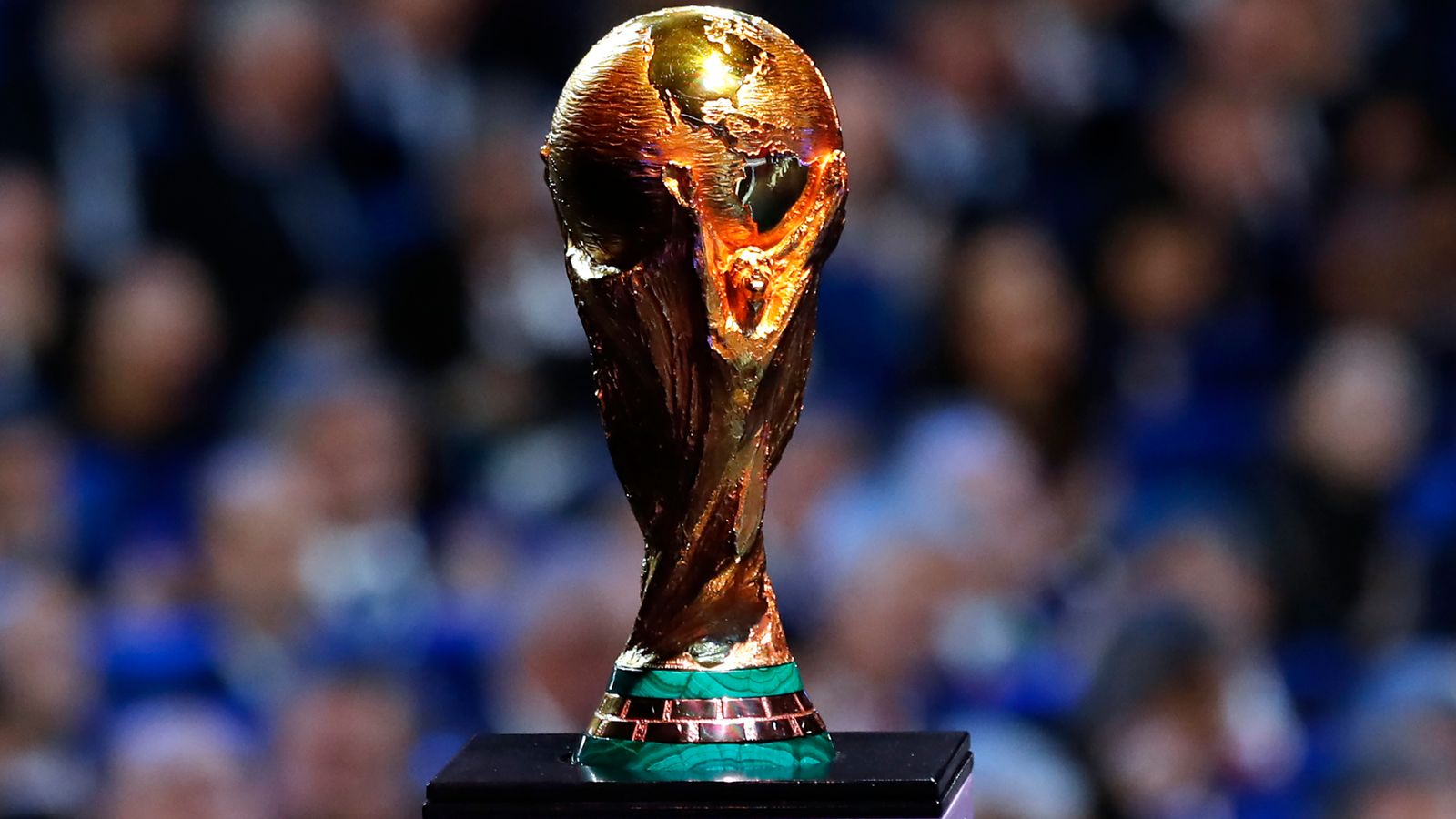
As geopolitical tensions continue to shape global discourse, from instability in the Middle East and concerns surrounding the Strait of Hormuz to growing strategic rivalries among major powers, the world is increasingly searching for common ground that transcends politics, ideology, and national interests. Amid these uncertainties, the 2026 FIFA World Cup offers a reminder that sports remain one of humanity’s most powerful tools for diplomacy, international cooperation, and cultural exchange.
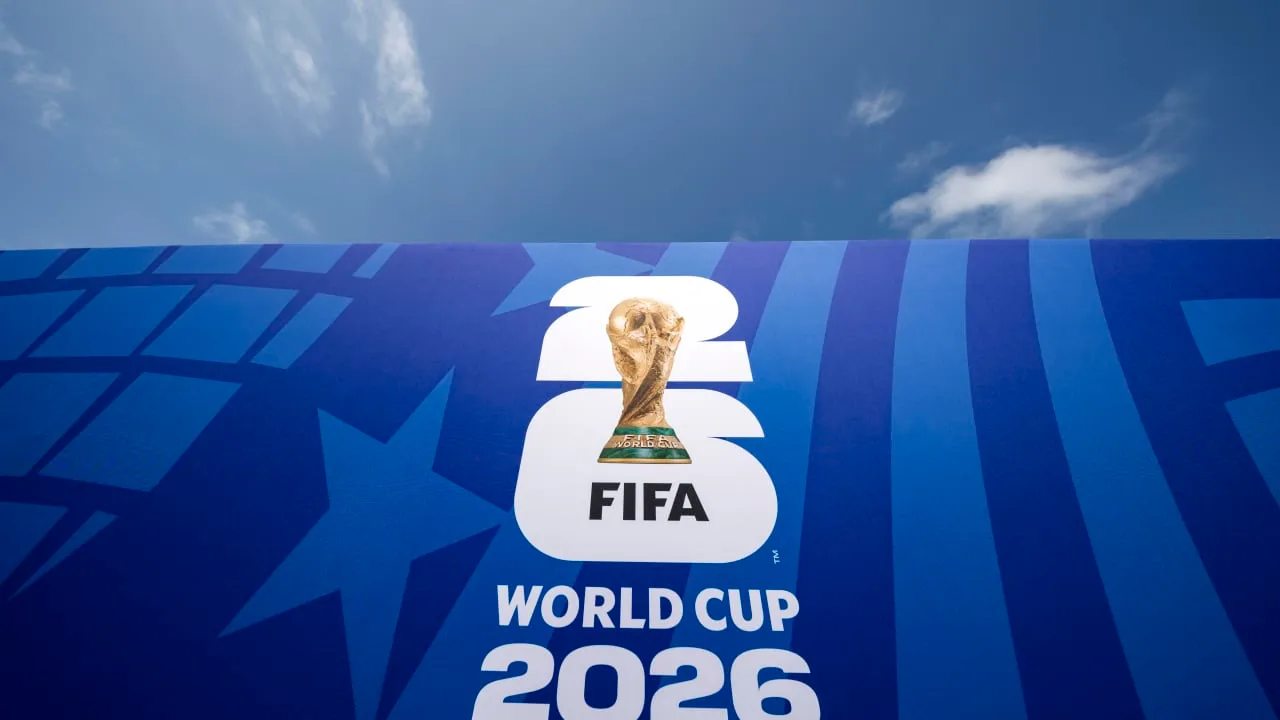
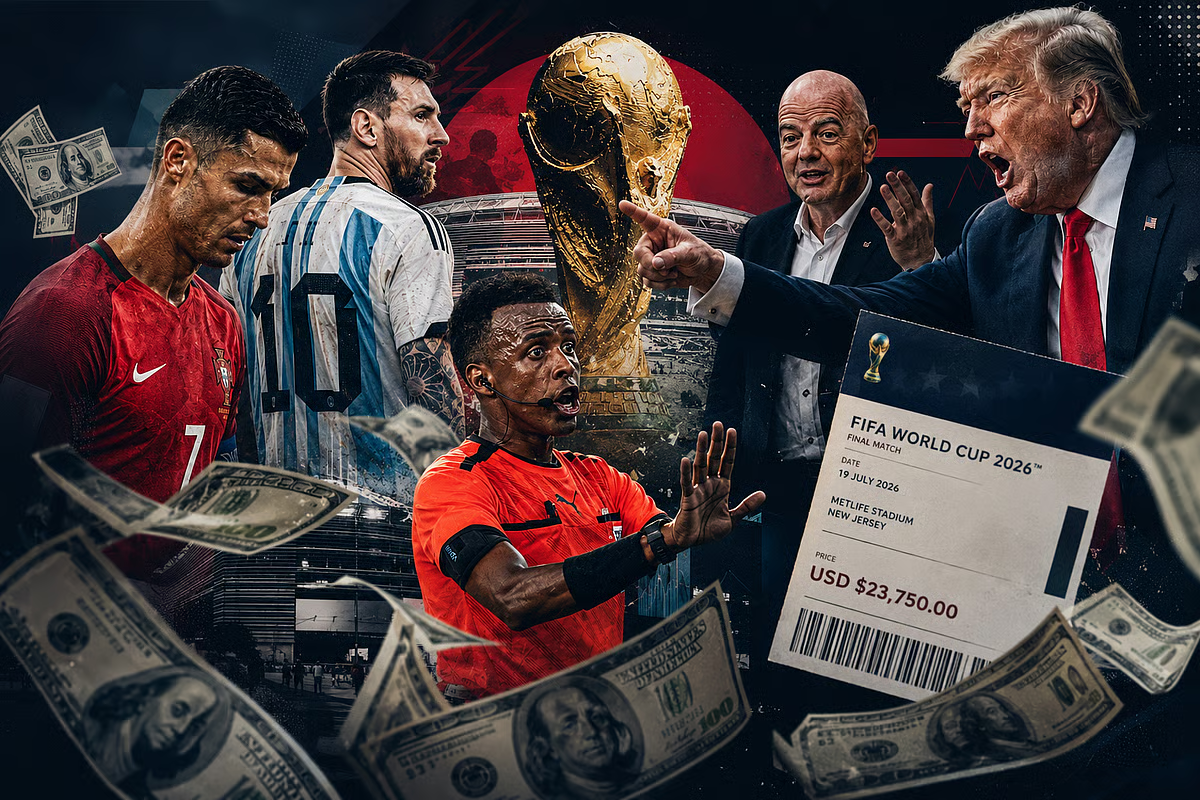
Scheduled to kick off in Mexico City on June 11, 2026, the tournament will be historic in multiple respects. For the first time, 48 nations will compete, and for the first time, three countries, the United States, Canada, and Mexico, will jointly host the competition. While attention often focuses on tourism revenues, infrastructure development, and job creation, the deeper significance lies in the tournament’s ability to bring nations together in ways that formal diplomacy often struggles to achieve.
Sports have long served as an informal channel of international relations. Decades before the concept of “soft power” became widely used, sporting exchanges were already easing tensions and building trust among nations. The most cited example remains “Ping Pong Diplomacy” in the 1970s, when table tennis exchanges between the United States and China helped open channels of communication and contributed to the normalization of relations.