…Example of Rwanda leveraging football for nation’s marketing
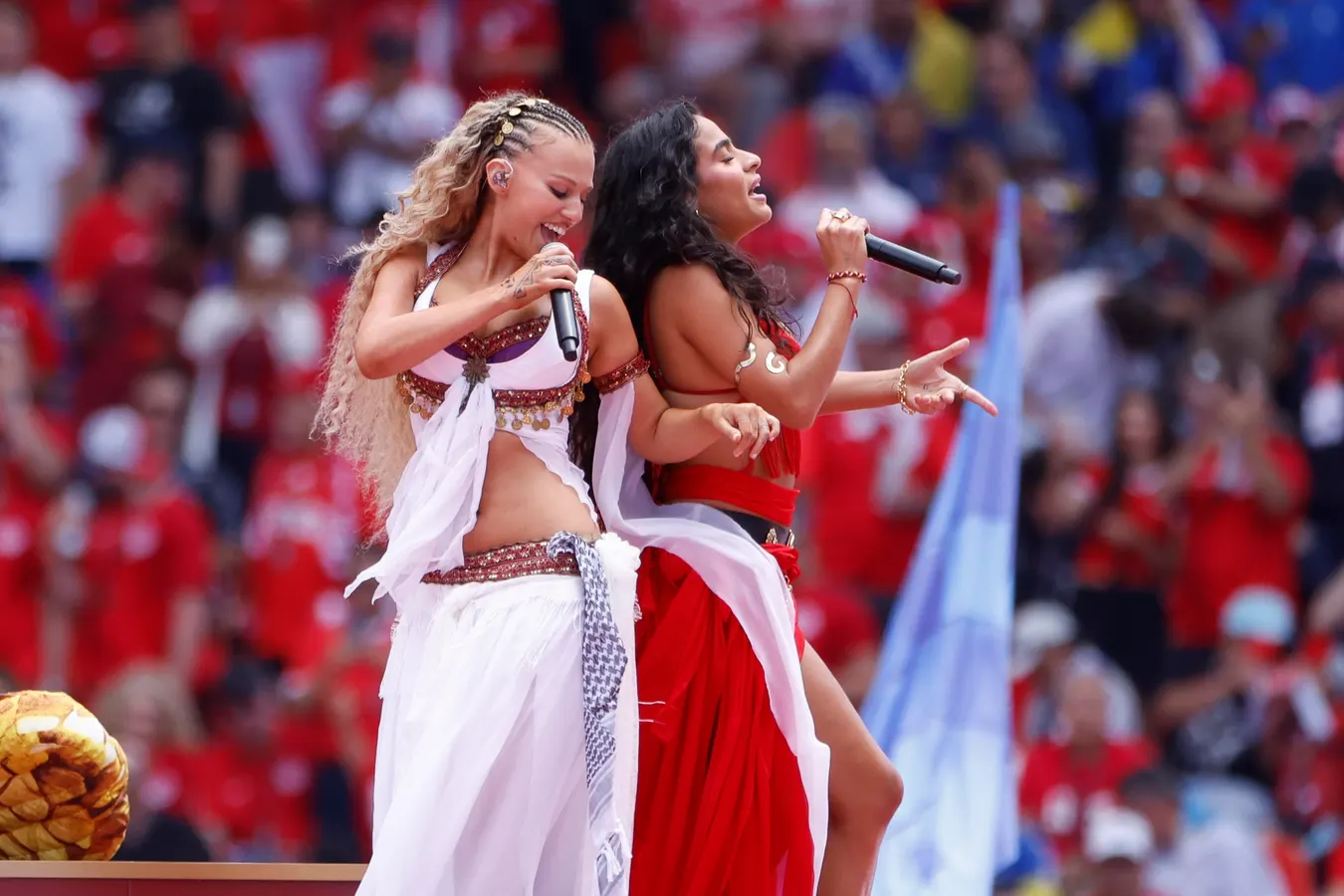
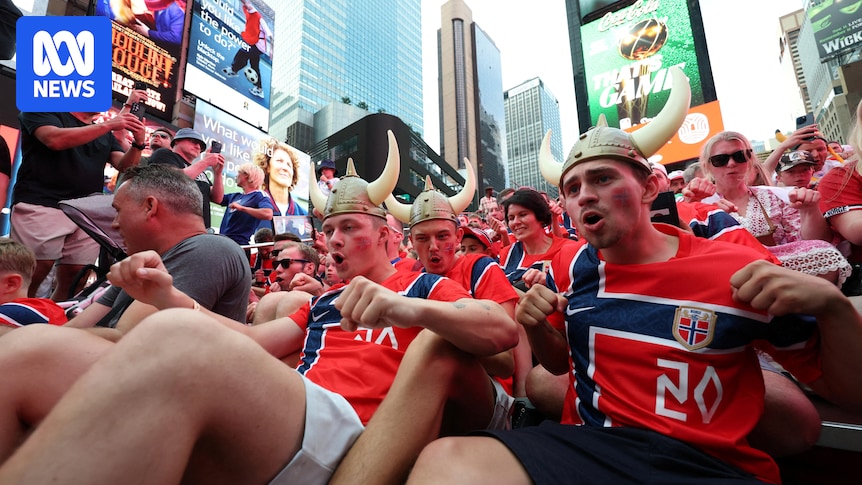
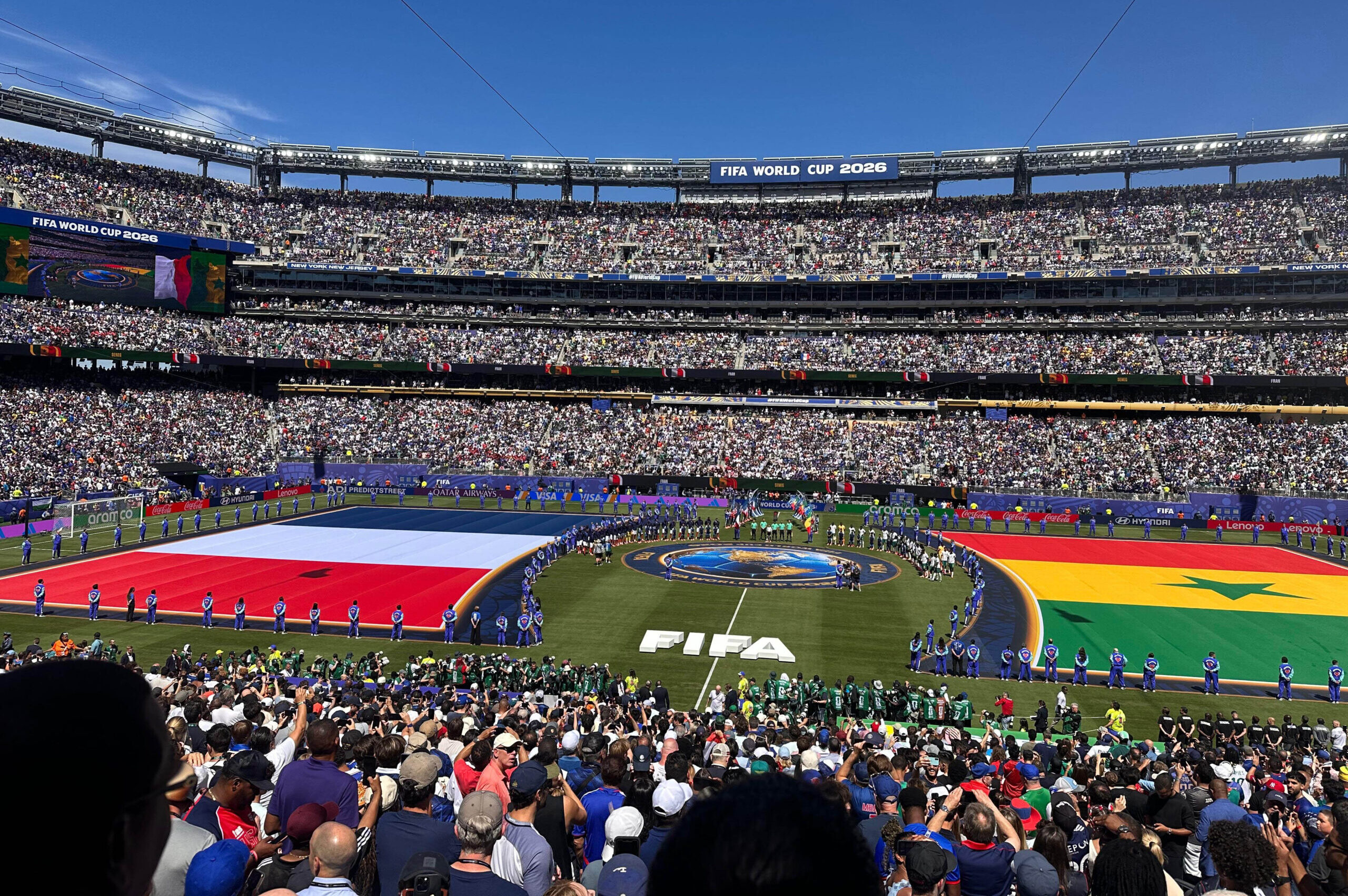
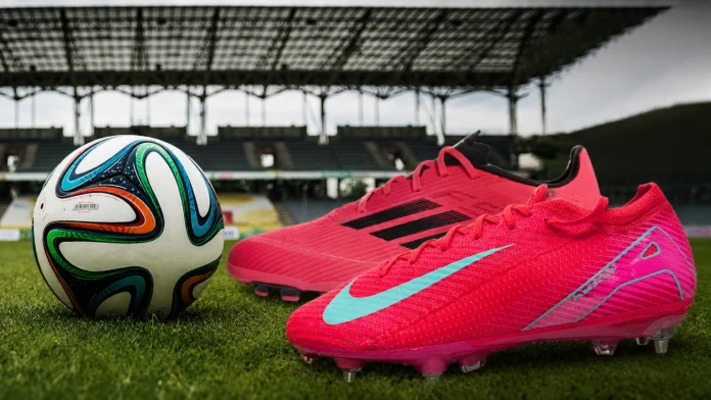
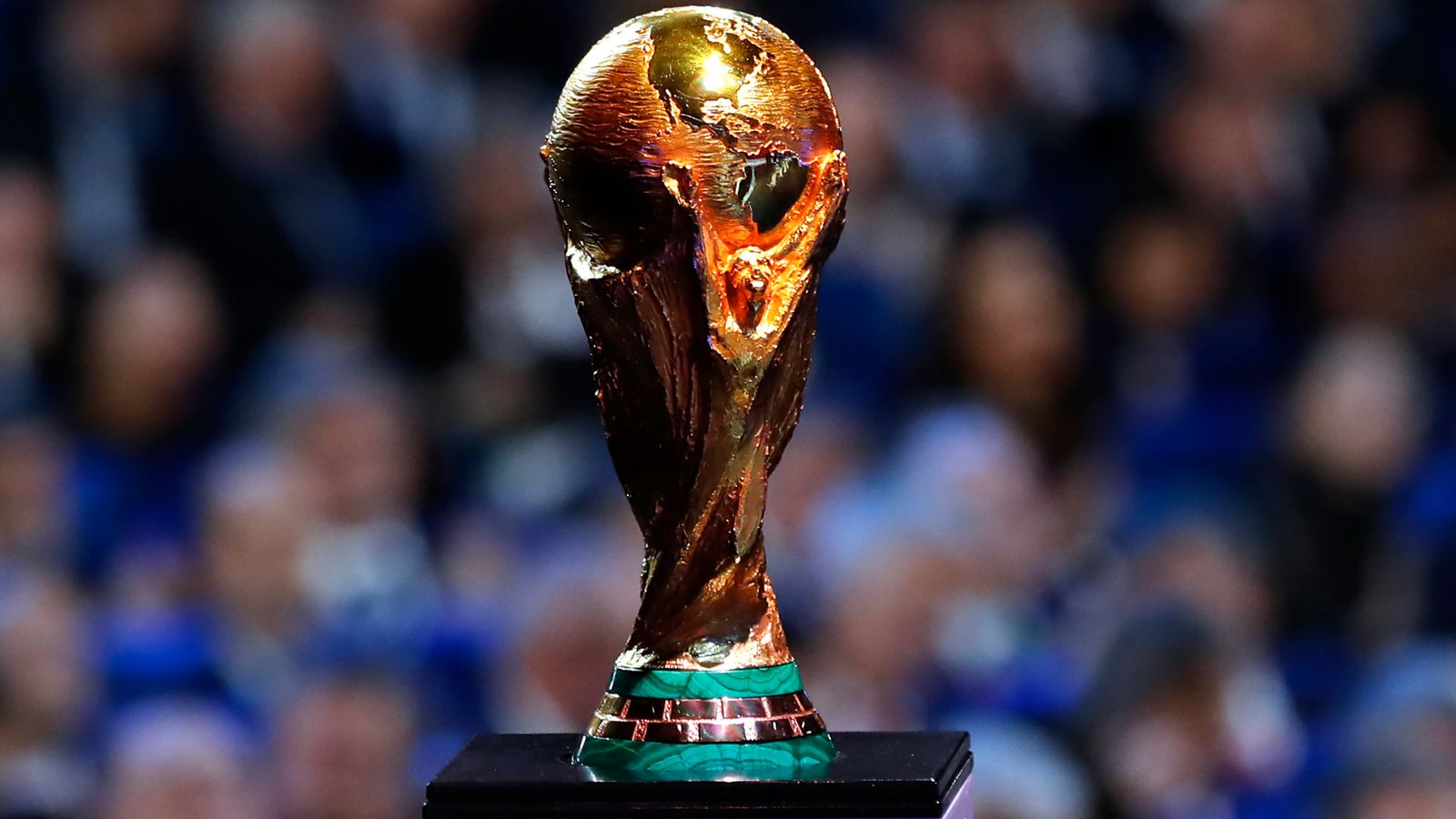
The FIFA World Cup stands as football’s ultimate spectacle, a quadrennial global festival that unites nations and captivates billions. First held in 1930 in Uruguay, where the hosts triumphed in a 13-team tournament, the competition has grown into a powerhouse event featuring 48 teams in its 2026 edition in North America.
Brazil leads with five titles, followed by Germany and Italy with four each. Argentina claimed the 2022 crown.
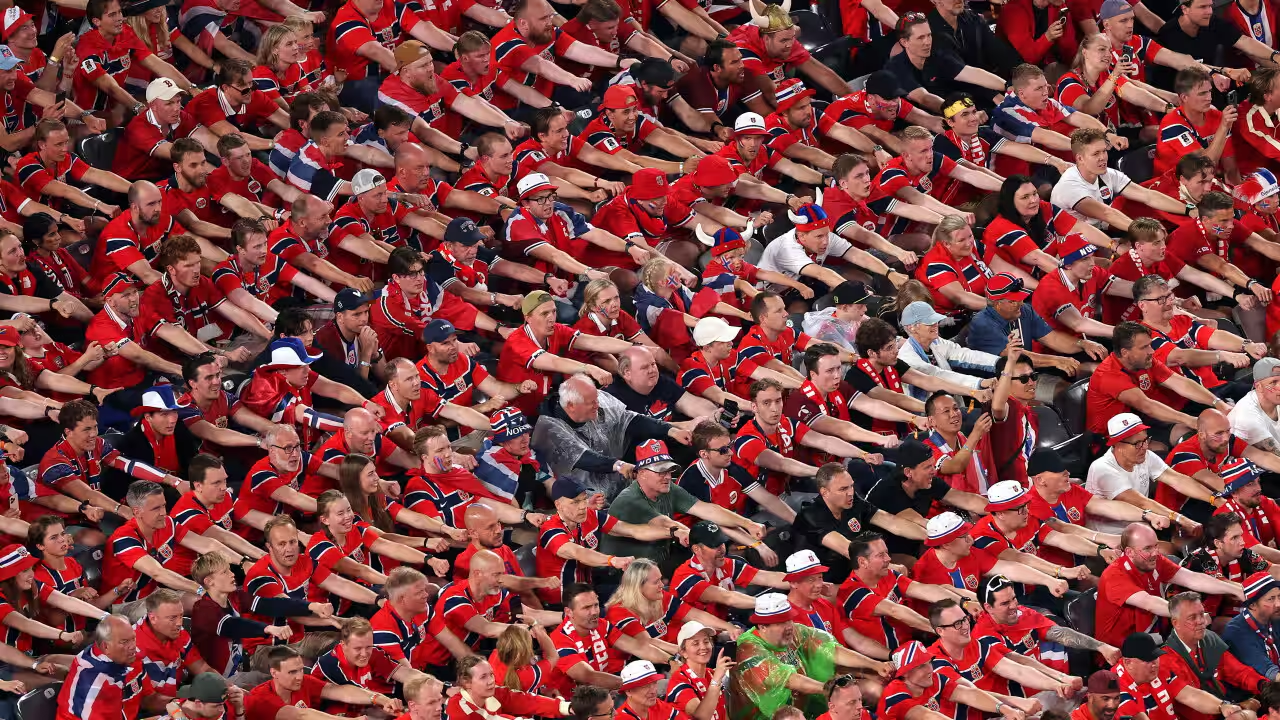
Beyond the on-pitch drama, the World Cup embodies far more than sport—it’s a colossal business engine driving sponsorships, broadcasting rights, and national branding worth billions.
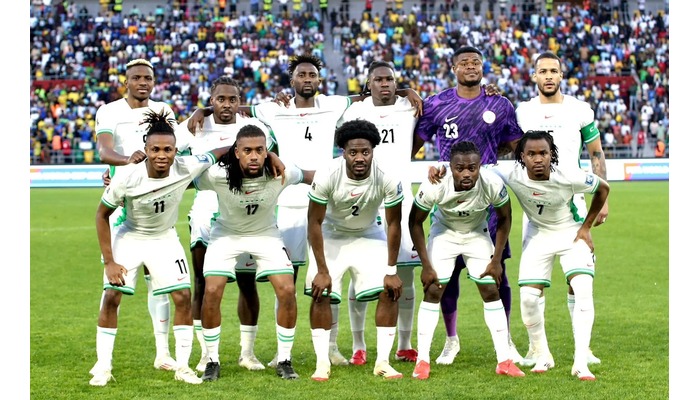
Today, football transcends the pitch to become a high-stakes industry. It generates enormous economic value for stakeholders through broadcasting deals, merchandising, tourism, and endorsements. Nigeria’s Super Eagles have graced the World Cup stage multiple times, producing icons like Jay-Jay Okocha, Ahmed Musa, Nwankwo Kanu, Vincent Enyeama, and more recent talents. Yet, while the nation celebrates these heroes during tournaments, their potential for diplomatic assets remains vastly underutilized.