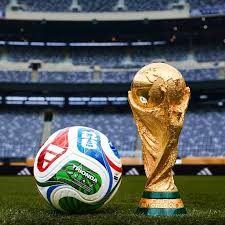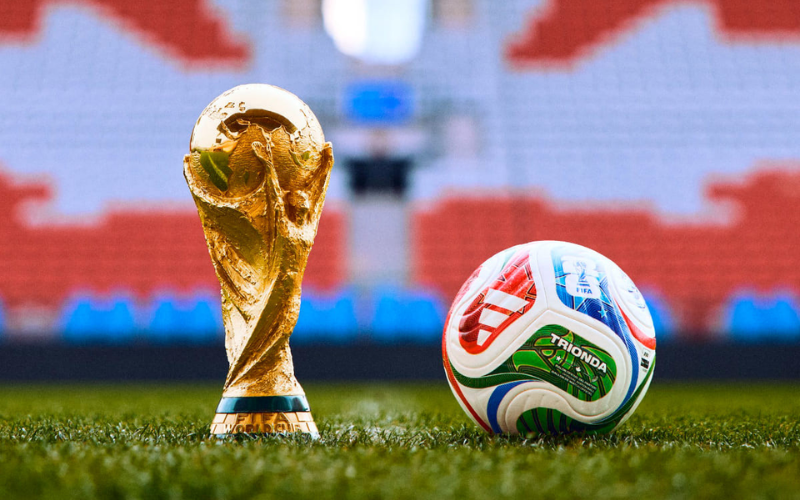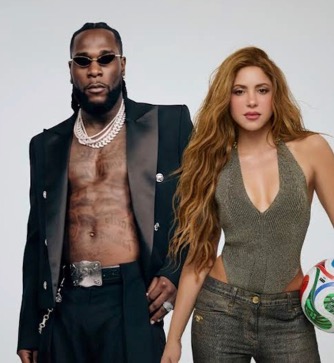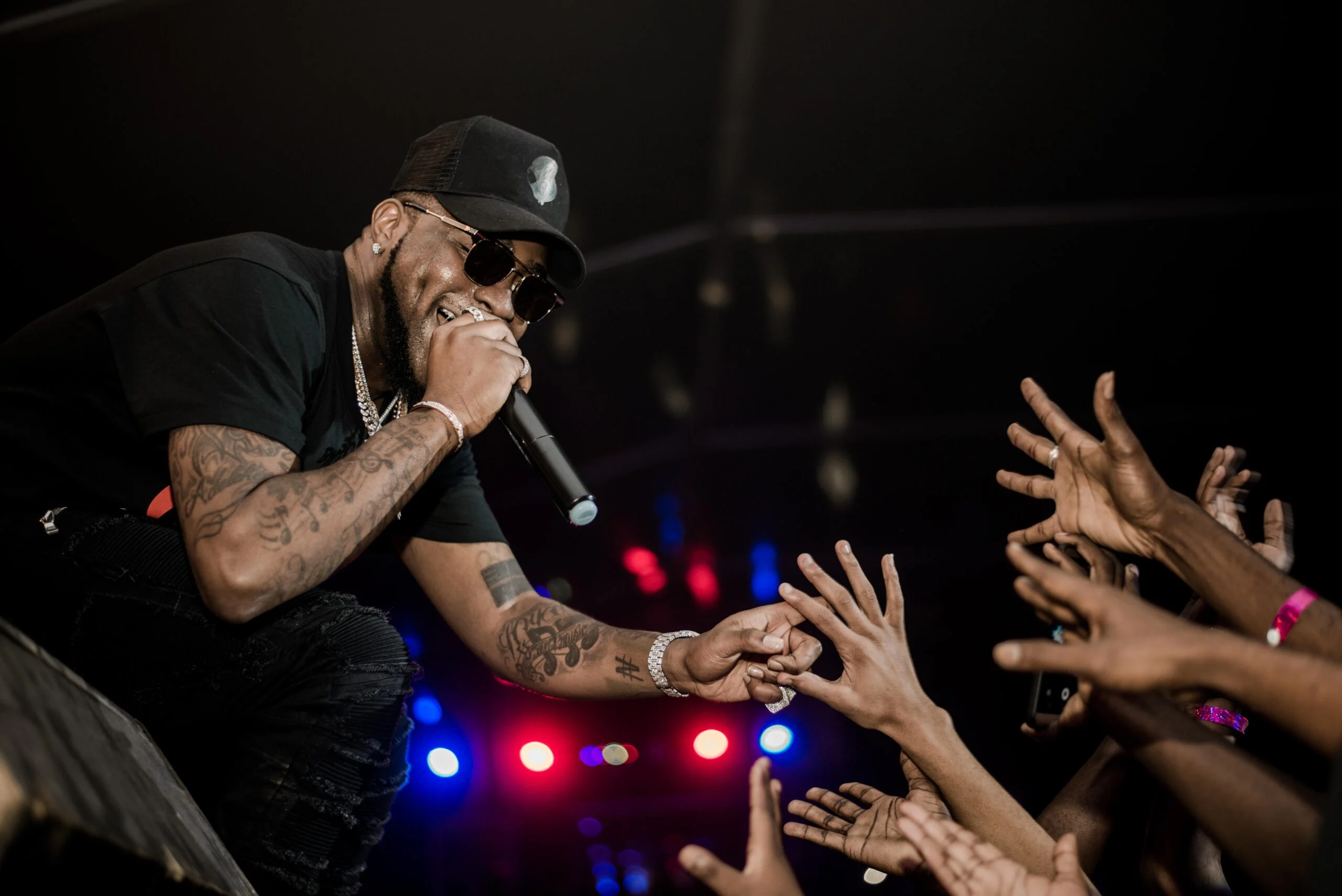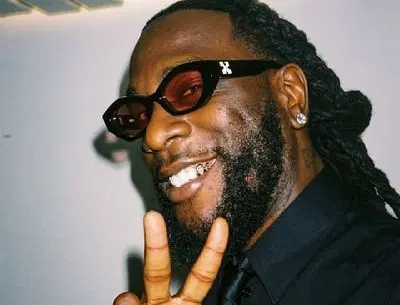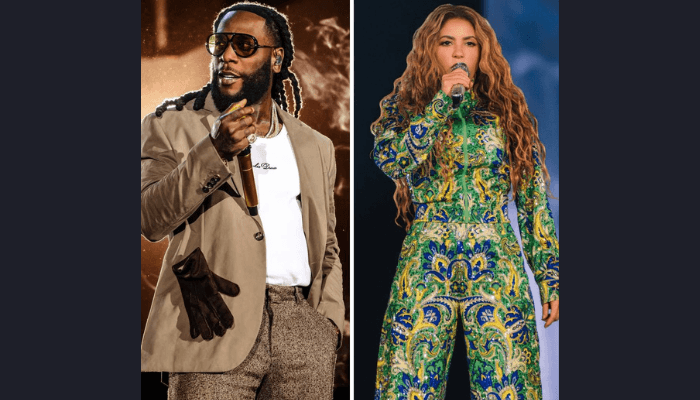
The 2026 FIFA World Cup presented Nigeria with two contrasting realities. On one hand, the nation shined in global acclaim as Afrobeats superstar Burna Boy headlined the opening ceremony and the first-ever World Cup final half-time show, further cementing Nigeria’s reputation as a global cultural powerhouse. On the other hand, the nation’s football team, the Super Eagles, watched the tournament from home after failing to qualify for a second consecutive time.
The irony was impossible to ignore, as Nigeria’s music was centre stage at the world’s biggest sporting event, but its football was absent. It is a story of private excellence overshadowing public failure, one that should provoke reflection rather than celebration alone.
The rise of Afrobeats deserves every piece of applause. What began as a local sound has evolved into one of the world’s fastest-growing music genres. Nigerian artists now command international audiences, headline major global events, collaborate with the biggest names in entertainment, and generate billions of streams across digital platforms.
This success did not happen by accident. Unlike many government-driven sectors, Afrobeats flourished largely through private initiative, creativity, resilience and entrepreneurship. Artists invested in themselves, embraced digital technology, built global partnerships and competed on merit. Record labels, managers, producers and streaming platforms created an ecosystem that rewarded talent and innovation.