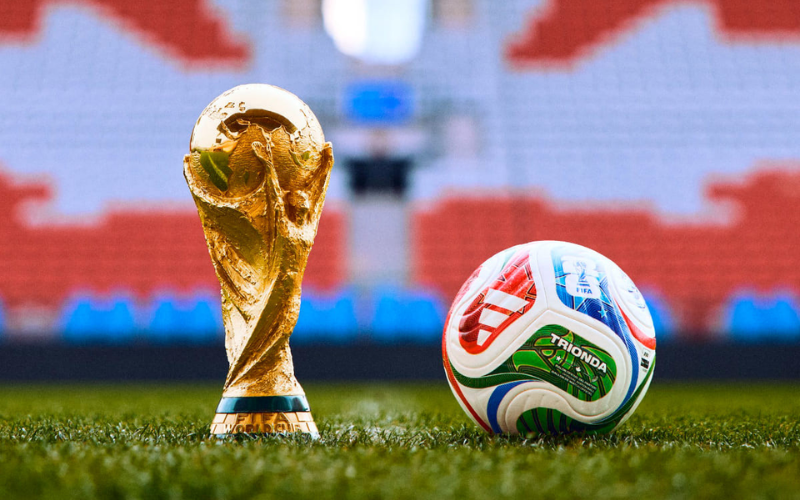
The World Cup will be an interplay of history, memory, identity, athletic ability, and entertainment, writes CHIDI ANSELM ODINKALU
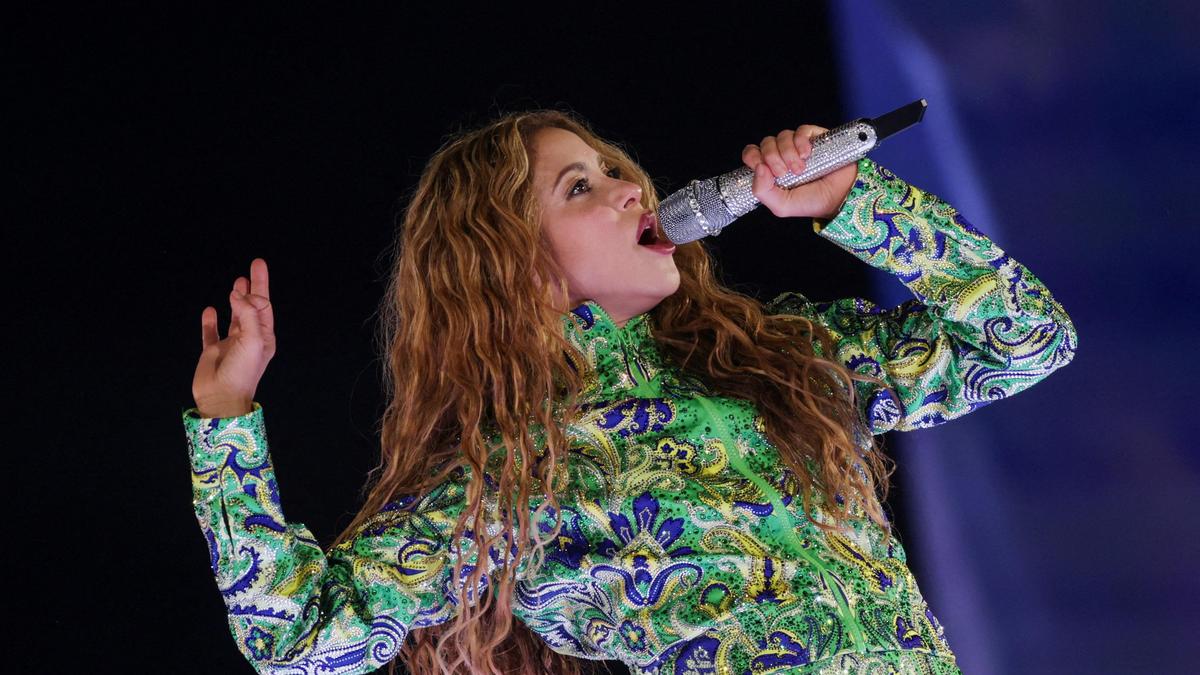
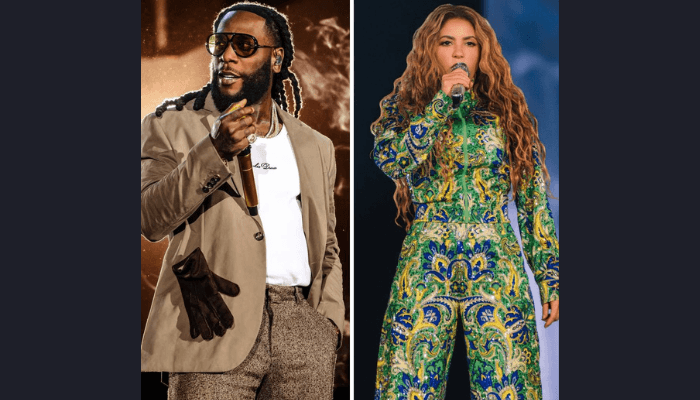
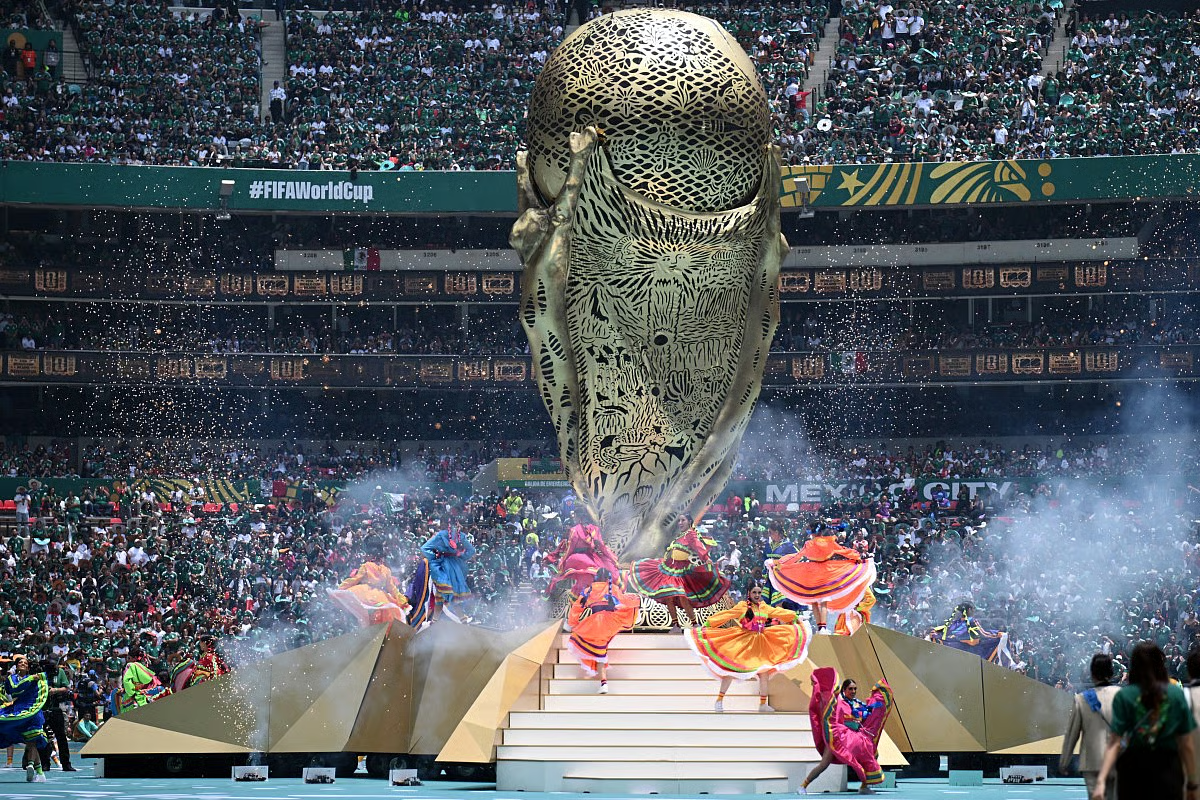
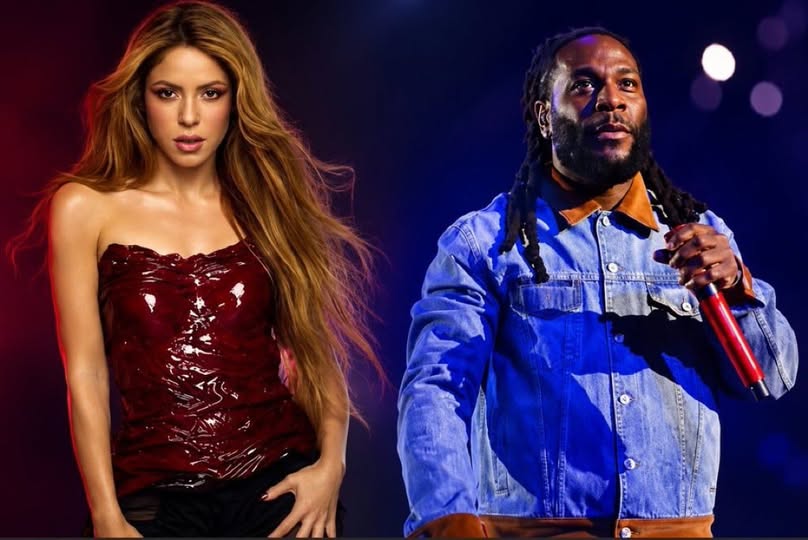
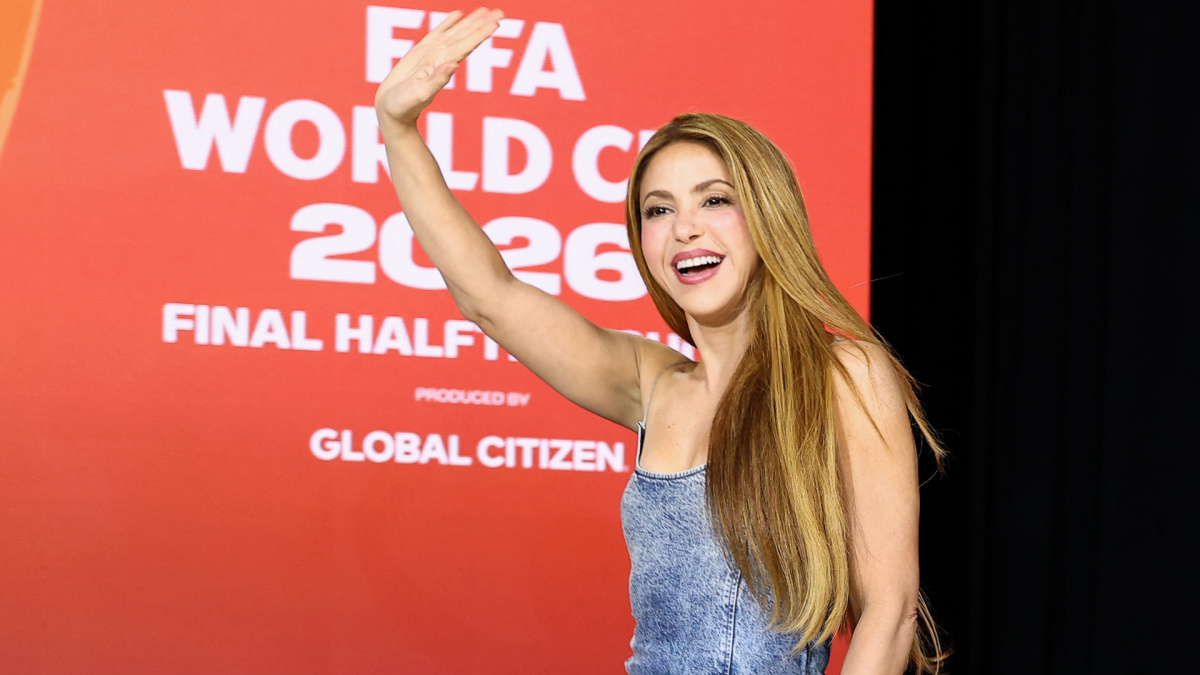
When the FIFA World Cup kicks off on June 11, Nigeria will be on the menu but not as a competitor. Nigerian musician, Burna Boy, will headline the opening ceremony in a duet with Colombian superstar, Shakira, who will be performing for whom this will be a second appearance at the opening of the World Cup. Her first was at the 2010 edition in South Africa.
Despite challenging trade and diplomatic relations between them, Canada, Mexico, and the United States will jointly host the tournament. This will be only the second time in its history that the World Cup will be shared among joint hosts. South Korea and Japan did so in 2002.
This year’s tournament occurs in a time of profound uncertainty and serious questions as to the future of international peace and security. It could also be a showcase for coexistence in a time of global fragility.
To be sure, awkward political and diplomatic subtext have never been far from the World Cup. Uruguay hosted the first edition in 1930 at the onset of the Great Depression. Underscoring an anti-colonial subtext, Montevideo’s Estadio Centenario, venue of the final match, was built to commemorate 100 years of Uruguay’s independence from Spain in 1830. Spain kept away.