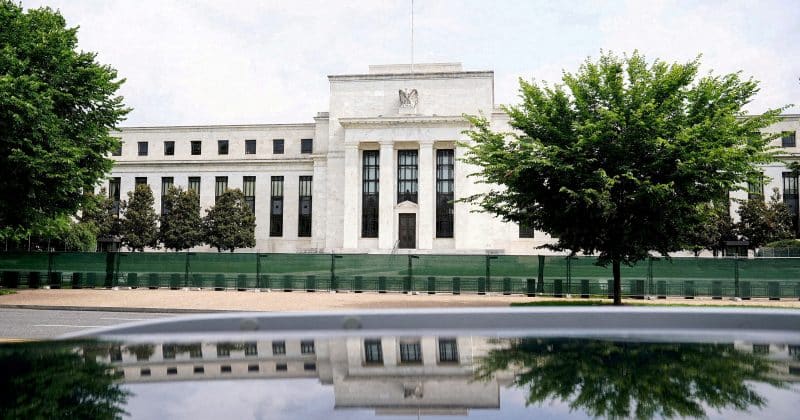
Every year, the Federal Reserve runs what amounts to a financial fire drill. It conjures a nightmare economic scenario, points it at the country’s biggest banks, and asks: would you survive? The 2025 results, released on June 27, are in, and the answer is a cautious yes.
The Fed tested 22 large US banks against a severely adverse hypothetical recession and found they would collectively absorb more than $550 billion in losses while still staying above required capital thresholds. The banks, under this scenario, would keep lending. The system, at least on paper, holds.
Where the losses come from
The breakdown tells you a lot about where modern financial risk actually lives. Credit cards lead the damage, with projected losses of $158 billion. Commercial and industrial loans follow at $124 billion. Commercial real estate, the sector that has kept bank risk officers awake since 2022, accounts for $52 billion in projected losses.
All 22 tested institutions maintained compliance with minimum Common Equity Tier 1 capital requirements throughout the hypothetical downturn. In English: even after absorbing hundreds of billions in losses, the banks held enough of a financial cushion to meet the regulatory floor.