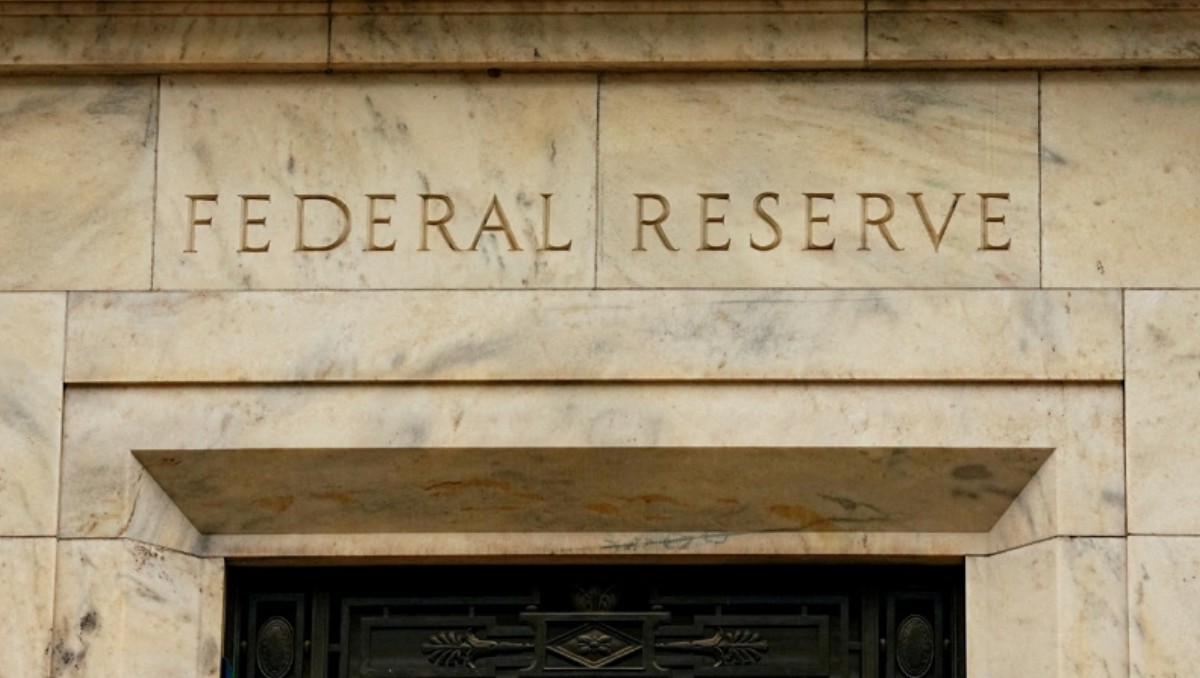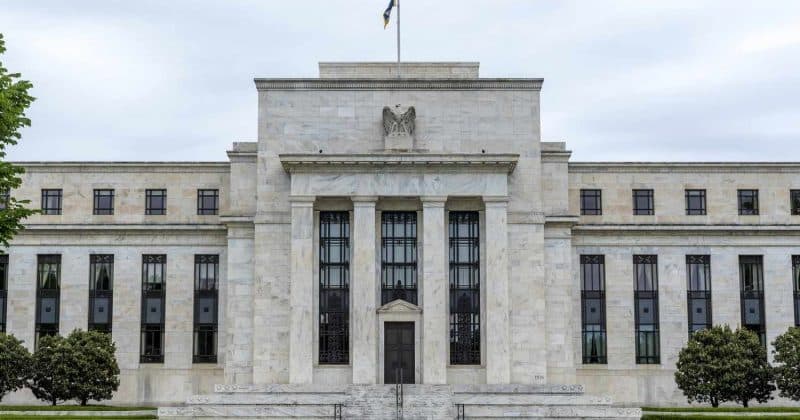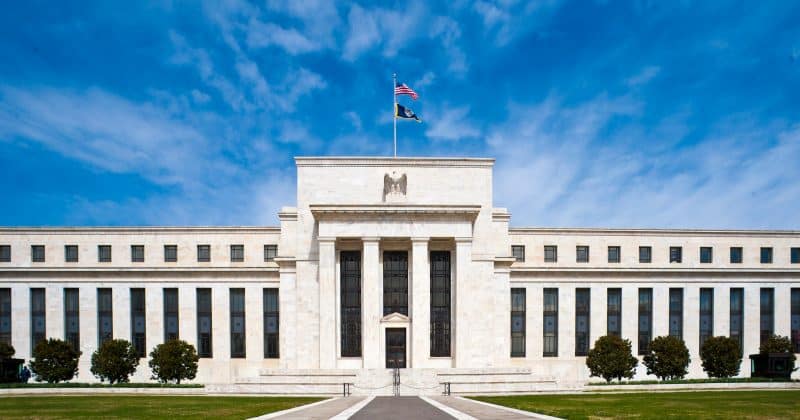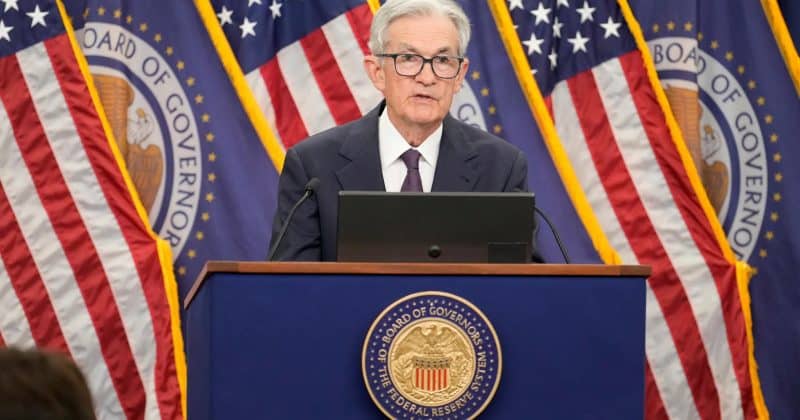
The Federal Reserve will publish the results of its 2026 annual supervisory stress tests on June 24 at 4 p.m. EDT, covering 32 large US banks and bank holding companies with assets of $100 billion or more.
The stress capital buffer requirements for these banks are currently frozen and will remain so at least until 2027. The Fed is in the middle of reviewing and revising its stress-testing models after soliciting public feedback on transparency concerns. So while the results will tell us a lot about how prepared major banks are for economic catastrophe, they won’t trigger any immediate regulatory consequences.
What the test actually measures
The severely adverse scenario the Fed designed for this year’s tests includes commercial real estate prices collapsing by roughly 39%, house prices dropping around 30%, equity markets cratering by approximately 58%, and the VIX spiking to 72.
For context, the VIX hit around 82 during the March 2020 pandemic panic, the highest reading in the index’s history. A scenario with a VIX at 72 is essentially asking banks: could you survive a near-worst-case meltdown without needing a government lifeline?