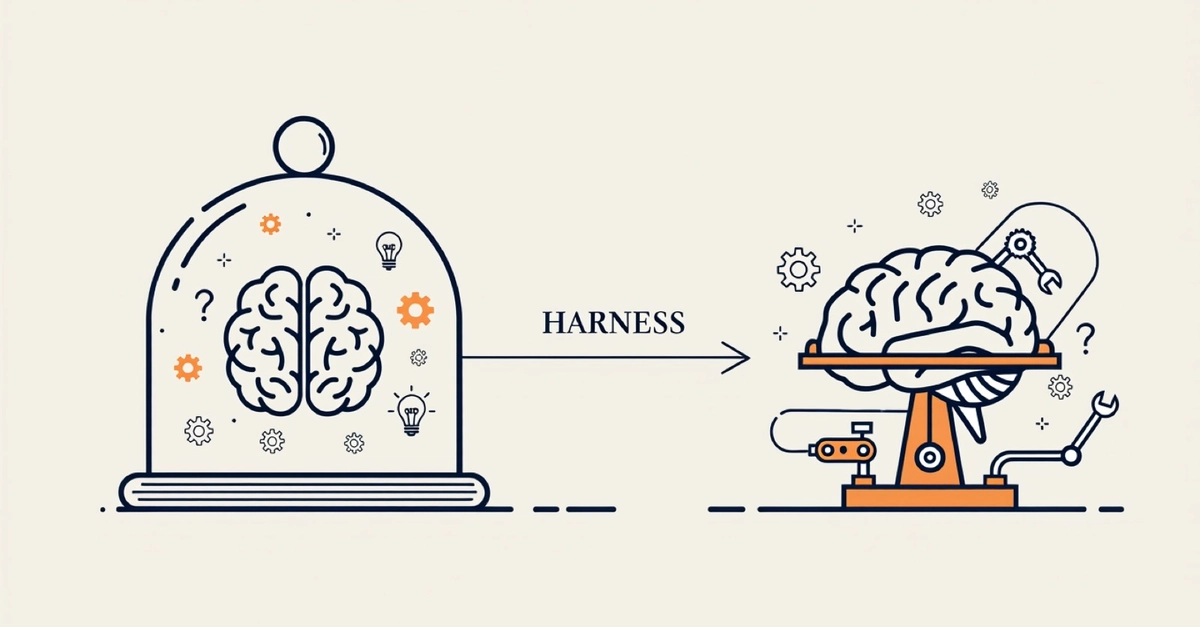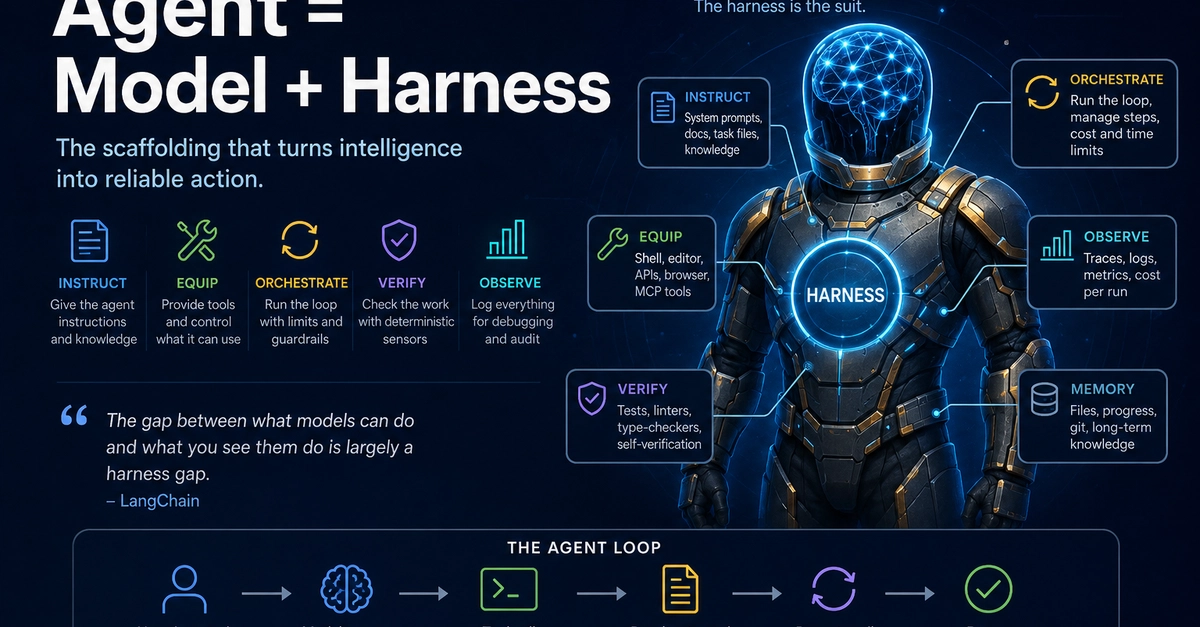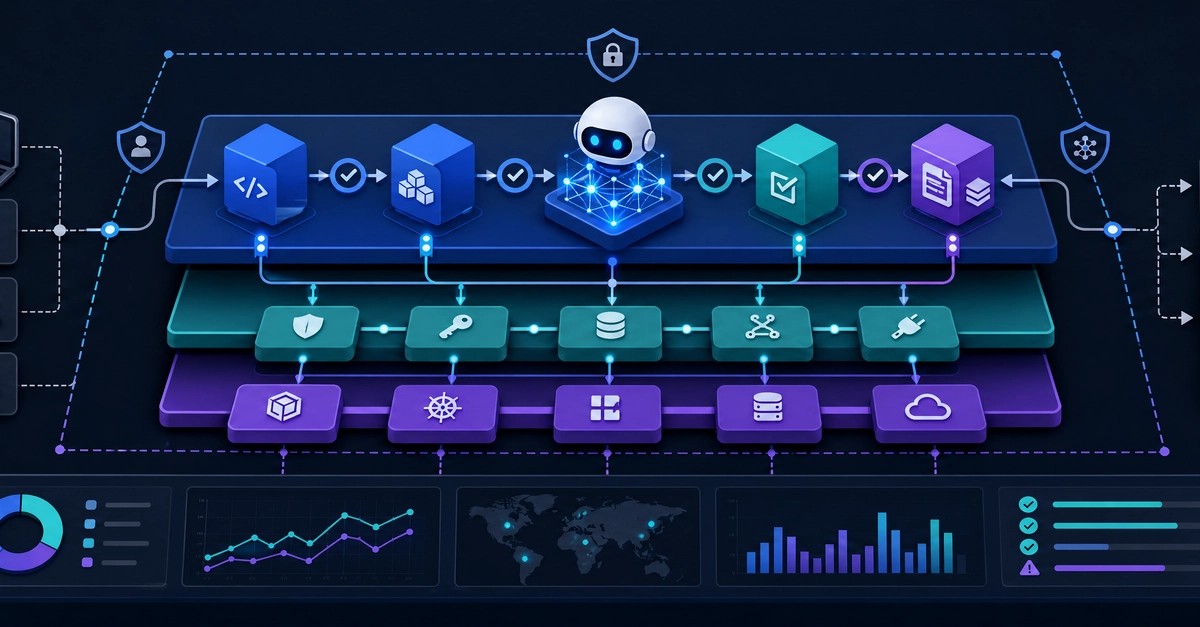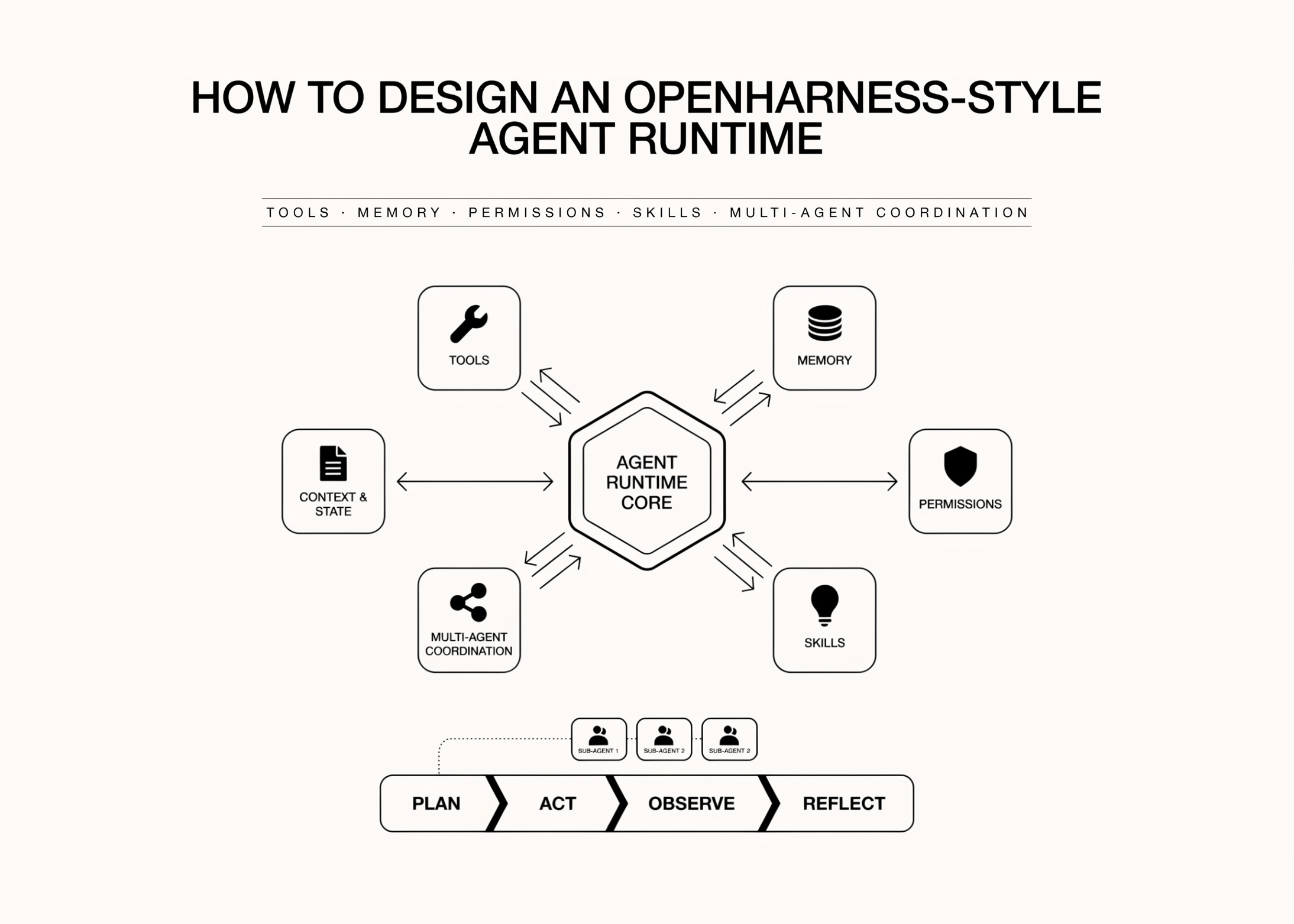
In this tutorial, we build OpenHarness from scratch to better understand how a practical agent harness works. We recreate the major building blocks that make an agent system useful, including tool use, typed tool schemas, permissions, lifecycle hooks, memory, skills, context compaction, retry logic, cost tracking, and multi-agent coordination. Instead of treating an agent framework as a black box, we expose the full control flow and watch how the harness receives a user task, lets the model decide the next action, validates and executes tool calls, returns observations, and continues the loop until the task is complete. We also keep the implementation runnable so we can experiment with the architecture without needing API keys or complex infrastructure.
Setting Up the OpenHarness Core
from __future__ import annotations
import asyncio
import contextlib