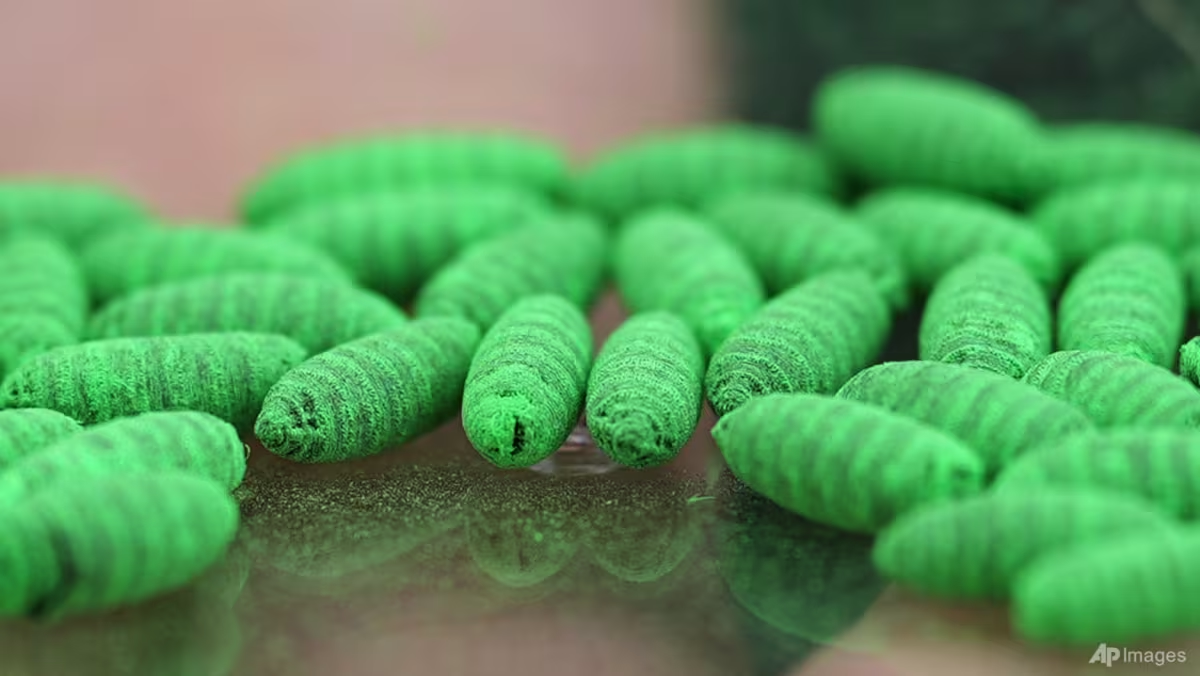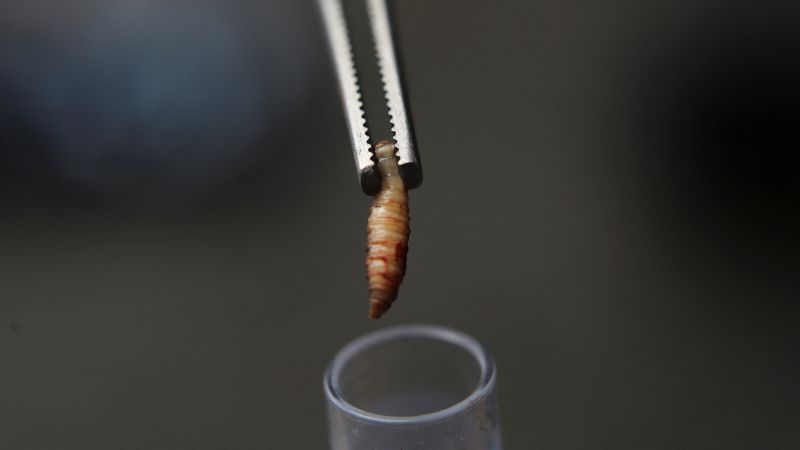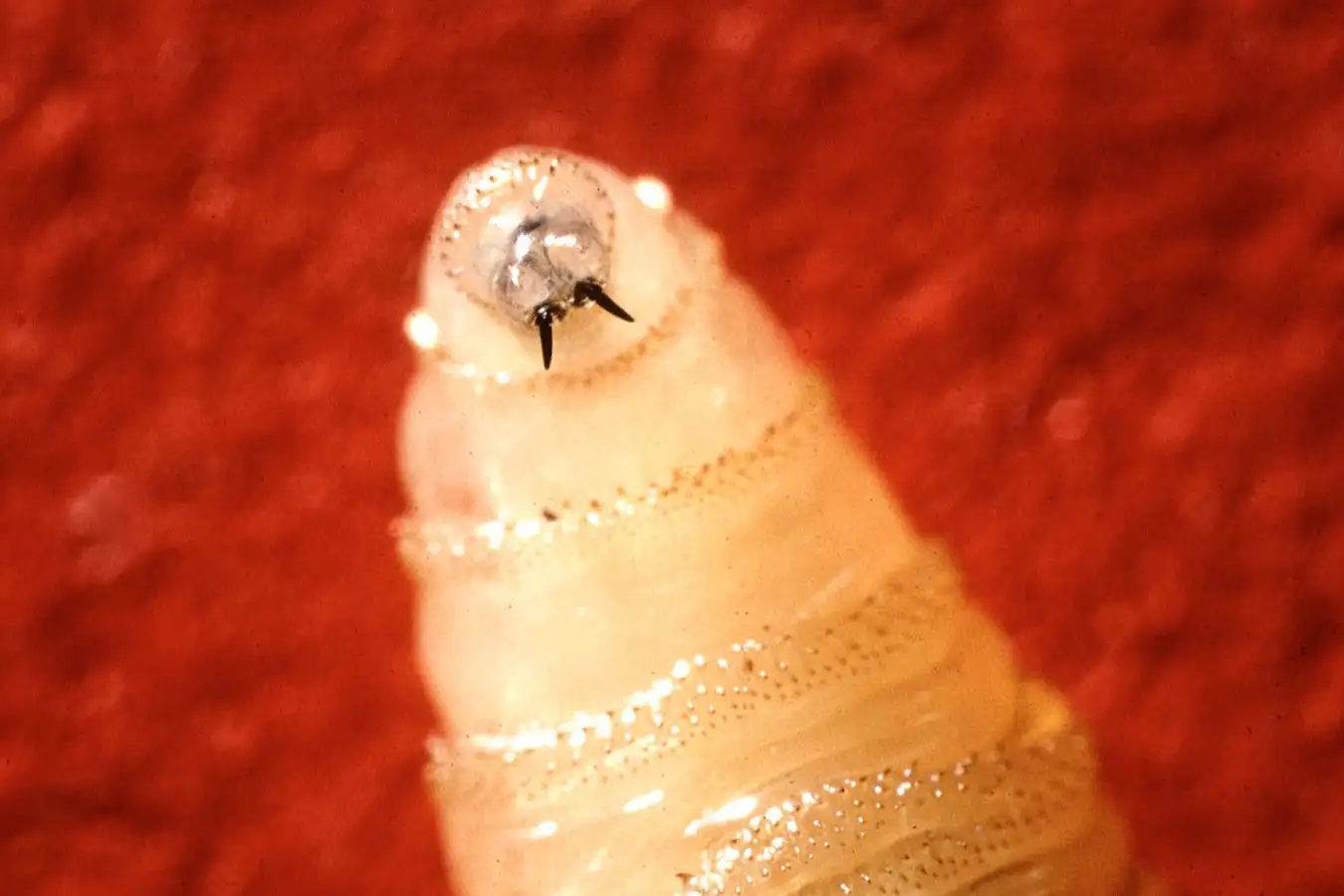
Tusk-like mandibles protrude from a screwworm larva’s mouthScott Camazine/Alamy
In a few cases, the extinction of a species would be a good thing. That’s a controversial opinion, but I do think the world would be better off, for instance, without malaria-spreading mosquitoes.
We now have the genetic technology to achieve this, in the form of extinction drives – more accurately called gene drives – that can defy evolution and spread harmful traits throughout a population. Unfortunately, it doesn’t look like this technology will be deployed against malaria-carrying mosquitoes any time soon. Instead, Kevin Esvelt at the Massachusetts Institute of Technology, the biologist who created the first CRISPR-based gene drive, thinks the screwworm (Cochliomyia hominivorax) will be the first in line.
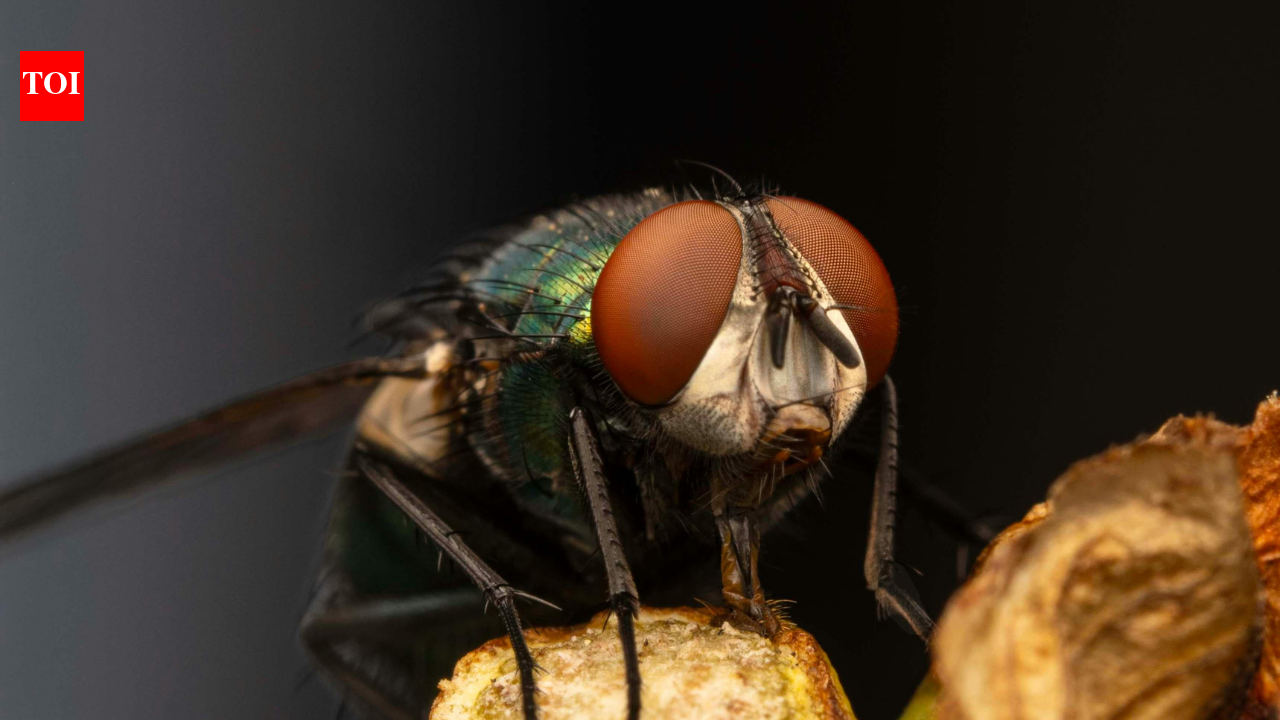
“The one that I would bet on is the New World screwworm, that nasty bot fly that’s now been found a couple times in Texas,” says Esvelt. “It’s even more hated than malaria mosquitoes, if you can believe that.”
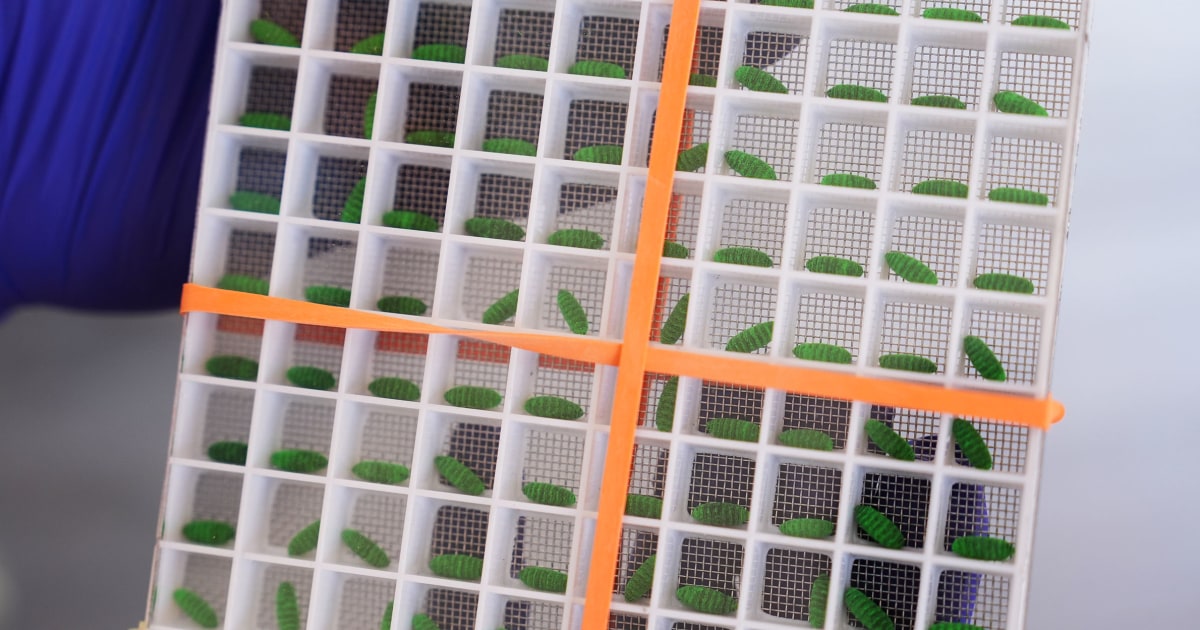
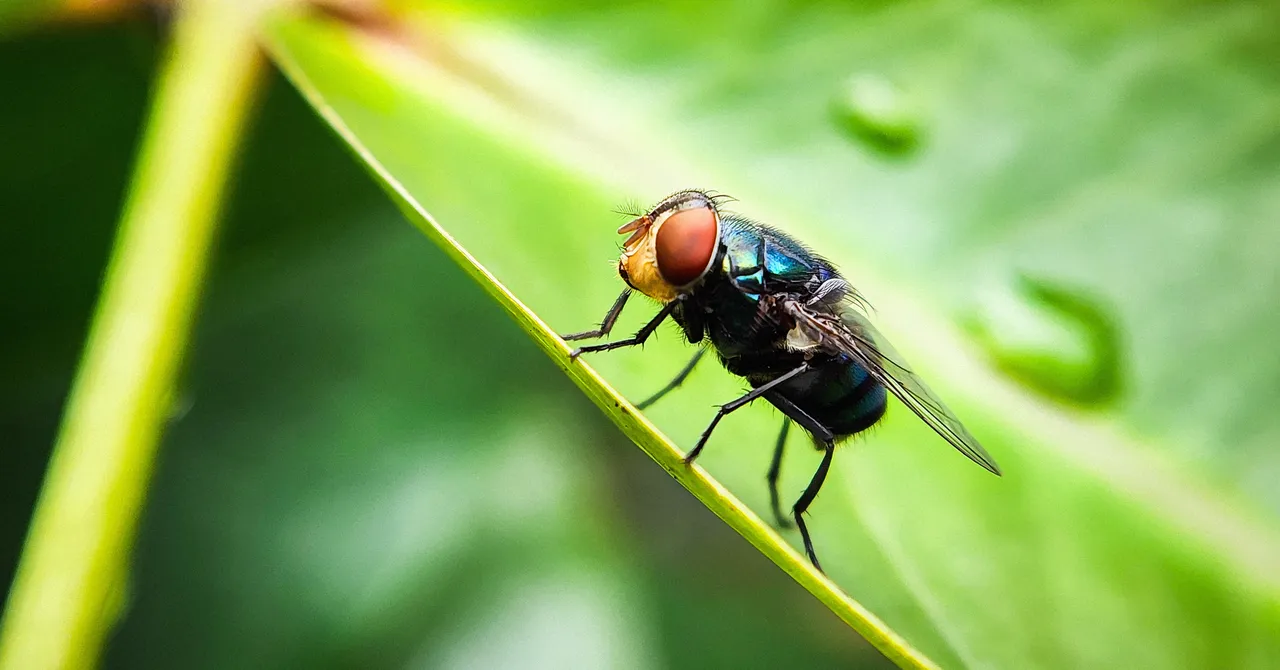
Screwworm flies lay their eggs in wounds on mammals and sometimes birds. When the larvae hatch, they burrow into the flesh of their host and start eating it alive. As a wound expands, more eggs may be laid in it. If they aren’t removed, the larvae can cause serious injuries and pain, and will eventually kill the host. They are a huge problem for livestock farmers, not to mention people who find they have screwworms twisting into their flesh.