The term “Middle East” reflects the region’s historical centrality to Western powers. Popularized in 1902 by the U.S. naval strategist Alfred Thayer Mahan, it described the lands between Arabia and India, specifically to underscore their strategic importance to British imperial interests.
So it was no surprise that the transfer of global supremacy from Britain to the United States after World War II played out most consequentially in the Middle East, its geopolitical center shifting from London’s colonial mandates to Washington’s Cold War and oil-security interests.
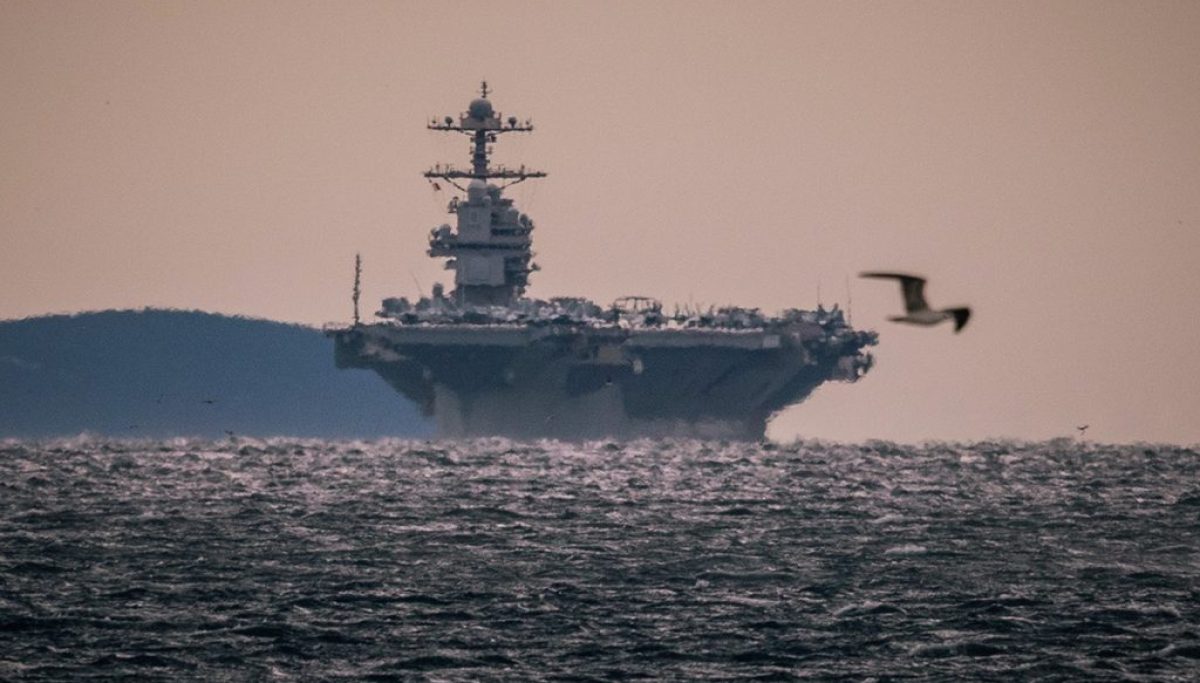
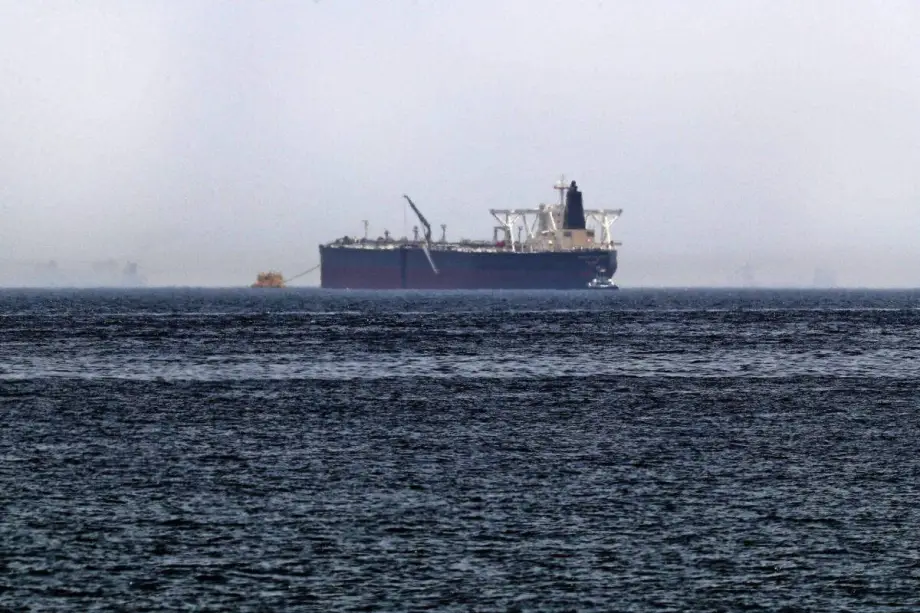
The Middle East was soon incorporated into a U.S.-led order in which Washington provided military protection and underwrote the political conditions for the region’s integration into the global economy. The United States secured maritime trade routes, guaranteed energy flows, and anchored the dollar-based oil market. Oil revenues cycled through Western financial markets, regional economies oriented themselves toward U.S.-led globalization, and U.S. military power served as the ultimate guarantor of stability.
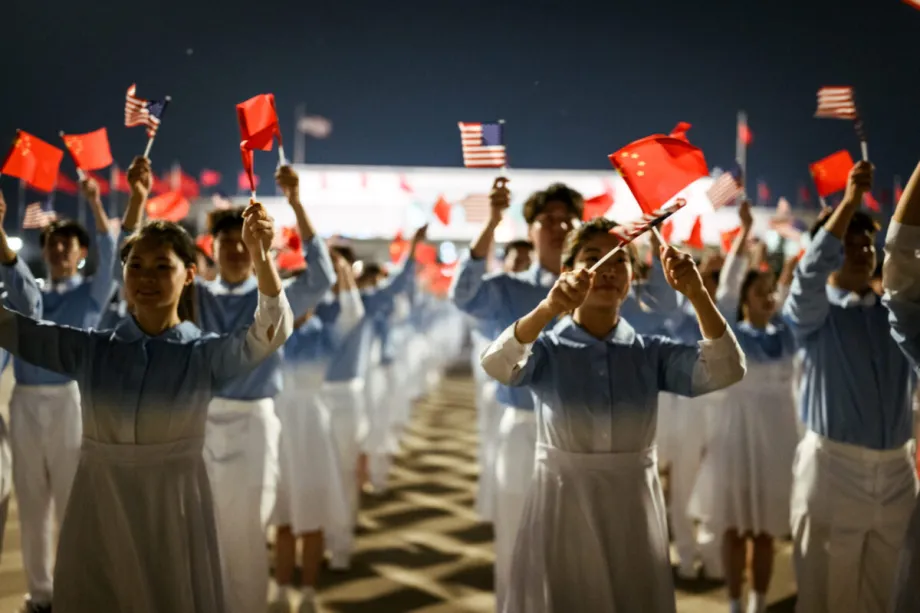
The coherence of that order rested on the fact that its economic and security dimensions were led by the same power. Today, that alignment is eroding as the redistribution of economic power toward China reshapes geopolitics. Whereas the United States now primarily extends influence through military power and security provision, China has expanded its reach through trade, infrastructure, economic statecraft, and increasingly by presenting itself as a predictable actor on the global stage.