https://arab.news/2u6zd
It is a truth universally acknowledged — or at least universally marketed — that the Middle East is once again poised to be the beating heart of global commerce. Enter the India-Middle East-Europe Economic Corridor, known as IMEC, a vision unveiled in September 2023 with the flourish of a G20 communique and the optimism of a startup pitch deck. India, Saudi Arabia, the UAE, the EU, France, Italy, Germany and the US all signed on, proclaiming IMEC not just as a trade route but as proof that geography in the 21st century can still be redrawn.
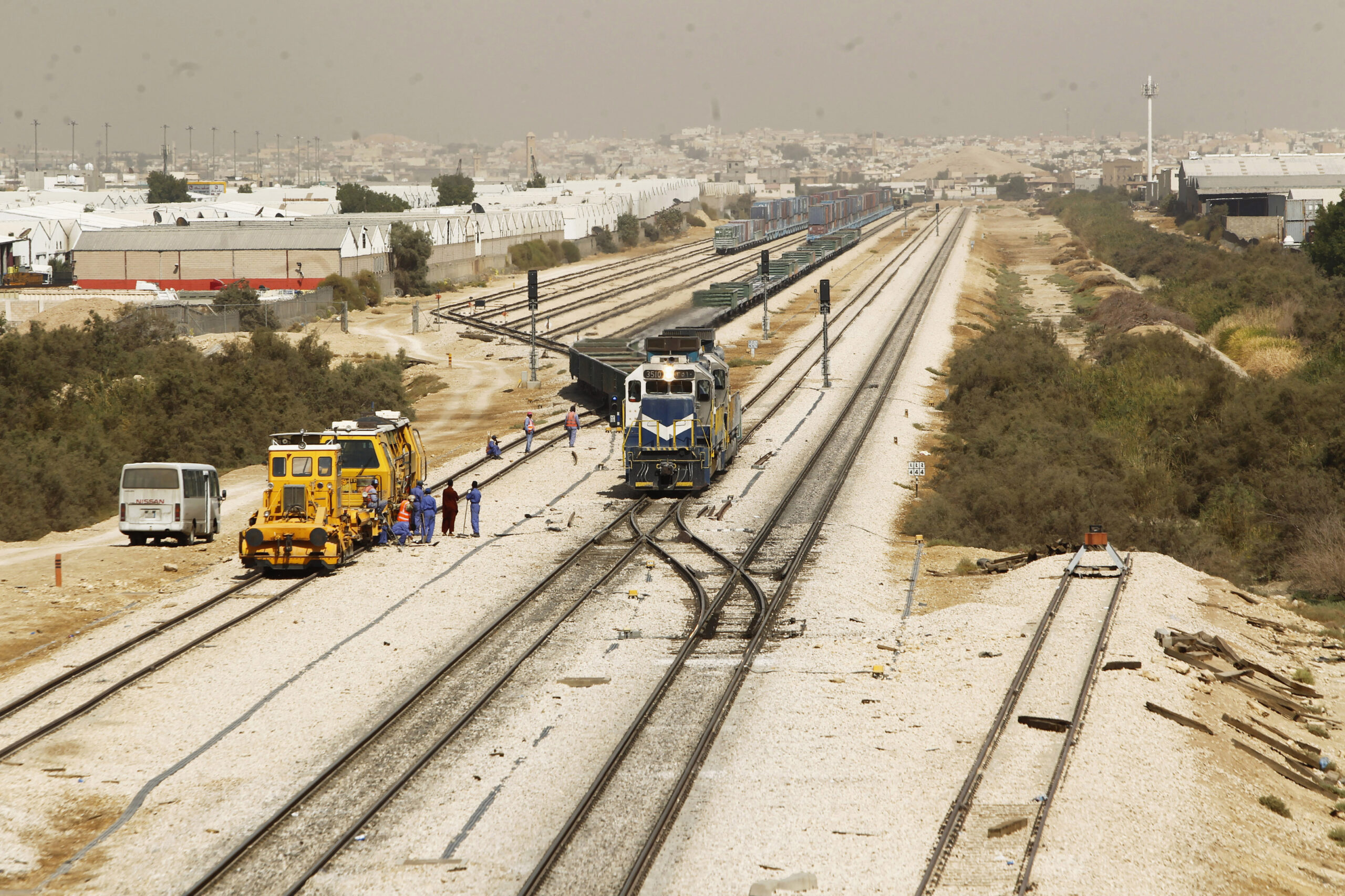
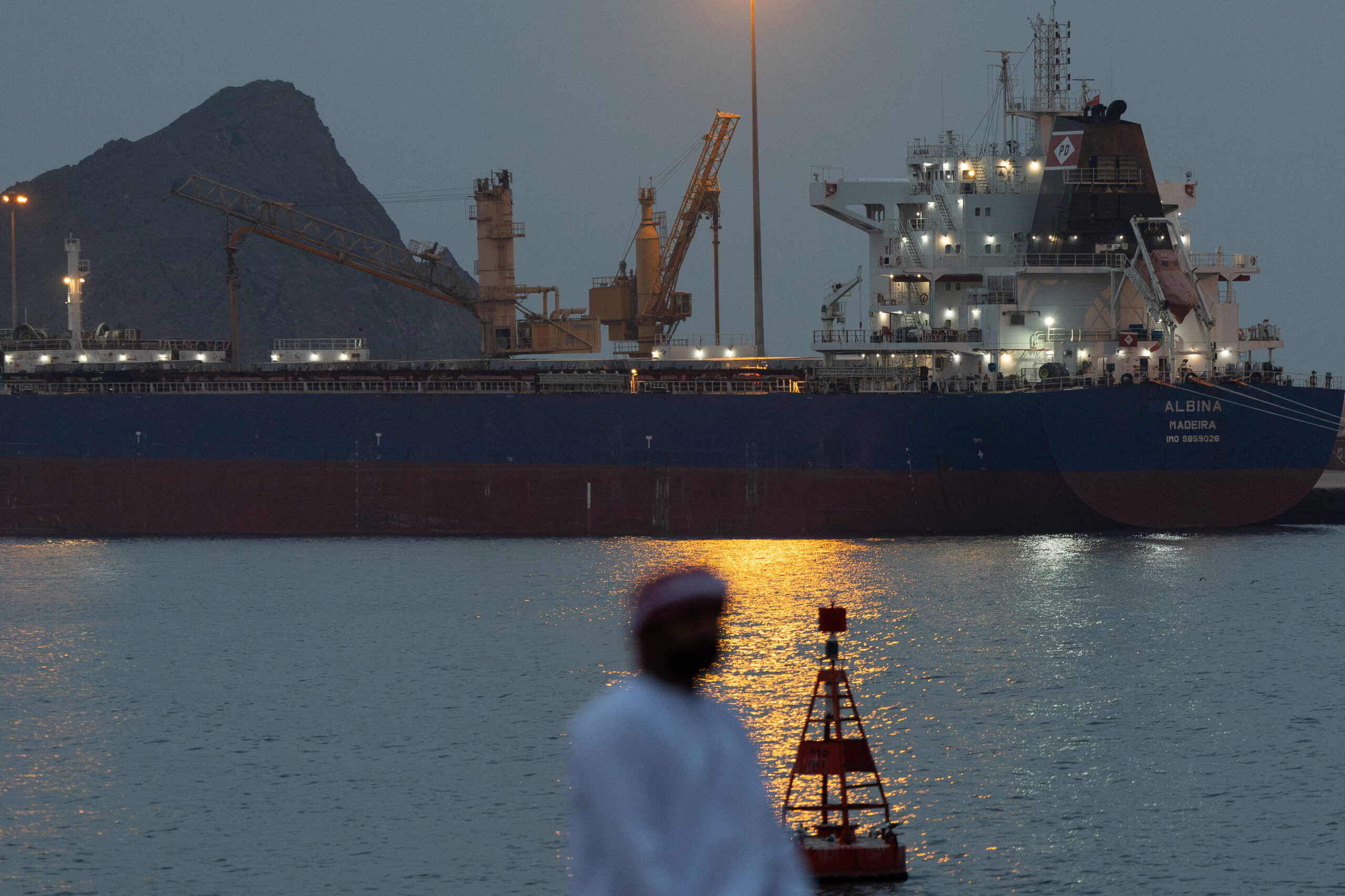
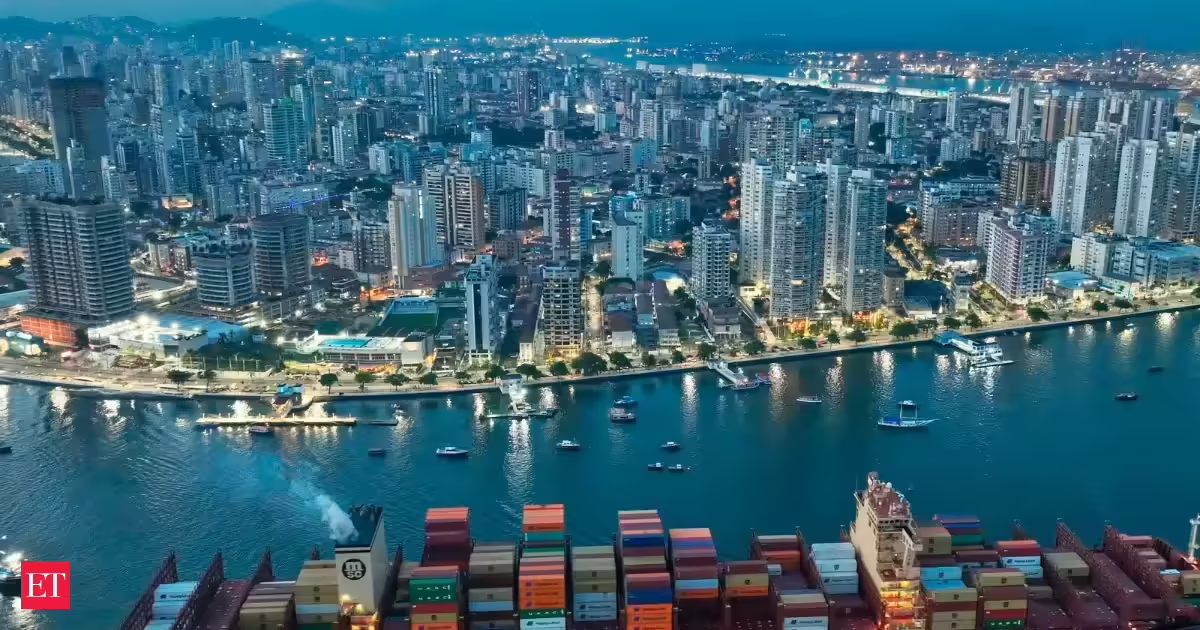
The idea is seductive: a twin corridor network, one stretching from India to the Arabian Gulf, the other from the Gulf to Europe, sewn together by ports, railways and digital cables. In theory, the scheme could shave eight to 10 days off shipping times compared to the Suez route, reduce freight costs and serve as a “values-based” counterweight to China’s Belt and Road Initiative. In practice, however, bold lines on a map are the easy part; turning them into steel, concrete and functional customs regimes is where so many grand visions are lost.
Early cost estimates place IMEC’s price tag between $20 billion and $30 billion, a figure almost certain to rise once engineering, land acquisition and security needs are taken into account. The project began as an Indian initiative, later embraced by the EU and Saudi Arabia. Yet, unlike the Belt and Road Initiative or the International North-South Transport Corridor, India has not set up a dedicated implementing body, nor has it committed actual funding. That omission is more than a bureaucratic footnote: without clear governance and committed capital, the India-Middle East-Europe Economic Corridor risks becoming a PowerPoint concept rather than a functioning trade artery.