by Databricks Staff
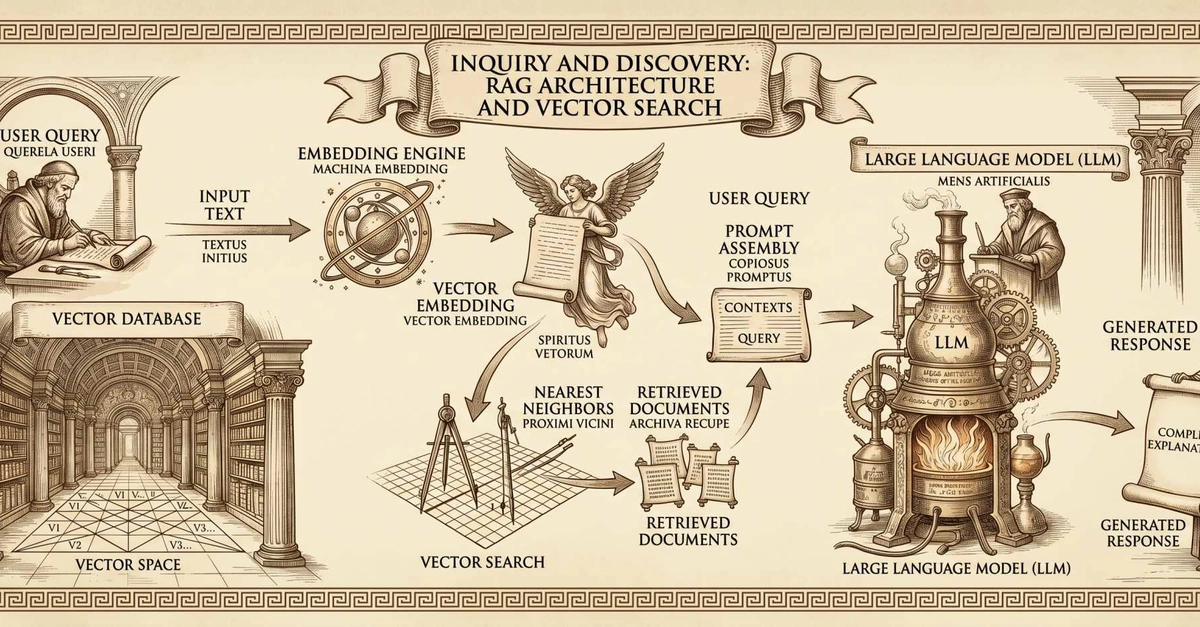
Vector search is a search technique that finds results based on meaning, not just matching keywords. Where traditional search matches exact words, vector search compares embeddings. These numeric representations capture the meaning of text, images, audio and other content.
Results are ranked by how closely their embeddings match those of the query, not by shared words. This makes vector search a core retrieval layer behind modern AI assistants, semantic search systems and retrieval-augmented generation (RAG).
This guide covers how vector search works, how it compares to keyword and semantic search, common examples and use cases and how to evaluate it in practice.
Vector search works in three stages: creating embeddings, building an index and matching a query against that index.