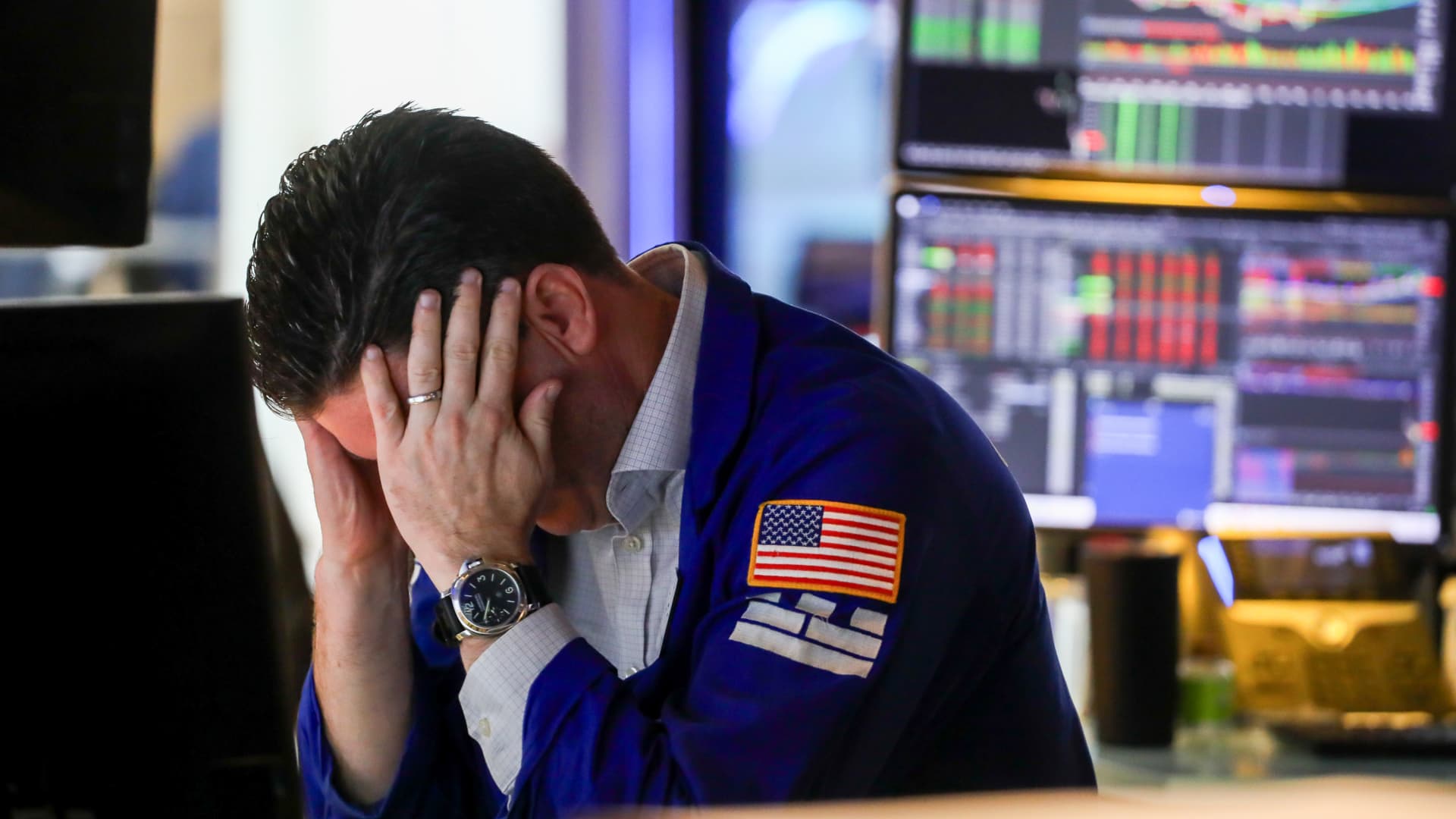
Something doesn’t quite add up in equity markets right now. The S&P 500 is less than 2% from its all-time highs, yet investors are piling into volatility protection at the fastest clip of the year.
The VIX call-to-put open interest ratio has surged to its highest level of 2026 as of June 23, surpassing levels recorded in early February when US-Iran geopolitical tensions pushed the fear gauge above 20. The VIX itself is trading around 17, a level that typically signals relative calm. But the options market is telling a very different story.
Why VIX calls instead of equity puts
Here’s the thing about how professional investors hedge. They have two basic choices when they want downside protection: buy put options on equities directly, or buy call options on the VIX, which rises when markets fall. Both achieve a similar outcome, but they work differently under the hood.
VIX calls offer what traders call “convex payoffs” during stress periods. In English: when things get ugly fast, VIX calls tend to produce outsized returns relative to their cost, making them a more capital-efficient hedge than stacking up individual equity puts across a portfolio.