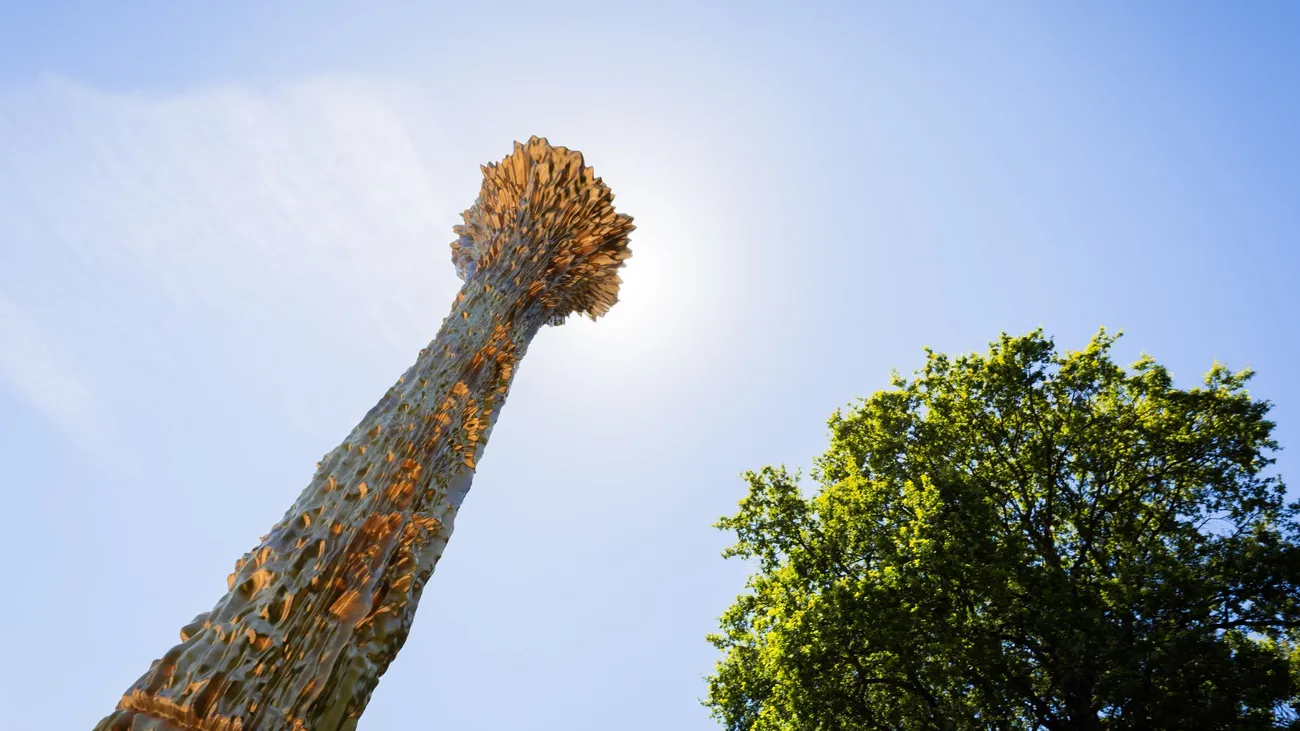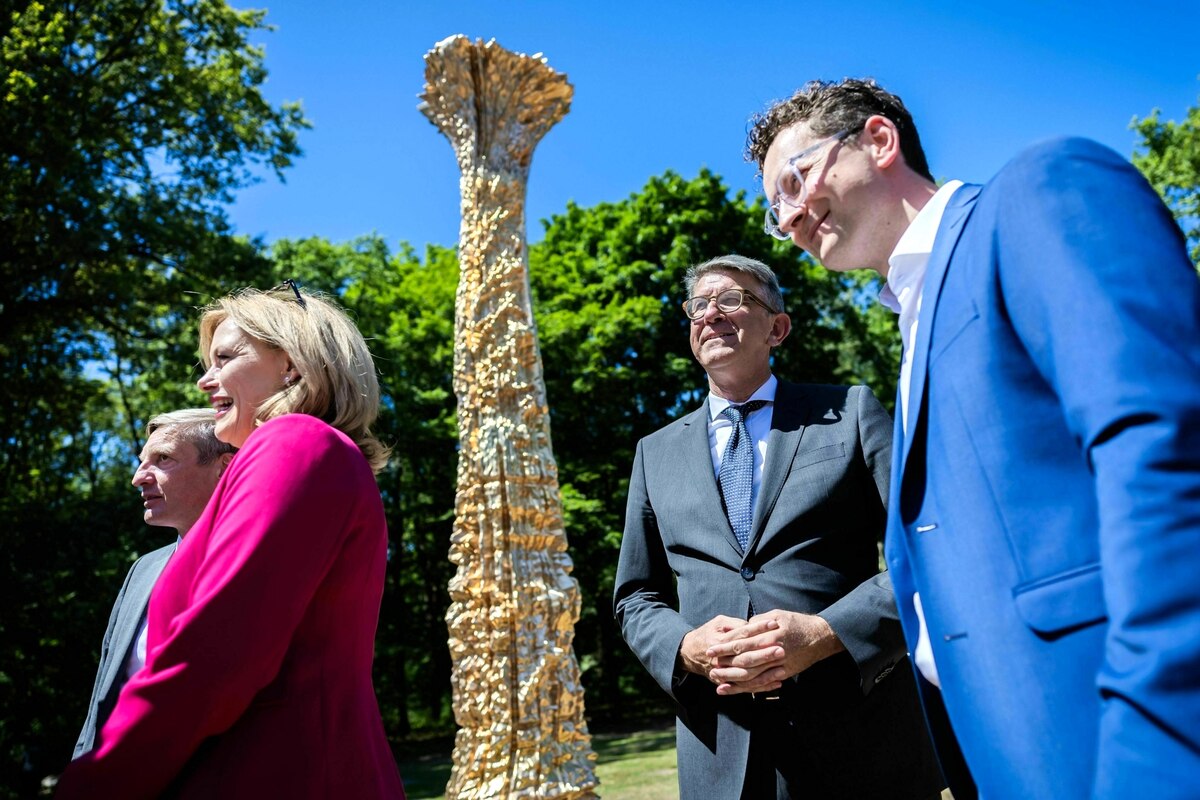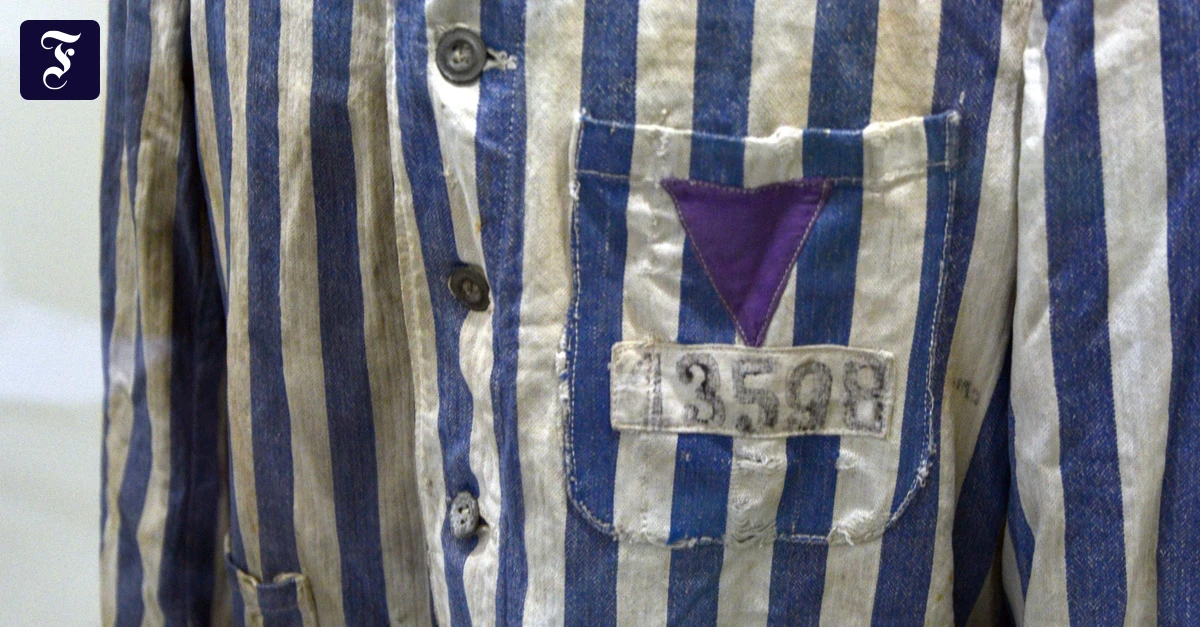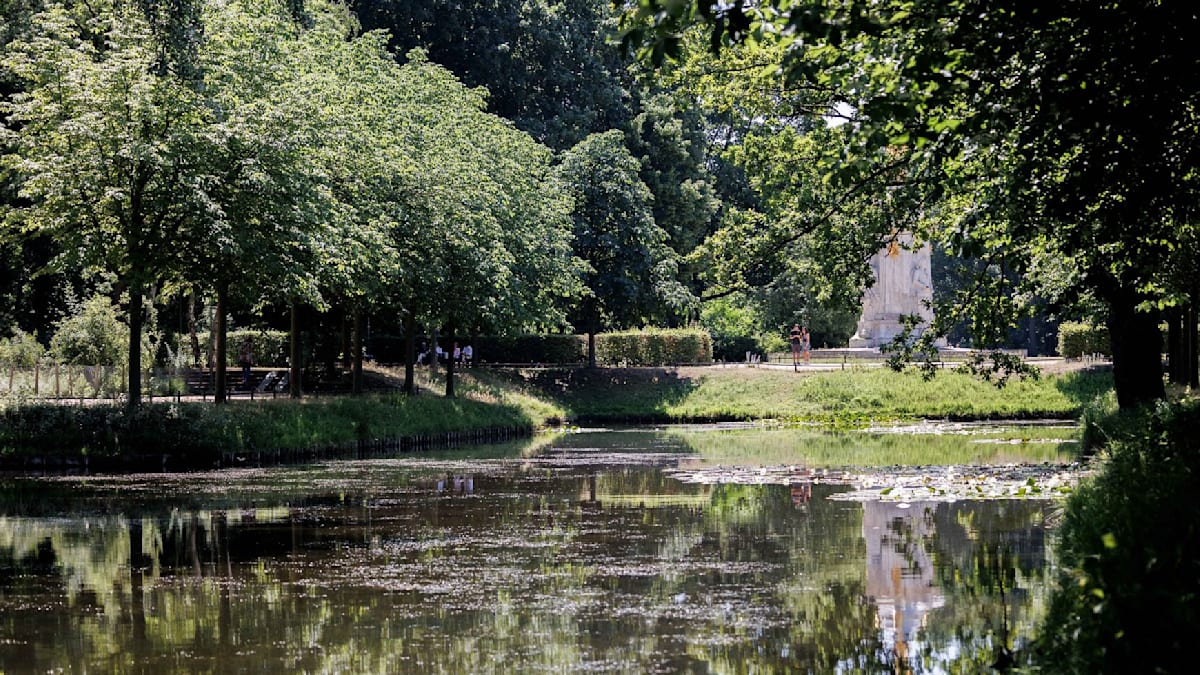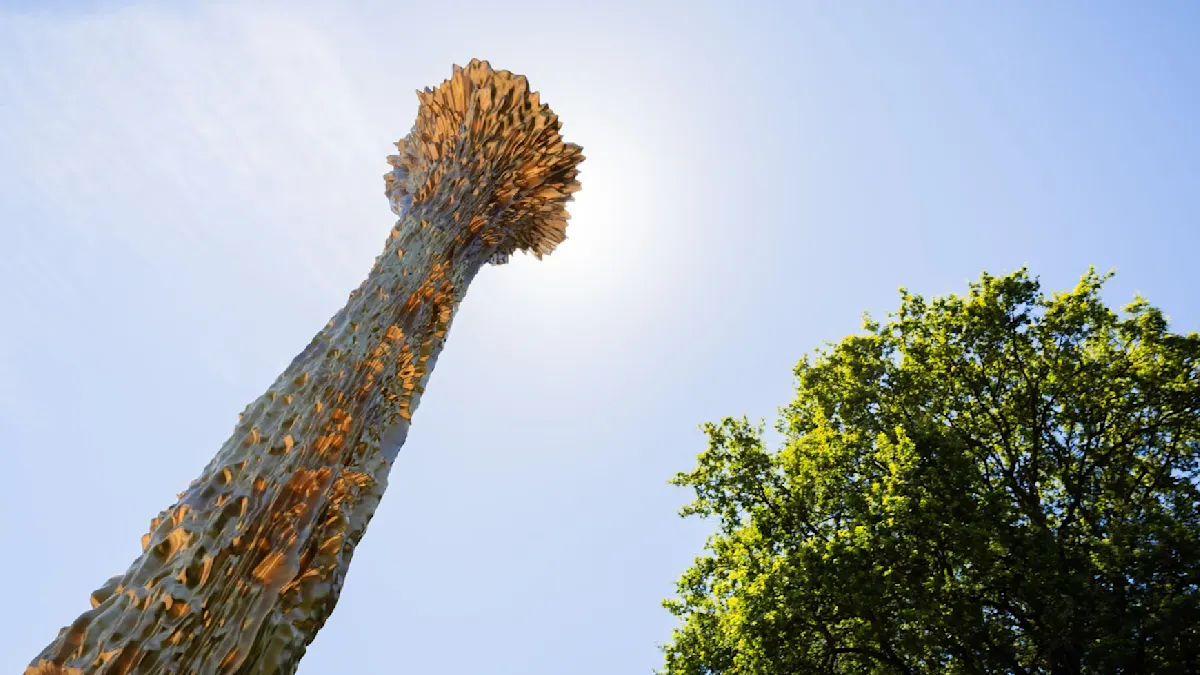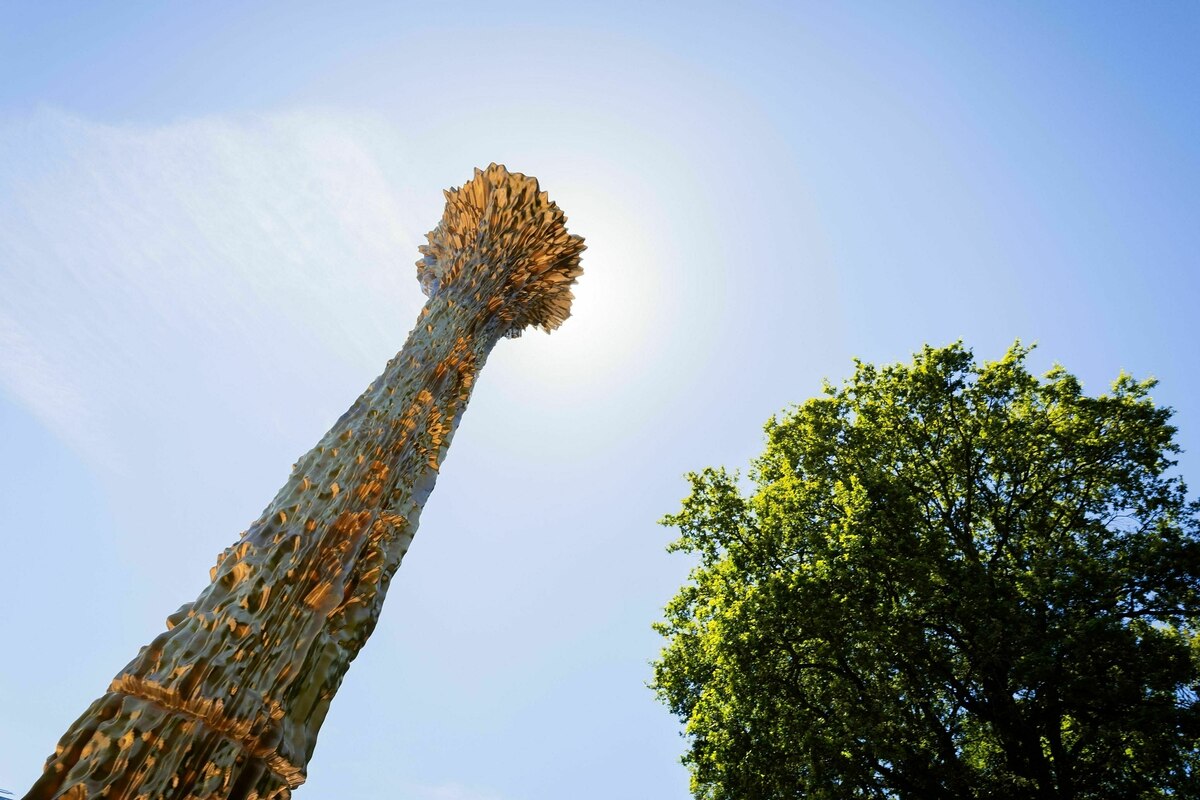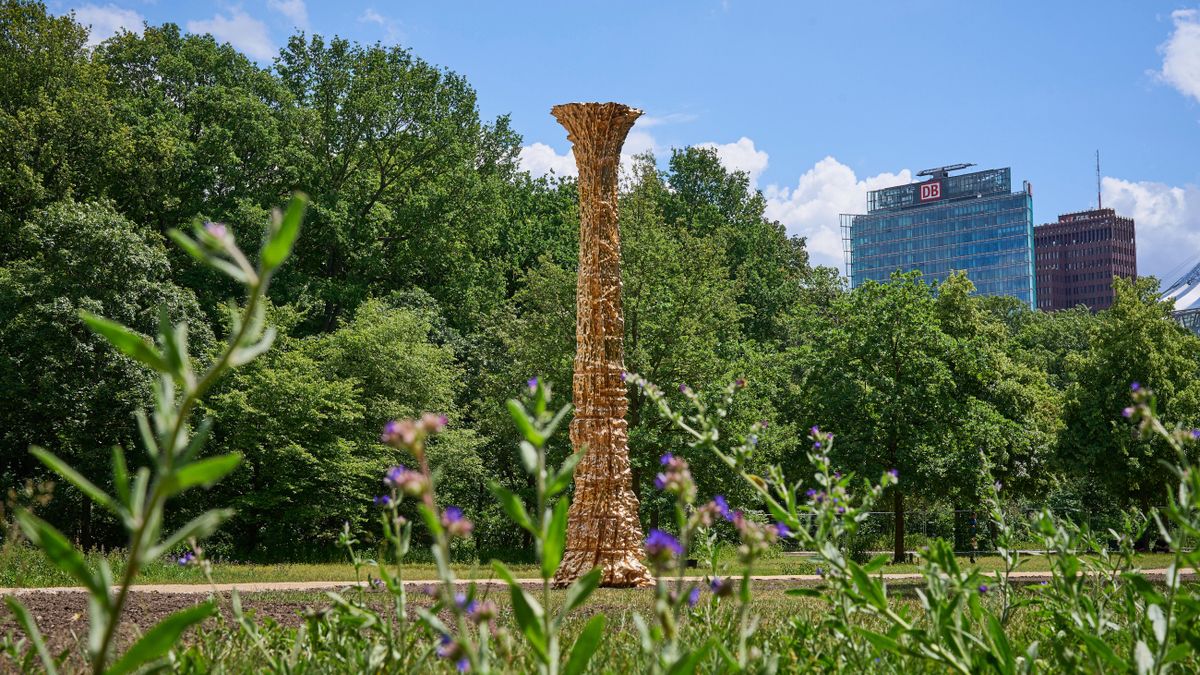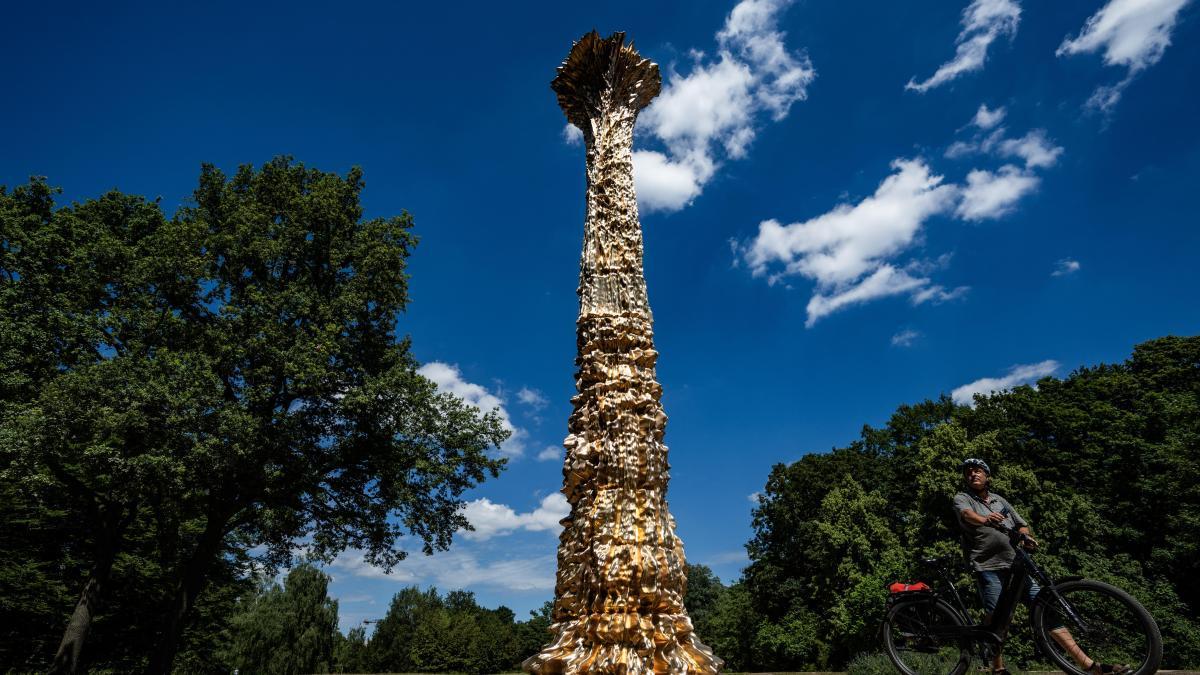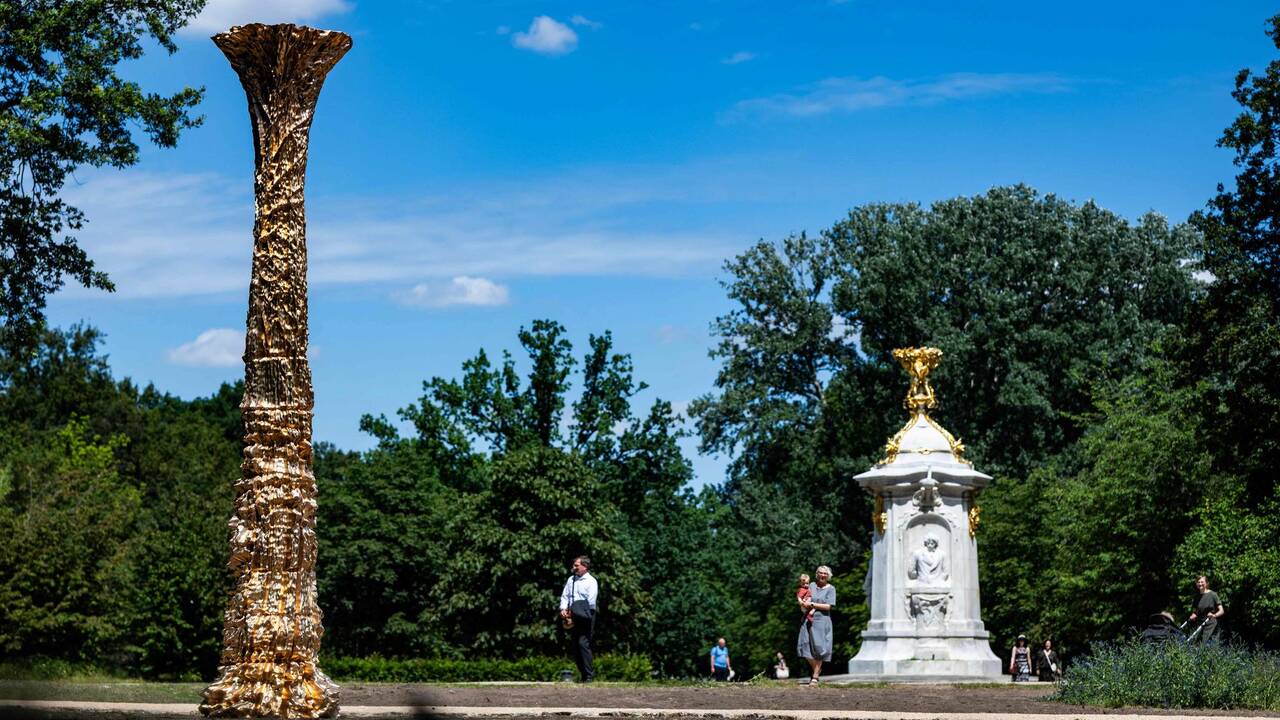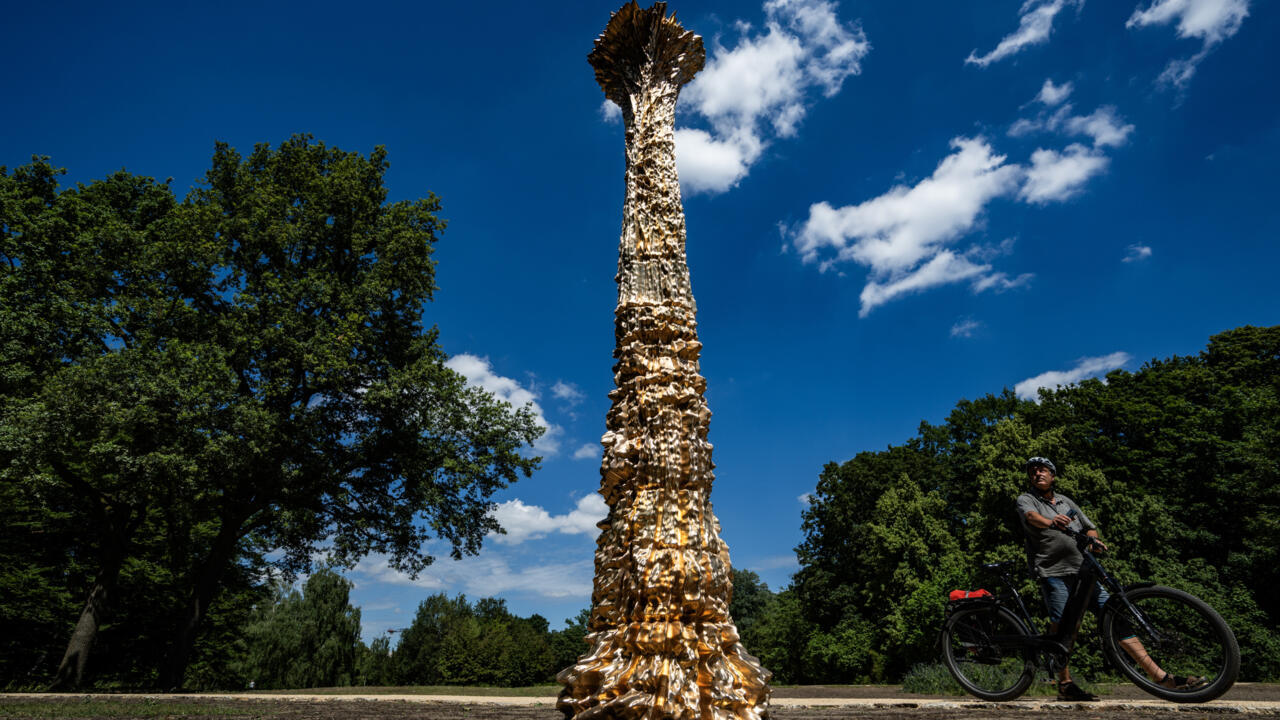
Around 700 people attended the unveiling of the memorial, a bronze column reminiscent of a tree trunk, in Berlin's central Tiergarten park.The German capital already has four major memorials dedicated to groups persecuted by the Nazis -- Jews, homosexuals, the Sinti and Roma community, and victims of the Third Reich's "euthanasia" programme targeting people with mental and physical disabilities."This is not a monument for an institution... it is not about judging a religious community. It is about bowing before the victims of National Socialism," said Julia Kloeckner, the president of the German parliament.Germany voted to build a monument to Jehovah's Witnesses under the previous government of chancellor Olaf Scholz in 2023.The religious minority, which traces its roots to early Christianity and promotes conservative moral values, has been present in Germany since the 19th century.Today, there are around 180,000 Jehovah's Witnesses in the country, compared with around 25,000 in the 1930s.They "unanimously and consistently resisted National Socialism on the basis of their faith", Wolfgang Benz, an independent historian specialising in the Nazi period, told AFP.Jehovah's Witnesses refused to perform the Hitler salute, to swear an oath to the "Fuehrer" and to join the army or Nazi organisations.Purple flowersWhen Hitler came to power in 1933, the community was banned in Germany.Around 14,000 Jehovah's Witnesses –- at least 10,700 Germans and 2,700 from European countries occupied by Germany -- were persecuted by the Nazis, mostly in the form of imprisonment.
Berlin unveils monument to Jehovah's Witnesses murdered by Nazis
Germany on Wednesday unveiled a monument to Jehovah's Witnesses persecuted and murdered by the Nazis -- a group that experts say has been historically overlooked in commemorations of the Holocaust.
671 words~3 min read