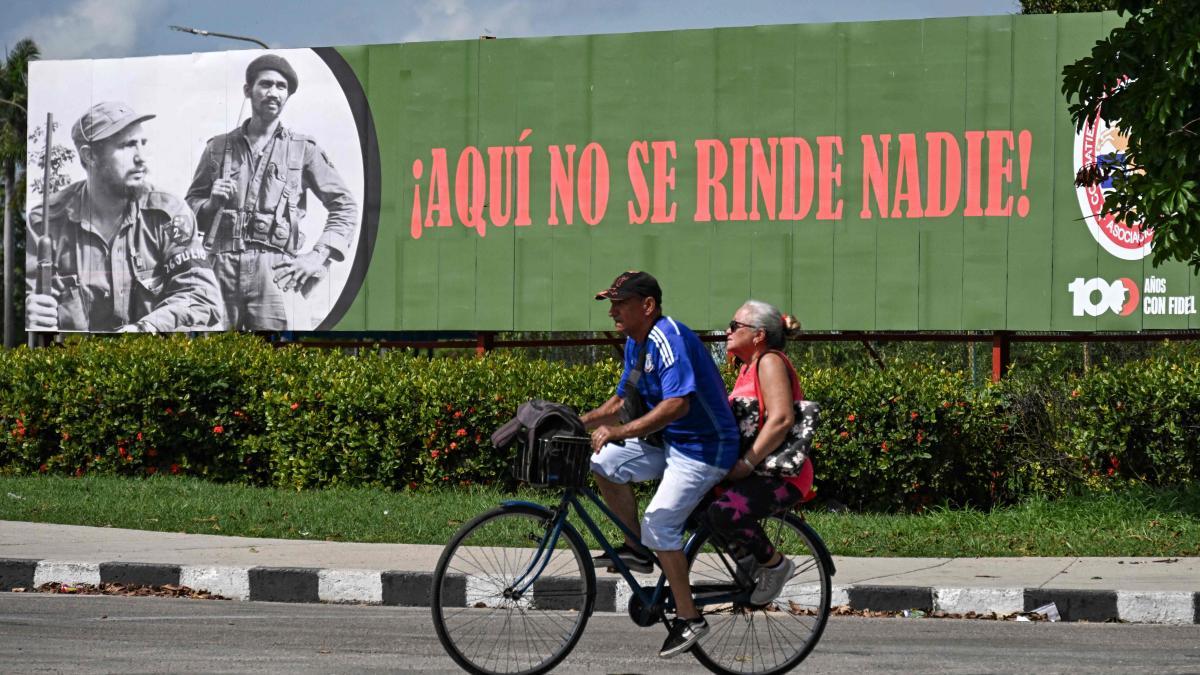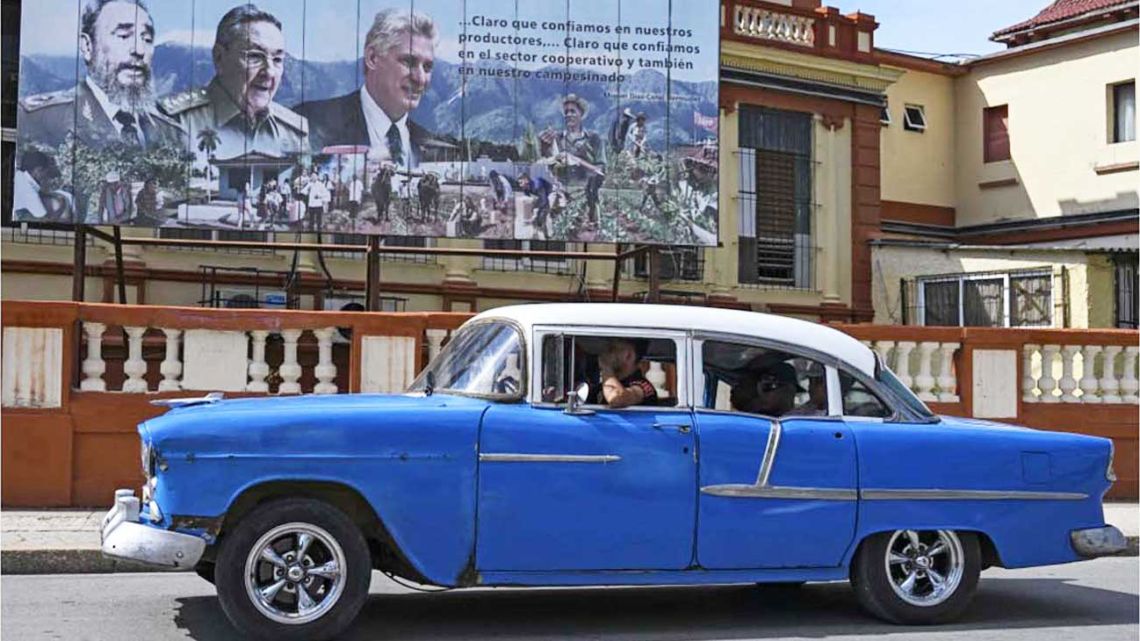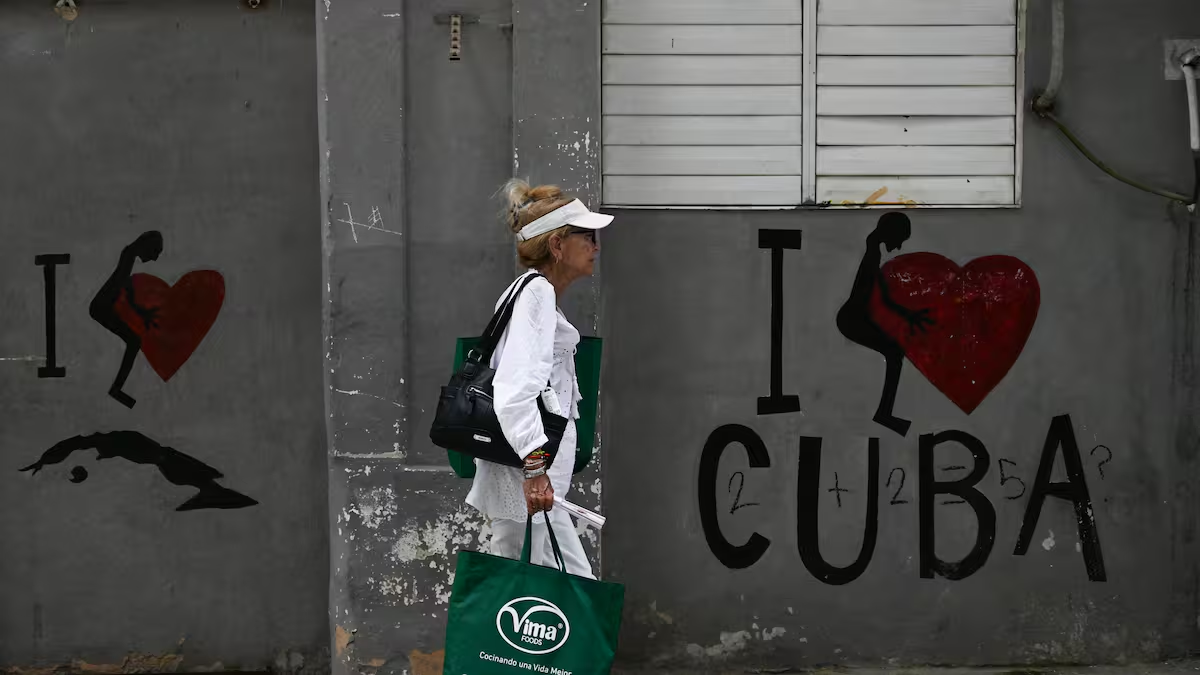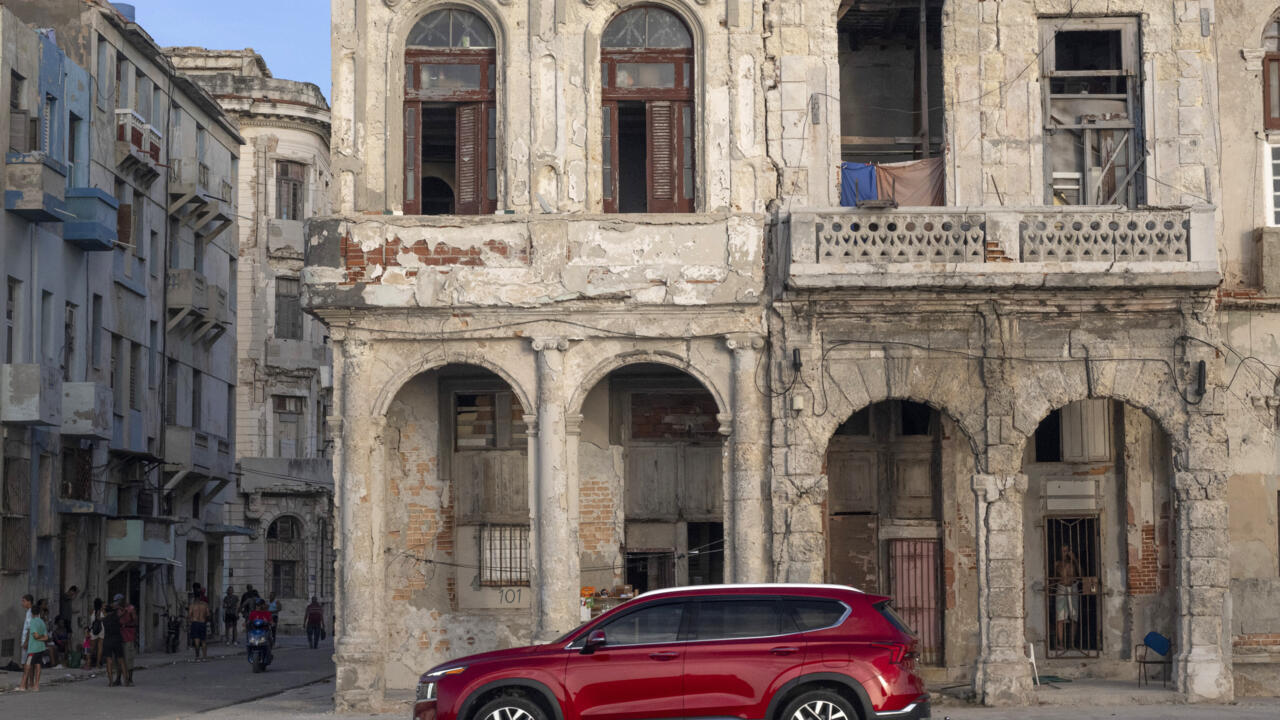
But some worry that Russian-style crony capitalism could be on the menu instead.Under immense pressure from US sanctions, including a crippling fuel blockade, Cuba's government last week drew a line under nearly seven decades of central planning.Unveiling 176 reforms that represent a seismic change to the island's socialist model, it said state-owned enterprises would be converted into joint-stock companies and opened up to private investors, private banks would be authorized and private developers would be allowed to build tourist infrastructure.President Miguel Diaz-Canel said the measures, which also included sweeping changes to land use, aimed to "preserve" socialism rather than bury it.But economists warned that a politically-connected elite would profit most from a rushed transition implemented without any semblance of democratic reforms.Spain-based Cuban economist Pedro Monreal warned that a quick-fire sale of state enterprises "without robust legal safeguards" could result in "the capture of state assets by insiders well-connected to those in power.""I inevitably think of the "crony capitalism" of the Russian transition," he wrote on X, referring to the former communist officials who snapped up state assets at knock-down prices after the break-up of the Soviet Union.Fellow Cuban economist Ricardo Torres, a research fellow at the American University in Washington, issued a similar warning.The "structural conditions for insider capture are present," he told AFP, noting that there are "no independent valuation mechanisms, no competitive bidding requirements, and no oversight body insulated from party control."Socialism with Cuban characteristics
Socialism with a twist or crony capitalism? Cuban reforms spark debate
Cuba's communist president has cited China and Vietnam as models for a historic shift towards a market economy that was hurriedly pushed through last week to try to end a severe crisis.
651 words~3 min read