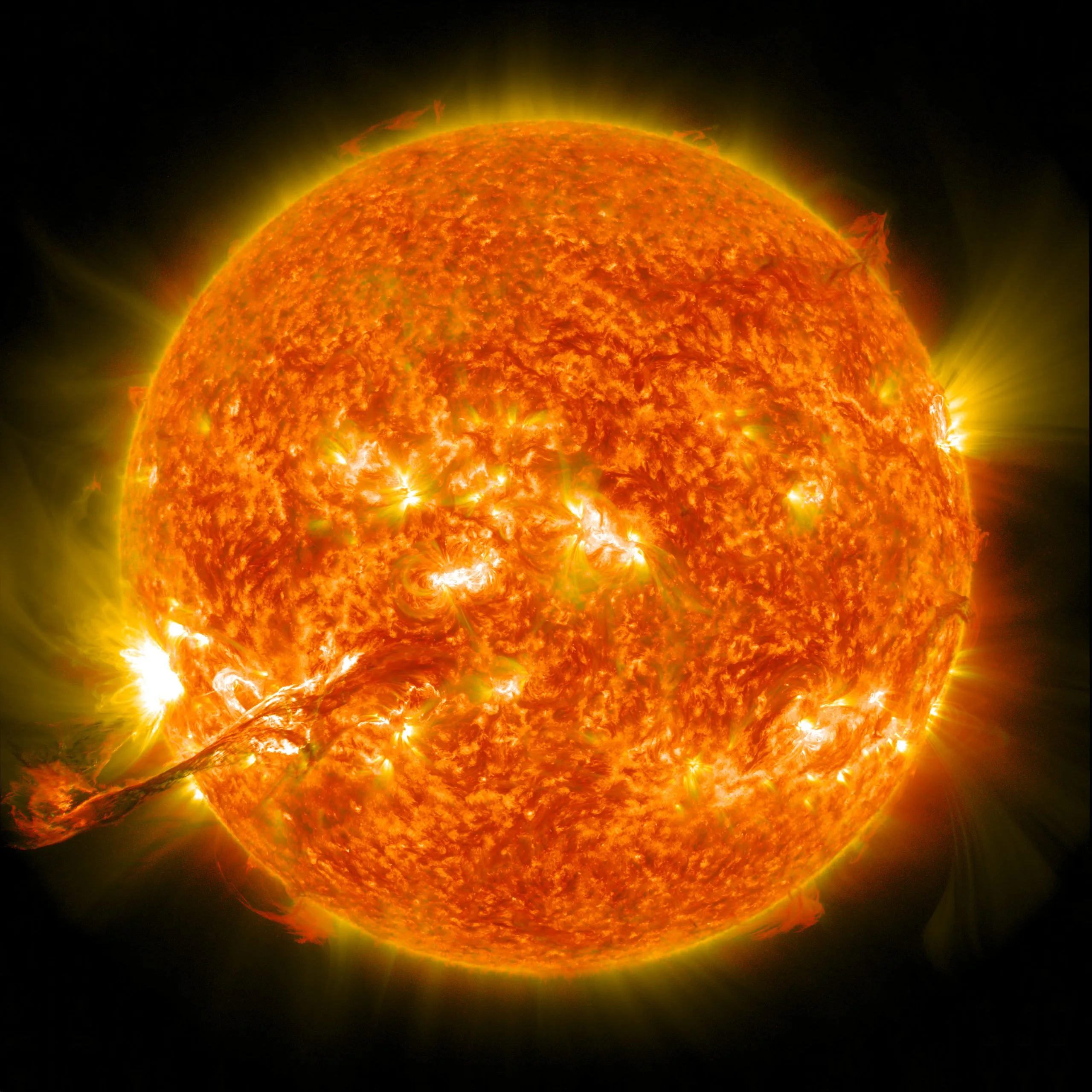
A coronal mass ejection from August, 2012. Credit: NASA/GSFC/SDO
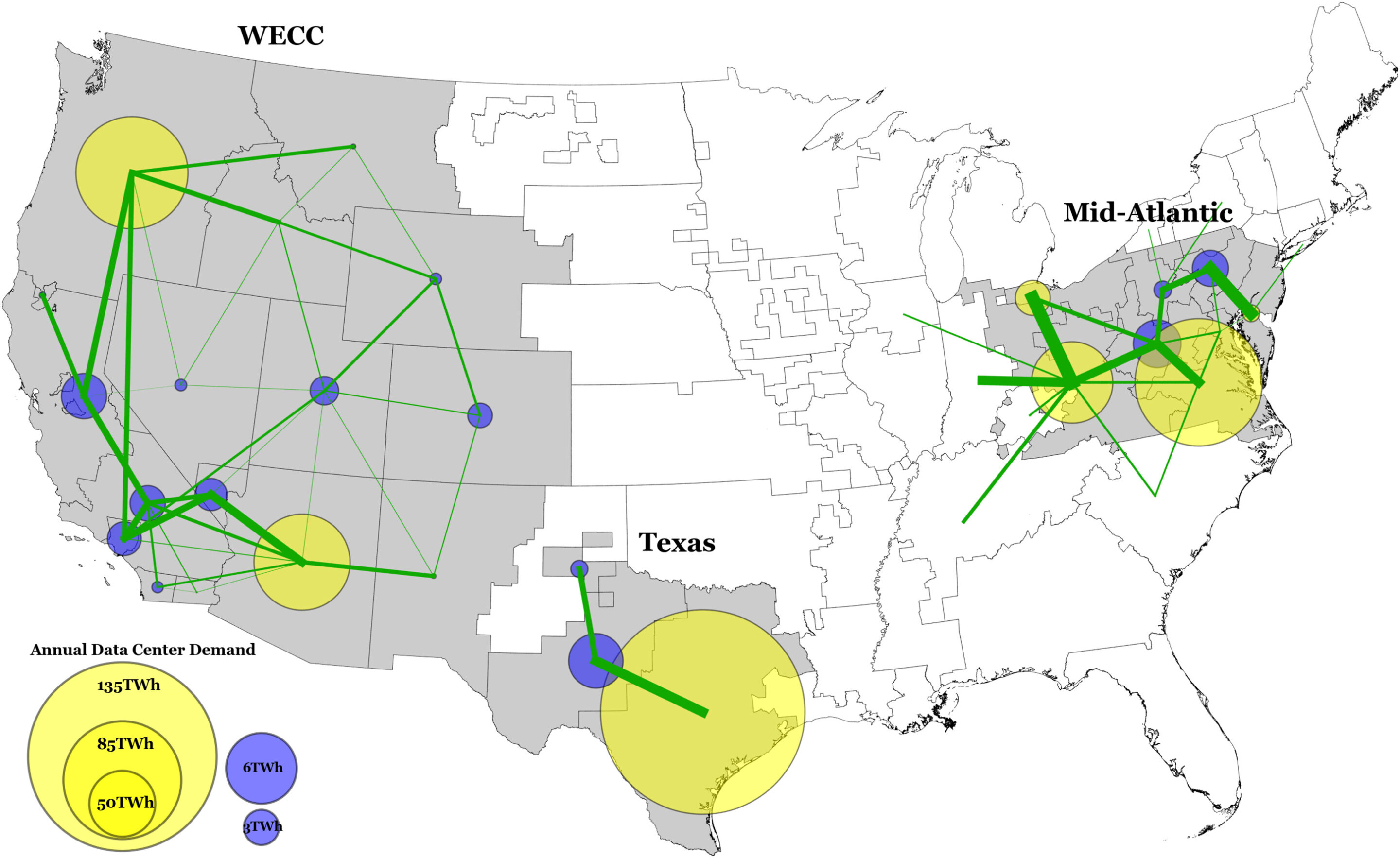
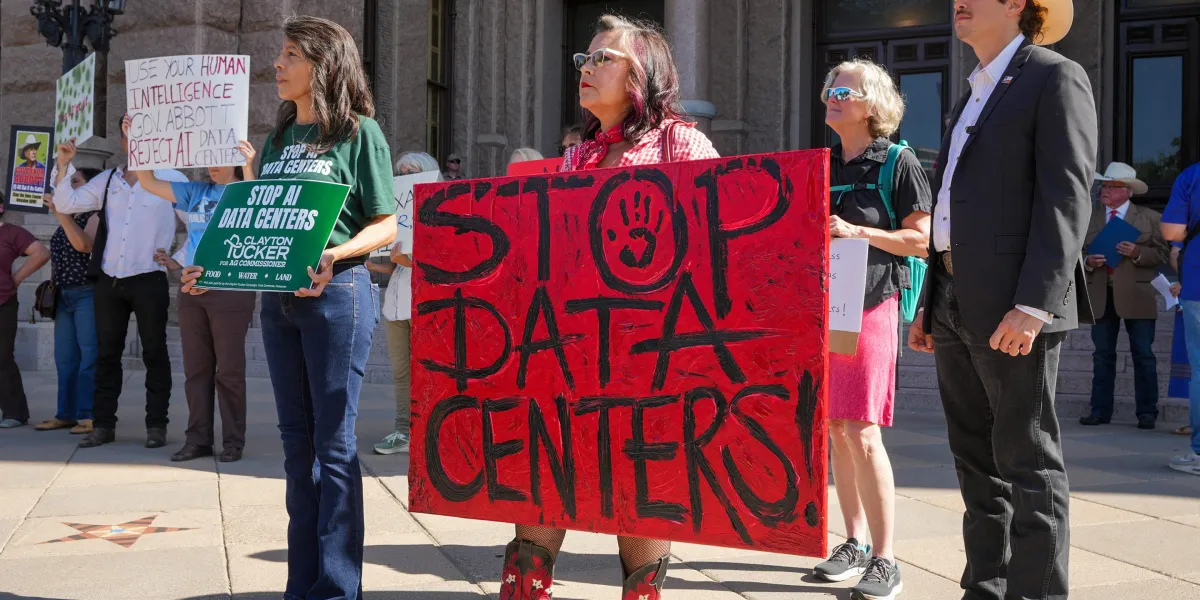
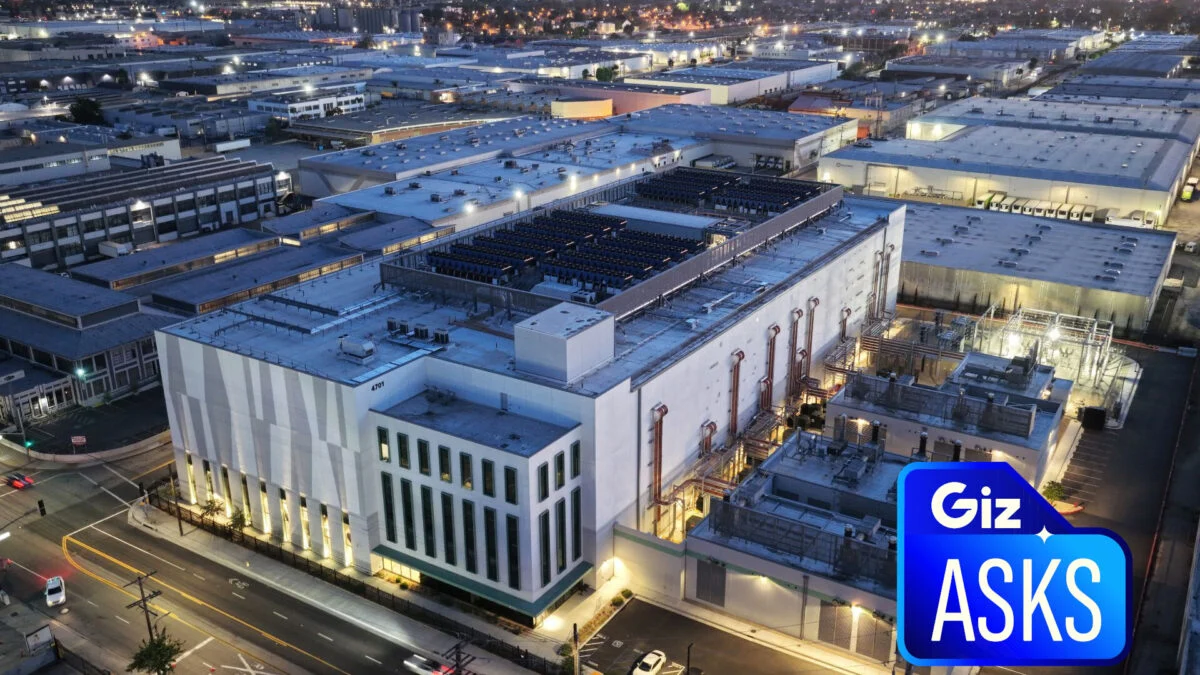
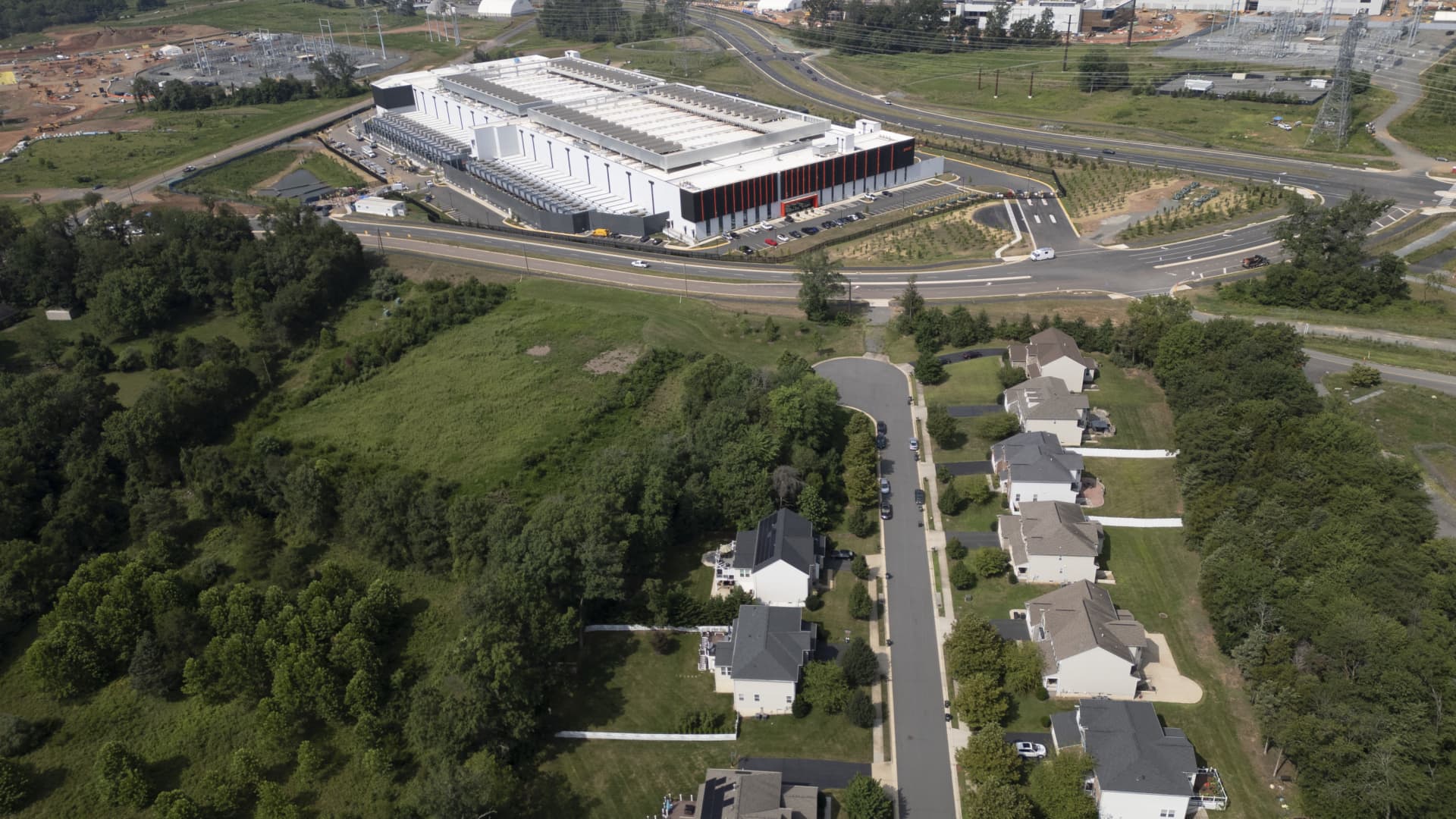
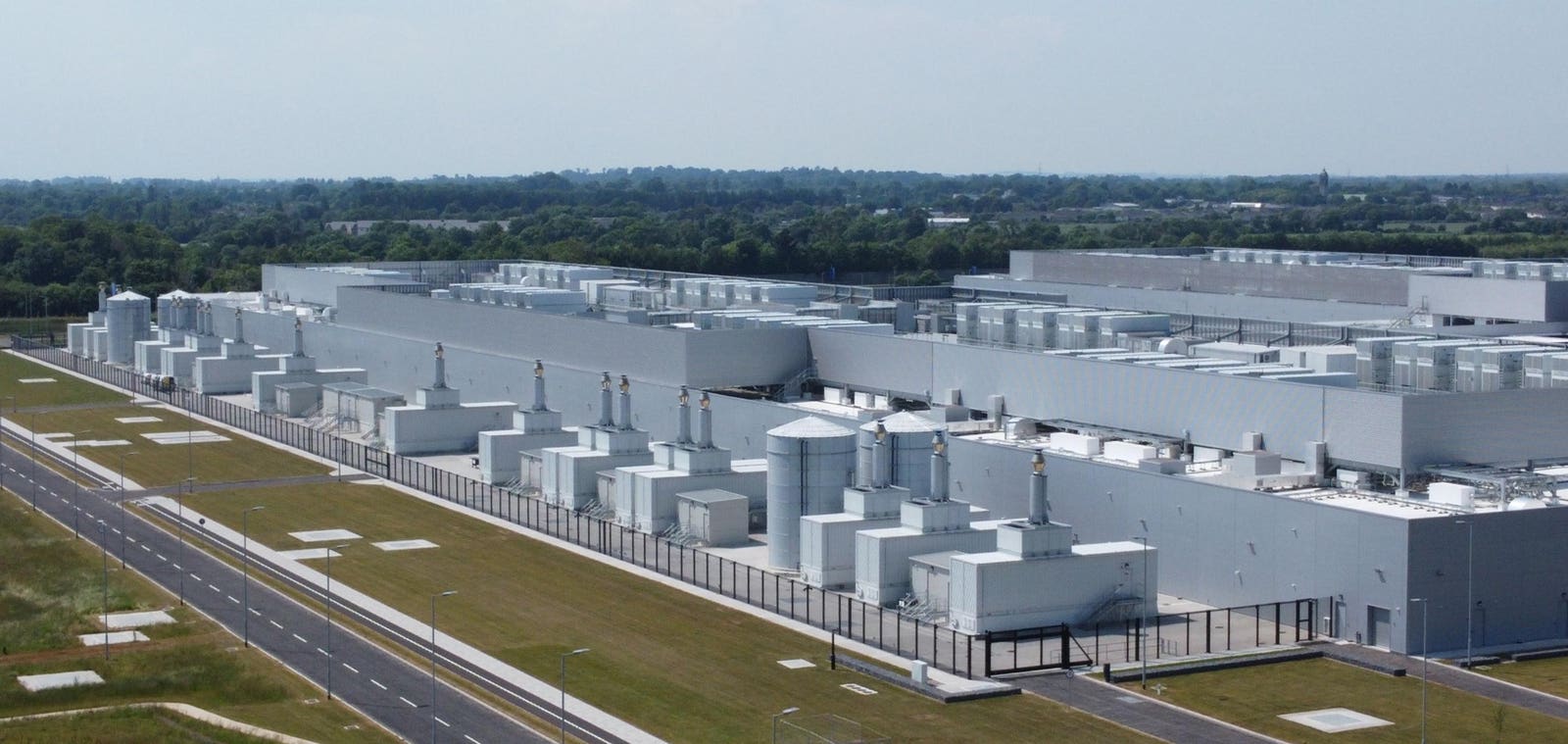
America’s electric grid is entering a period of unprecedented strain. Utilities across the country are scrambling to keep up as power-hungry AI data centers expand at a staggering pace, often consuming as much electricity as small cities.
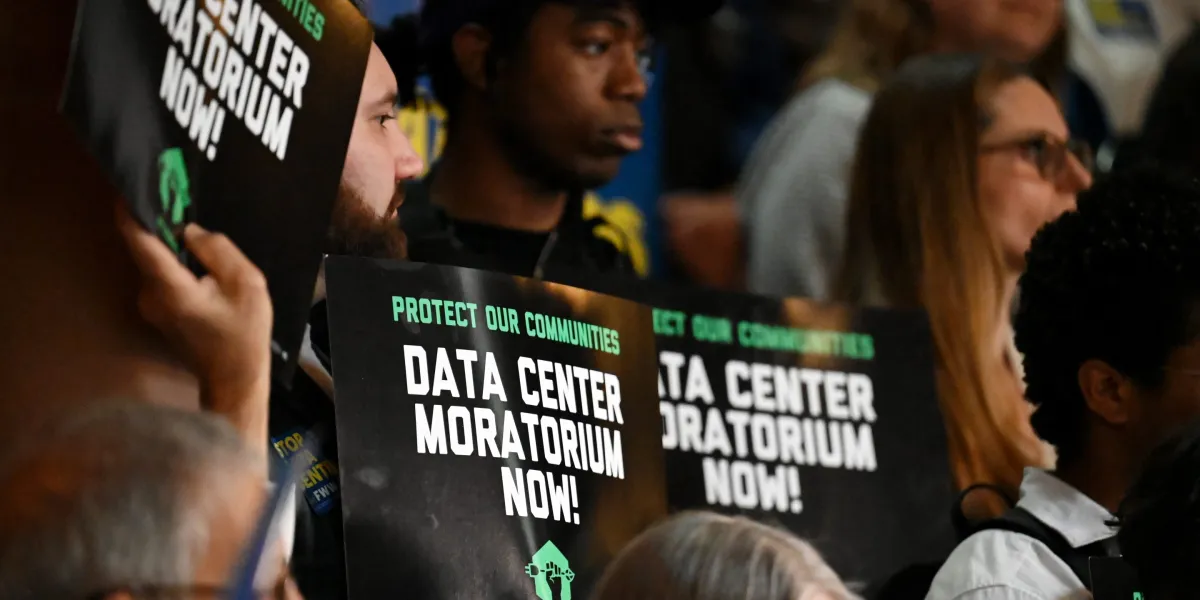
As these data centers proliferate, surging energy demand and rising consumer electric bills are growing concerns. But there is another important, far less discussed risk: the vulnerability of a strained grid to space weather, and the potential consequences for everyone and everything that relies on it, including those data centers and the AI capabilities becoming entrenched in our everyday lives.
Among those who should be most concerned — and who should become leading advocates for improving space weather forecasts and preparedness — are the big tech companies building and operating these massive data centers.
For decades, scientists have warned that a severe solar storm could cripple portions of the electric grid by damaging high-voltage transformers, some of the most expensive and difficult-to-replace pieces of electrical infrastructure. With advance warning, grid operators can take actions that significantly reduce the risk of catastrophic damage from such a storm. Yet investment in predicting and planning for space weather hazards has remained badly out of proportion to the potential damage.