ByKen Silverstein
ByKen Silverstein,
Senior Contributor.
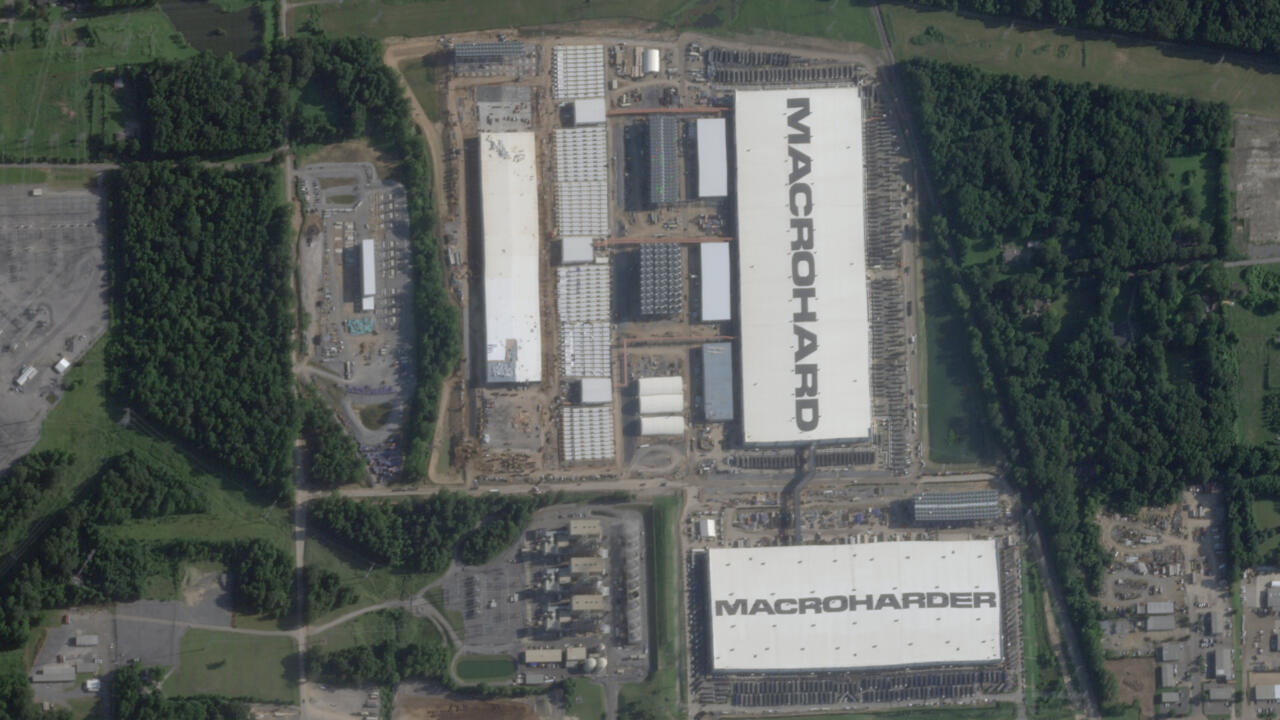
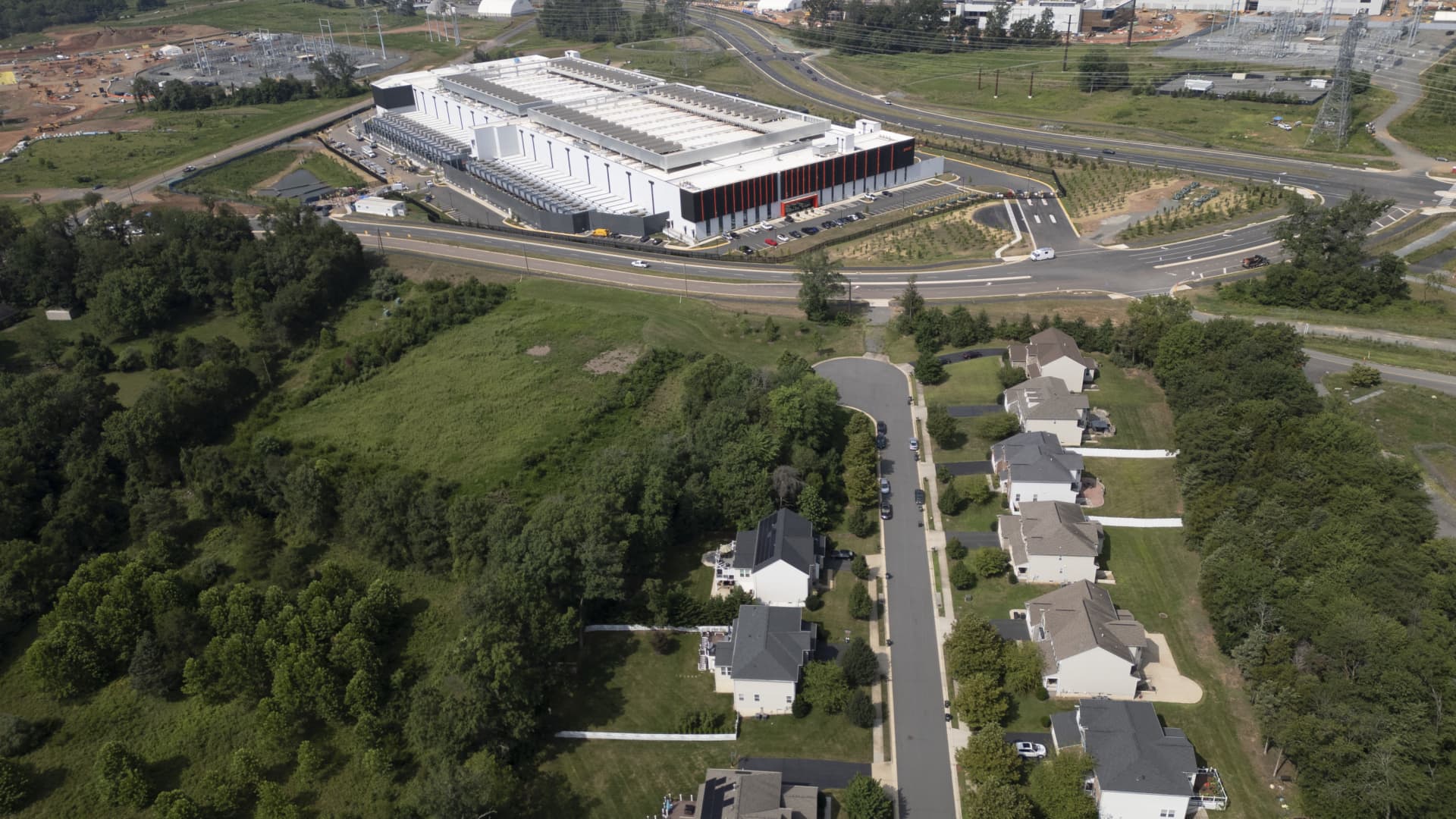
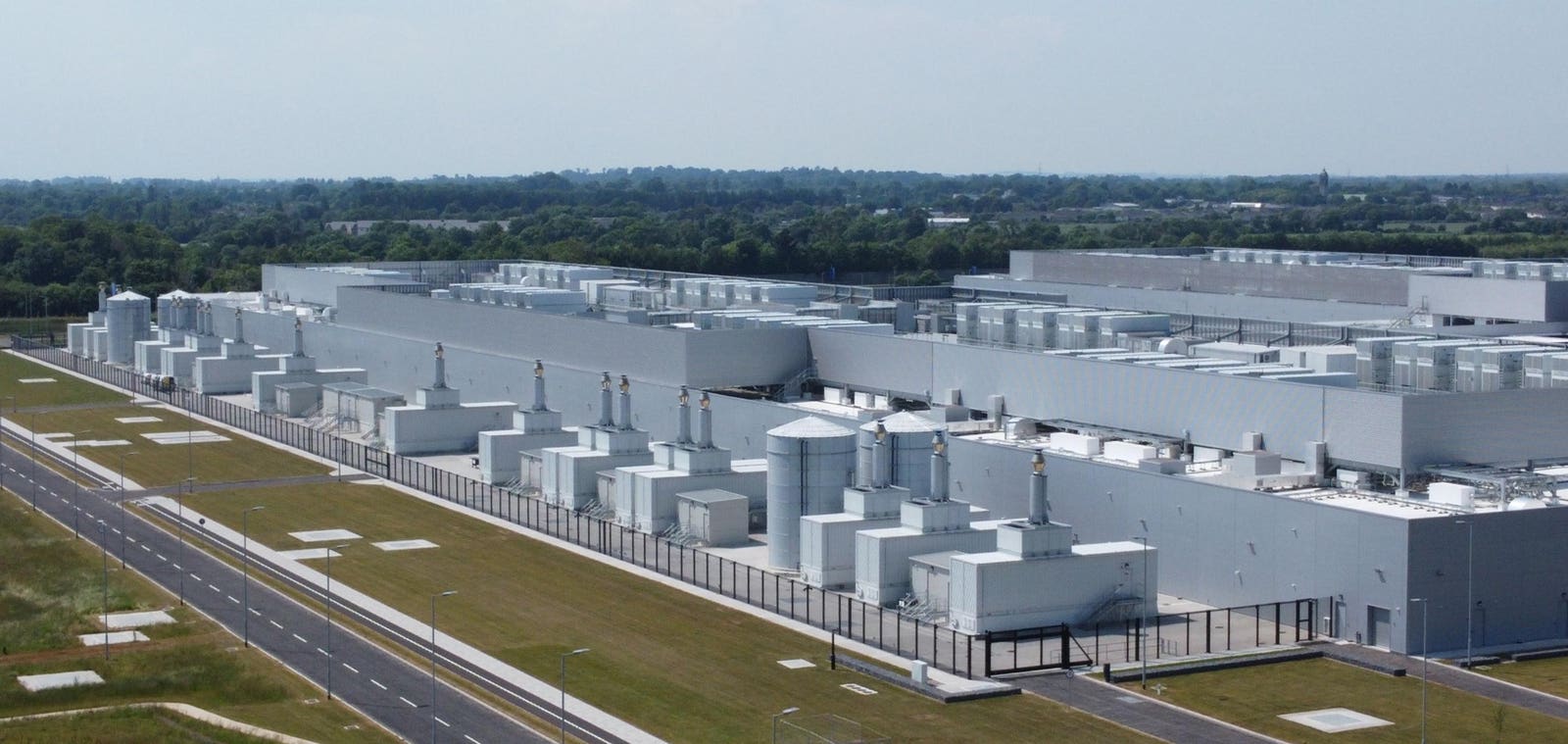
In the sunbaked outskirts of El Paso, Texas, construction crews are laying the foundations for Meta’s “AI‑optimized” 1.2-million-square-foot data center, designed to house thousands of servers and support large AI workloads. It will draw nearly 1 gigawatt of electricity—enough to power 200,000 homes—and have a water footprint that highlights the paradox of modern tech ambition: utilities must meet this new demand while managing environmental costs.
The Meta project illustrates a looming challenge for the United States and the tech industry: as data centers expand, hyper-scalers will strain energy grids, water resources, and climate commitments, requiring careful planning, oversight, and policies—all to ensure there’s enough power to serve industrial and residential consumers.