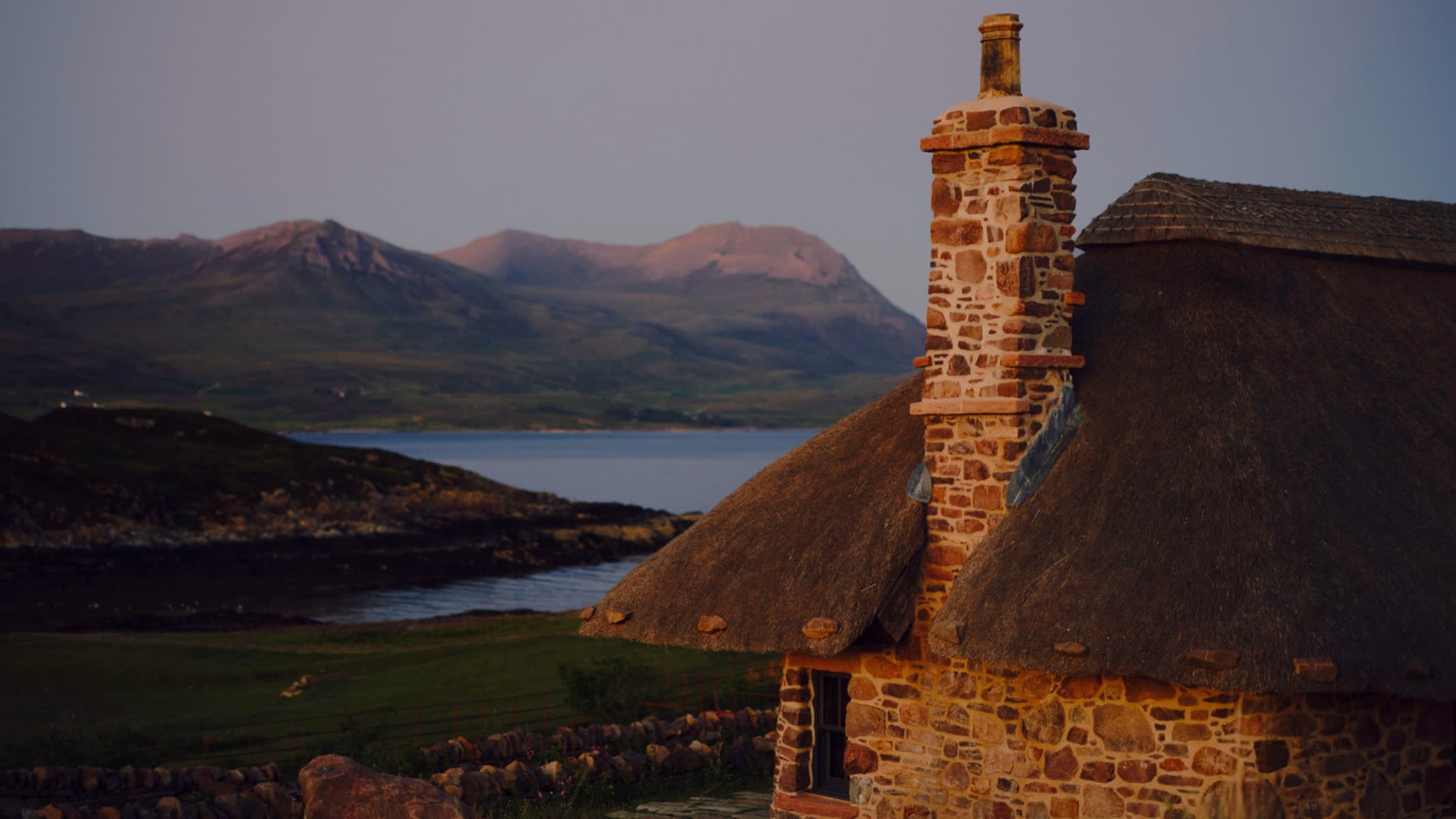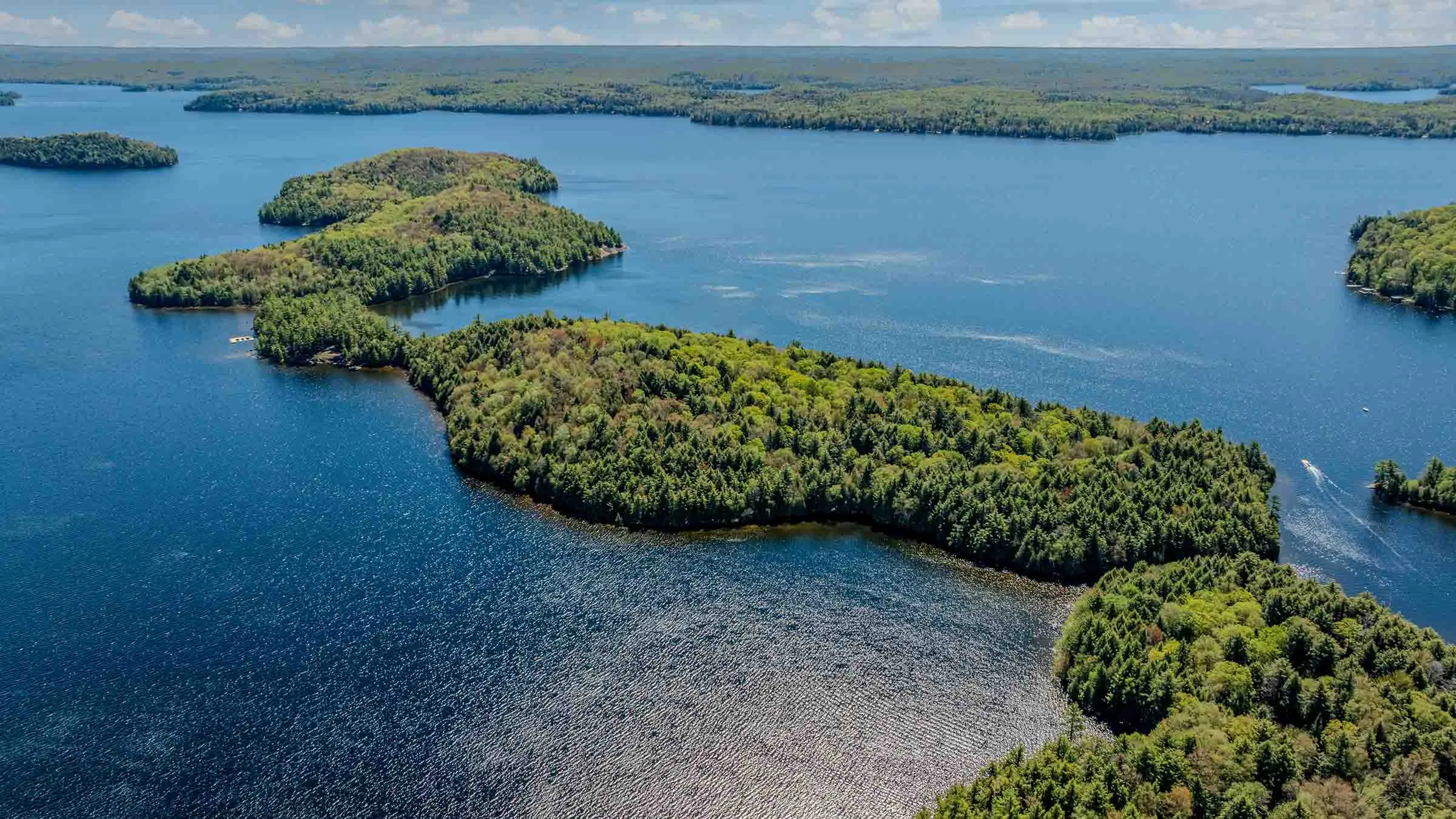
Skip to Content News Archives Economy Energy Oil & Gas Renewables Electric Vehicles Mining Commodities Agriculture Real Estate Mortgages Mortgage Rates Finance Banking Insurance Fintech Cryptocurrency Work Wealth Smart Money Wealth Management Investor Personal Finance Family Finance Retirement Taxes High Net Worth FP Comment Executive Women Puzzmo Newsletters Financial Times Business Essentials More Innovation Information Technology FP500 Podcasts Small Business Lives Told Tails Told Shopping Financial Post Store Obituaries Place a Notice Advertising Advertising With Us Advertising Solutions Postmedia Ad Manager Sponsorship Requests Classifieds Place a Classifieds ad Working Profile Settings My Subscriptions Saved Articles My Offers Newsletters Customer Service FAQ News Economy Energy Mining Real Estate Finance Work Wealth Investor FP Comment Executive Women Puzzmo Newsletters Financial Times Business Essentials Real EstateWealth'Horrified' by the gentrification: Carve-up of pristine Ontario cottage country island pits old money against newDevelopers are targeting large properties that have been in families for generations, such as a Muskoka island on Lake of Bays, as they look to cater to the uber-wealthy while local cottagers and government try to fight backPublished Jun 24, 2026 • Last updated 18 minutes ago • 10 minute read You can save this article by registering for free here. Or sign-in if you have an account.Langmaid's Island, in Lake on Bays, in prime Ontario cottage country 2.5 drives drive north of Toronto, was owned by an American family for close to a century. The sale of the 147-acre island, featuring several kilometres of undeveloped shoreline, was sold to a Toronto developer and plans are now afoot to a build a cottage community for the uber-rich, and the locals are not happy. Photo by Handout /Langmaid's Island CorporationHenry Adamson enjoyed classical music, good books, antique wooden boats, vintage sports cars and conversations that might last deep into the night. Heir to a Chicago dairy industry fortune, he never married and did not have any children. He lived alone in a well-heeled suburb and he died there on Sept. 3, 2014, as the result of an untimely fall.His obituary in the Chicago Tribune noted the health challenges he had faced with humour and grace and listed his passions, including for “the water,” a reference that rippled north to a pristine, 147-acre island with six kilometres of undeveloped shoreline in the heart of Ontario cottage country about a 2.5-hour drive from Toronto.Subscribe now to read the latest news in your city and across Canada.Exclusive articles from Barbara Shecter, Joe O'Connor, Gabriel Friedman, and others.Daily content from Financial Times, the world's leading global business publication.Unlimited online access to read articles from Financial Post, National Post and 15 news sites across Canada with one account.National Post ePaper, an electronic replica of the print edition to view on any device, share and comment on.Daily puzzles, including the New York Times Crossword.Subscribe now to read the latest news in your city and across Canada.Exclusive articles from Barbara Shecter, Joe O'Connor, Gabriel Friedman and others.Daily content from Financial Times, the world's leading global business publication.Unlimited online access to read articles from Financial Post, National Post and 15 news sites across Canada with one account.National Post ePaper, an electronic replica of the print edition to view on any device, share and comment on.Daily puzzles, including the New York Times Crossword.Create an account or sign in to continue with your reading experience.Access articles from across Canada with one account.Share your thoughts and join the conversation in the comments.Enjoy additional articles per month.Get email updates from your favourite authors.Create an account or sign in to continue with your reading experience.Access articles from across Canada with one accountShare your thoughts and join the conversation in the commentsEnjoy additional articles per monthGet email updates from your favourite authorsSign In or Create an AccountorAdamson’s grandmother bought Langmaid’s Island, dappled with sandy beaches, pine trees and rocky humps, on Lake of Bays in the Muskoka district in the 1920s. For decades thereafter, the family came to Canada each June and would stay through the end of August. They splashed in the lake, boated, shooed raccoons from the main cottage porch and delighted in spotting herons and other wildlife. Summer idylls that his older sister, Kate, described as “heaven on Earth.”Henry Adamson and his older sister, Kate, pictured in 1983, pull away from Langmaid’s Island, Ont., in a Duke Playmate, a classic wooden Muskoka boat built in nearby Port Carling. It was Kate Adamson’s final summer at the American family’s 147-acre, pristine Lake of Bays property, which was sold to a developer after her brother’s death to pay off his debts. Photo by Supplied /Kate AdamsonSUBSCRIBER EXCLUSIVE: FP West: Energy Insider brings you behind the oilpatch’s closed doors with exclusive insights from insiders every Wednesday morning.By signing up you consent to receive the above newsletter from Postmedia Network Inc.A welcome email is on its way. If you don't see it, please check your junk folder.The next issue of FP West: Energy Insider will soon be in your inbox.We encountered an issue signing you up. Please try again“It was an incredibly painful decision to sell the island, but there were some issues around my brother’s estate where we couldn’t just give it away,” she said from her home in Connecticut. “What is happening there now is terrible.”Either it is terrible or a forward march being propelled by Density Group Ltd., a Toronto-based developer operating as the Langmaid’s Island Corp. that purchased the island in a region travel brochures have referred to as the Hamptons of the North for $9 million after Adamson’s death.Thanks to some nifty legal footwork, it was granted permission to carve the island into 32 cottage building lots, overriding the wishes of the local cottagers and Lake of Bays’ township council, as well as Henry Adamson, who had made it clear to his sibling and his Canadian cottage neighbours that the island should be protected from development, but failed to mention that in his last will and testament, and a sale was required to pay off his debts.A developer wanting to build while neighbours kick up an almighty fuss to try to prevent it from doing so is nothing new in cottage country, but Langmaid’s Island presents a different sort of drama. The developer’s plan is not to build a Disneyland North and invite Toronto’s middle class to frolic in the lake, but to target buyers not dissimilar to the American family that owned the island for close to 100 years.It was an incredibly painful decision to sell the island, but there were some issues around my brother’s estate where we couldn’t just give it awayIn other words, people with the financial capacity to shell out about $9 million to $17 million for a cottage, depending upon which Langmaid’s Island lot they select, and whose fortunes may not date back to the Gilded Age, but still count as real money.“These are not the type of people who are going to want to rake their own leaves,” Todd Adair, founder of Cayman Marshall International Realty, the agency tasked with selling Langmaid’s Island properties to the next generation, said.To further enhance the island’s appeal, the development is being marketed as the Ritz-Carlton Residences Muskoka, and those who buy in can expect to be pampered accordingly.A boat chauffeur will ferry them to their docks. A members-only, Nordic-inspired spa is planned for the nearby mainland, along with a pickleball court and an archery range. Yoga classes, a golf simulator, chef services, a wine cellar and a working greenhouse stocked with fresh herbs all point to the good life that awaits, as do the fresh eggs, honey and rustic sourdough bread that will be produced onsite.The old Adamson main cottage has been restored for use as a sales presentation centre for a development that is being marketed as the Ritz-Carlton Residences, Muskoka. The island’s 32 “estate” homes range in price from about $9 million to $17 million. Photo by Handout /Langmaid's Island CorporationFive island properties have been sold to date and the big draw, Adair said, is that it is “the easy button.” Where, once upon a time, a dad might tinker with a boat motor or replace a few rotting boards on the dock, contemporary wealthy folk want a cottage to get away from doing any work, although not so far away that they don’t have access to a yoga studio.“People used to come up here and build a summer cottage, typically a modest place, and then they’d use it,” Nancy Tapley, a long-time Lake of Bays council member, said. “Now we have mansions by the lake and nobody is ever in them.”Langmaid’s Island is an especially touchy subject for her. The island falls within a designated Muskoka heritage area. Density Group principal Sean Majerovic and his team submitted a request to amend the township’s official plan and to “clarify and refine” the policy relating to the island’s heritage designation.The township missed a deadline to respond to this request by a “couple of hours,” according to Tapley, so the developer made haste and appealed its case to the Ontario Land Tribunal (OLT) and that, as they say, was that.Now we have mansions by the lake and nobody is ever in them“I have yet to see the OLT in my experience say, ‘Hold on a second, what do we have here?’ Their philosophy is always to build, build, build,” she said.Don’t get the wrong idea: Tapley is not anti-development. The township’s preference would have been to allow for 12 cottage lots, she said, and put more of the focus on the island’s conservation. She does not begrudge the American owners for selling it in the first place either since the siren song of money is hard enough to resist these days, even for the locals who like to talk a big game about preservation in the face of development pressure.Tapley gets calls all the time asking her to sell the cottage resort she owns and operates at the opposite end of the lake. The 73-year-old’s grandfather was an operatic tenor who toured the world with Gilbert & Sullivan and, in 1905, bought a 600-acre farm on Lake of Bays, only to discover the land was full of rocks. He did, however, have a sizable waterfront and a brilliant spouse with the bright idea that they could rent tent platforms to workers in the region.That rental business gradually evolved into the mom-and-pop-style cottage outfit that Tapley runs today, where cabins that sleep five cost $2,100 a week and you do not hear a lot of chatter about rustic sourdough bread on demand during the summer high season.Nancy Tapley is a long-time council member with the Lake of Bays township in Ontario. The township opposed the Langmaid’s Island development to no avail. Photo by Handout /Nancy Tapley“We have got customers that have been coming back for 60 years,” she said.Tapley’s nephew and his wife have already signed on to keep running the joint running once she is no longer able to. If and when they do cash out, she envisions conservation being a keystone component of any transaction.“We love the land, we love the lake, we love the wildlife,” she said. “It is why we are here, but the lake has changed beyond all recognition in my time.”Adair is part of that change. He is also from cottage country and worked on real estate industry-related software until he realized that instead of trying to build a better mousetrap in the service of others, he could open a real estate company and make a ton of money selling high-end cottages.Nancy Tapley’s grandfather was an opera tenor with Gilbert & Sullivan and he purchased a 600-acre farm on Lake of Bays in 1906. Tapley operates it today as a mom-and-pop-style cottage resort. Photo by Handout /Nancy TapleyApproximately half the deals that get done in the market’s uppermost tier are private sales, he said, involving multimillionaire A selling to multimillionaire B through their representatives. If the local rumours are true, these deals can run anywhere from $30 million to $100 million, but the numbers associated with them do not get rolled into Lake of Bays’ average sale.The most expensive recorded sale on the lake in 2025 was for about $5 million, while the average price was closer to $1.7 million, down from the $2.76-million, pandemic-driven market peak in 2023. Paying about $9 million for a starter cottage on Langmaid’s Island might represent a big step up in price, but it is a relative bargain in comparison to the deals that get done.Adair has been getting plenty of inquiries on Langmaid’s, often from expats who went abroad and earned a hefty penny and harbour childhood memories of summers by the lake. But he also gets calls from existing Muskoka district cottage owners who are weary of looking after their own place and would not mind handing over the proverbial keys to a boat chauffeur.The lake has changed beyond all recognition in my timeIn the snobbish hierarchy of Ontario cottage country, Lake of Bays, which is located just east of the so-called big three Muskoka lakes — Joseph, Muskoka and Rosseau — has traditionally been cast as more rustic and less flashy.It is also generally cheaper, as evidenced by last year’s $3.25-million average sale price for waterfront properties on the big three. One local wag, who asked not to be named, framed the dichotomy like so: Lake Muskoka people like to hang their money off of the dock; in Lake of Bays, they like to hide it behind the trees.They are not the only ones hiding. Adair does most of the talking about the Langmaid’s Island development because Majerovic would evidently prefer not to, at least not to a journalist.Majerovic, however, grew up at an island cottage around the corner from the island that has been causing all the fuss. His wife, Shari, is the daughter of Sam Herzog, a prominent Toronto builder who passed away a few years back. In addition to his dealings on the lake, Majerovic is behind a major condo tower proposal in Toronto’s north end.In the snobbish hierarchy of Ontario cottage country, Lake of Bays, which is located just east of the so-called big three Muskoka lakes — Joseph, Muskoka, pictured, and Rosseau — has traditionally been cast as more rustic and less flashy. Photo by GETTY IMAGESThere are not too many folks left in the area who have memories of Henry Adamson. His eyesight started to fail midlife and while he knew every path, rock and corner of Langmaid’s, his trips to Canada became less and less frequent until he stopped coming altogether several years prior to his death.Simon Miles had a cottage on a neighbouring island and he remembers his dinners with Henry well. He said the guy could talk about anything and pick up a guitar and play anything. He did not work so much as enjoy the good things in life. Old boats, or “woodies,” as Adamson referred to them, met the criteria and it helped that he was an ace mechanic and capable of maintaining them.In sum, he was a kindly sort and not overly fussed by the picnickers who would appear on the island’s beaches — picnickers who would not be welcome in the Ritz version of Langmaid’s — just so long as they cleaned up their mess.“It would be fair to describe Henry as an environmentalist,” Miles said.Henry Adamson, who died in 2014, in the doorway of the boat house at Langmaid’s Island. He had hoped that the 147-acre property in the heart of Ontario cottage country would be preserved in perpetuity. Photo by Handout /Kate AdamsonHe is one of the founders of the Lake of Bays Heritage Foundation, a non-profit started in the mid-1980s that is dedicated to the “preservation of the natural and community heritage of the Lake of Bays region.” He and Adamson talked a lot about Langmaid’s future, discussions that touched upon the American possibly donating the island, but he was not ready to go there and then all of a sudden, he was gone for good.A group of cottagers scrambled to raise enough funds to buy the island after Adamson’s death, but the $1 million they raised could not compete with the $9 million Majerovic came forward with.Miles put his island up for sale in 2020. He expected it would take five years to find a buyer, but along came the pandemic and it sold to the first person who looked at it. He doesn’t miss the place and he doesn’t care to publicly disclose how much he sold it for.“Having the cottage was great fun when I was younger because if something needed to be fixed, I’d have my summer project,” he said. “But at 87, I don’t want to be repairing a dock at this point, especially if I have already repaired it three times over the last 50 years.”Kate Adamson stopped coming to the island in the early 1980s. She had two young kids and their activities drove the family’s summer plans. She and her husband would typically visit relatives in the Chicago area and the southern U.S. when they got away from their Connecticut home.“Sometimes I wonder how life would have been different for my children had they spent their summers in Canada,” she said.Even in her own time, the island was in some ways better suited to her grandmother’s era, an age when there was a Swedish cook to do the cooking, a caretaker named George and, when the grandkids were young, a nanny to look after them. There may not have been a pickleball court, but the dairy money paid for a few perks.Once her brother stopped being able to go to the island, others came. Cottage buildings were vandalized; a party animal put a boat anchor through the hull of one of his cherished woodies; locals stashed a barbecue in the woods near the beach; and trash piled up.Adamson has been looking through old photographs of late and what she loved most about her Lake of Bays summers was the “water.” The island’s new owners have renovated the old main cottage and turned it into a sales presentation centre with 27 lots still up for grabs. An open house is planned for mid-July.“It is the change of a way of life, and my brother would be horrified at how gentrified life has become on Lake of Bays,” she said. “But that, today, is the way of the land.”• Email: joconnor@postmedia.com Join the Conversation This website uses cookies to personalize your content (including ads), and allows us to analyze our traffic. Read more about cookies here. By continuing to use our site, you agree to our Terms of Use and Privacy Policy.
'Horrified' by the gentrification: Carve-up of pristine Ontario cottage country island pits old money against new
A pristine island on Ontario's Lake of Bays is slated to be divided into building lots for the uber-wealthy and locals aren't happy. Read on
3,108 words~14 min read