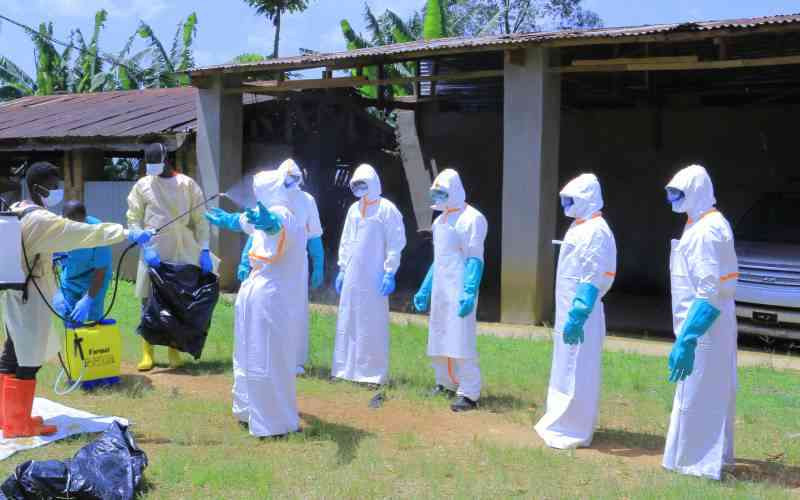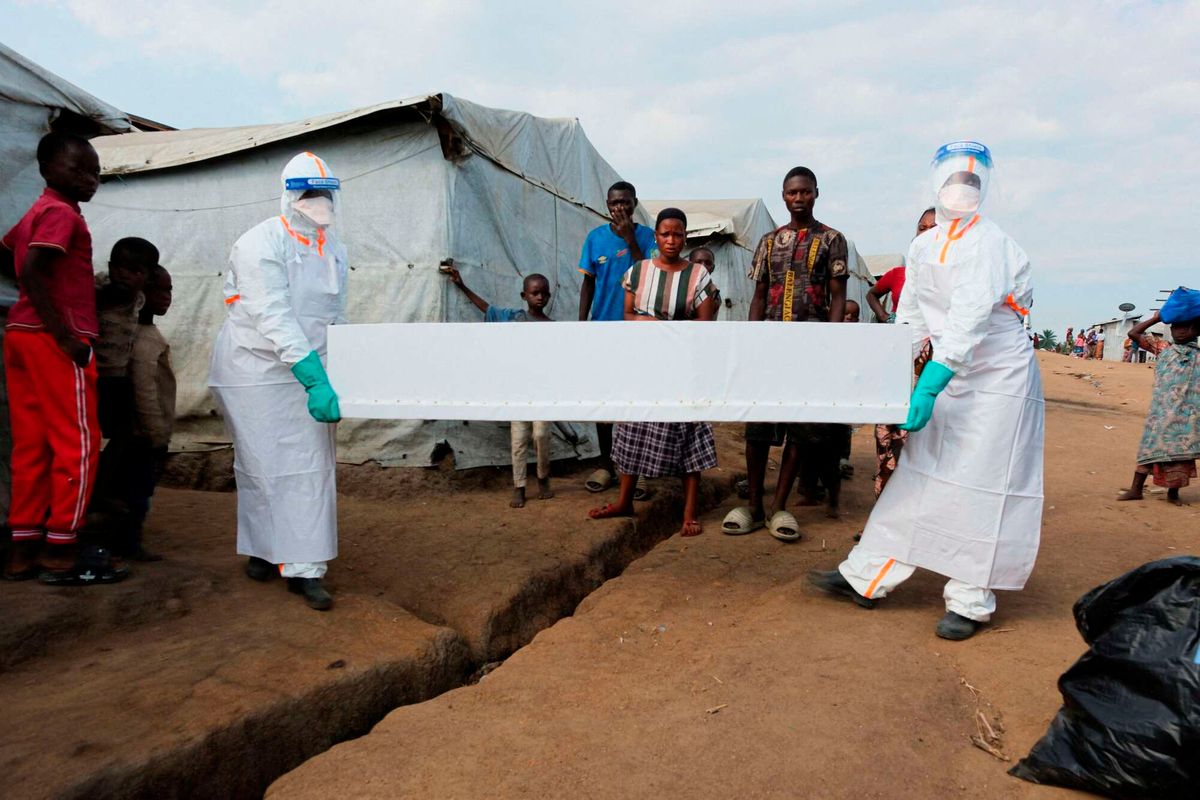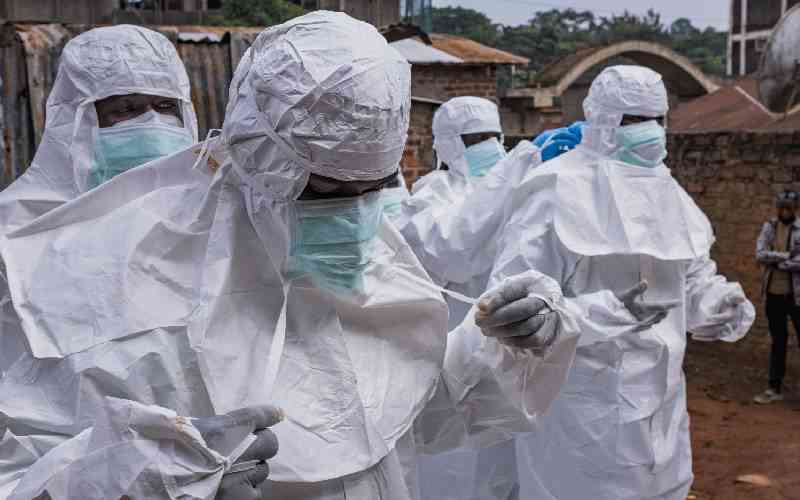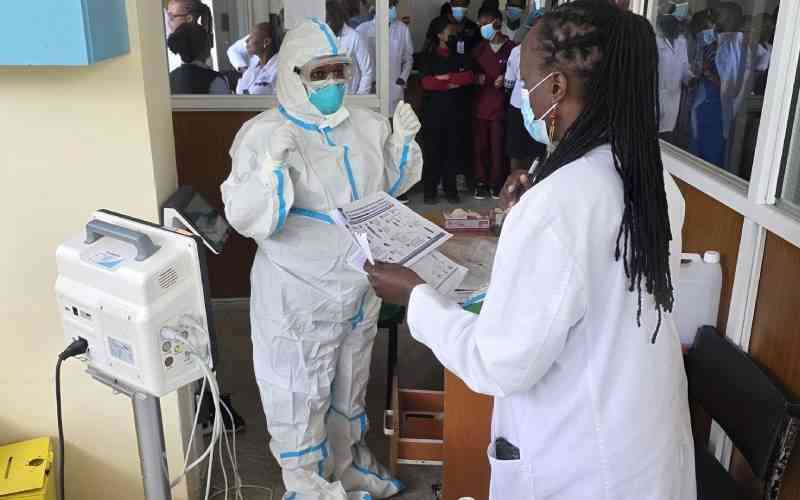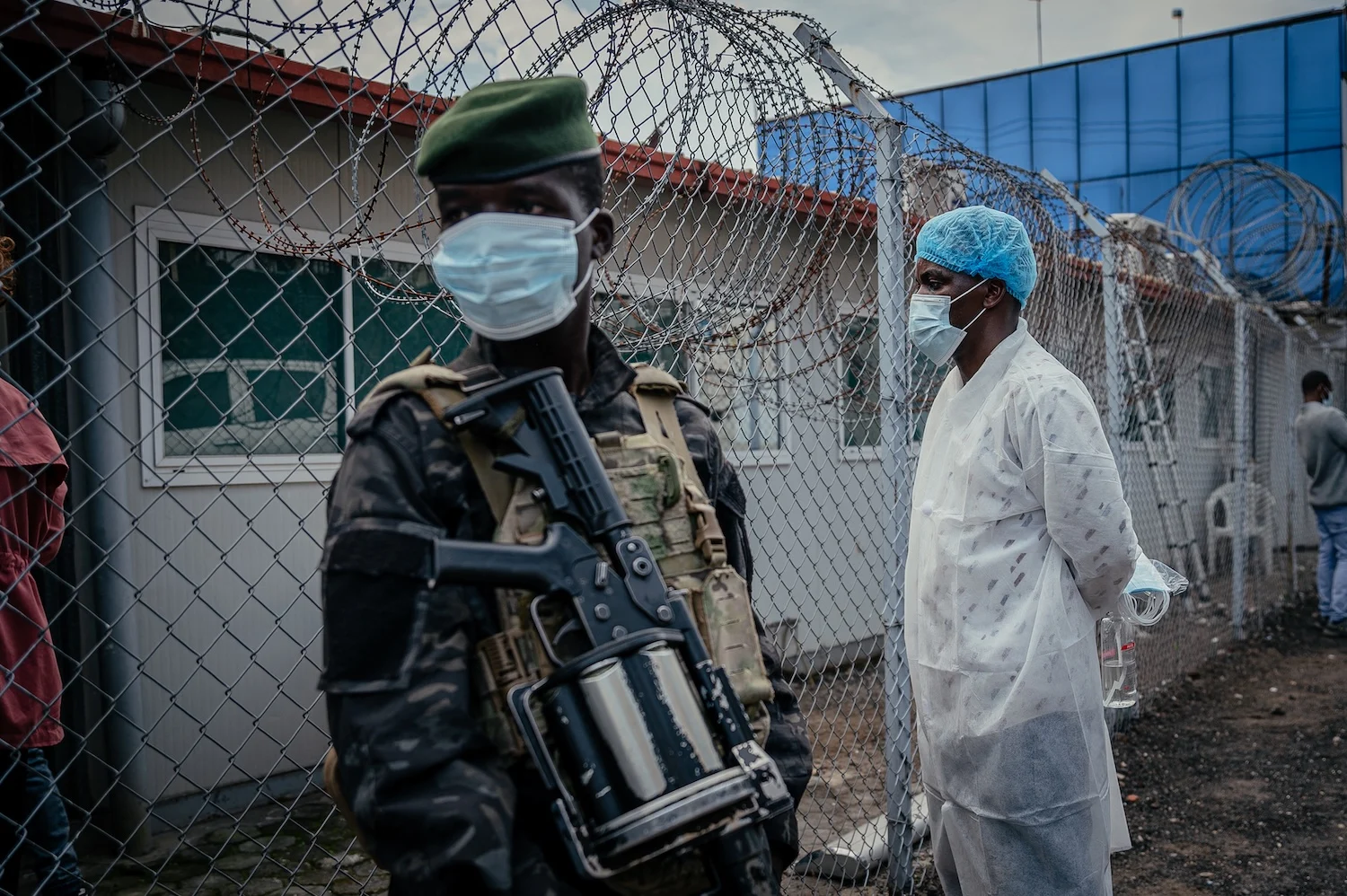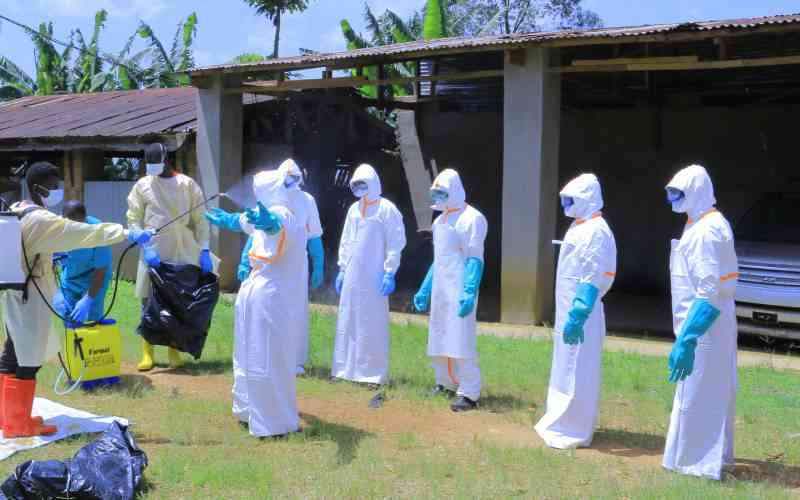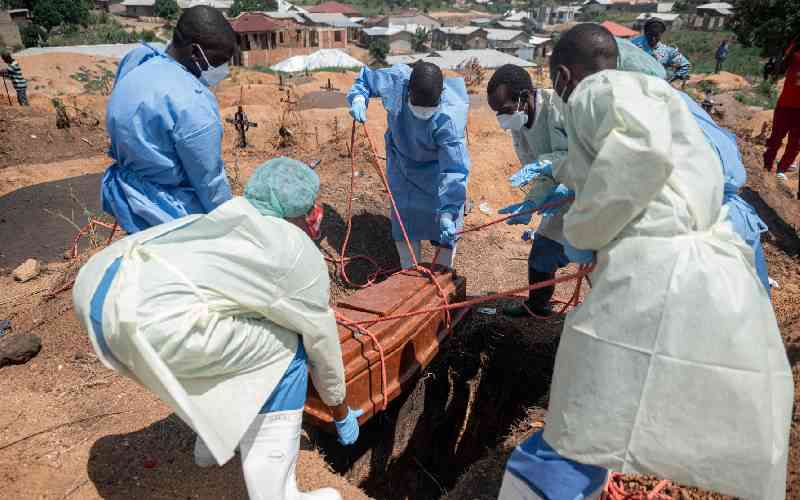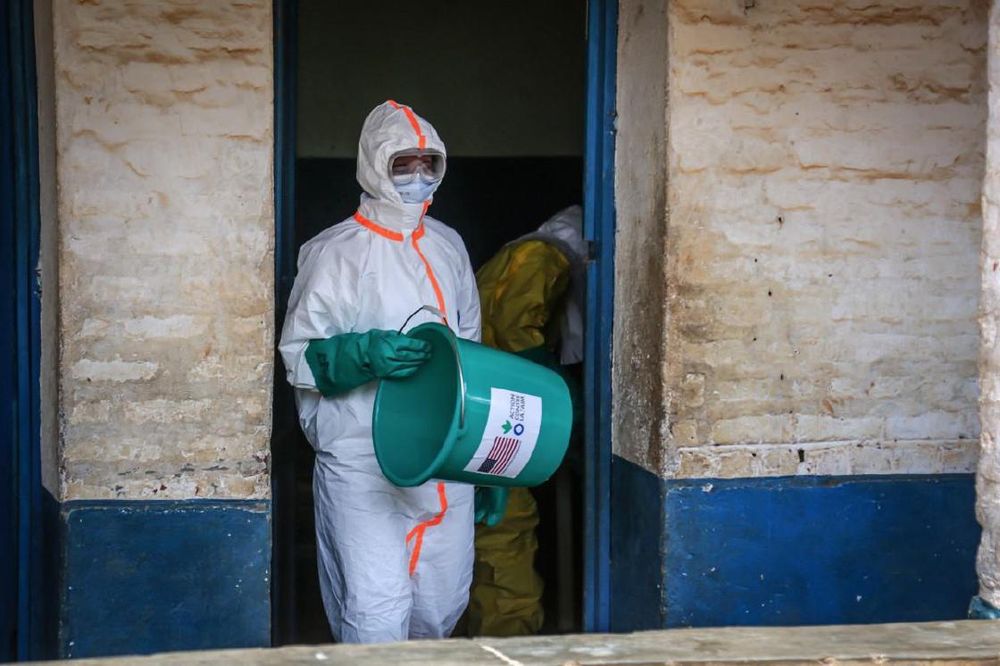
The global debate surrounding biological warfare has returned to the forefront of international security discussions. Advances in biotechnology, synthetic biology, artificial intelligence and genetic engineering have dramatically lowered barriers to manipulating pathogens. At the same time, the COVID-19 pandemic demonstrated how rapidly infectious diseases can overwhelm healthcare systems, disrupt economies and destabilise governments.
For Africa, the question is no longer whether biological threats are possible. The question is whether the continent is prepared to detect, contain and recover from a deliberate biological attack.
The answer is mixed.
Africa is considerably better prepared today than it was during the Ebola outbreaks of the early 2010s. The creation of the Africa Centres for Disease Control and Prevention (Africa CDC), improvements in disease surveillance and growing regional cooperation have strengthened the continent’s ability to respond to health emergencies. However, significant gaps remain in laboratory infrastructure, pharmaceutical manufacturing, military biodefense capabilities and public health funding.
The strategic challenge is that biological warfare does not resemble conventional warfare. A missile strike is visible. A tank invasion is obvious. A biological attack may initially appear indistinguishable from a natural disease outbreak.