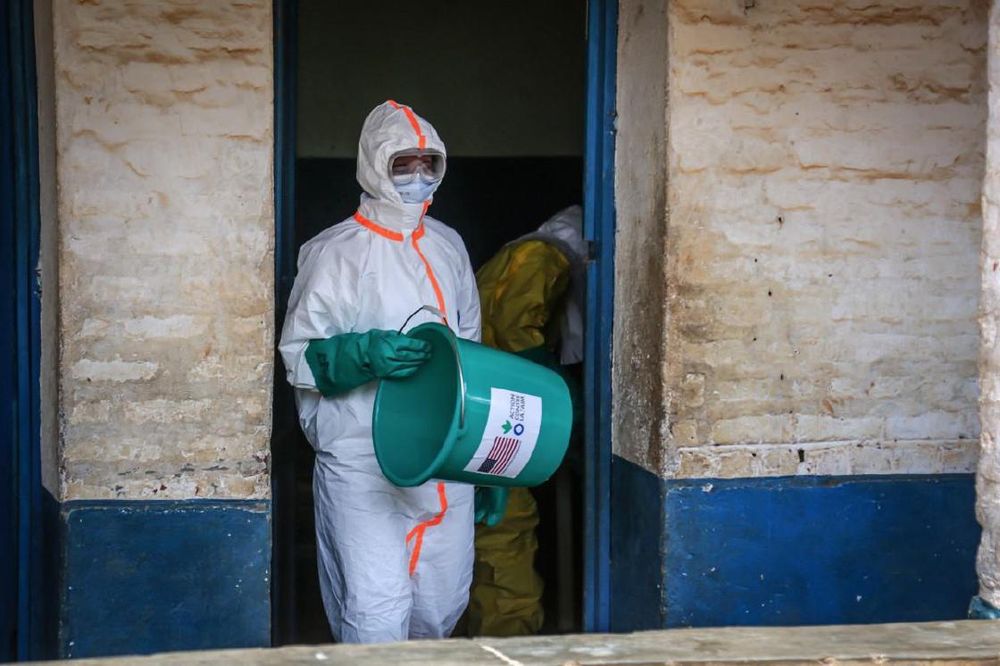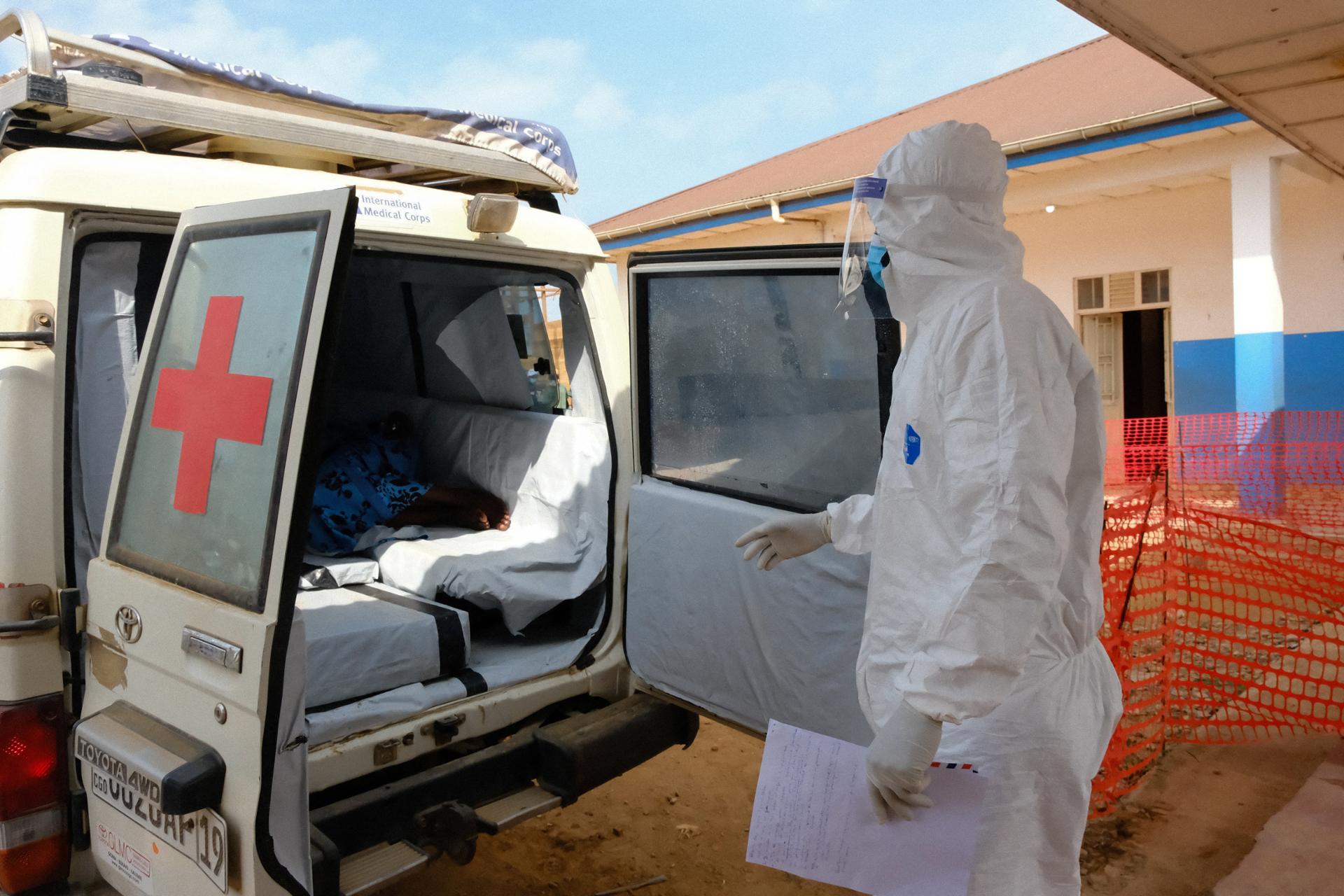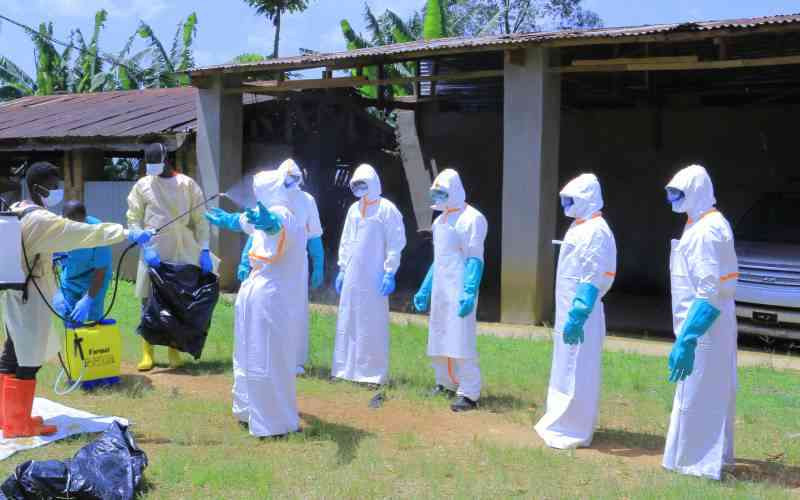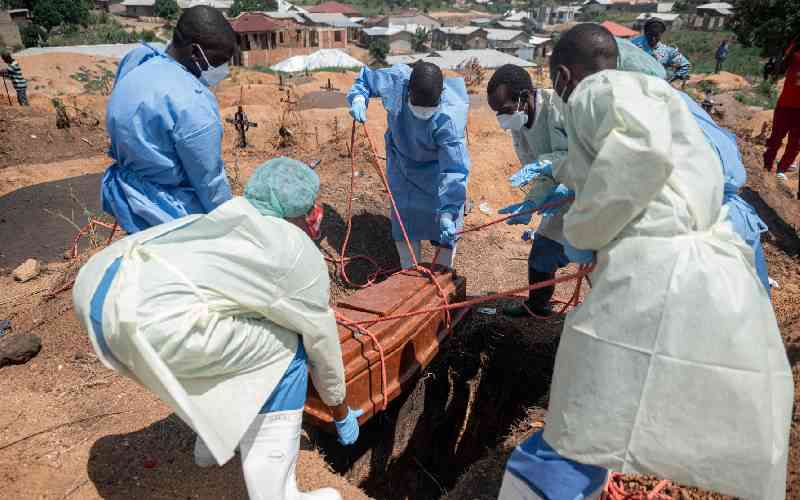
Teams from the International Federation of the Red Cross and Red Crescent Societies bury the fourth orphan who died from Ebola at Mbiyo cemetery in Bunia, Ituri Province, on June 19, 2026. [AFP]
The next major infectious disease outbreak in Africa will not arrive politely through a hospital gate. It may arrive through a border post, a cattle market, a mining town, a truck stop, a refugee camp, an airport lounge, a mission hospital, a crowded school or a fishing village. By the time an official statement is released, fear may already be moving faster than the disease.
Africa must therefore stop treating infectious diseases as hospital matters only. They are security, economic, diplomatic and human survival questions. A disease outbreak can close borders, stop trade, empty classrooms, overwhelm hospitals, destroy tourism, weaken armies, divide communities and expose whether citizens trust the state when danger comes.
Long before colonial hospitals, African traditional societies had ways of managing infectious diseases. They may not have used the language of “epidemiology”, but they understood danger, isolation, cleansing, herbal treatment, community protection and respect for healers.
These systems were not perfect. Some explanations of disease were spiritual rather than biological. Some practices could delay referral. But they carried one lesson modern Africa should not forget: disease control works best when communities are involved. A people who trust their elders, healers, chiefs, religious leaders and local health workers will respond faster than a people who hear instructions only from distant capital cities.