Audio By Vocalize
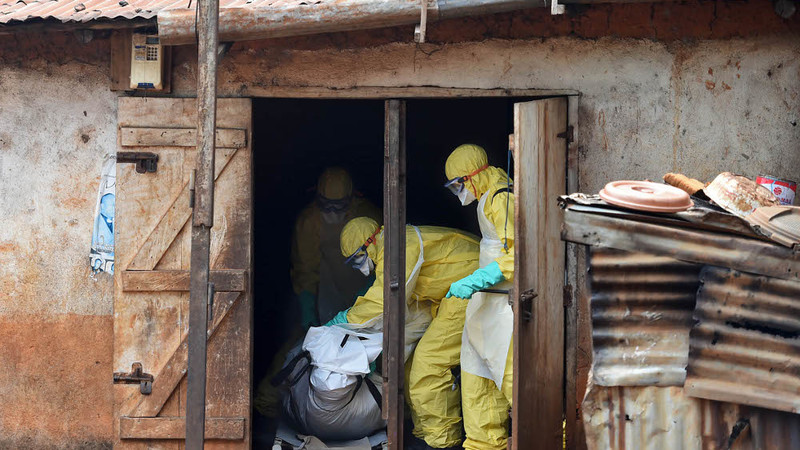
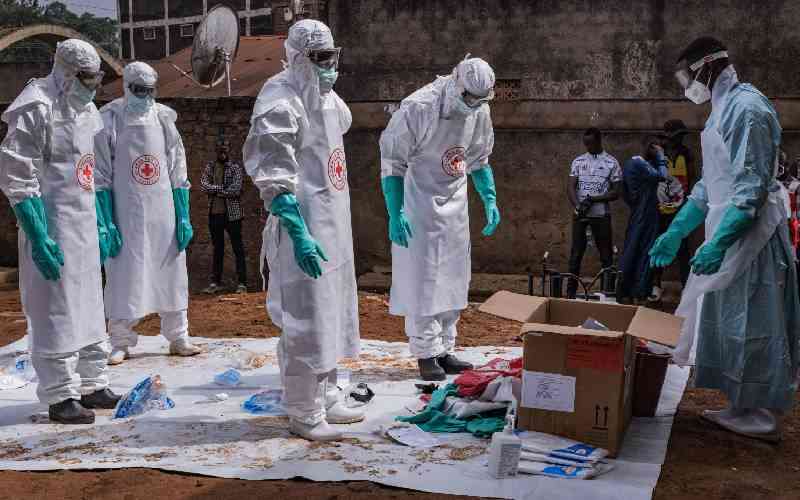
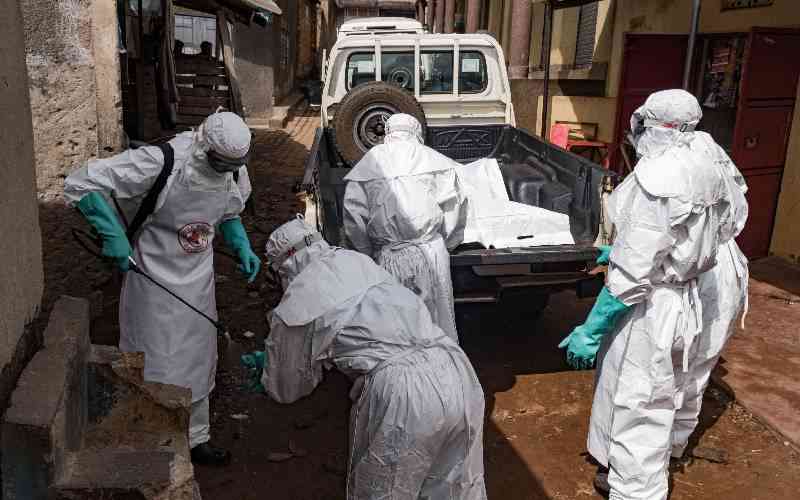
Workers from the Uganda Red Cross Society don protective suits as they prepare to evacuate the body of a suspected Ebola victim in Kampala on May 26, 2026. [AFP]
The debate over a proposed Ebola quarantine and preparedness facility in Kenya has evolved into more than a discussion about disease control. It reflects deeper tensions in governance, constitutional rights, devolution, and trust in national decision-making.
What began as a technical proposal for outbreak readiness has become a sensitive issue, raising questions about sovereignty and direction of our health system at a time when citizens already feel pressure from everyday healthcare challenges.
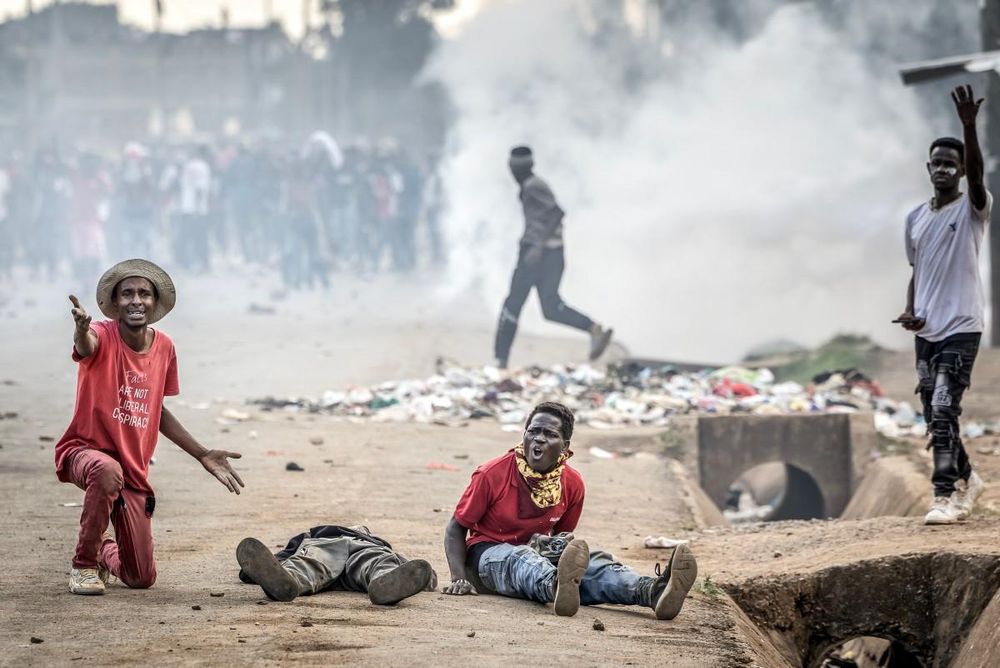
The reported facility in Laikipia County, linked to international cooperation and defended by senior national government officials as an emergency public health measure, sits at the centre of the controversy. Authorities argue that public health law allows urgent interventions without extensive public participation. This has triggered debate, protests in some areas, and legal challenges, with concerns that counties and citizens have not been meaningfully engaged.