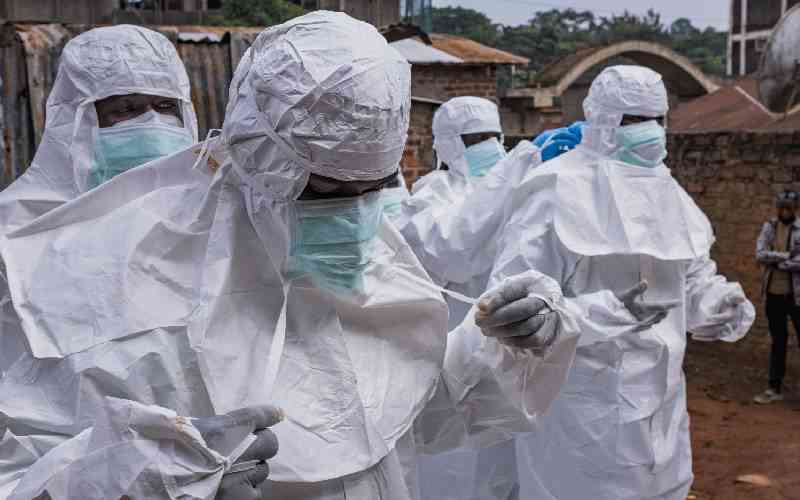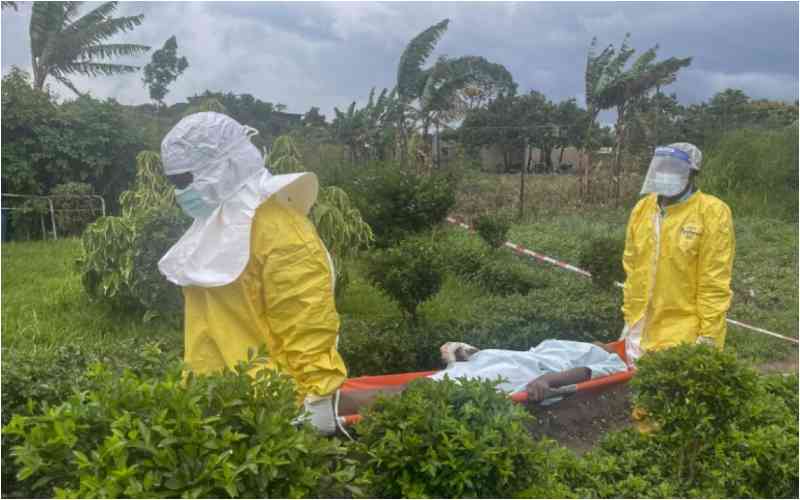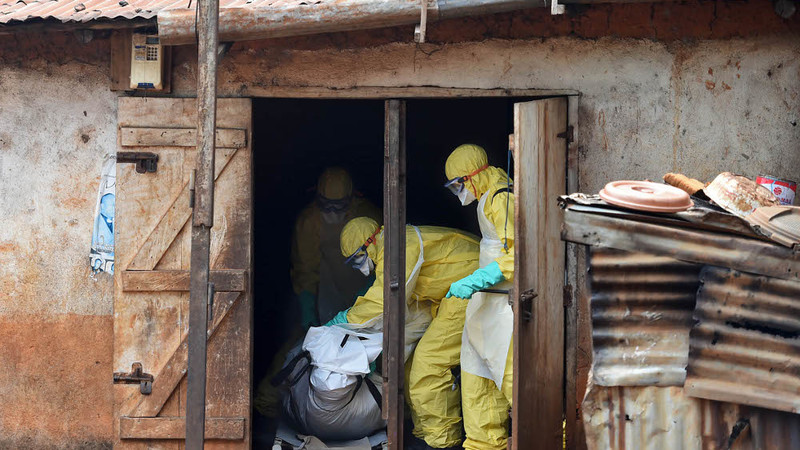
Ebola was first identified in what is now the DRC in 1976 and named after the nearby Ebola River. (File Photo)
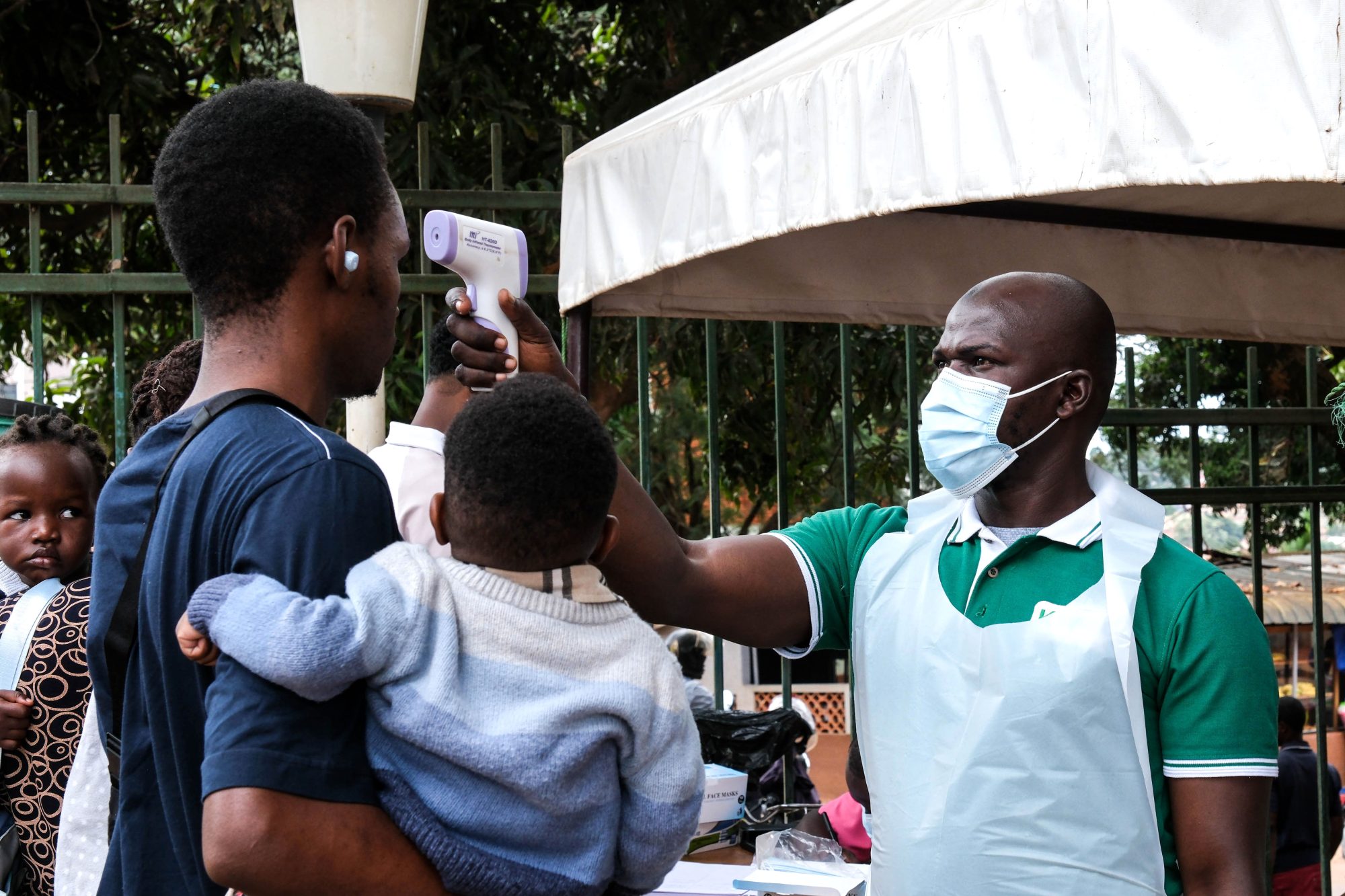
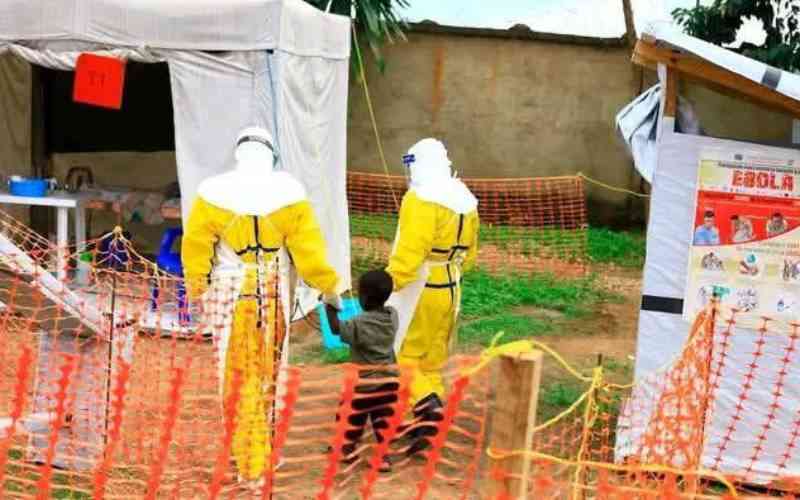
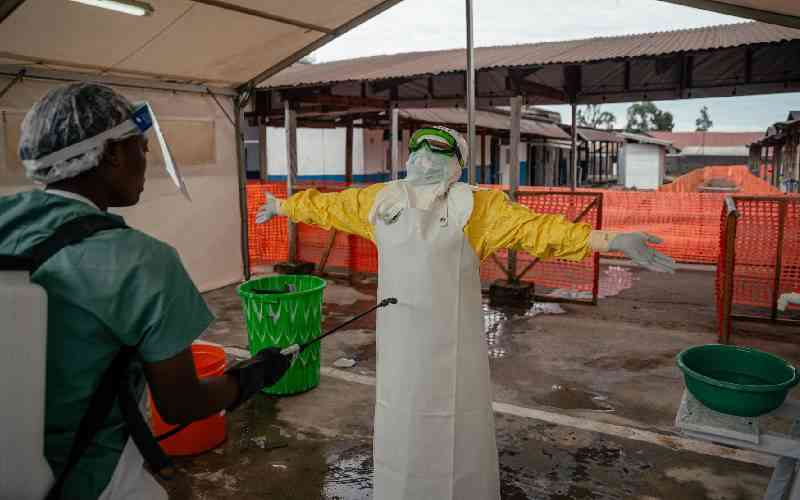
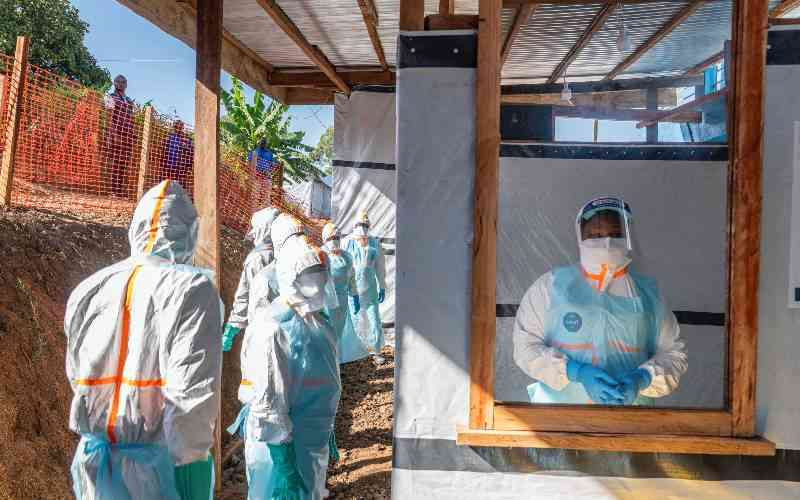
Ebola has again become a serious public health emergency in the Democratic Republic of the Congo (DRC), and the country, with international partners, has been scrambling to contain it. The World Health Organisation (WHO), national authorities and humanitarian agencies have mobilised expertise, supplies and surveillance support. Yet they are doing so in eastern DRC, where insecurity, displacement, weak infrastructure and difficult terrain have long frustrated state authority. The outbreak is therefore more than a medical emergency. It is also a test of whether the world responds to epidemics through genuine solidarity or through the false comfort of distance.
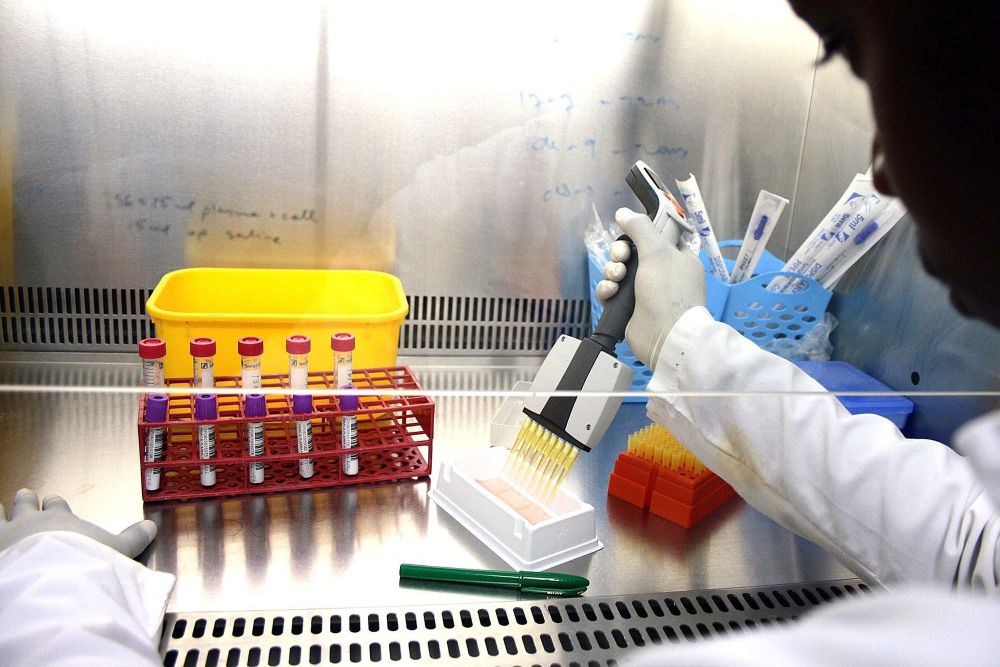
Ebola was first identified in what is now the DRC in 1976 and named after the nearby Ebola River. Its reappearance in the broader region is therefore no surprise. What is especially worrying in the current outbreak is that it involves the Bundibugyo strain, for which there is no licensed vaccine or virus-specific treatment, and that early detection was hampered because initial field tests were not designed to identify it. When surveillance and diagnosis are delayed, tracing and breaking chains of transmission becomes far harder.