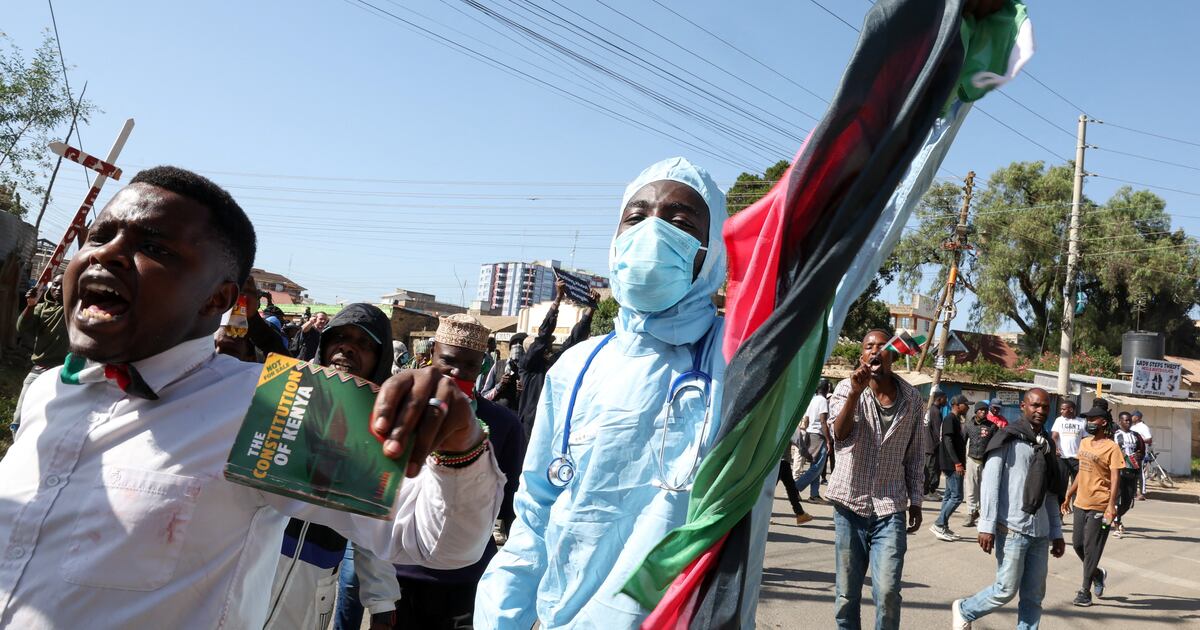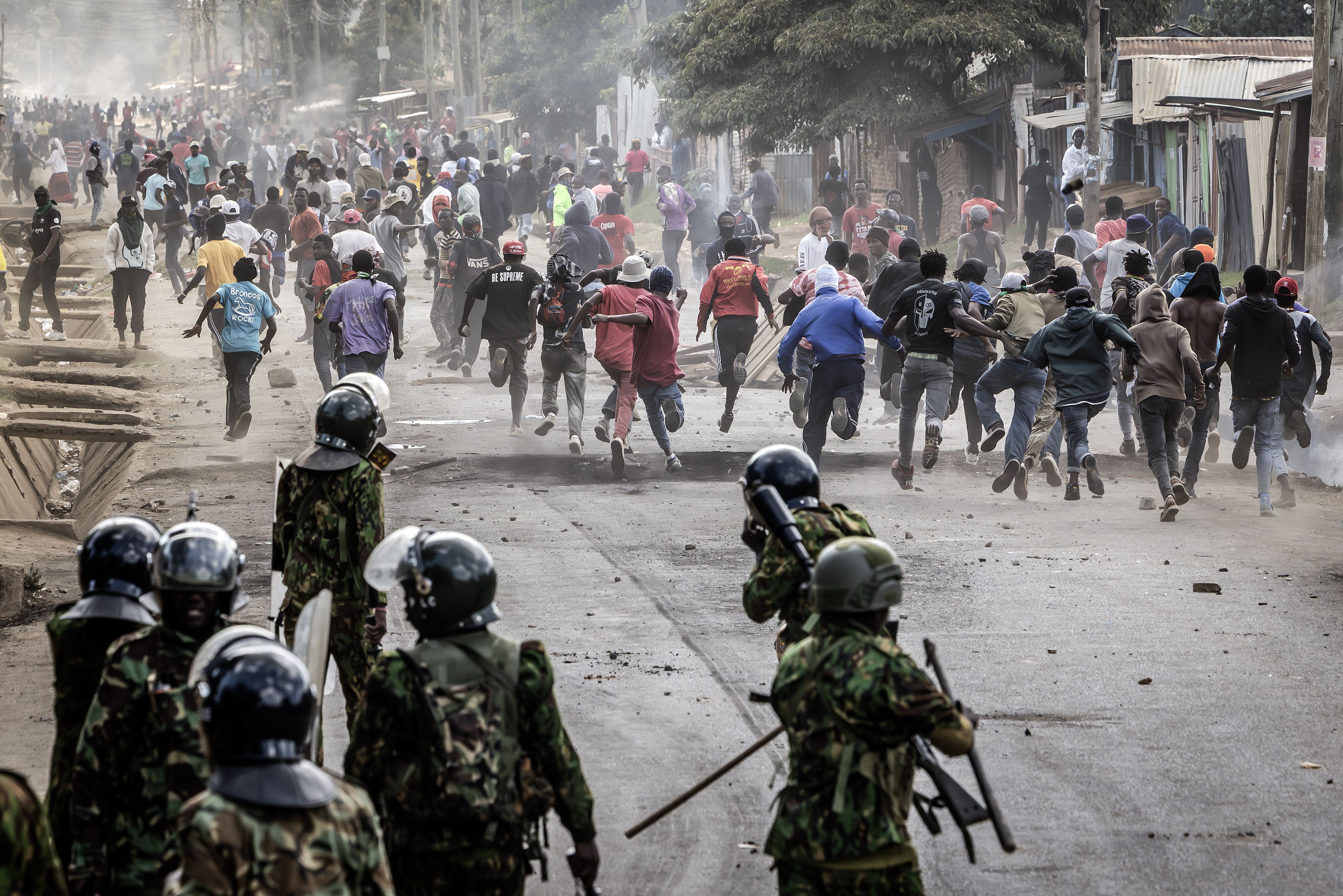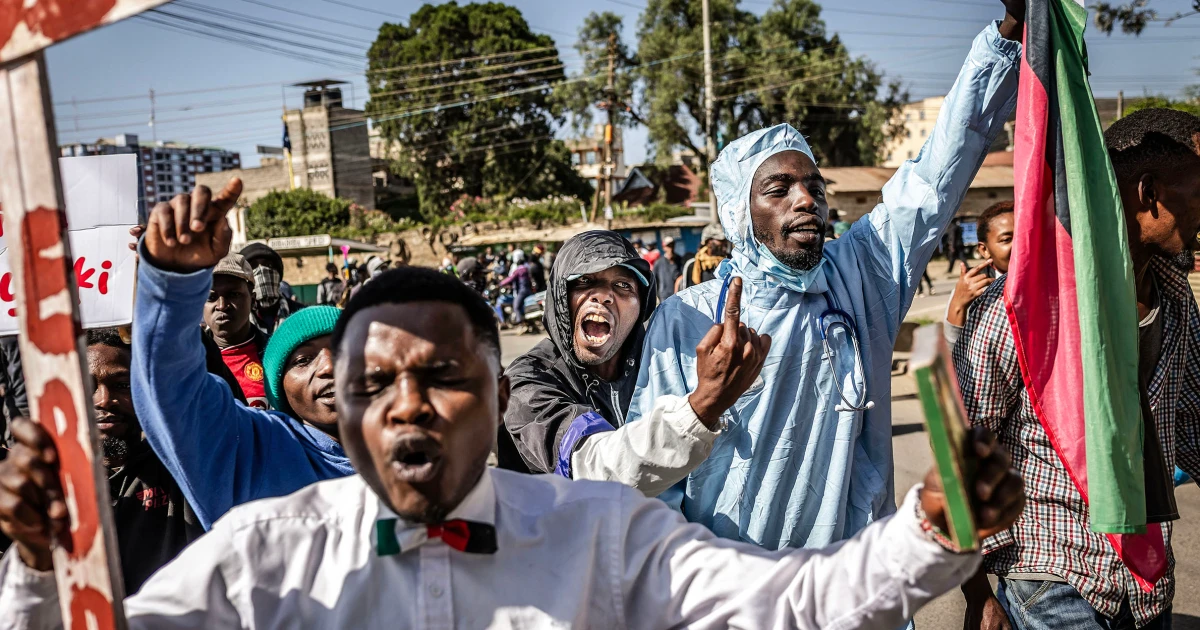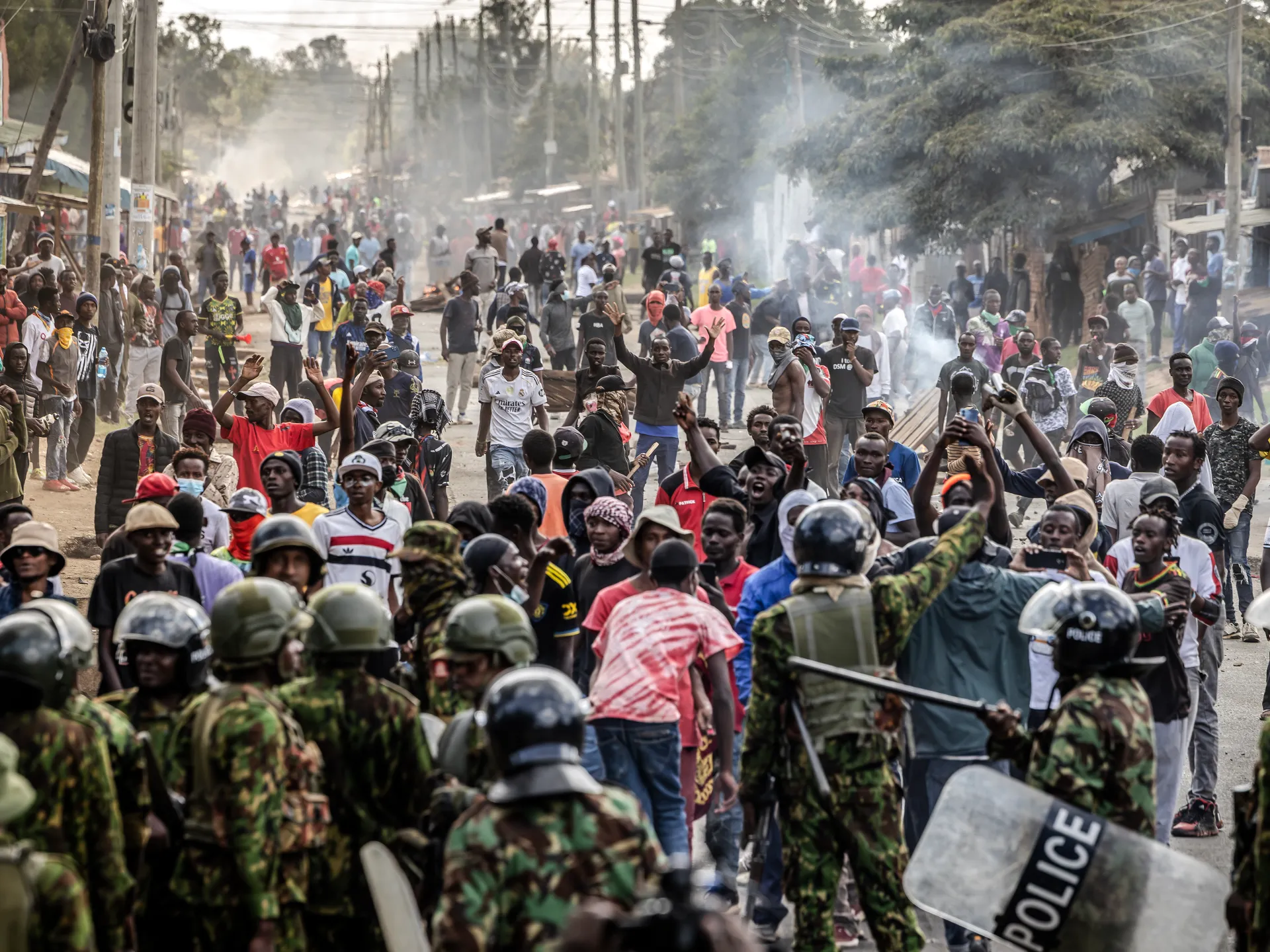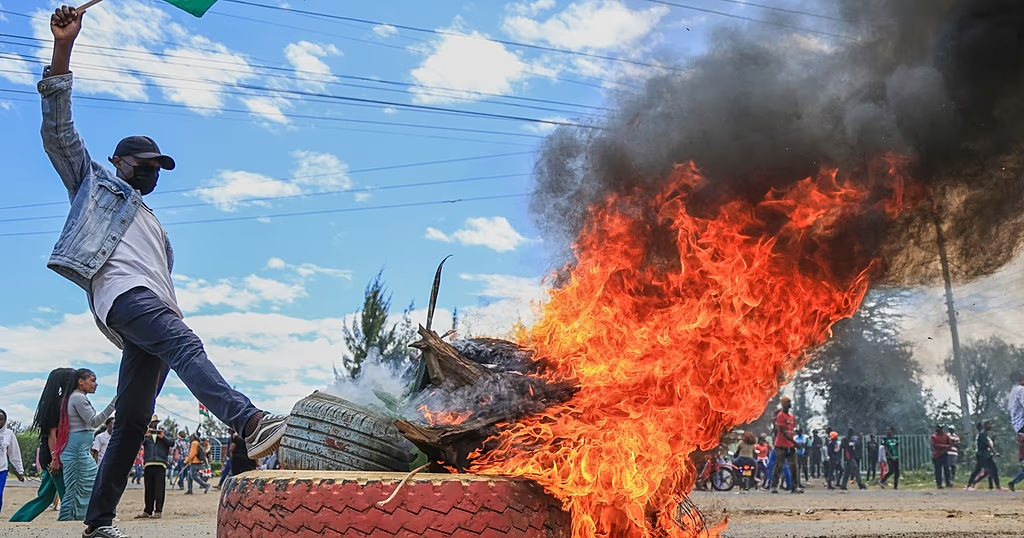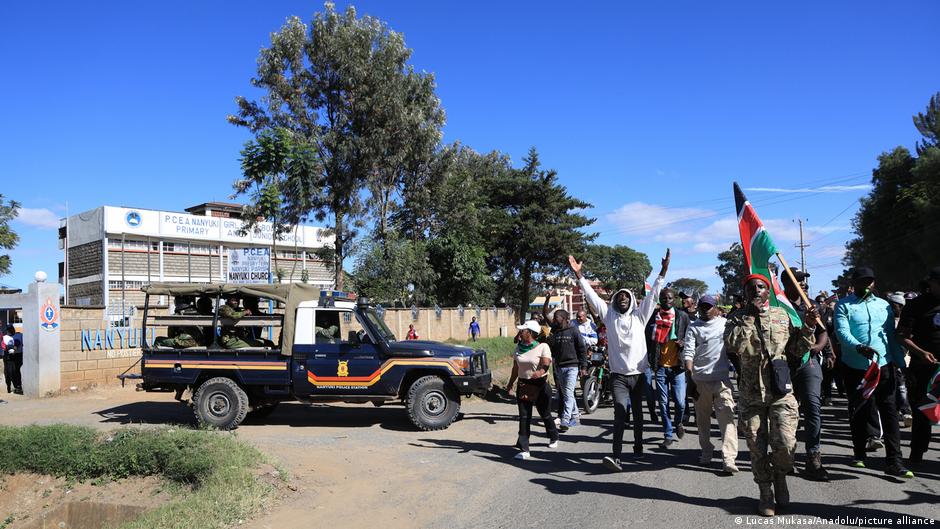
Demonstrators seek help for a seriously injured protester as clashes erupt with Kenyan police officers during a demonstration against a controversial US-built Ebola quarantine centre at the Laikipia Air Base in Nanyuki on June 9, 2026.
Busani Ngcaweni
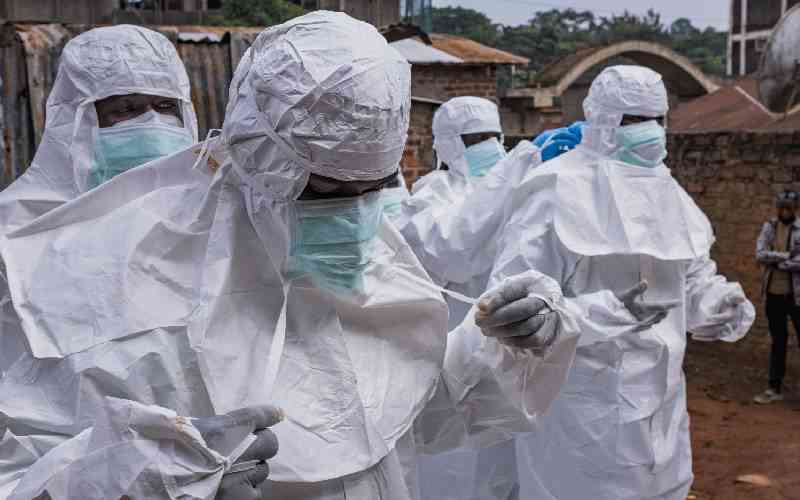
The main news item in African media this past week has been the controversy surrounding a proposed U.S.-funded Ebola quarantine facility in Kenya. What began as a public health initiative has rapidly evolved into a politically charged national dispute. The project has triggered protests and legal action.
Two people have reportedly died during demonstrations. The High Court, according to media reports, has ordered the government to disclose details of the agreement underpinning the facility, while public debate has expanded beyond epidemiology to questions of sovereignty, transparency and public trust.
These public protests suggest that many Kenyans are not merely contesting the health facility and the U.S. imperialist conspiracy surrounding it. They are contesting the way consequential public decisions are made, communicated and justified. In this respect, the proposed facility has become a vehicle for expressing deeper anxieties about governance, accountability and state responsiveness.