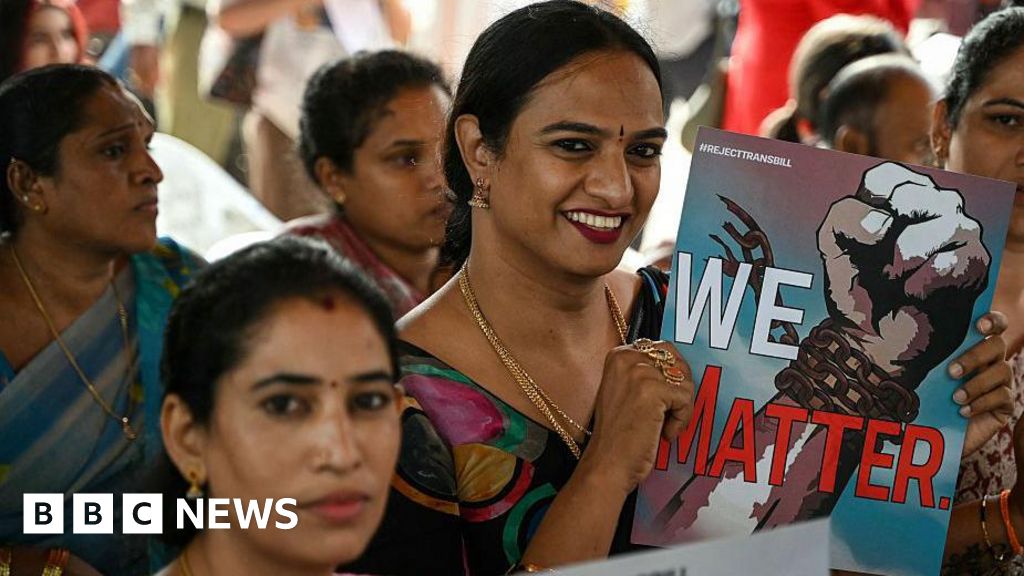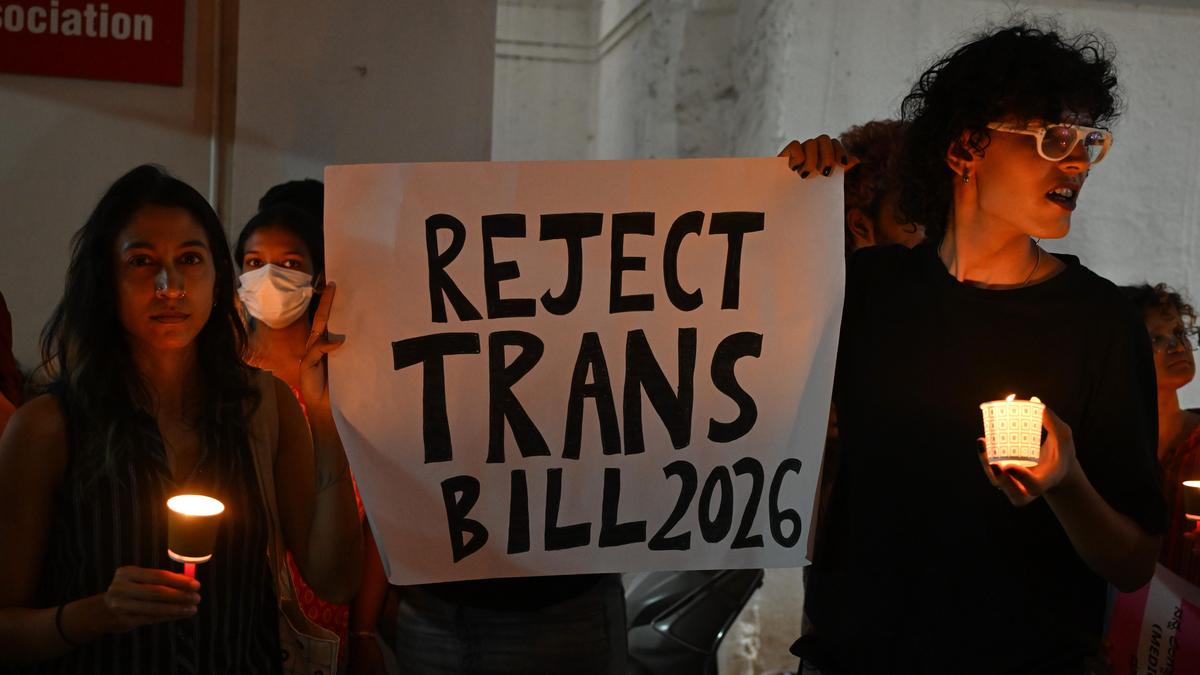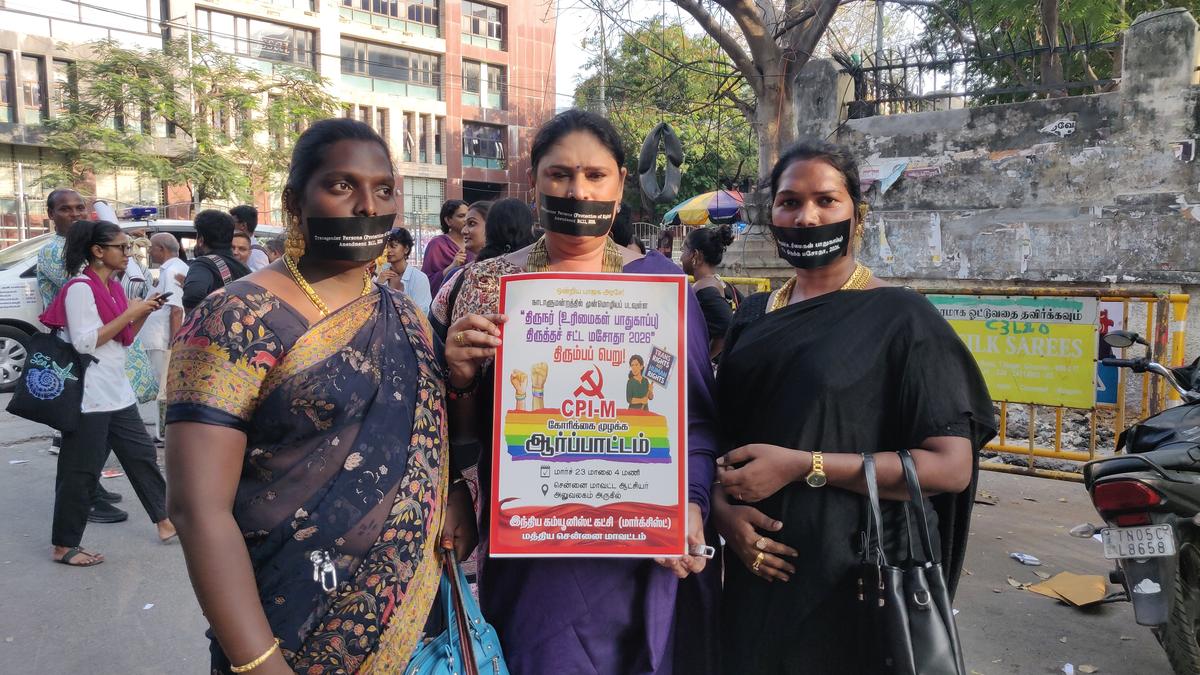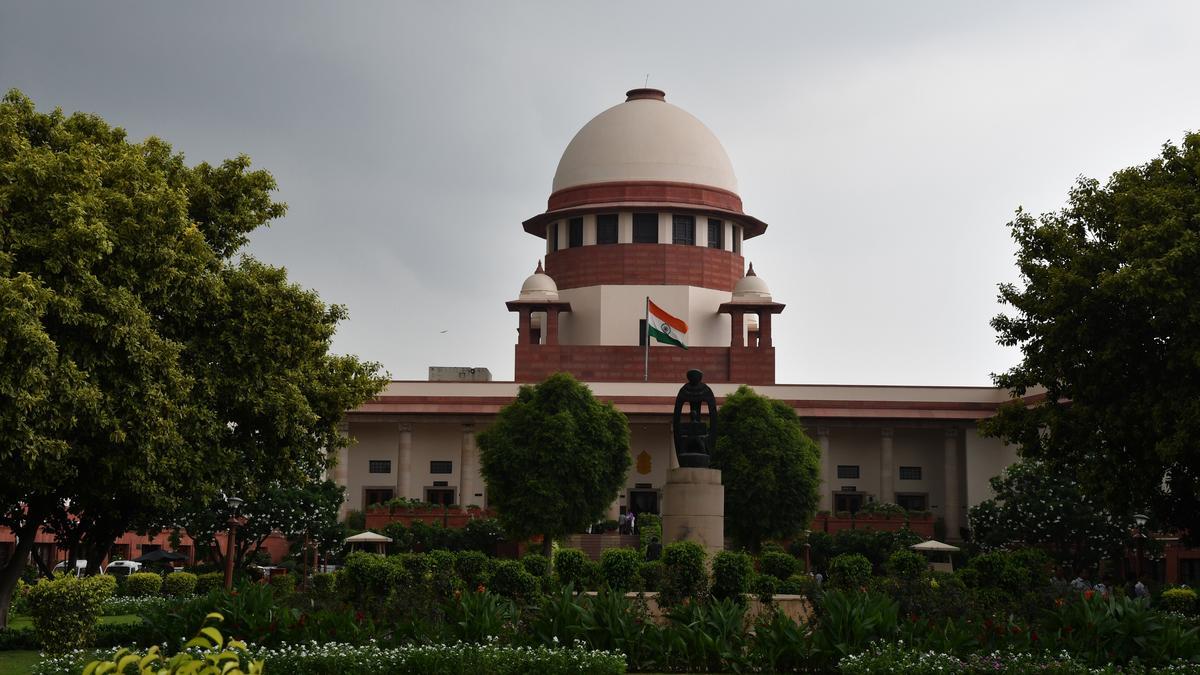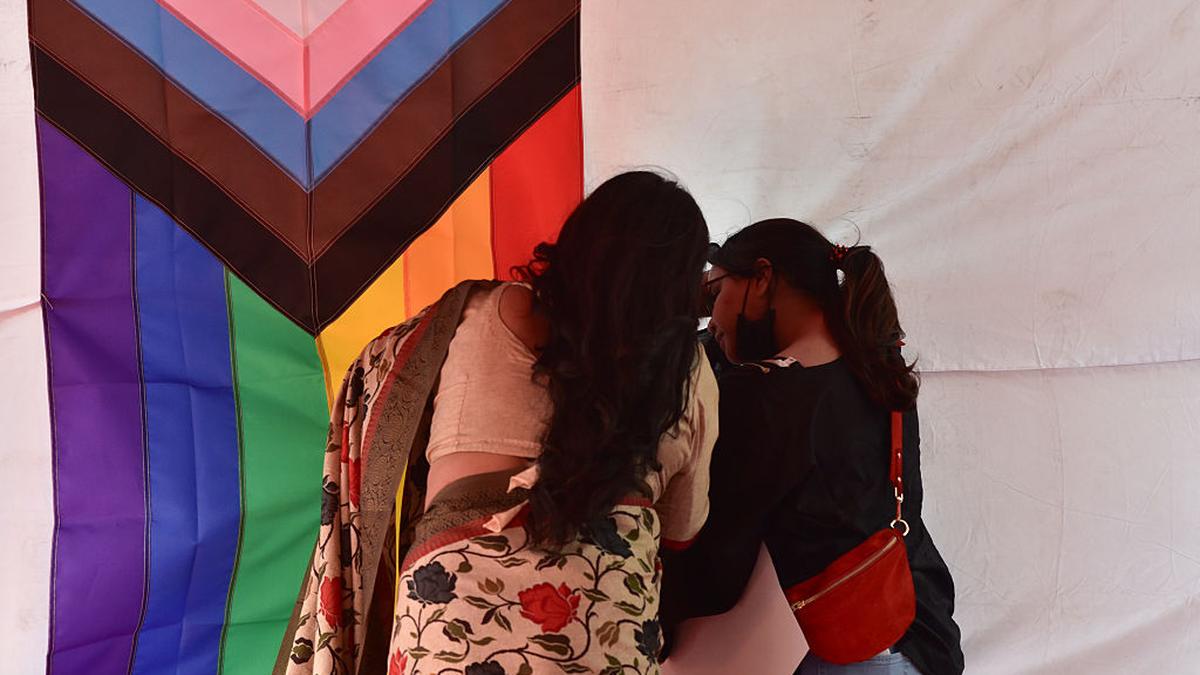
When Parliament passed the Transgender Persons (Protection of Rights) Amendment Bill, 2026 this week, the debate, at least on paper, was about definitions. Who counts, who qualifies, who can be recognised, and under what conditions. The amendment moves further away from self-identification and toward verification, placing gender within a system that can be assessed, confirmed, and, if necessary, refused.It is presented as administrative clarity. But if you listen closely to the conversations happening outside Parliament, what it sounds like is something else entirely: a familiar demand to explain yourself before you are allowed to be taken at your word.For many trans people, that demand has never been limited to the state. It has long shaped how they move through public space, how they are read, and perhaps most acutely, how they are loved.Get ready for Chennai’s Rainbow Pride March on June 28Because trans bodies, in India, are rarely allowed to exist without interpretation.
Members and supporters of the transgender community gather for a protest against the Indian government's proposed amendments to the Transgender Persons (Protection of Rights) Act in Parliament
| Photo Credit:
Getty Images/Istock