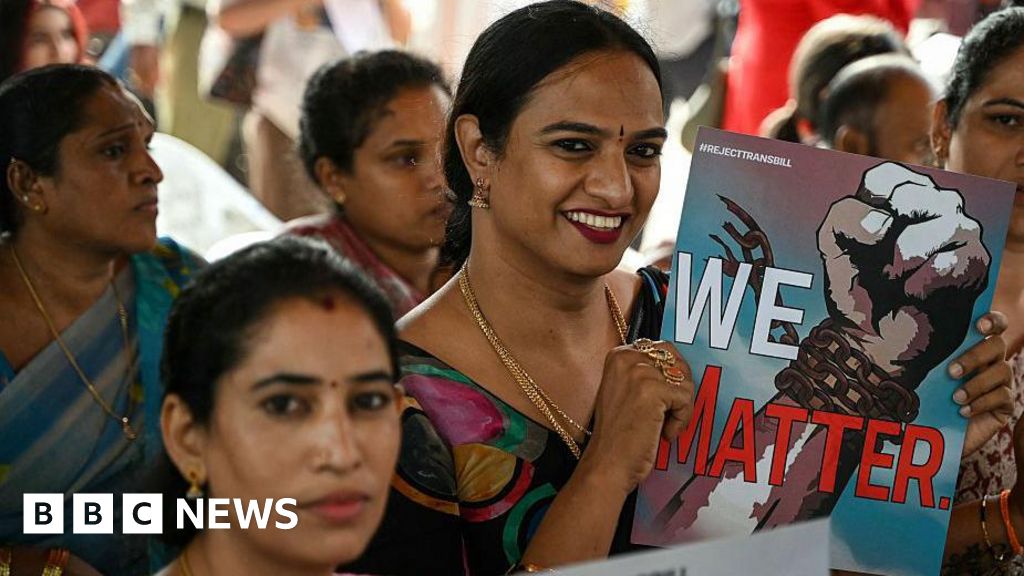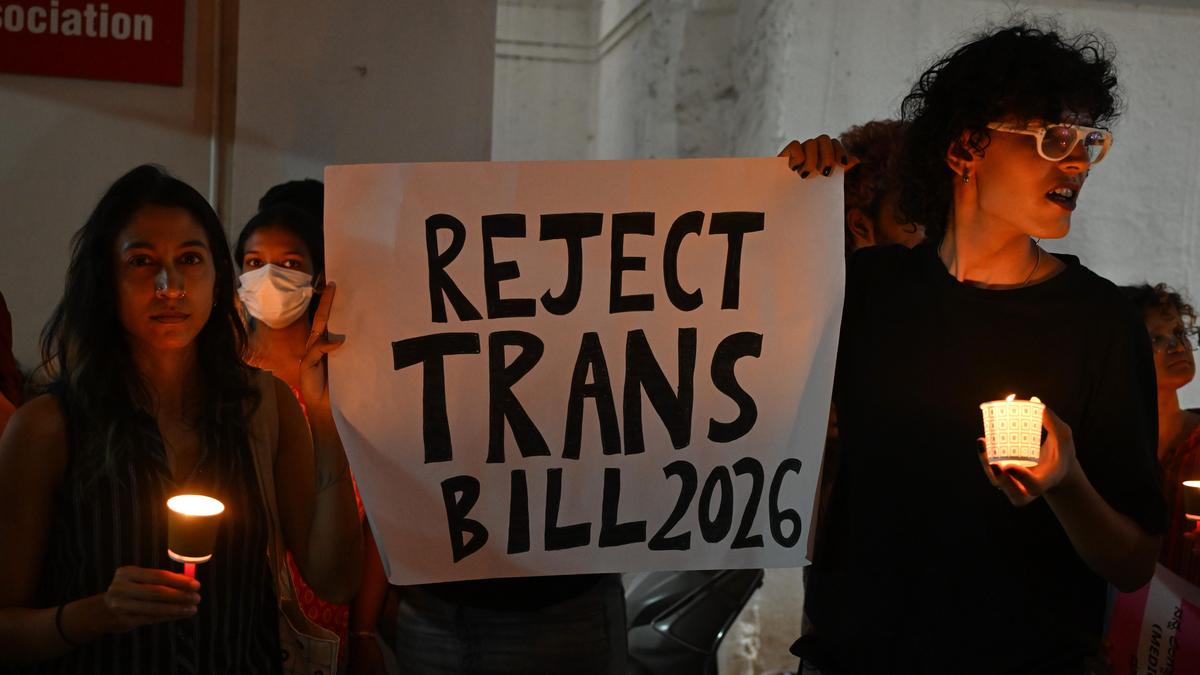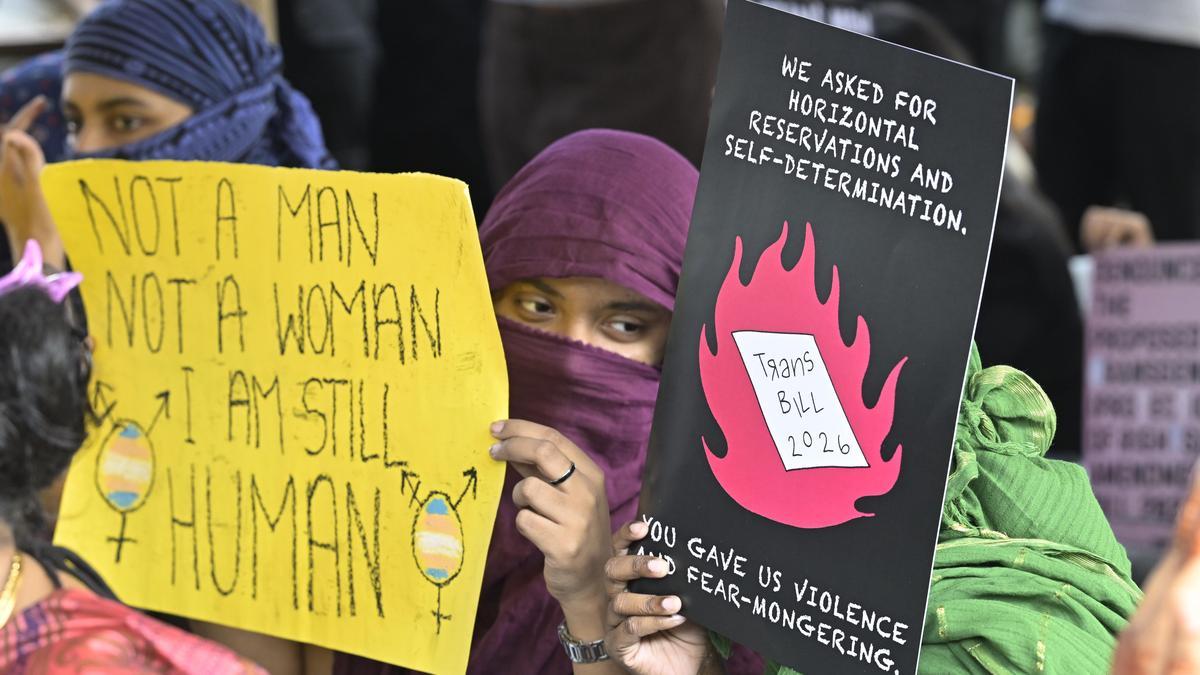
The story so far: Twelve years after the Supreme Court of India recognised the transgender identity and laid down that “self-determination of gender is an integral part of personal autonomy and self-expression”, falling within the realm of personal liberty guaranteed by the Constitution of India, the Union government on Friday (March 13, 2026) introduced a Bill in Lok Sabha to take away transgender people’s “right to self-perceived gender identity”, and redefine a “transgender person” by proposing amendments to the Transgender Persons (Protection of Rights) Act, 2019. Transgender community leaders, activists, and people across the country reacted to the amendments with shock, arguing that it went against the fundamental principle that their struggle for recognition had been for.
What are the changes being brought about?
The key changes being proposed have to do with the definition of a “transgender person” and the expansion of the section on offences against transgender people and punishments for them.
In the amendment Bill, the Union government has called for the omission of sub-section (2) of Section 4 of the Act, which says, “A person recognised as transgender under sub-section (1) shall have a right to self-perceived gender identity.”