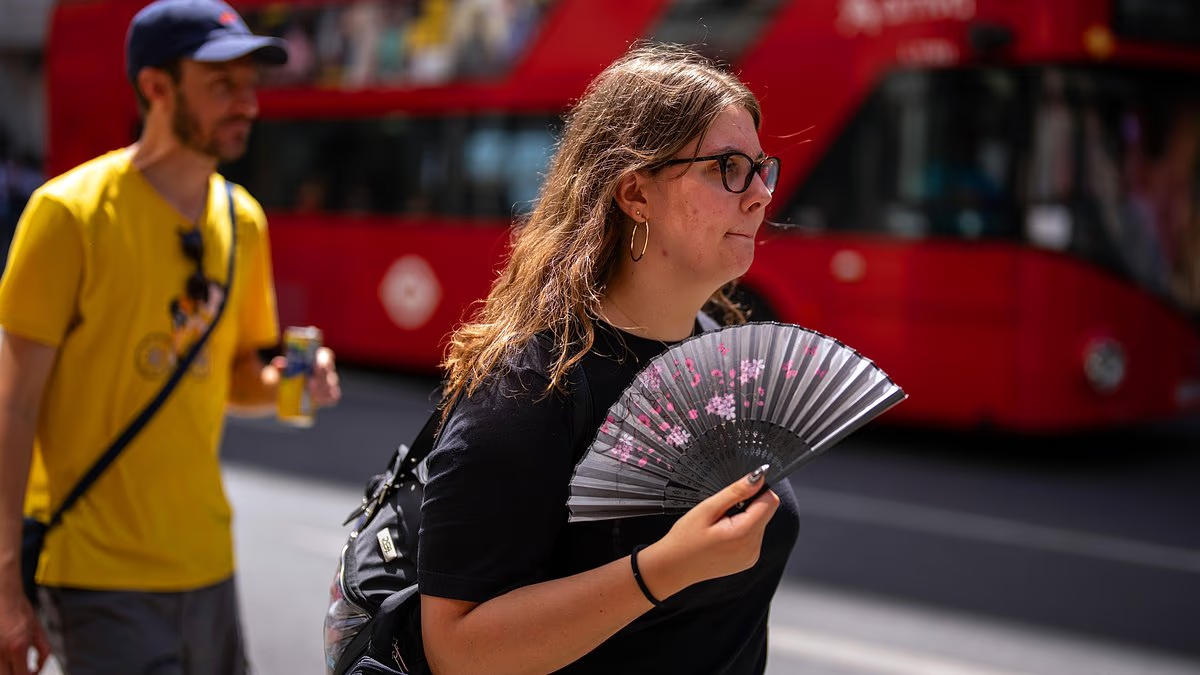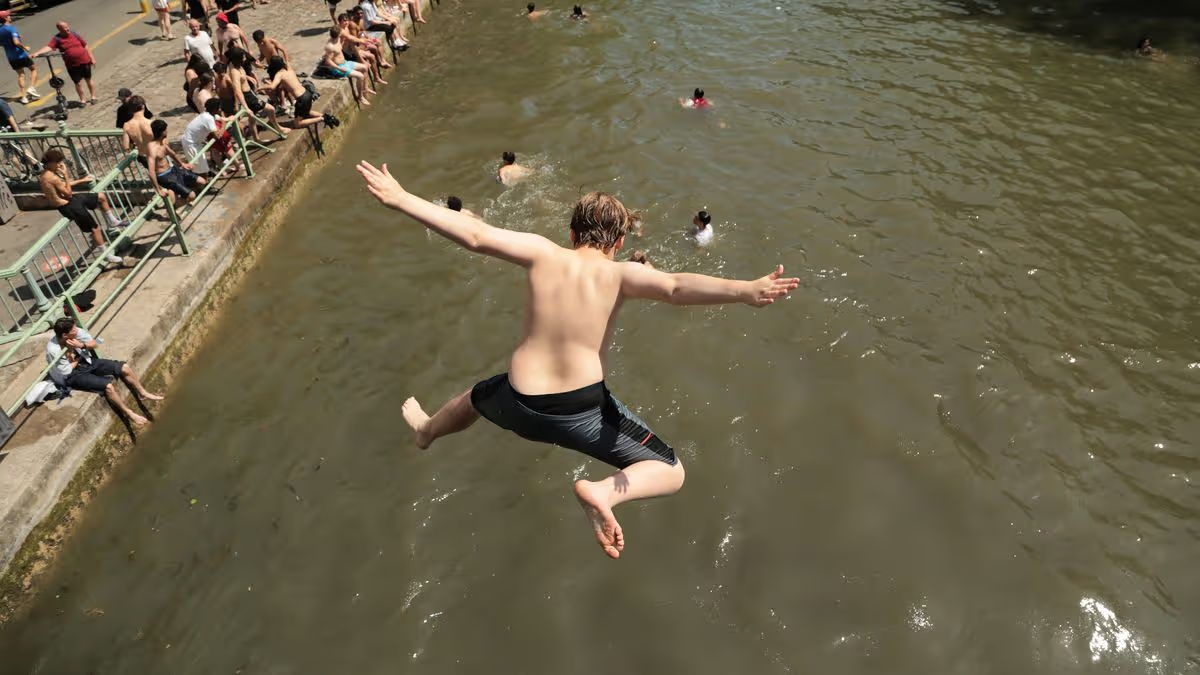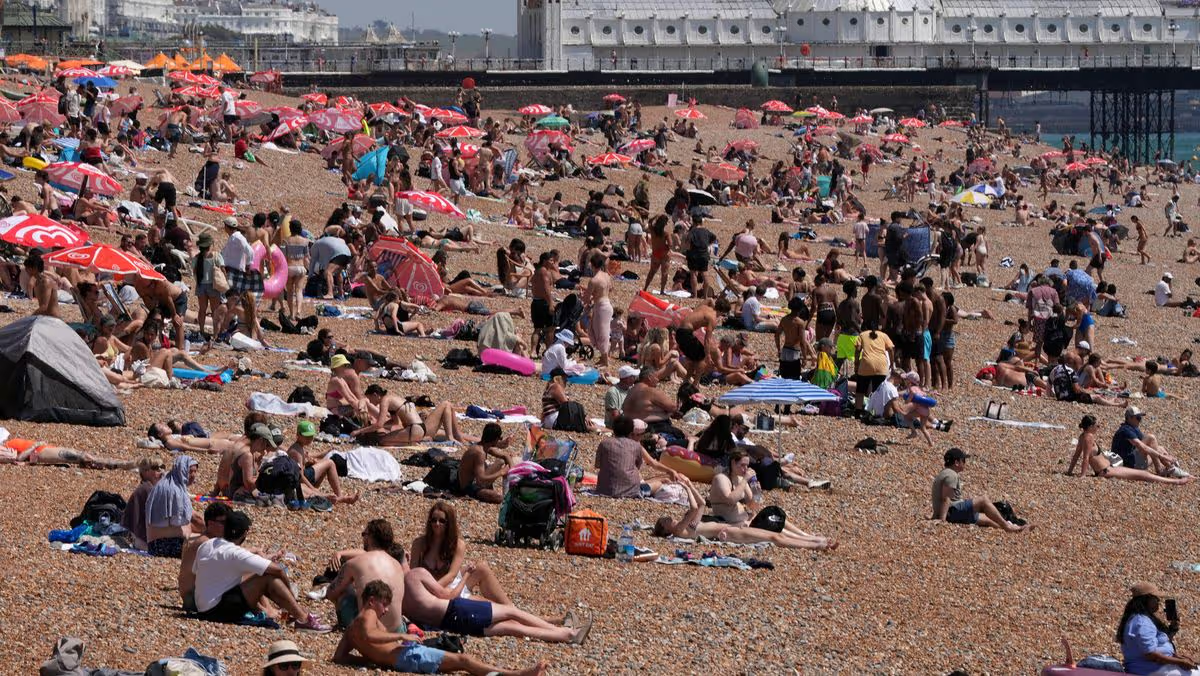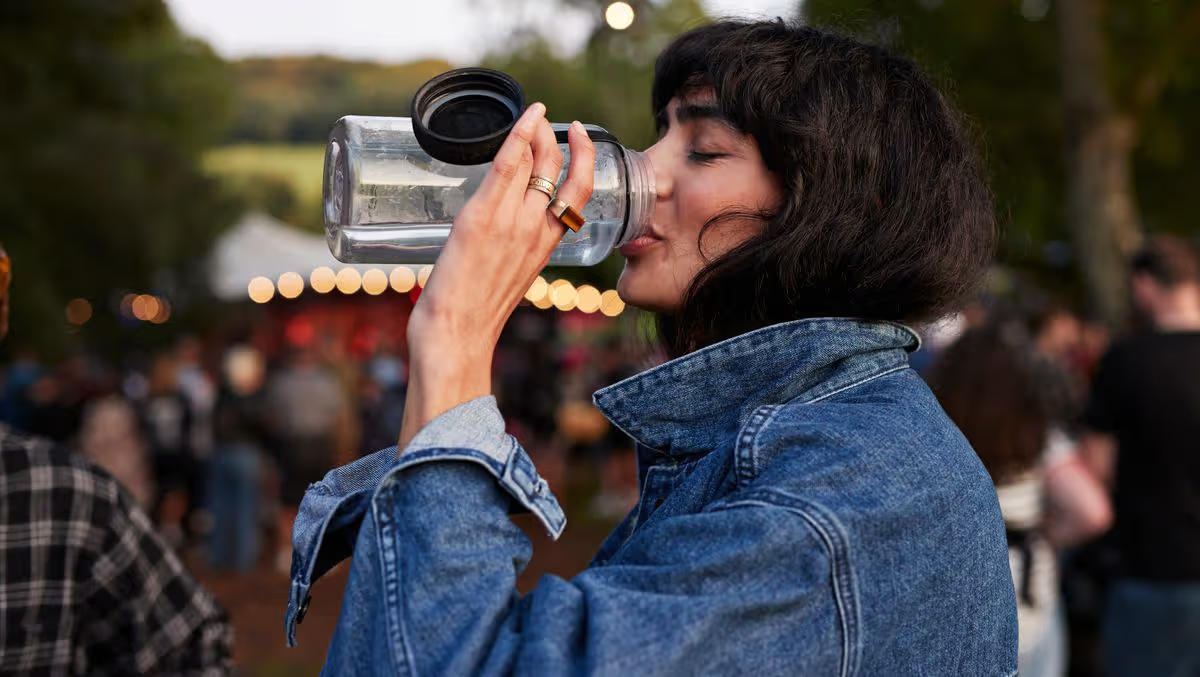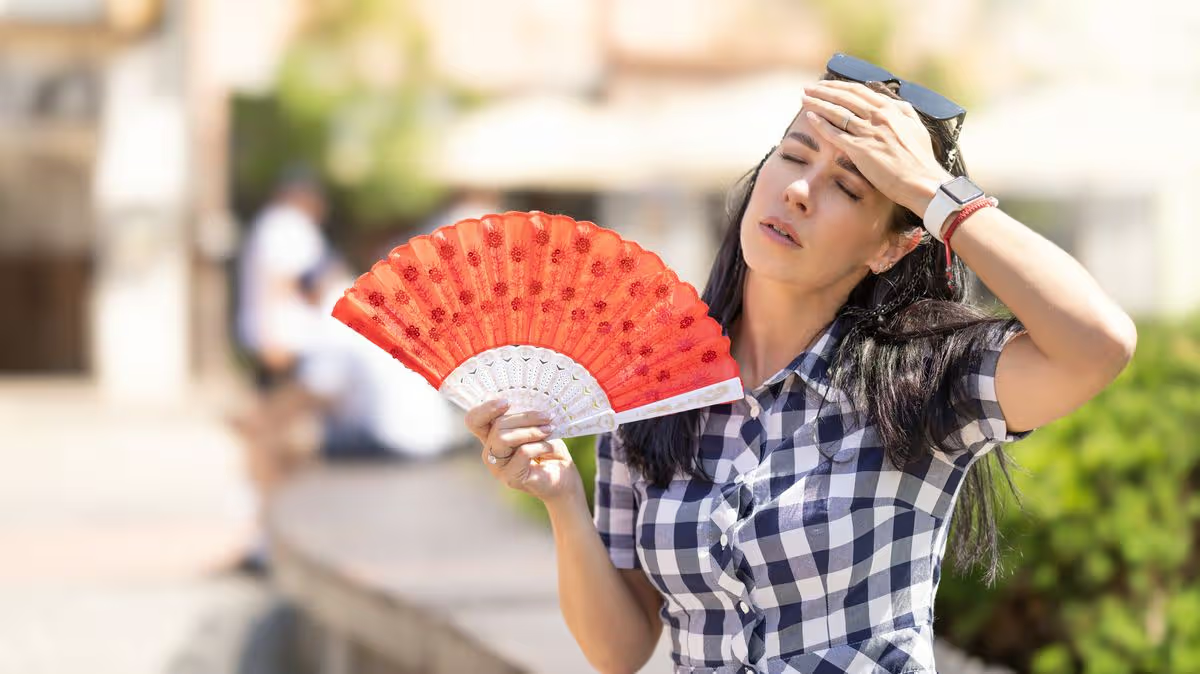
As the UK experiences a heatwave, joint preservation specialist Professor Paul Lee is warning that dehydration poses a hidden danger12:54, 24 Jun 2026Updated 12:55, 24 Jun 2026When most people think about the dangers of a heatwave, they picture sunburn, heat exhaustion or dehydration.However, according to surgeon and joint preservation specialist Professor Paul Lee, one frequently overlooked risk is the damaging effect dehydration can have on the body's joints and cartilage. As temperatures soar across the UK, Professor Lee is urging people to keep a closer eye on their hydration levels, warning that cartilage depends heavily on water to function correctly.He said: "Most people think about dehydration in terms of feeling thirsty, tired or dizzy. What they often don't realise is that cartilage is approximately 70% to 80% water. It relies on hydration and movement to maintain joint health."Unlike many other tissues in the body, cartilage has no direct blood supply. Instead, it draws nutrients through fluid movement within the joint. When dehydration sets in, that process can become far less efficient.Professor Lee said: "Cartilage behaves a little like a sponge. It needs hydration and movement to help nutrients circulate through the joint. If the body is dehydrated, the environment the cartilage depends on becomes less favourable."To help people stay properly hydrated during hot spells, Professor Lee recommends following what he calls the "rule of six".The guidance is simple:Do not go more than six hours without drinking water during the dayDo not go more than six hours without passing urine while awakeIf your urine is darker than a pale straw colour, increase your fluid intakeDrink more if you are sweating heavilyAvoid excessive alcohol consumption during hot weatherSeek medical advice if you become dizzy, confused or stop passing urine normallyProfessor Lee said: "I often tell patients to protect their cartilage with the 6x6 rule. Stay hydrated enough to pass pale urine at least every six hours. It's a simple way to monitor whether your body is getting enough fluid."The guidance is especially crucial for older people, those with arthritis and anybody spending lengthy periods outdoors during the heatwave. While staying hydrated alone won't prevent joint issues, Professor Lee says it remains one of the most straightforward steps people can take to support their body's natural processes.He added: "We often focus on exercise, treatments and medications, but basic hydration is one of the foundations of healthy joints. During a heatwave, people should not wait until they feel thirsty.Article continues below"By then, dehydration may already be affecting how the body functions. Looking after your joints can be as simple as making sure you're drinking enough water and paying attention to the signals your body is giving you."
'Rule of six' surgeon says to follow during UK heatwave
As the UK experiences a heatwave, joint preservation specialist Professor Paul Lee is warning that dehydration poses a hidden danger
443 words~2 min read