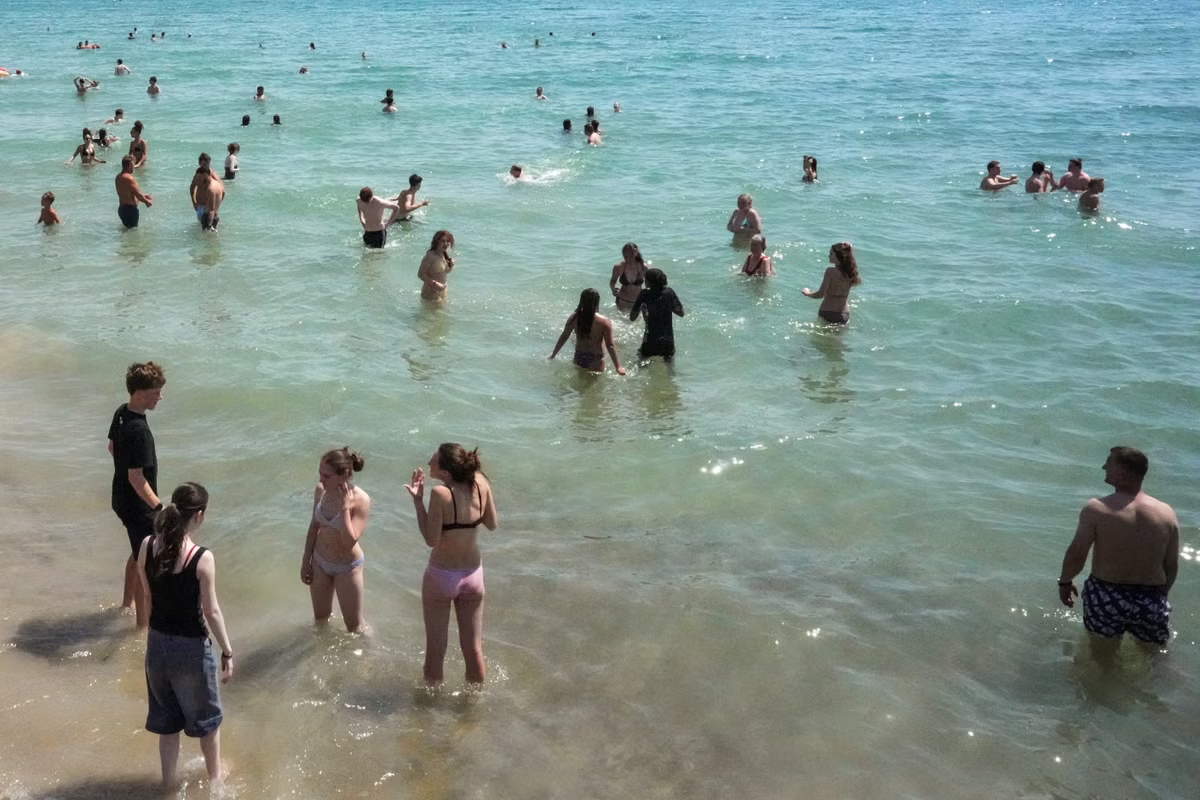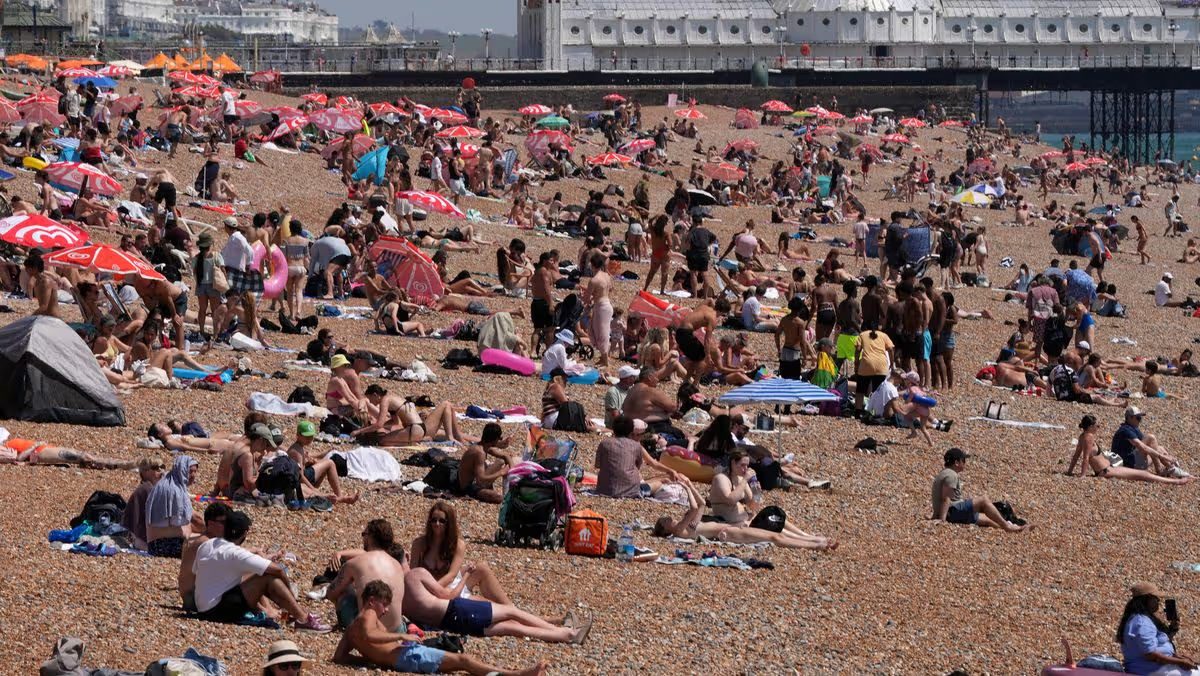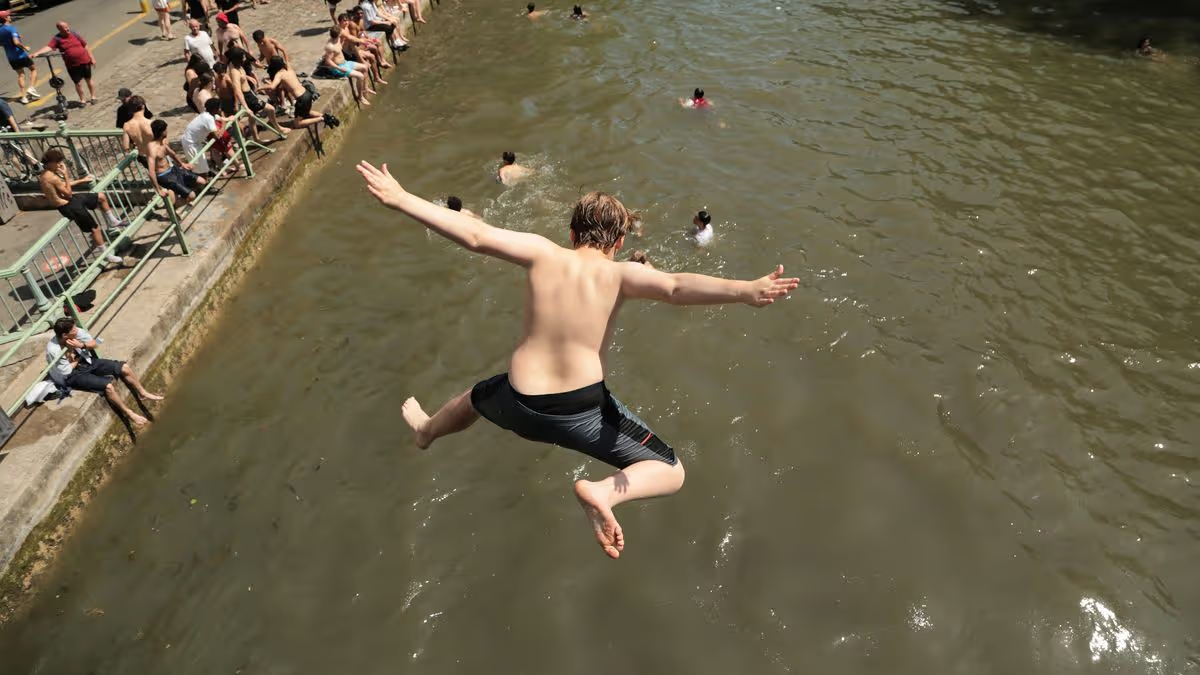
Paramedics in one area of the UK are urging people to stop making five potentially deadly mistakes when it comes to living in a period of hot weather11:55, 12 Jul 2026Paramedics are warning people in the UK over five common mistakes people make when trying to keep cool in a heatwave - but one of them will surprise you. According to the Met Office the latest British heatwave is set to swelter onward for days to come.According to the forecaster temperatures in parts of England and Wales will continue to exceed 30C into next week, with a risk of thunderstorms in parts of the south from Monday. A provisional maximum daily temperature of 33C was recorded in Yelverton, Devon, on Saturday, the Met Office told the Press Association.Along with the fire service warning people of the “extreme” risk of wildfires in the UK, some ambulance service workers are asking people to take extra care as the sun continues to blaze down.UK heatwave safety: The dehydration mistake you are probably makingOne West Midlands Ambulance Service worker said: "Think you know how to stay safe in a heatwave? Here are the top five mistakes to avoid. Number five, waiting until you feel thirsty."By the time you feel thirsty you're already starting to get dehydrated. Keep sipping fluids and water throughout the day even if you're not feeling thirsty."Content cannot be displayed without consentThe next tip saw the emergency services advise people against spending too much time in the midday sun. Another ambulance worker said: "The sun is strongest between 11am and 3pm. Even if you feel fine, too much heat can quickly lead to heat exhaustion."One of the tips that people may find surprising, is not to jump into open water to cool down.The hidden dangers of open water swimming and heat exhaustionThe paramedic explained: "Rivers, lakes and reservoirs hide a lot of dangers and are surprisingly cold even during a heatwave. The sudden temperature change can trigger cold water shock which can be fatal. No lifeguard, no swimming."Number two, leaving children or pets in parked cars. Even if it's only for a few minutes, the temperature inside a car can rise dangerously fast. It can become life-threatening much quicker than people realise."And number one, forgetting to check on vulnerable people. Older adults, babies and people with health conditions are more likely to become seriously unwell in the heat. A quick phone call or knock on the door can make a real Most heat-related emergencies are preventable."How to stay safe in open waterThe RNLI has shared lifesaving advice, including what to do if you find yourself in danger in the water or see someone else struggling. But ultimately the RNLI say the best way to be safe in open water is by choosing a lifeguarded beach.Ross Macleod, RNLI Water Safety Manager, said: "As the exceedingly hot weather continues, we are urging families to talk about the dangers of swimming and jumping into open water – this could be a conversation that saves lives."Cold water shock is a real danger, which we particularly want people to be aware of. The sea or open water may look inviting during hot weather, but it remains cold enough year-round to trigger cold water shock, which can cause uncontrollable gasping, increased heart rate, and can lead to panic and drowning very quickly. It’s best to enter the water slowly to gradually acclimatise."Anyone who finds themselves in danger in the water should fight the panic instinct and Float to Live – try to relax and float on their back, with head tilted back, gently moving their hands and legs to help them stay afloat. This buys valuable time to get your breathing back under control, before then calling for help or swimming to safety.Article continues below"If you see someone else in danger – do not enter the water yourself as you could also end up in serious difficulty. Instead, remember phone, float, throw – phone 999 or 112 and ask for the Coastguard; tell the struggling person to float; throw them something buoyant, like a life ring."If you are visiting the coast, the safest option is a lifeguarded beach, where you should swim between the red and yellow flags. If you can’t choose a lifeguarded beach, find out about your chosen beach before you visit – check weather and tide times and read local safety signage."
NHS warns over 5 common mistakes people make in heatwave - one will surprise you
Paramedics in one area of the UK are urging people to stop making five potentially deadly mistakes when it comes to living in a period of hot weather
728 words~3 min read