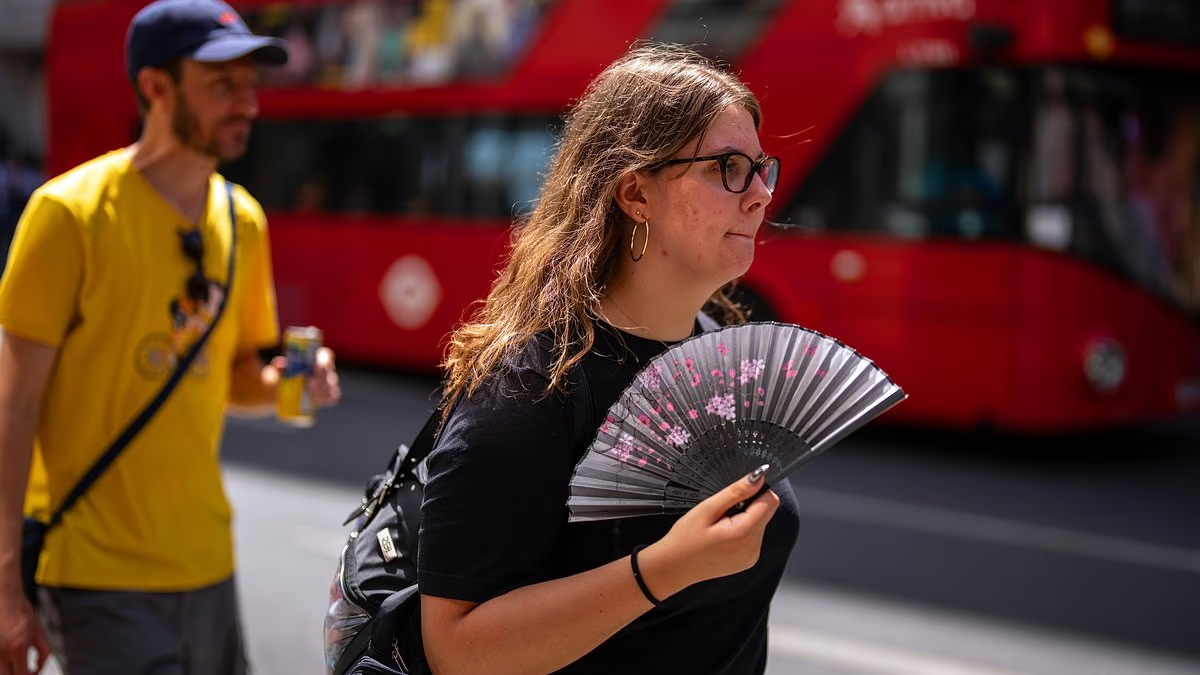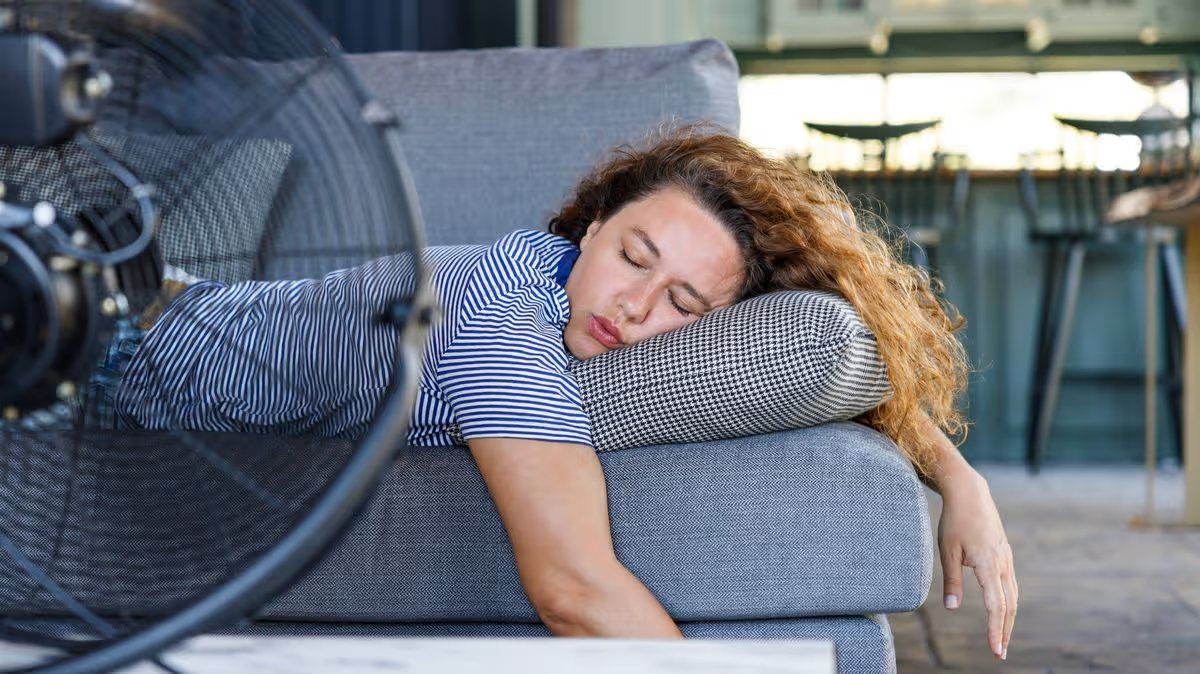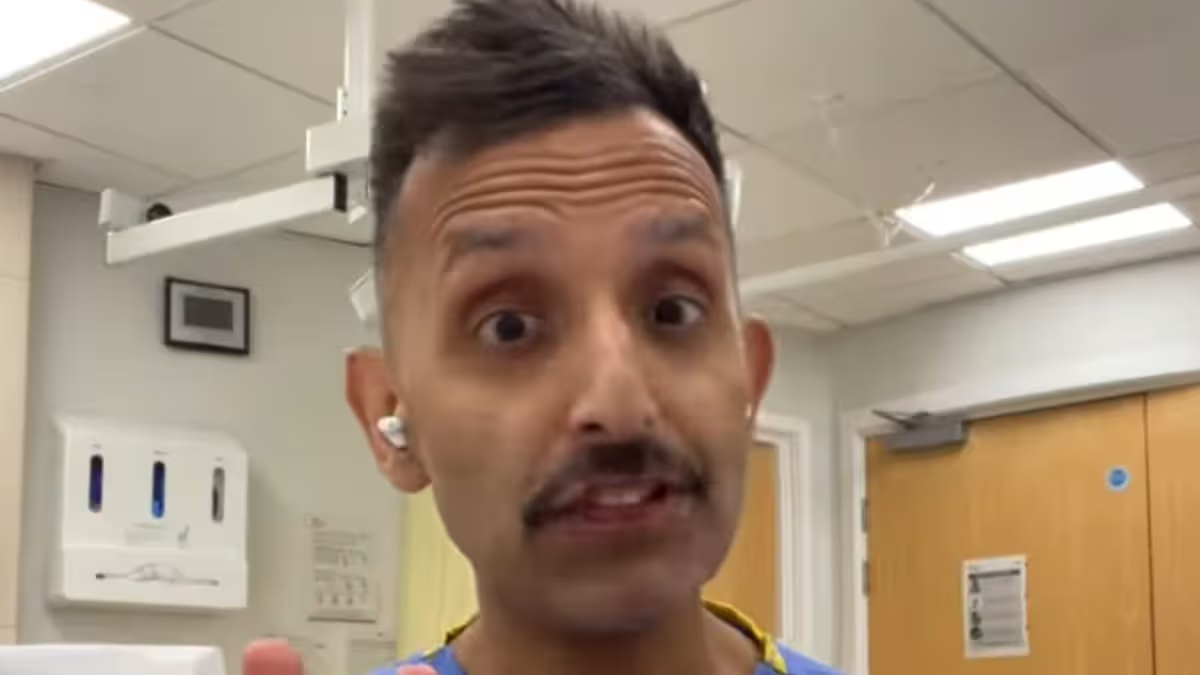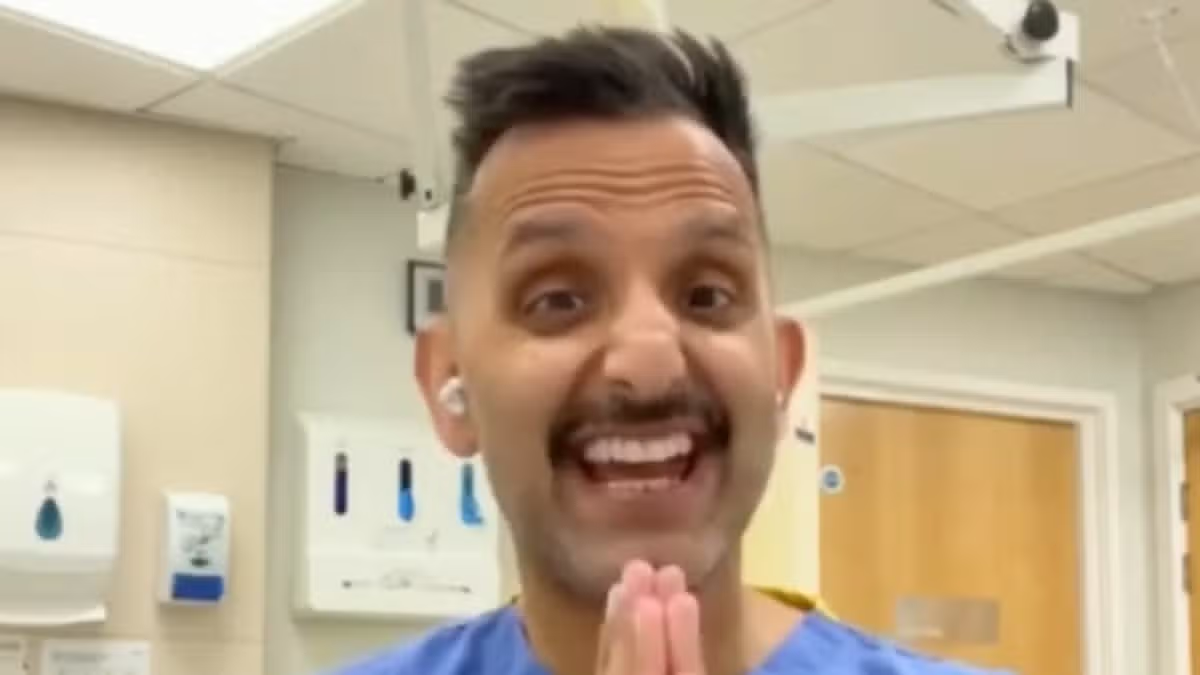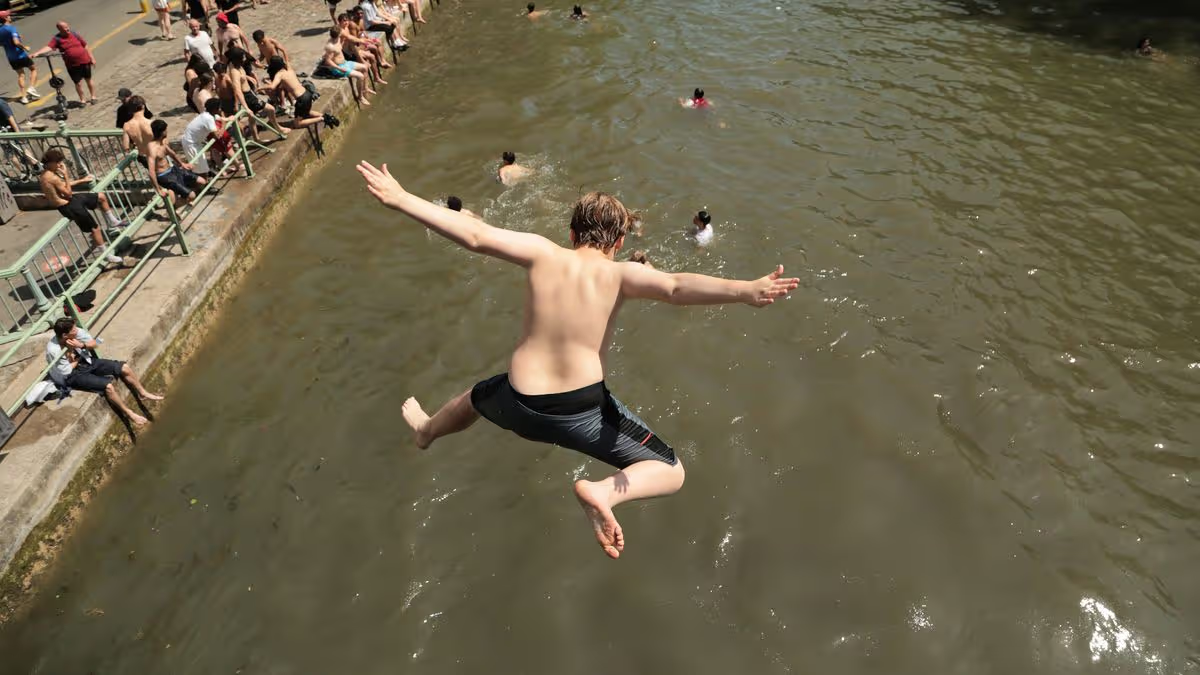
A&E doctor Dr Ahmed has warned against some of the most obvious ways to cool down in the heatwave, saying they could actually put you at greater risk of heatstroke12:35, 22 Jun 2026Updated 12:35, 22 Jun 2026The UK is in the grip of a summer scorcher, with temperatures of up to 40 degrees predicted across parts of the country this week. The Met Office has issued a rare red warning for extreme heat covering areas of southern England and the South West, cautioning that these regions are now "increasingly likely to see a two-to-three-day period where maximum temperatures in the shade exceed 37 Celsius, perhaps rising to 38 to 40 Celsius in some places".With the mercury soaring, many of us are desperately searching for ways to stay cool. However, one A&E doctor with 588,000 followers on TikTok has warned that some of the most obvious remedies could actually leave you more vulnerable to heatstroke.Dr Ahmed, who bills himself as the "healthcare Gordon Ramsay", took to the platform to set the record straight.Taking your shirt offStripping off is one of the first things most people think of when the heat becomes unbearable. But Dr Ahmed cautioned that this could actually make things worse, reports the Express.He said: "What should you do if you start having heatstroke out in the sun? Should you take off your shirt to cool down?"No! Doing that will expose you to direct sunlight, direct radiation, you will absorb more heat. Make sure to take off all layers except for a simple cotton layer to protect you from the sun."Government guidance recommends wearing lightweight, loose-fitting and light-coloured clothing, such as long-sleeved shirts, trousers, or long skirts, to shield your skin from the sun's rays. Wide-brimmed hats should also be worn to protect your face, eyes, head, ears, and neck.Jumping into cold waterAnother appealing method to cool off rapidly is to pop your swimming costume on and plunge into the sea or another body of water. However, Dr Ahmed cautioned this can be hazardous as well."Jumping into a body of water with a sudden temperature drop will actually make your muscles seize up and you will drown, and that will make it my problem," he said. According to the RNLI, plunging into water colder than 15 degrees can trigger cold water shock in the body.The organisation noted the sea surrounding the UK and Ireland typically sits at around 12 degrees, while rivers are even colder, including during summer months. Cold water shock can heighten the risk of heart attack, while also prompting you to gasp for air, which can lead to inhaling water into your lungs.Content cannot be displayed without consentDr Ahmed suggested the best alternative is to spray yourself with a cool mist, or place ice packs or wet towels under your armpits or on your back or thighs, explaining this will "cool yourself down very nicely". Though he warned this approach carries risks as well."You don't want your temperature to drop too quickly because, like I said, in heatstroke your body's normal temperature regulation systems are off, he said. "You can go into hypothermia without knowing it. If you're not yet in heatstroke, still be careful, because [reducing your body temperature] too quickly can make you shiver, and shivering can cause more heat increase inside your body."Get helpDr Ahmed's third piece of advice is to ensure you reach out for assistance when necessary. "This is where number three comes in," he said."Most important: seek help. Somebody to watch over you, somebody to contact emergency services while you cool down to make sure you are safe. Do that and don't become my problem in A&E."The 50 areas of the UK facing 40 degree heatEast MidlandsNorthamptonshireEast of EnglandBedfordCambridgeshireCentral BedfordshireEssexHertfordshireLutonThurrockLondon & South East EnglandBracknell ForestBuckinghamshireEast SussexGreater LondonHampshireKentMilton KeynesOxfordshireReadingSloughSurreyWest BerkshireWest SussexWindsor and MaidenheadWokinghamSouth West EnglandBath and North East SomersetBristolDorsetGloucestershireNorth SomersetSomersetSouth GloucestershireSwindonWiltshireWalesArticle continues belowBlaenau GwentBridgendCaerphillyCardiffCarmarthenshireMerthyr TydfilMonmouthshireNeath Port TalbotNewportPowysRhondda Cynon TafSwanseaTorfaenVale of GlamorganWest MidlandsHerefordshireWarwickshireWest Midlands ConurbationWorcestershire
Doctor's heatwave warning: don't remove your shirt - it could cause heatstroke
A&E doctor Dr Ahmed has warned against some of the most obvious ways to cool down in the heatwave, saying they could actually put you at greater risk of heatstroke
653 words~3 min read