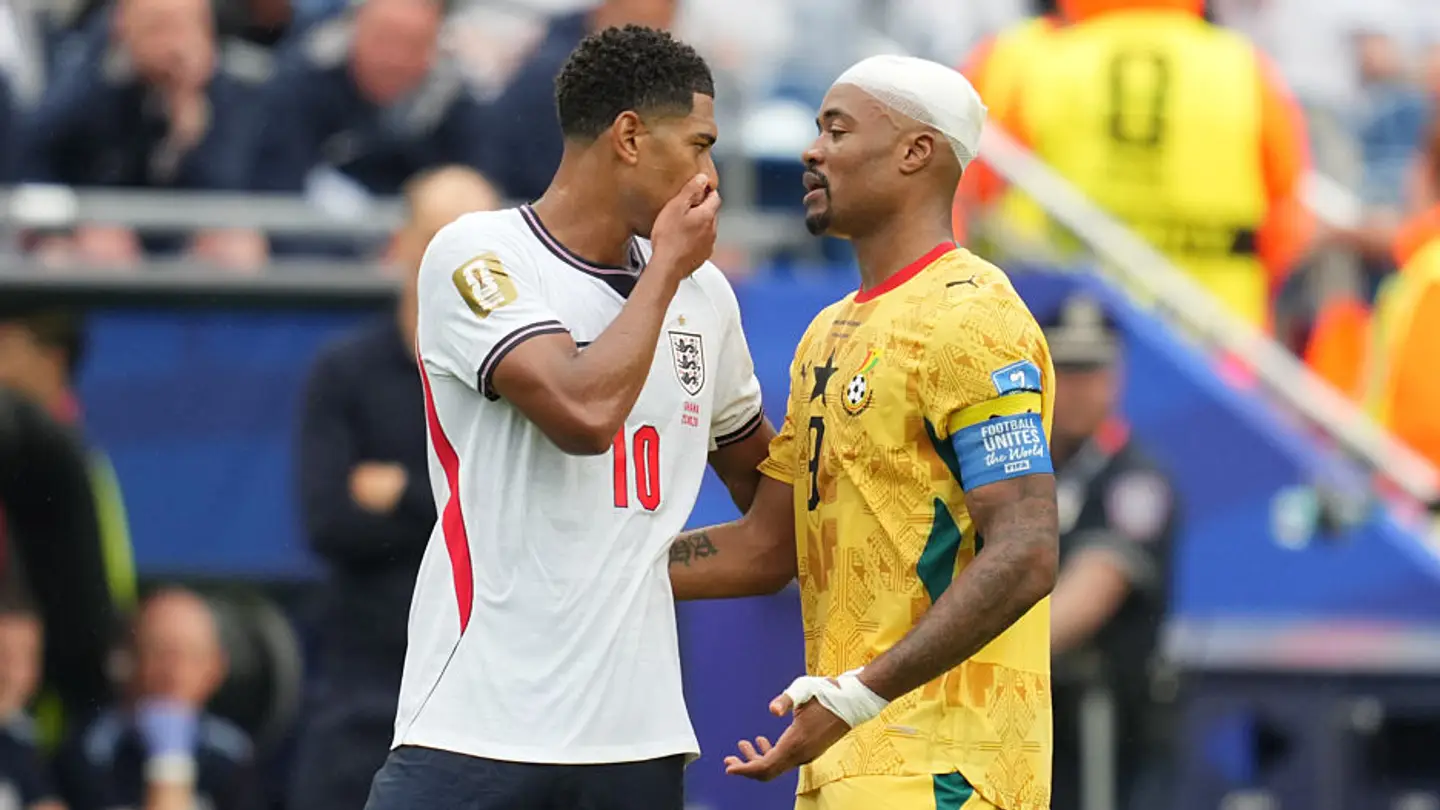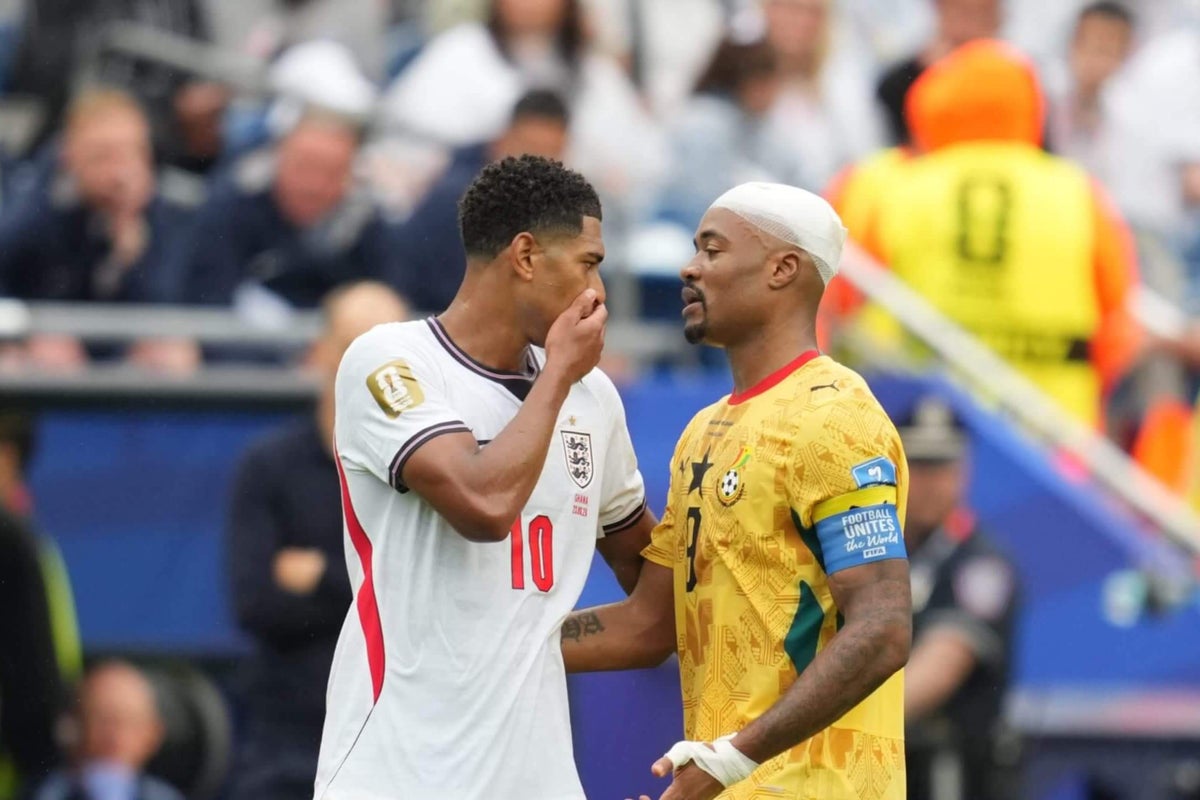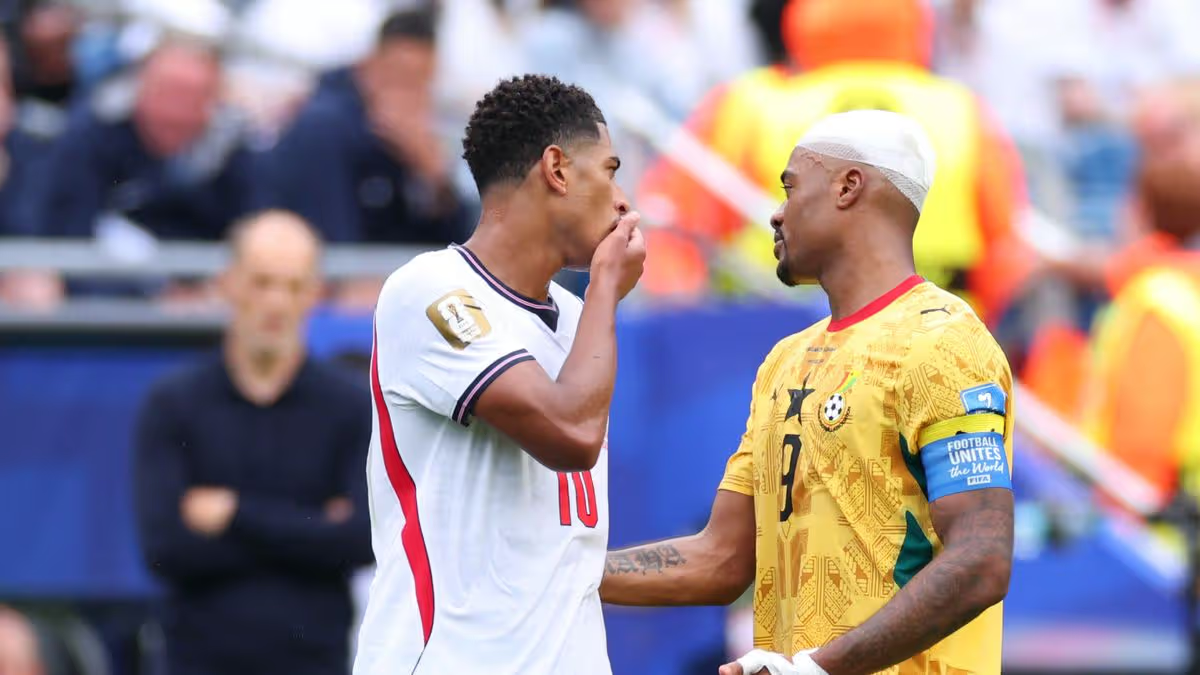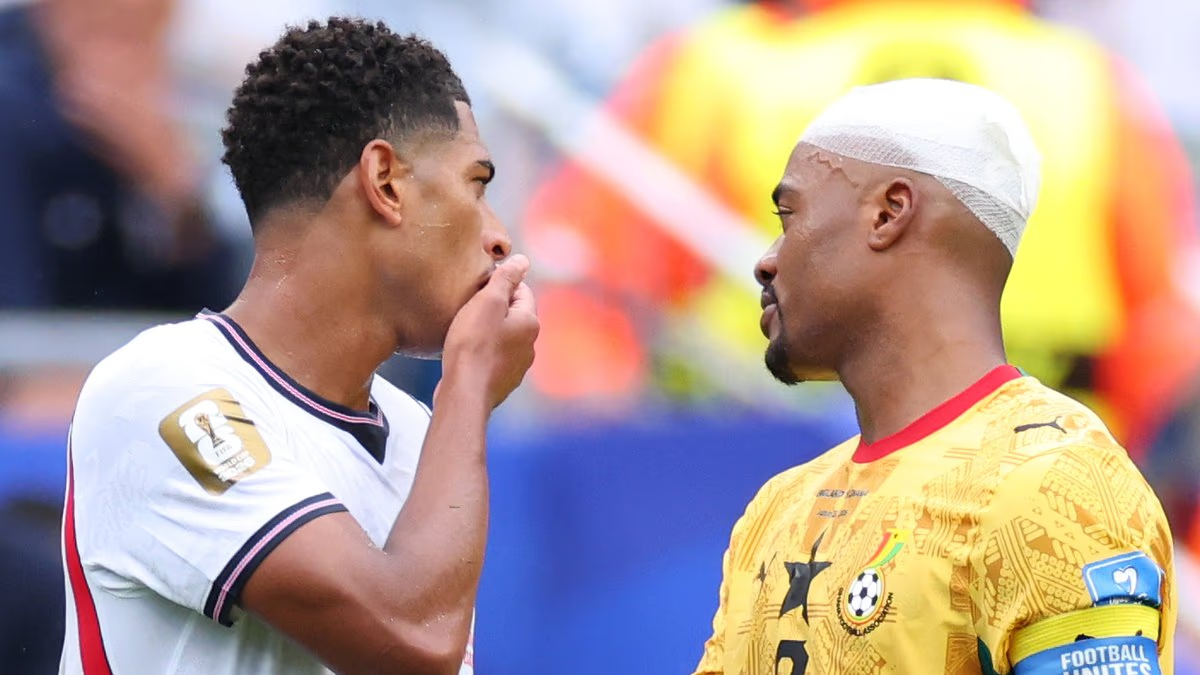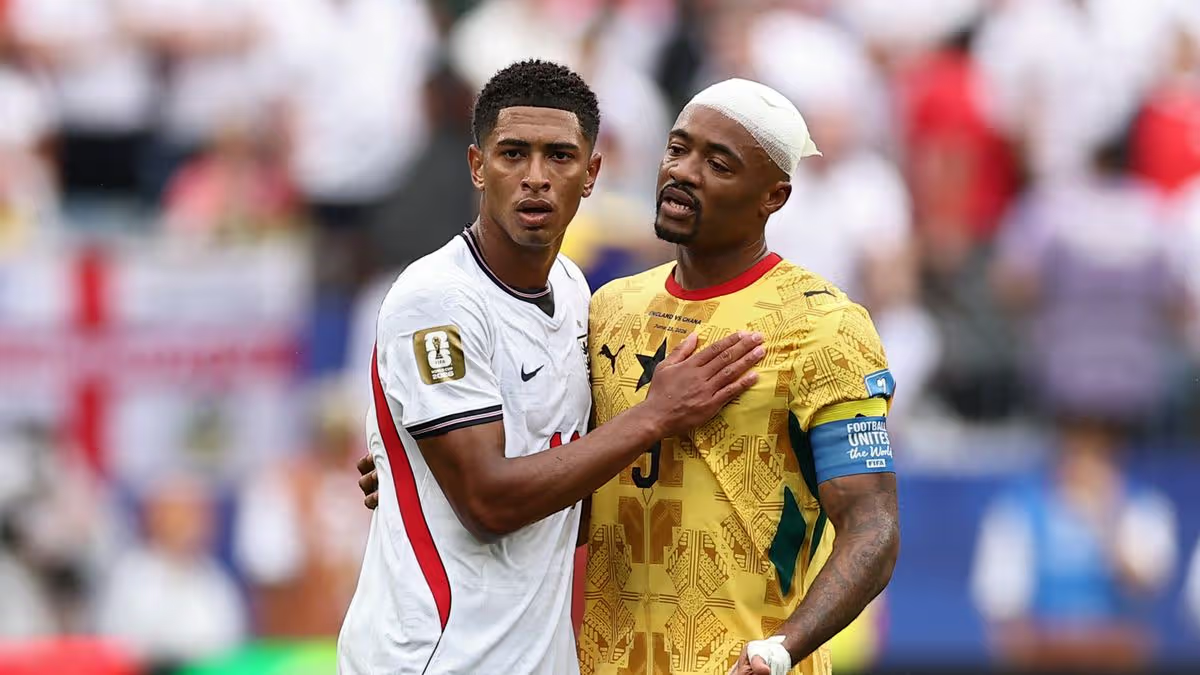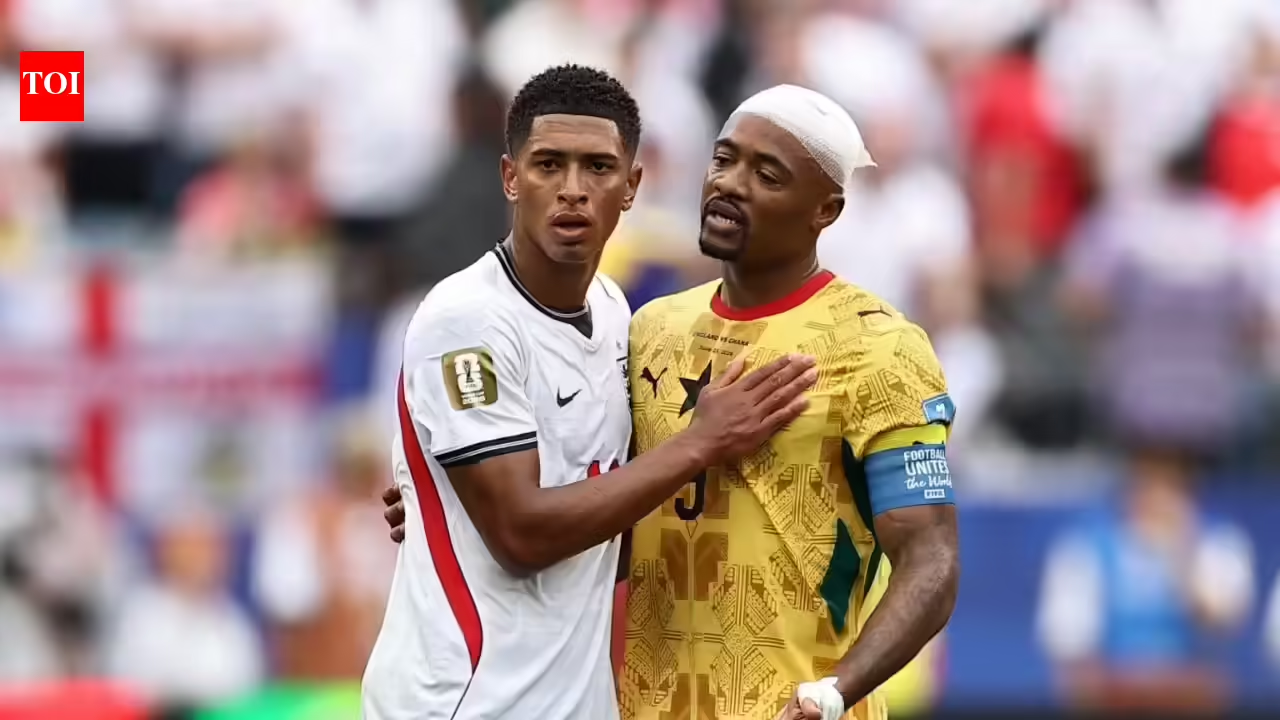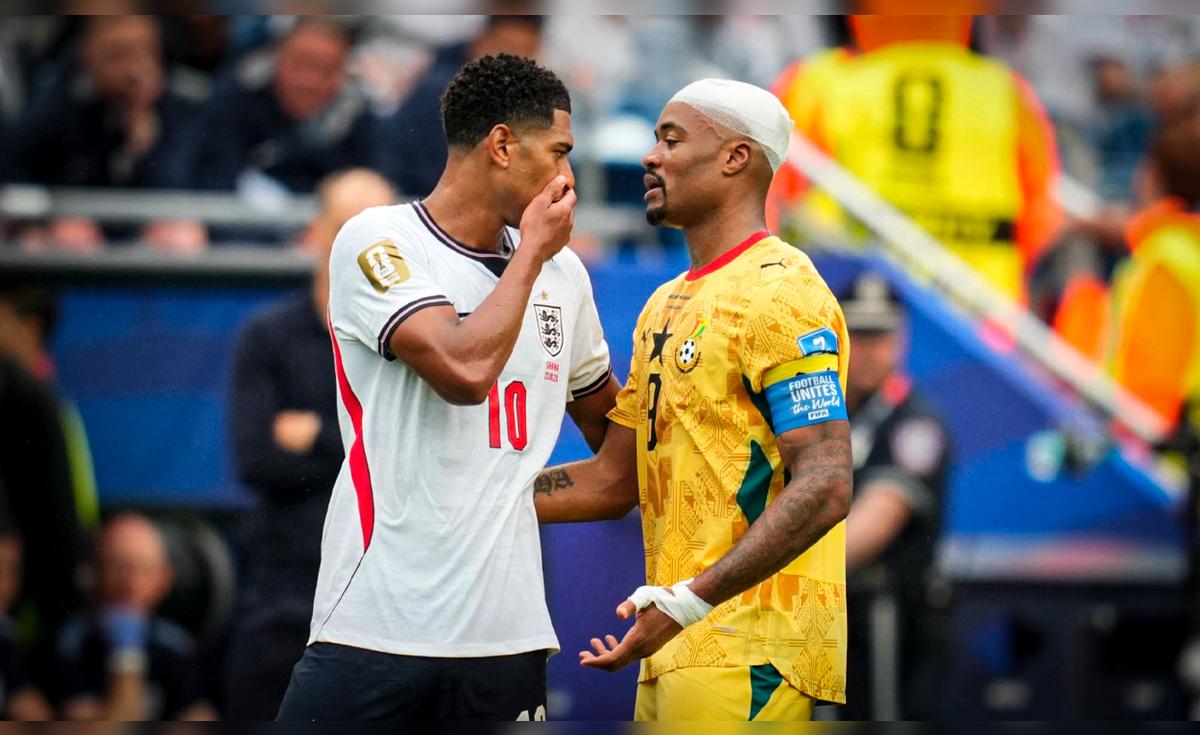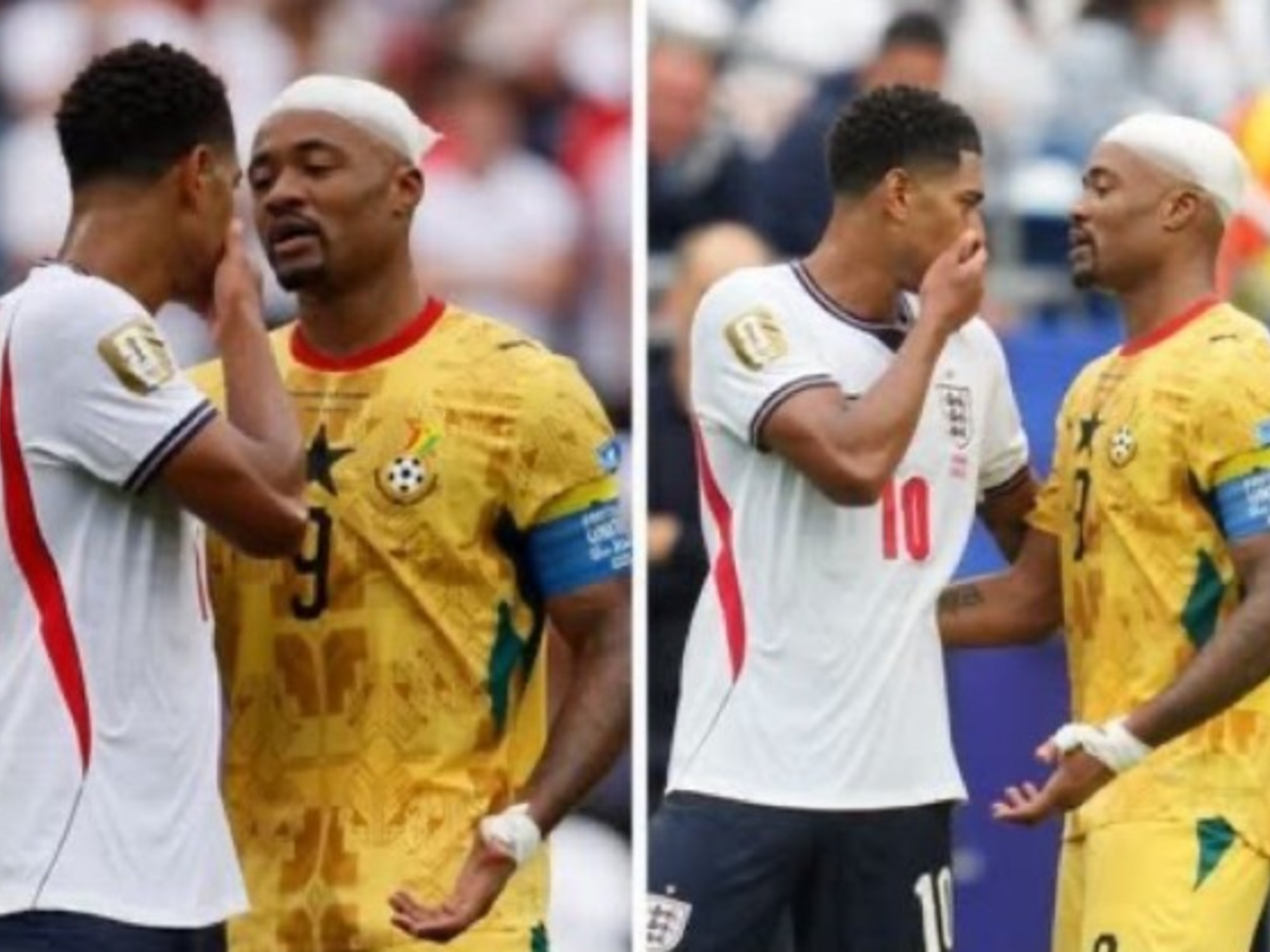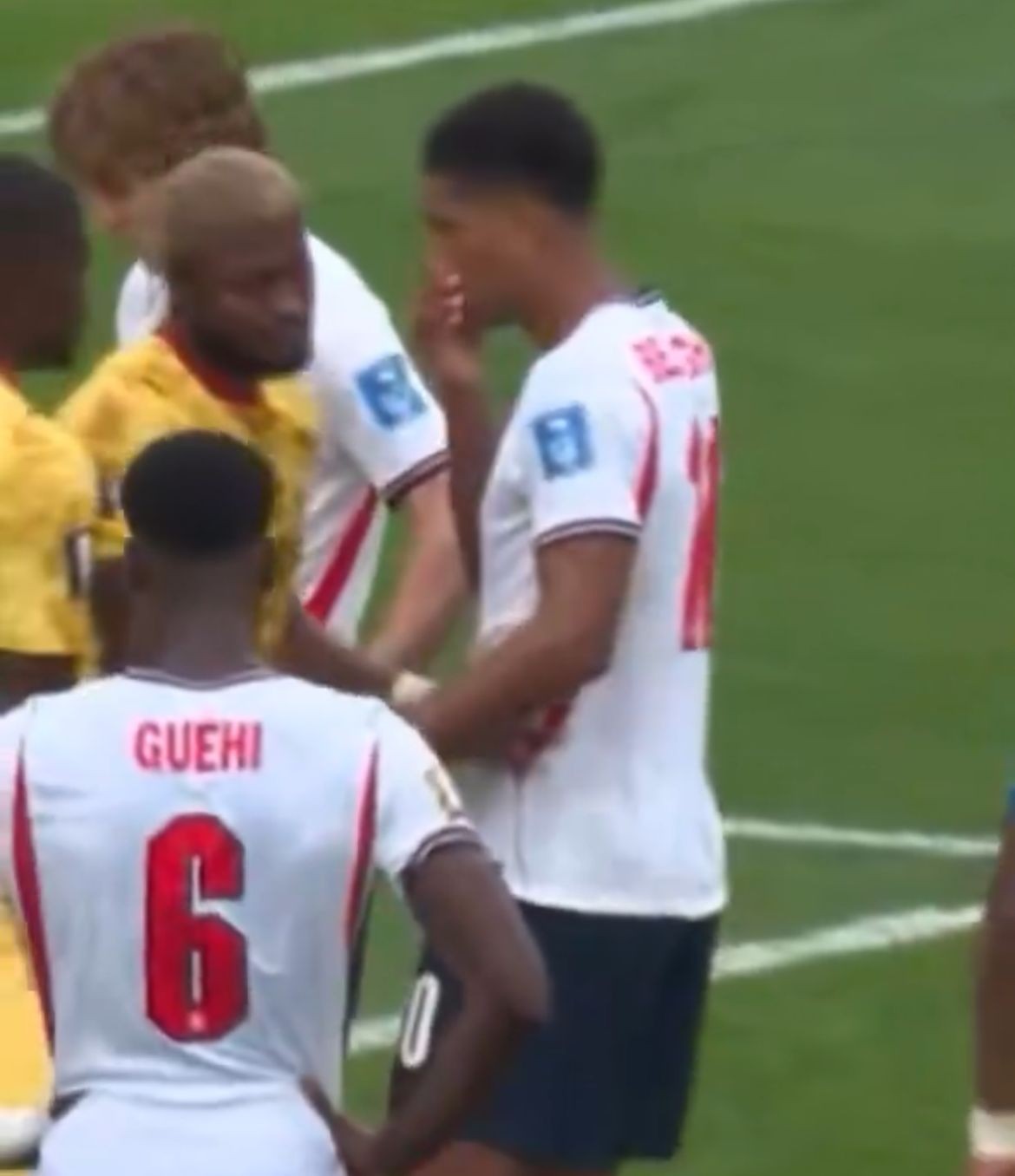
Jude Bellingham covered his mouth during England’s World Cup match against Ghana. Under FIFA’s new rules, that gesture can get you sent off. But Bellingham stayed on the pitch, and FIFA has now explained why.
The distinction comes down to intent and context. The mouth-covering red-card rule, approved by the International Football Association Board (IFAB) on April 28, 2026, applies specifically to confrontational situations between players. Bellingham’s communication was deemed friendly, not confrontational, so no sanction was warranted.
What the rule actually says
The new IFAB rule targets players who conceal their mouths during heated confrontations with opponents. The concern is that players might use the gesture to hide discriminatory language, slurs, or abusive remarks while creating plausible deniability about what was actually said.
The rule is part of FIFA’s broader campaign against discrimination in football. A controversial Champions League match in February 2026 highlighted the need for clearer enforcement mechanisms when players attempt to conceal potentially discriminatory remarks during on-field confrontations. IFAB approved the new framework just two months later in April.