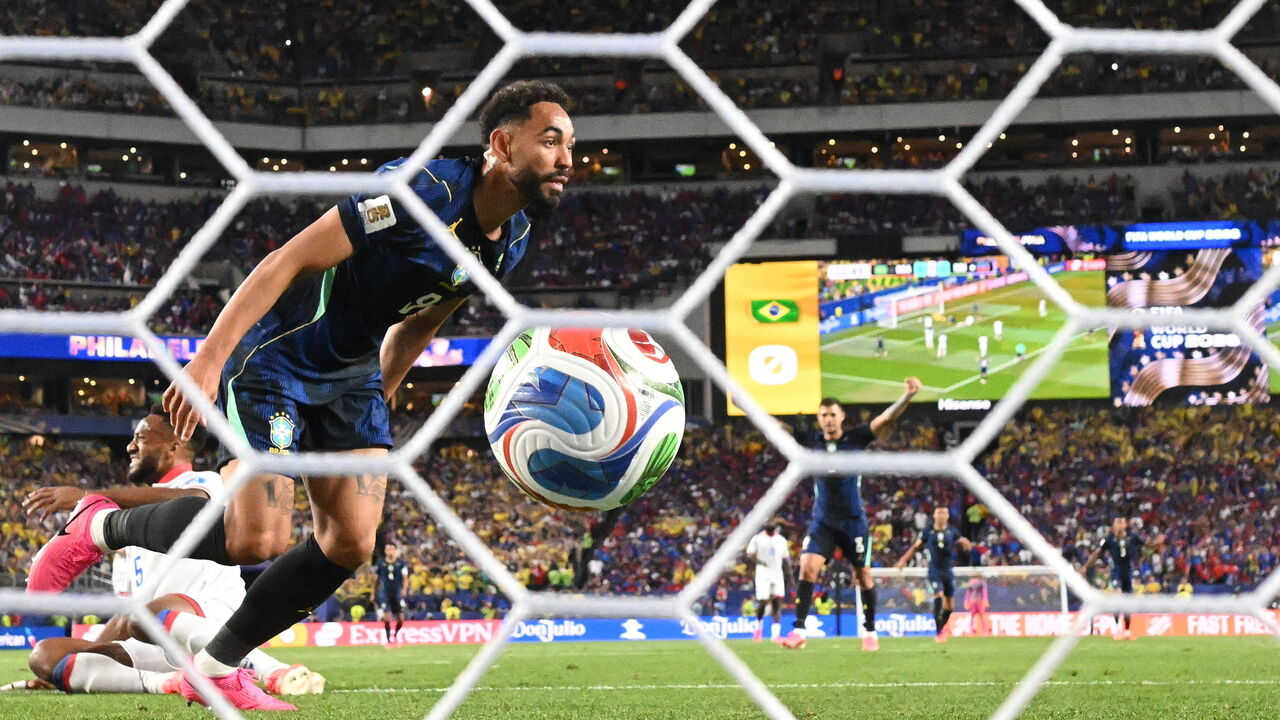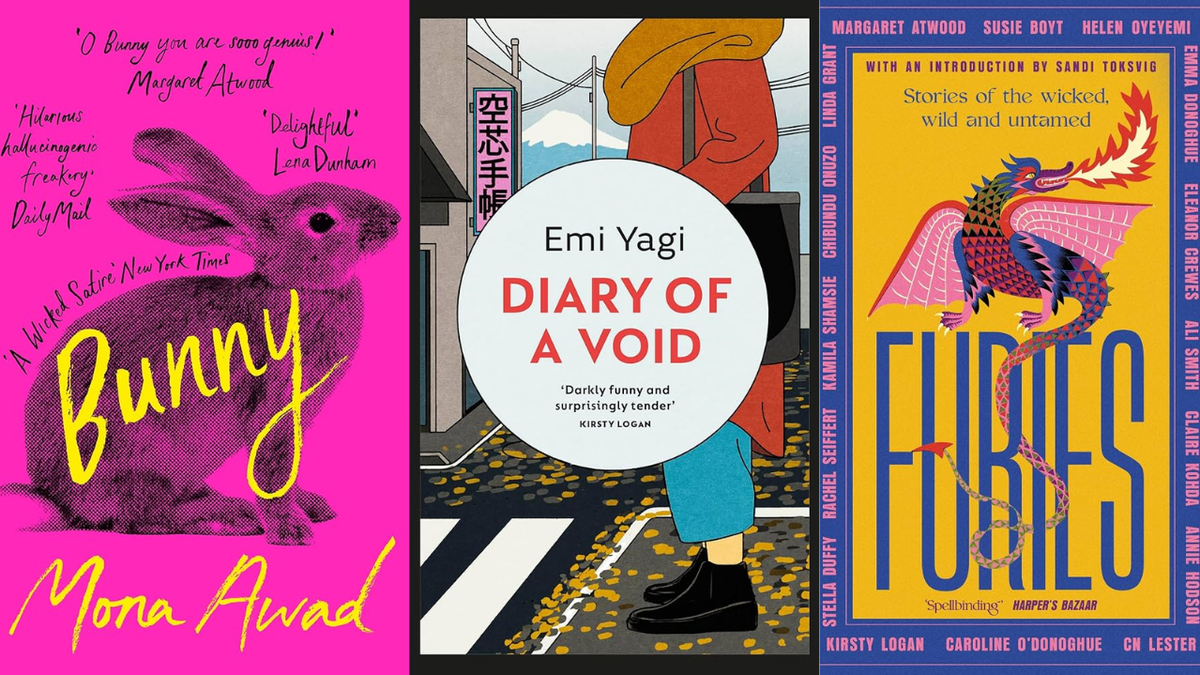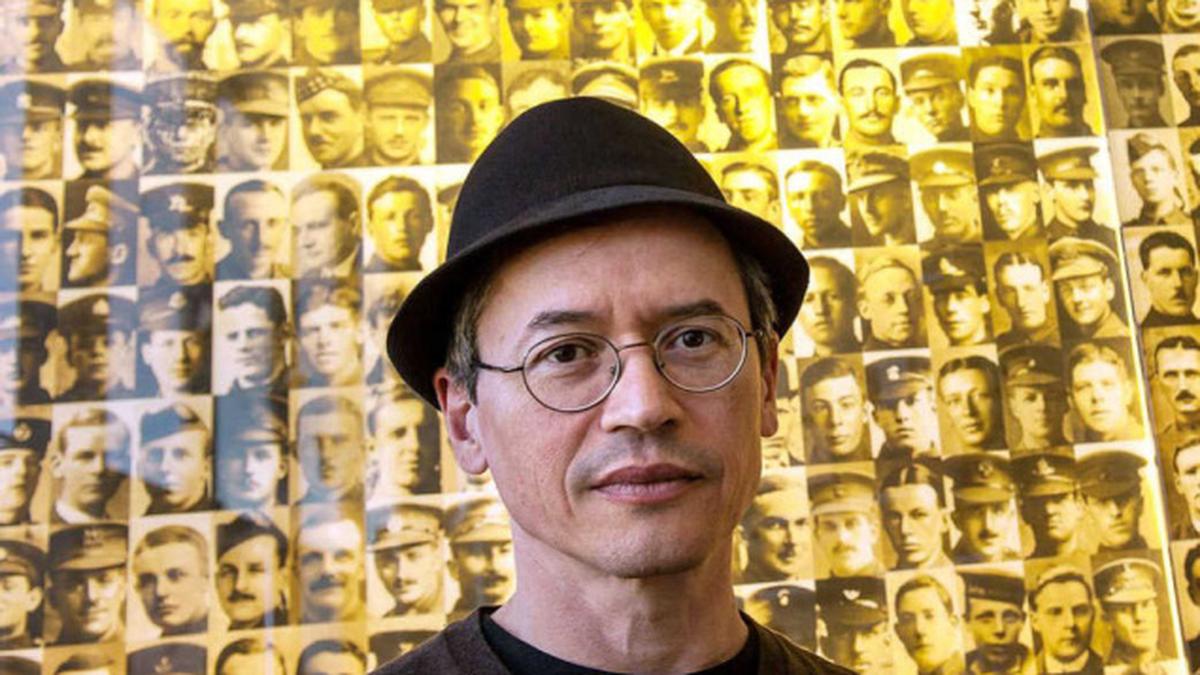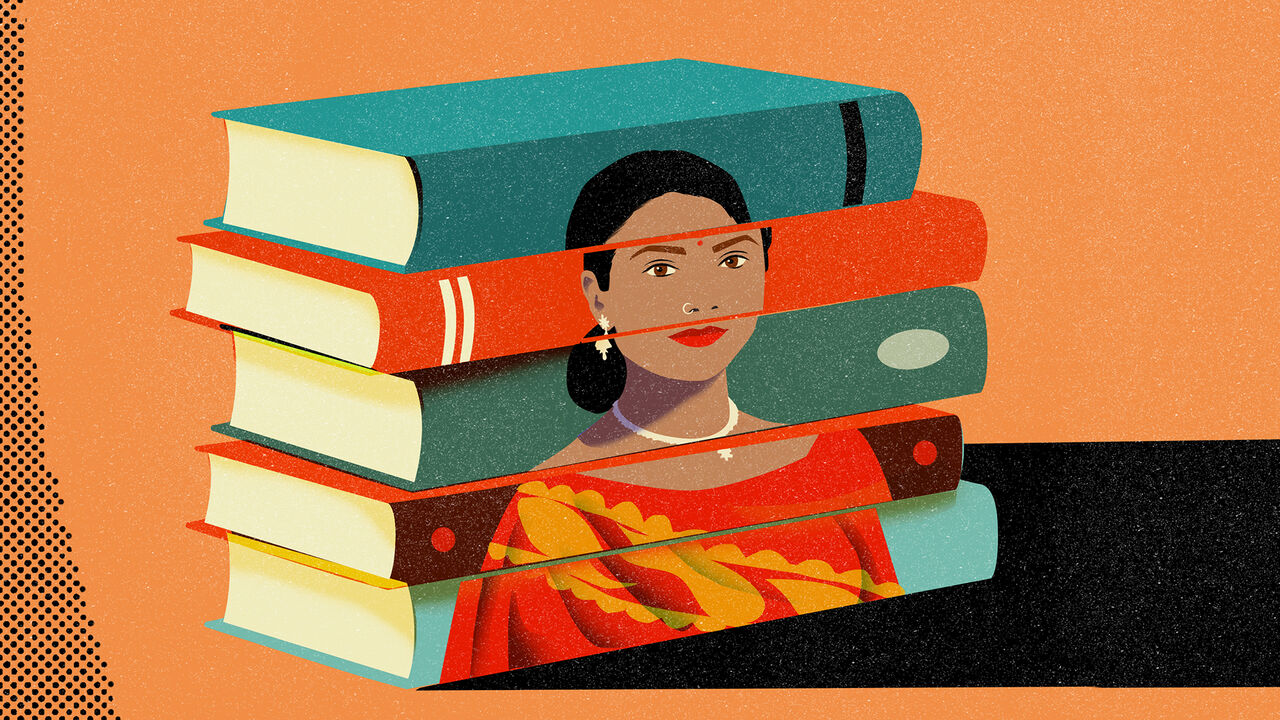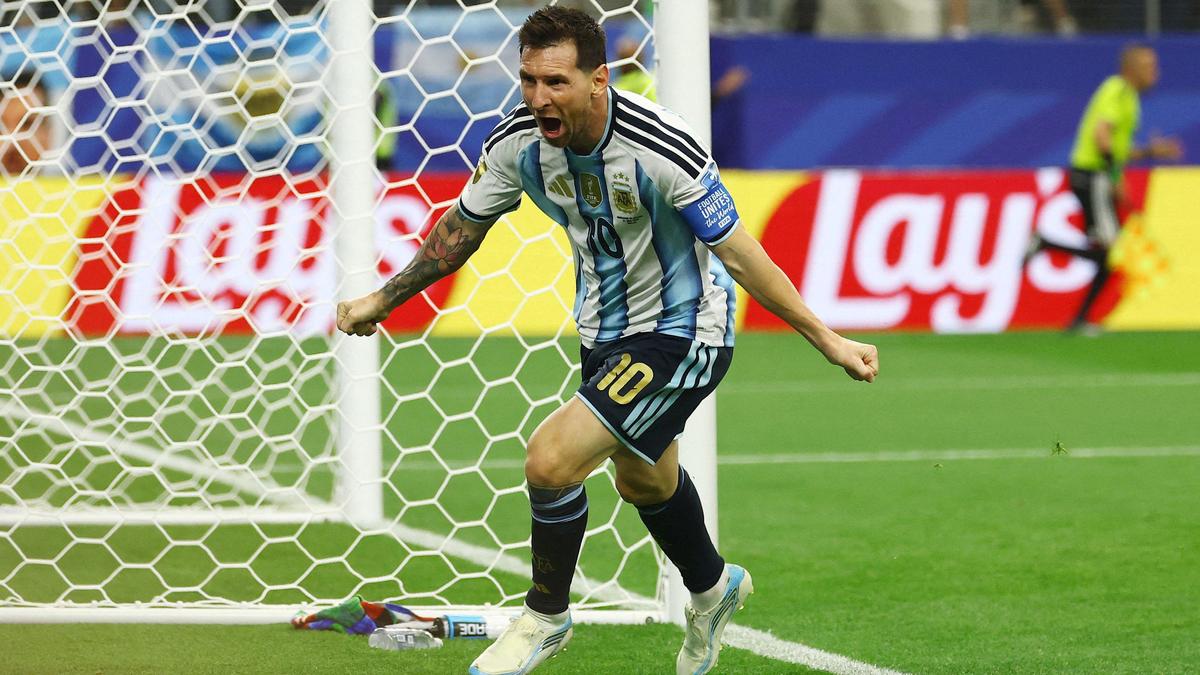
(This story is part of The Hindu on Books newsletter that comes to you with book reviews, reading recommendations, interviews with authors and more. Subscribe here.)Dear reader,All the football pilgrims of the world have gathered together in the U.S., hoping to lose themselves in a month of sport. But politics has managed to gatecrash football’s grandest spectacle.There are 48 teams playing in the World Cup, including Iran. The Iranians, whose leader was assassinated by Israel with the support of the host nation, have been forced to camp in Mexico since many of their staff members were denied visas. According to The Hindu’s editorial, some journalists were also refused visas and squad members were questioned by immigration authorities.Football is said to be unifying and transcendental in many ways. But the atmosphere has always been politically charged. In the 1930s, when fascist leaders began gaining power in Europe, Benito Mussolini was keen that Italy host the 1934 FIFA World Cup. Much like his political ally Adolf Hitler, he believed that sport was a useful tool to build national consciousness and strengthen discipline. He also cultivated the image of a sportsman himself — swimming, skiing, and horseback riding, often-bare chested, like Vladimir Putin does in today’s Russia, promoting hyper-masculinity.It was Giovanni Mauro, secretary of the Italian Football Federation, who negotiated with FIFA on behalf of Mussolini’s regime and assured the officials that any losses would be underwritten by the Italian government. Naturally, Italy was given hosting rights and then threw itself into promoting the tournament. It distributed posters showing Hercules giving a fascist salute, issued a million commemorative stamps, and even launched a cigarette brand whose name translated as ‘World Championship’. Football was a weapon for propaganda.Italy won that World Cup, but not without controversy. The defending champions, Uruguay, boycotted the tournament, angry that the Europeans did not participate in the inaugural 1930 edition. During the quarterfinal match between Italy and Spain, physical clashes broke out; the game ended in a draw. The replay was controversial too, with the referee making several questionable decisions that aided Italy’s victory. In a similar manner, in Argentina in 1978, the military junta used the World Cup to burnish its image. In Qatar in 2022, the tournament was essentially a platform for a state seeking influence on the global stage, despite widespread concerns over labour rights and working conditions.Autocrats, billionaires, and governing bodies have all significantly shaped football history. How did this happen? In this essay, Suresh Menon writes about three books that trace the rise of sportswashing in the world’s most popular game.Books of the weekIn fiction, we have reviews of two Marathi novellas (Speaking Tiger): Rajendra Banahatti’s My Last Autobiography, translated by Jerry Pinto; and Kamal Desai’s The Woman Who Wore a Hat, translated by Shanta Gokhale. The first is about the pain of being widowed after having remained married for 75 years and the difficulties of navigating old age. “And yet, this novella is far from a sad story. Filled with humour and descriptive fineness, Banahatti delivers a literary coup,” writes Meenakshi Shivram. The second is a feminist work about a nameless woman who enters the routine world of five elderly men, disrupting their lives with her ambition to make a film. Shivram writes, “It’s windfall time for Marathi literature in translation.”Bora Chung’s novel, Red Sword (Pan Macmillan), draws on the history of Korean soldiers who fought and died in a war against Russia on behalf of the Qing Dynasty. A woman is thrust into battle and is forced to fight and a monstrous enemy referred to as the “white aliens”. Anil Menon was not impressed: the novel’s repetitive, monotonous narration makes it a hard read, he writes.Julia Quinn is known for her globally successful Bridgerton novel series. At the recent Ceylon Literary and Arts Festival in Colombo, she spoke to Chittajit Mitra about her bestselling series, its screen adaptation, and how she is using her growing fame to talk about book bans and the need for more public libraries in the U.S.In non-fiction, we have Sudha G. Tilak’s review of Irwin Allan Sealy’s Flying Yoginis (Seagull Books). Yoginis are women who inhabit sculpted temple walls, forgotten shrines, and museum showcases, and Sealy goes in search of them. She writes, “Sealy’s book, which begins as a search for sculpted deities, gradually discovers living women shaped by courage and endurance. His world of the yogini soon expands beyond temples into bus stations, museums, anti-war manifestos and roadside conversations.”SpotlightOne of the most anticipated books of the year in India is Romila Thapar’s memoir, Just Being (Seagull Books). The sprawling book begins with Thapar’s childhood and traces her 94-year life to her emergence as one of India’s foremost public intellectuals. In a nearly one-hour-long conversation with G. Sampath, Thapar speaks about her growing up years, writing about the past, the rise of Hindutva as a colonial force, Ashoka’s edicts, the Indic civilisation, and the climate for academic freedom today. You can watch the interview here.NightstandI just began reading the book that everyone is talking about: Caro Claire Burk’s Yesteryear. More on it next week. Meanwhile, Suvrat Arora has reviewed it here. He says, “Yesteryear sets countless hares running, only to lose sight of them in the chase — transforming what might have been sharp, incisive social commentary into an entertaining and absorbing page-turner.” Reading mattersWhen British Council Chennai shut its physical library, my brother texted me in dismay. He had spent his entire childhood lost in its shelves. But Soma Basu has some good news to give hundreds of voracious readers like him: Chennai BCL’s membership rose from around 5,000 to 15,000 after the shift online. Do read this conversation she had with Viji Thiyagarajan, director, Libraries Global, British Council, about the future of library systems in India.And that’s all from me. Do write to me with suggestions, comments, and feedback to radhika.s@thehindu.co.in. Have a happy reading week!
The hindu on books newsletter The politics of football
The hindu on books newsletter The politics of football
981 words~4 min read