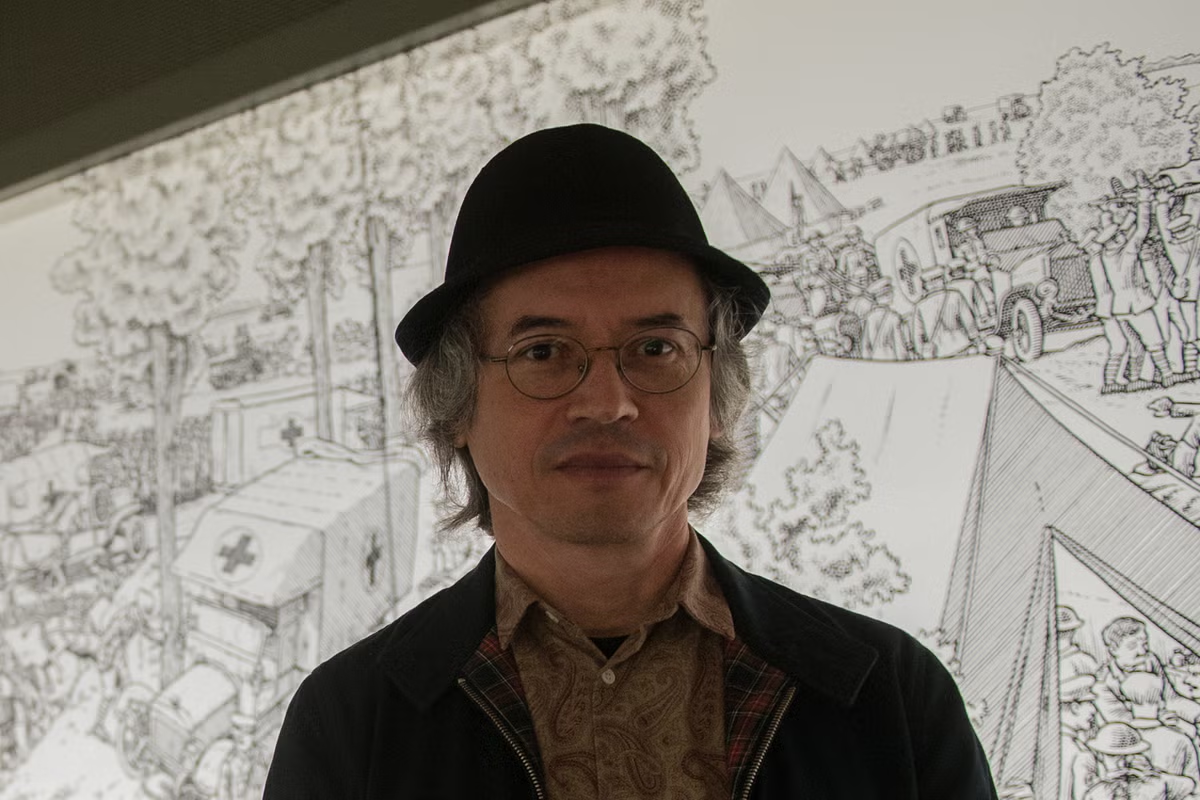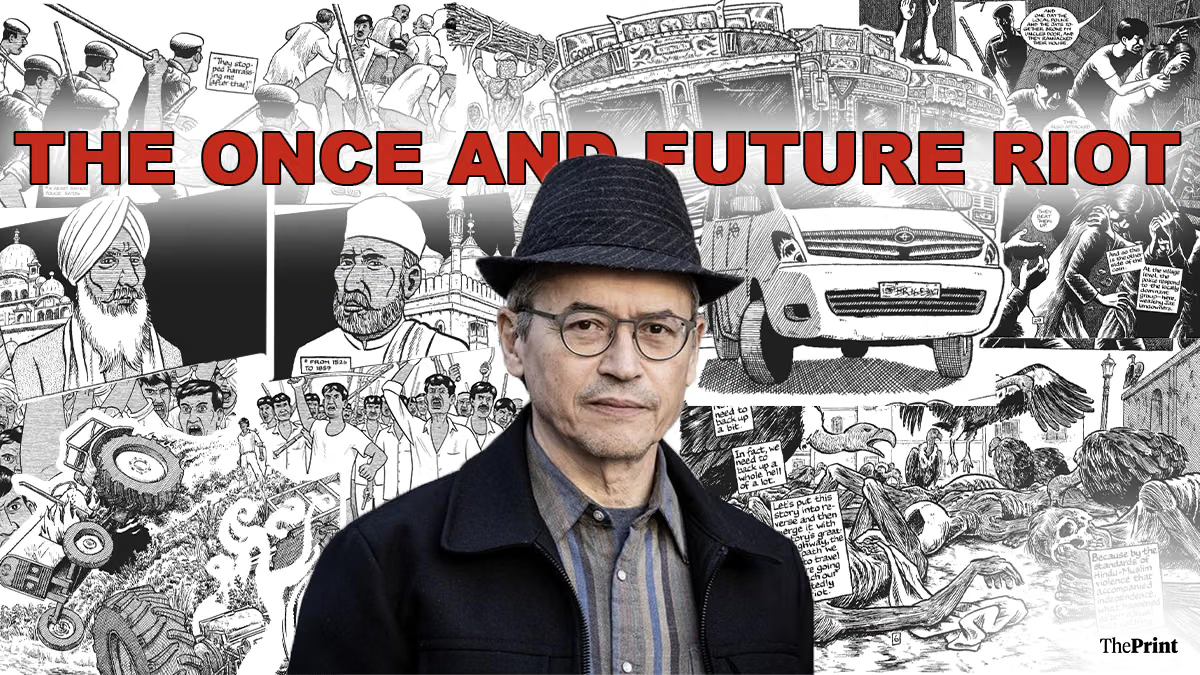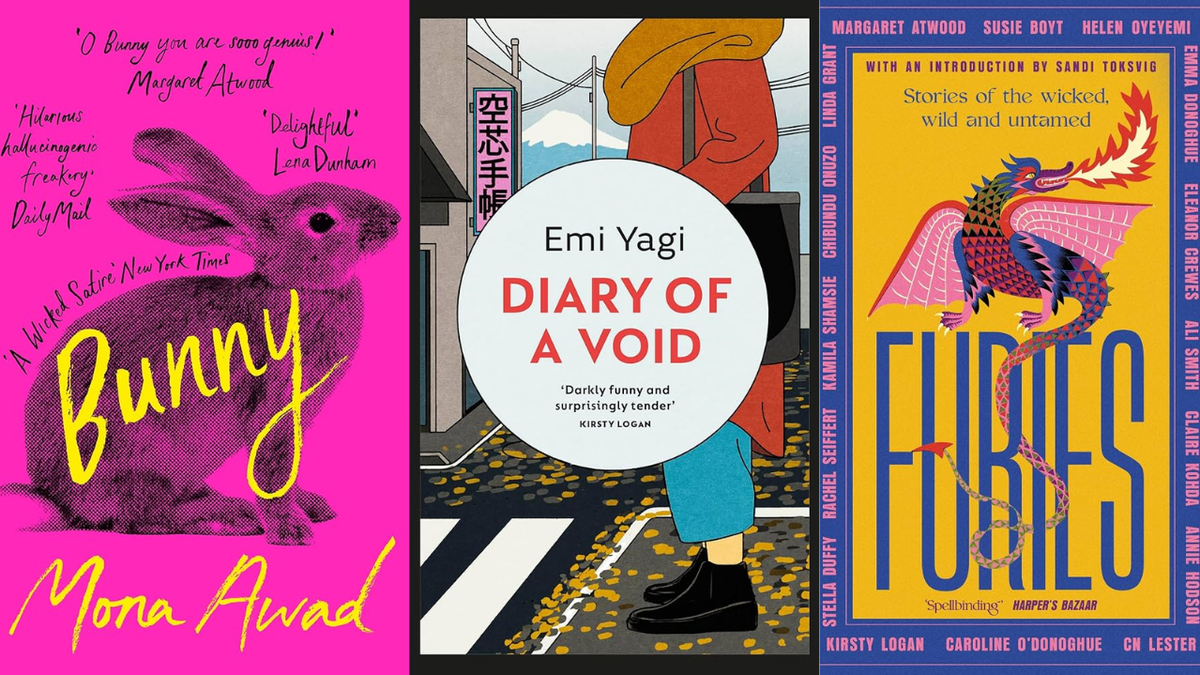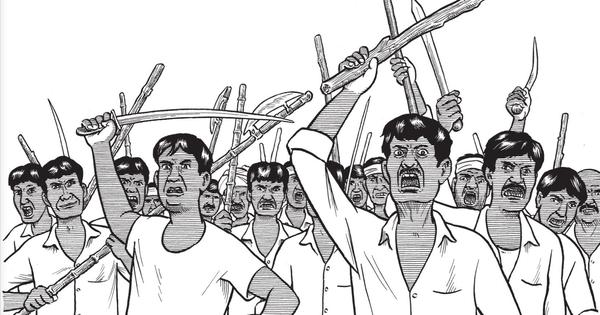
(This story is part of The Hindu on Books newsletter that comes to you with book reviews, reading recommendations, interviews with authors and more. Subscribe here.)Dear reader,If you walk into any bookstore in India, you are likely to find the works of Joe Sacco on the shelves. The Maltese-American cartoonist and journalist, whose books include Palestine, Footnotes in Gaza, Days of Destruction, and Days of Revolt, is credited to be one of the pioneers of comics journalism — a form of storytelling which mixes interviews and ground reportage with comic book panels, captions, and speech bubbles. Like the French-Iranian Marjane Satrapi, whose graphic memoir Persepolis brought the Iranian revolution to a global audience, and who died recently, Sacco helped establish comics as a medium that can powerfully document political violence in an in-depth but also accessible and visually appealing format. Last week, Sacco made headlines in India after Penguin India refused to distribute his latest book, The Once and Future Riot, about the 2013 Muzaffarnagar riots. In interviews, the publisher cited concerns over a map of India and unresolved citation issues.Public memory is short, so here is a brief recap. Communal violence erupted in Muzaffarnagar in September 2013 after some BJP leaders were accused of making inflammatory speeches. The riots left at least 60 people dead and displaced tens of thousands of Muslim families. Sacco visited Muzaffarnagar a year later for interviews and reportage. The Once and Future Riot was expected to be released in India this August and is now unlikely to see the light of the day.The book reminds us of an episode that has largely faded from public conversation. So, the questions raised by the publisher’s decision are larger: who gets to narrate contested histories? What risks are publishers willing to take? How do we as a society remember episodes of communal violence once the headlines have moved on?This episode also comes not long after another controversy involving Penguin India and the circulation of the manuscript of former Army chief General Manoj Mukund Naravane’s memoir, Four Stars of Destiny. While the publisher said they had not released copies and that the book has not yet been published (despite a now-deleted post on X suggesting it was available for pre-order), the incident raised questions about risk, legal liability, and self-censorship in Indian publishing, particularly around politically sensitive material.These controversies raise more questions than answers, but what remains clear is that Indian readers have, for now, been denied access to a work of reported nonfiction on one of the most horrific episodes of communal violence in recent memory.Books of the week
The Hindu On Books: Conflict over comics
The Hindu On Books: Conflict over comics
1,069 words~5 min read