The Netherlands is picking a fight with Washington over semiconductor export controls. Dutch Trade Minister Sjoerd Sjoerdsma has formally objected to proposed US legislation that would further restrict ASML’s ability to sell advanced chipmaking equipment to China.
The target of Dutch frustration is the Multilateral Alignment of Technology Controls on Hardware Act, better known as the MATCH Act. The Netherlands sees it as an overreach that could kneecap its crown jewel semiconductor company.
What the MATCH Act actually does
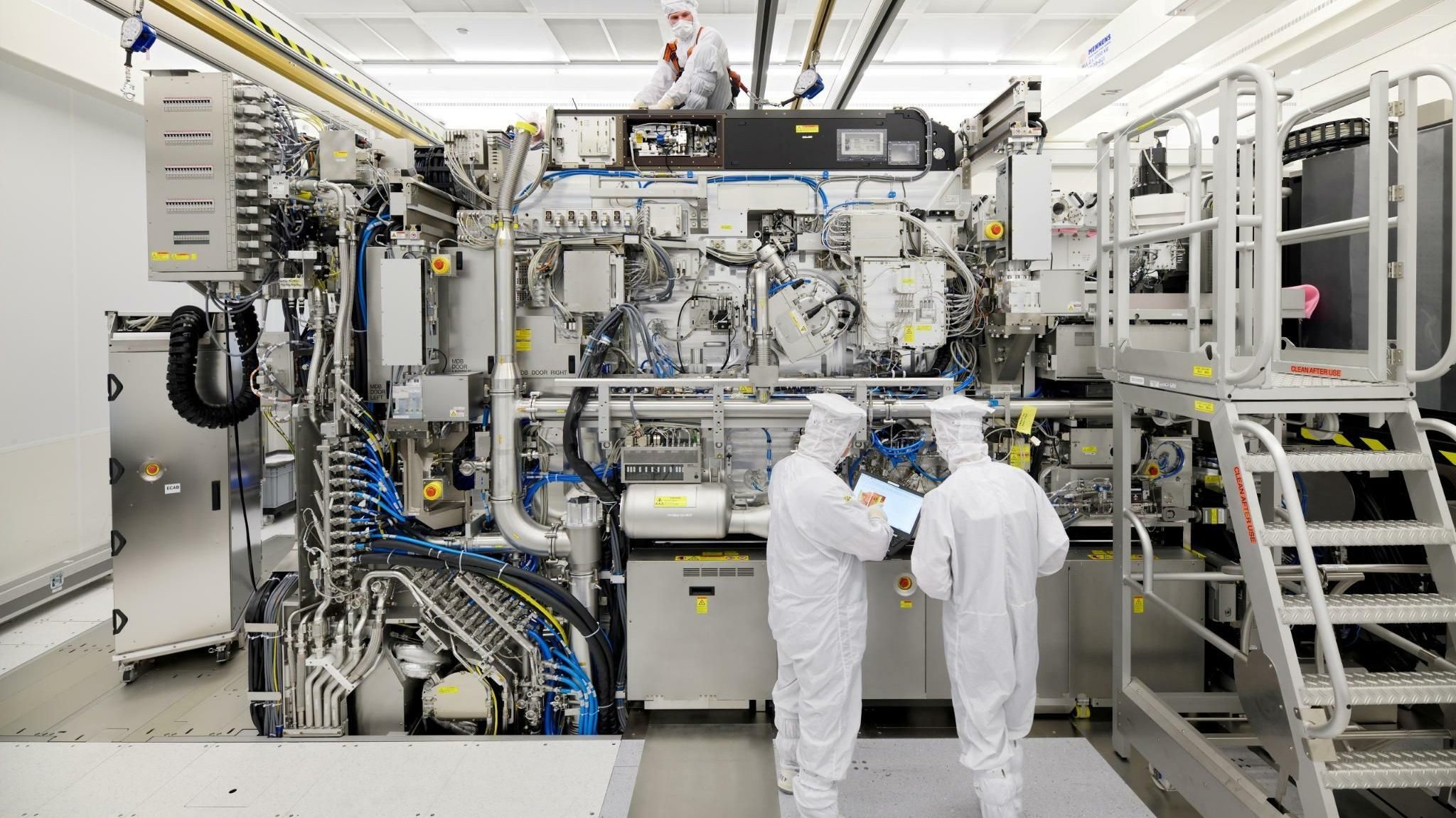
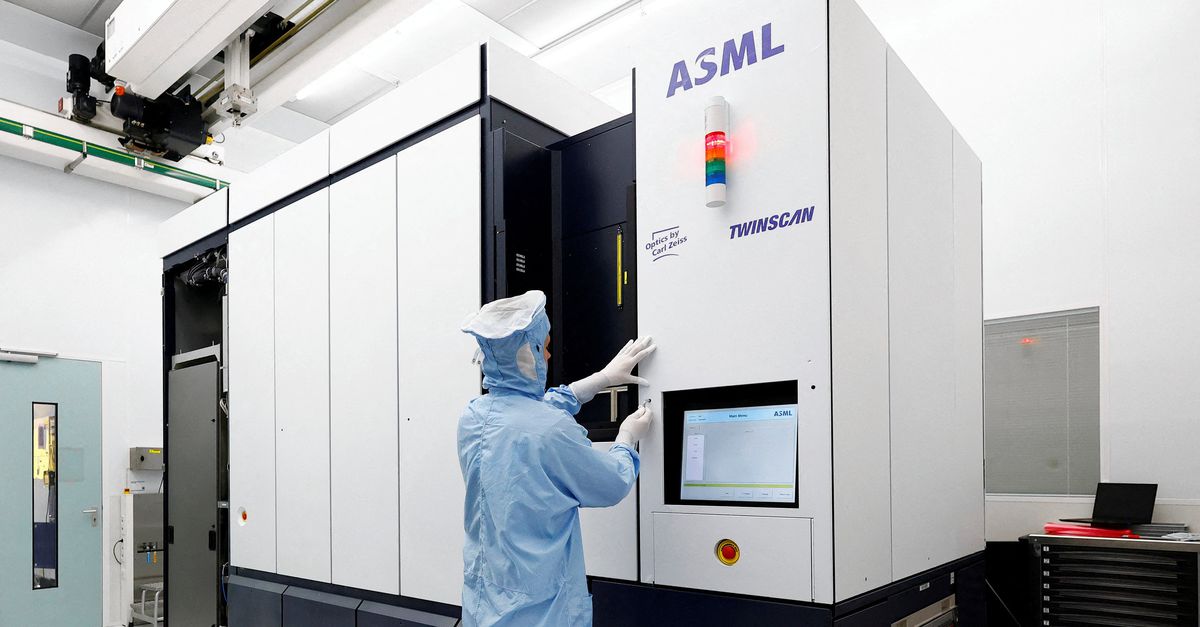
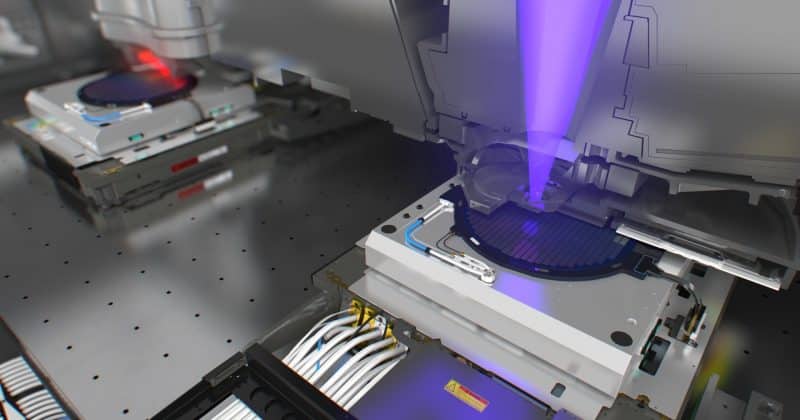
ASML is the sole manufacturer of extreme ultraviolet (EUV) lithography machines, the devices that print the most advanced chips on the planet. Every major chipmaker, from TSMC to Samsung to Intel, depends on ASML’s technology.
The MATCH Act, introduced in early April 2026, aims to tighten restrictions on the export of advanced semiconductor manufacturing equipment to China. US Rep. John Moolenaar urged stricter controls on April 21, 2026, specifically targeting ASML’s shipments. The concern from Washington’s perspective: that ASML’s deep ultraviolet (DUV) systems, particularly advanced models like the NXT:1965i, could help China develop cutting-edge chips despite existing restrictions.