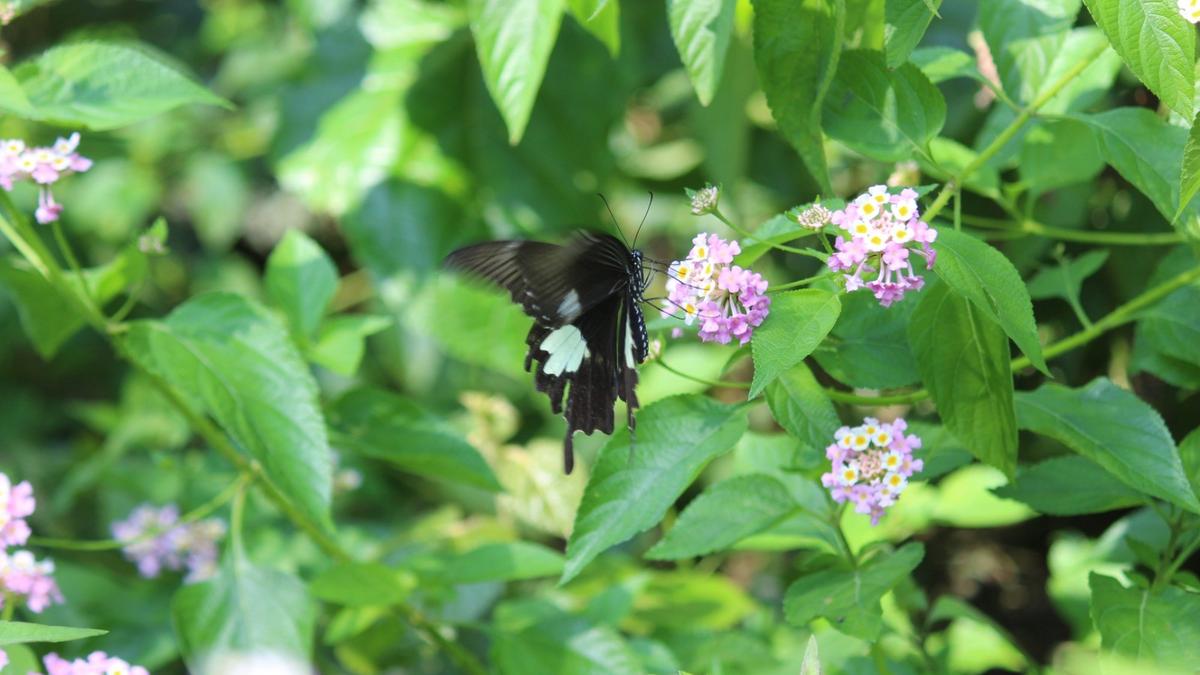
The impact of climate change and other human activities on biodiversity may be common knowledge. But, to truly understand the extent and magnitude of biodiversity loss, we need good data, believes evolutionary biologist and biodiversity scientist at the National Centre for Biological Sciences, Dr Krushnamegh Kunte, the founder and chief editor of the Butterflies of India website and the Biodiversity Atlas India, a species-based bioinformatics platform that drives the website.“Anyone can make an informal statement claiming they don’t see as many butterflies around as they did as children, and therefore butterfly populations are declining. But as scientists, we cannot make a firm statement of actual trends without actual solid data.”To help gather better data on Indian butterflies, Kunte has collaborated with Nature’s Ark to develop two mobile Android apps, iButterfly Explorer and iBiodiversity Count. These apps are specifically targeted at Indian butterflies, says Kannan AS, co-founder of Nature’s Ark, a platform that seeks to bridge the gap between cutting-edge technologies and organisations committed to climate adaptation and biodiversity conservation.While he agrees that there are other apps that can help with identification and recording, “the accuracy that you get here is significantly higher,” he insists, explaining that the entire dataset used to train the AI for the iButterfly Explorer app was taken from the IFB website, which has been curated by Kunte and his team. “We collected the existing data and trained the model from there. This is the first Indian mobile app that identifies any Indian fauna with AI,” says Kannan.Also read: India’s butterfly boom: How Nature walks, parks, and trails are sparking a new conservation movement
Two new apps to identify and record Indian butterflies launched
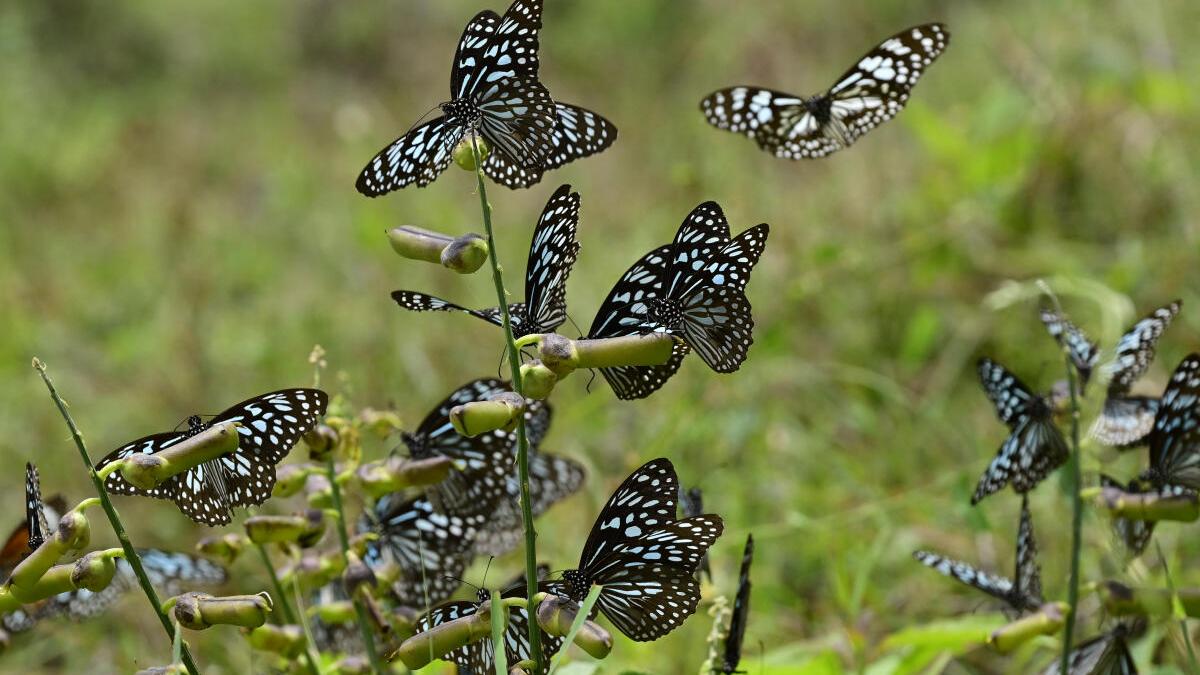
Nature’s Ark, has developed two mobile Android apps — iButterfly Explorer and iBiodiversity Count — specifically targeted at Indian butterflies
1,047 words~5 min read