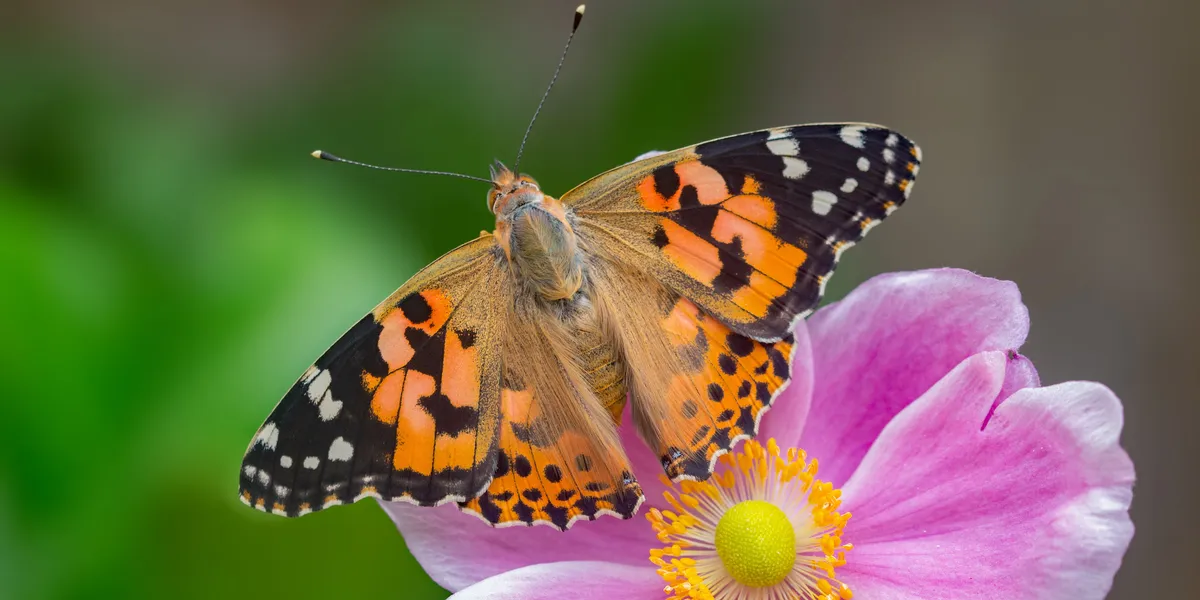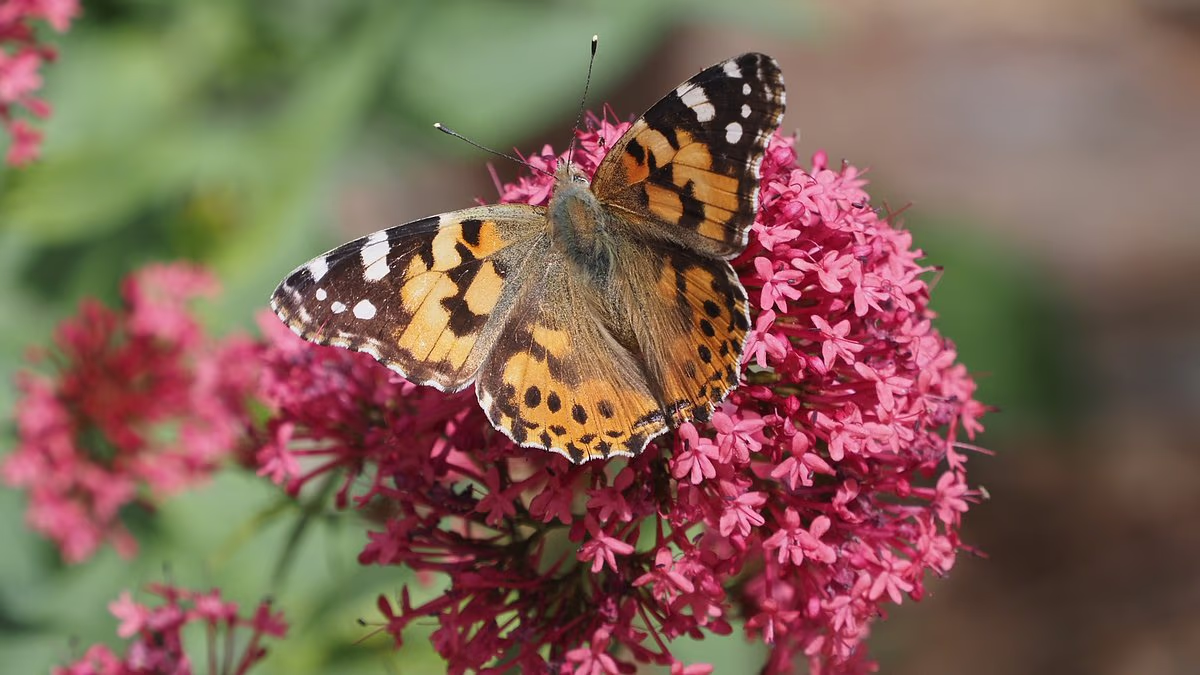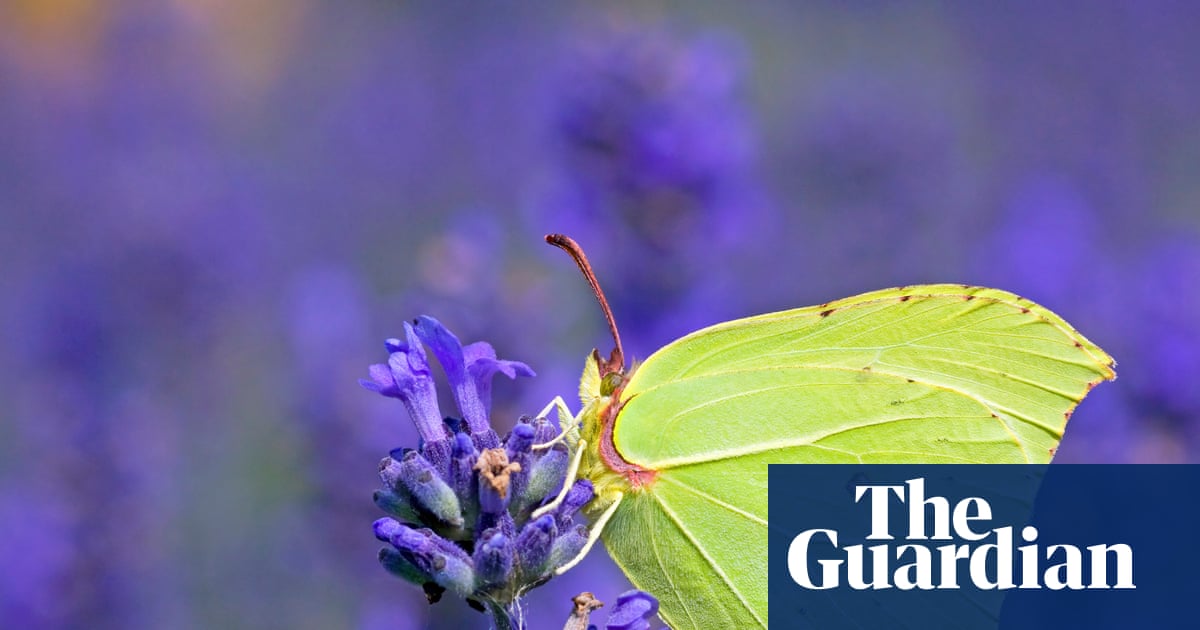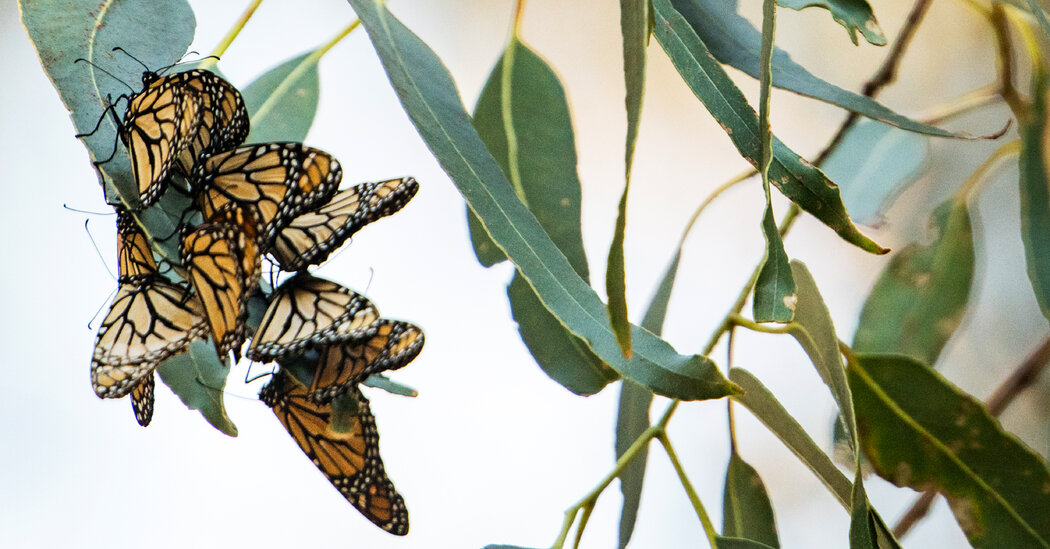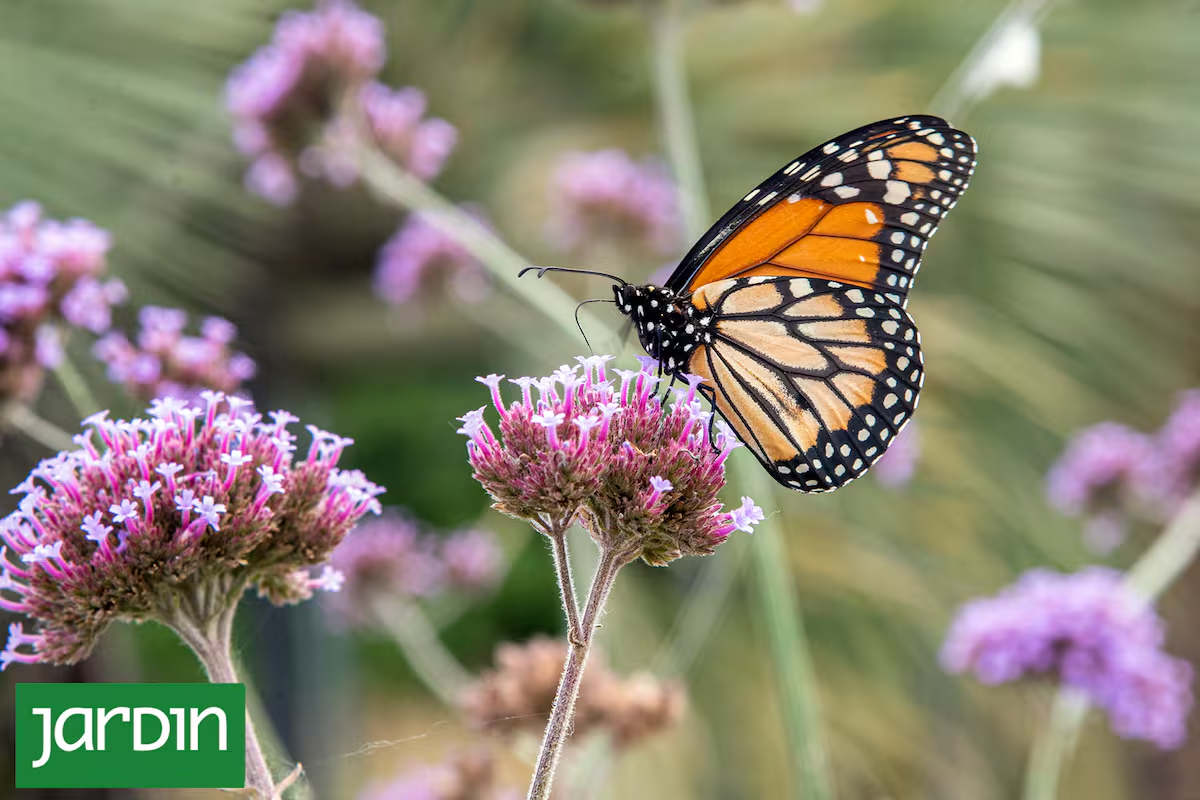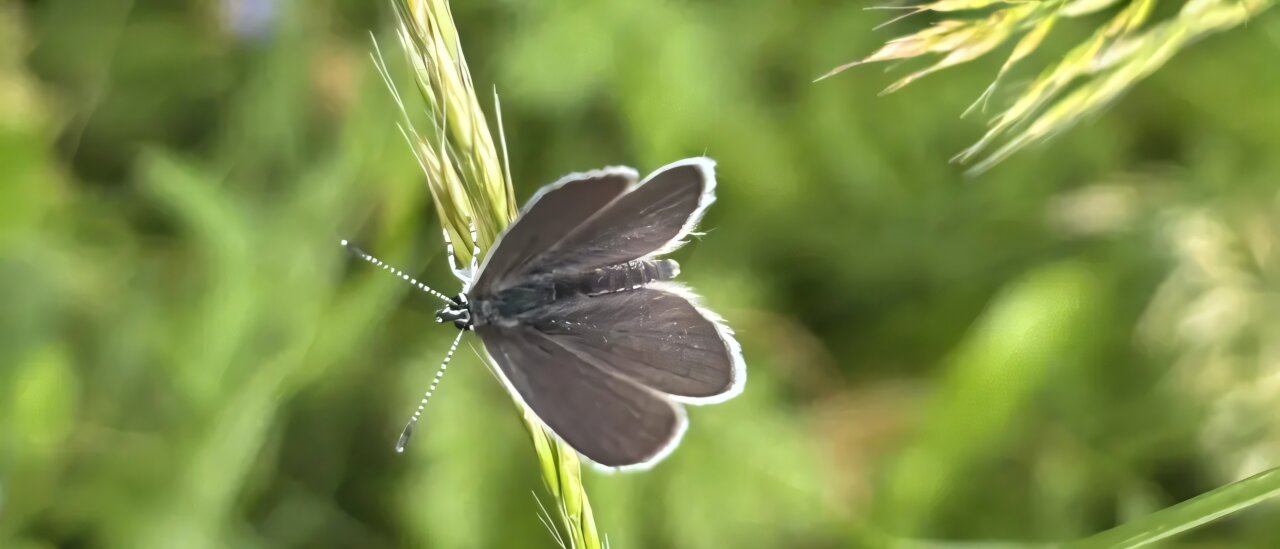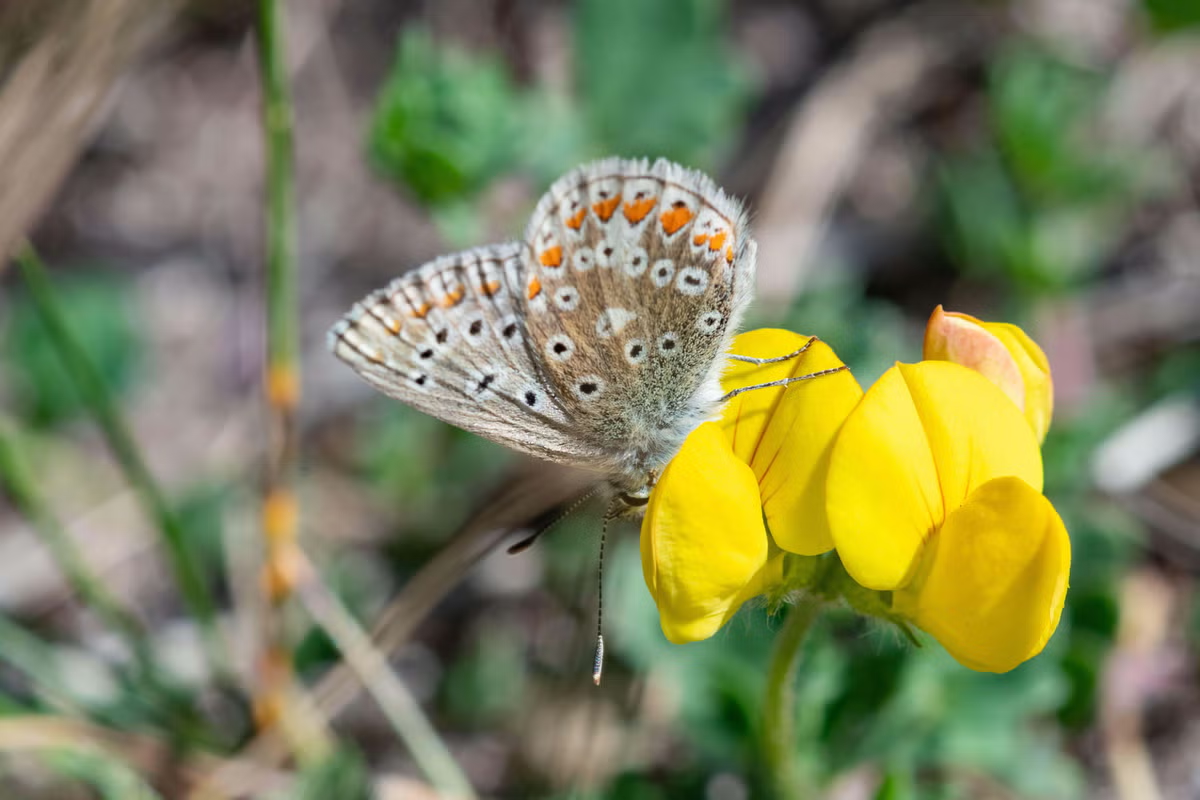
As the 17th annual Big Butterfly Count approaches, gardeners are being encouraged to join in the biggest nationwide survey of these beautiful insects aimed at helping us assess the health of our environment.There are things we can do to create the perfect setting to encourage butterflies into our gardens, says Kate Merry, head of engagement at Butterfly Conservation, the charity which organises the count.“It’s incredibly important to create the right environment because even many of the so-called common and widespread species that we are all so familiar with and that would typically visit a garden are showing a decline.”So, how do you create a perfect garden setting for butterflies?1. Choose plants which attract butterflies“My superstars would be nasturtiums because they are super-easy to grow, they’re bright and attractive, provide nectar and importantly, they provide food plants for caterpillars such as large and small whites, and they can make great interplanting,” says Merry.“If you’re a gardener that dislikes caterpillars because you might have a veg patch that’s been plagued by caterpillars, a lot of people interplant nasturtiums to provide a sacrificial plant that caterpillars are welcome to feed on.”She also recommends lavender, a great nectar source for many species, bird’s-foot trefoil, traditionally more of a meadow plant but an important magnet for the common blue butterfly, and perennial wallflowers, which provide nectar from spring to late summer.2. Think about colour(Alamy/PA)“In terms of colour, they seem to prefer the blue spectrum, so purple and blue flowers,” she says.“It can be really beneficial to plant in blocks. If you are doing a bed, rather than having a certain type of plant scattered across the bed, consolidate it into blocks, which seems to help butterflies hone in on a particular plant.”3. What about sunlight?(Alamy/PA)“Butterflies love sheltered, sunny spots. Not everyone has a perfect south-facing garden and if you have a very shady area you are unlikely to see butterflies nectaring there. They prefer full sun.”4. Give them shelterA red admiral shelters in long grass (Alamy/PA)They also prefer shelter because if it’s too windy or not warm enough they will find refuge elsewhere, she continues.People can provide shelter by letting an area of grass grow long or just leaving things a bit messy, so they can shelter in leaf litter other garden debris, Merry advises.Leave stems uncut through the winter, she adds, because a lot of butterflies will use plant stems to form their chrysalis and hang, where they can safely complete their life cycle and emerge the following spring.5. Create a resting placeEleanor Dodson/Butterfly Conservation/PA)“Butterflies will roost. If you go out in the evening and look carefully, you would be able to see butterflies kind of perched and roosting on long stems, with their wings folded. At that point, the butterfly is wanting to remain inconspicuous, safe from predators while it rests.”“The underside of the wing is perfectly camouflaged against bark, wood, dead leaves, so when butterflies are roosting, you can’t see them,” she says.In summer, climbing plants come into their own as far as giving butterflies a resting place.“If you’ve got a trellis, a fence, or a tree with another plant like a honeysuckle growing through it, they provide really good spots for butterflies to hunker down,” she suggests.6. Keep your garden watered“Well-watered gardens and plants will have more accessible nectar then a garden in drought. Butterflies purely feed on nectar – they do all their eating at their caterpillar stage.“As an adult, it has a proboscis, a long tongue, and it will drink nectar. It gets its liquid from that source. They do something called ‘puddling’, which is where they drink from puddles, damp soil or dewdrops, absorbing the salts and minerals they don’t get from nectar,” she explains.They’re unlikely to drink from saucers of water which gardeners put out for wildlife, because they need the diluted minerals from the surface moisture on the soil, she adds.7. Create a setting for breeding(Megan Lowe/Butterfly Conservation/PA)Ensure you have the different stages of the lifestyle covered, Merry advises. You need nectar-rich plants on which adults feed, but also plants which caterpillars will feed on.“Think beyond nectar. A lot of caterpillar food plants are the things that you would have in your garden, like trees, and certain native shrubs.“The caterpillar will hone in, looking for those particular plants and will only lay her eggs on the caterpillars’ food source.”Let a clump of nettles grow in your garden, as caterpillars of the peacock butterfly, the nation’s favourite, and other species will feed on those, she suggests..8. And in smaller gardens…(Savannah Jones/Butterfly Conservation/PA)If you just have a balcony or a terrace and a few pots, there are some plants that can can serve the lifecycle of butterflies, Merry notes.“If you’ve only got, say, three pots for a small handful of plants you can purposefully select the plants which both provide nectar and caterpillar food, like the bird’s-foot trefoil,” she says. “Then you could support all the different stages of lifecycle, even in a small space.“If you don’t cut the plant right back it would also enable that sheltering aspect.”Butterfly Conservation’s Big Butterfly Count runs from July 17-August 9.
How to create a perfect garden setting for butterflies
In the run-up to the Big Butterfly Count, maximise your chances of spotting these beautiful insects.
850 words~4 min read