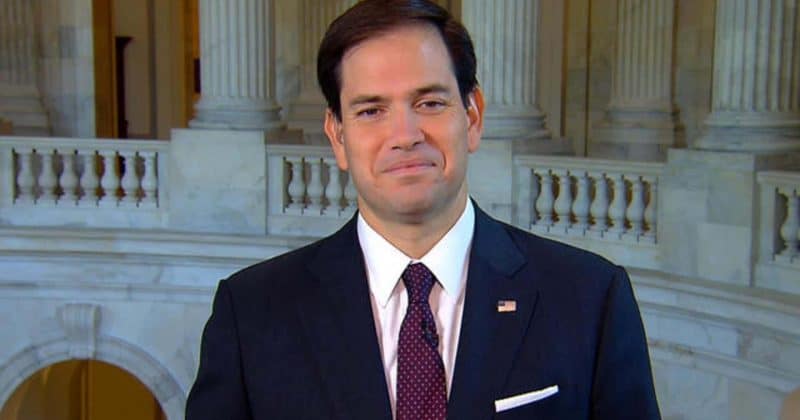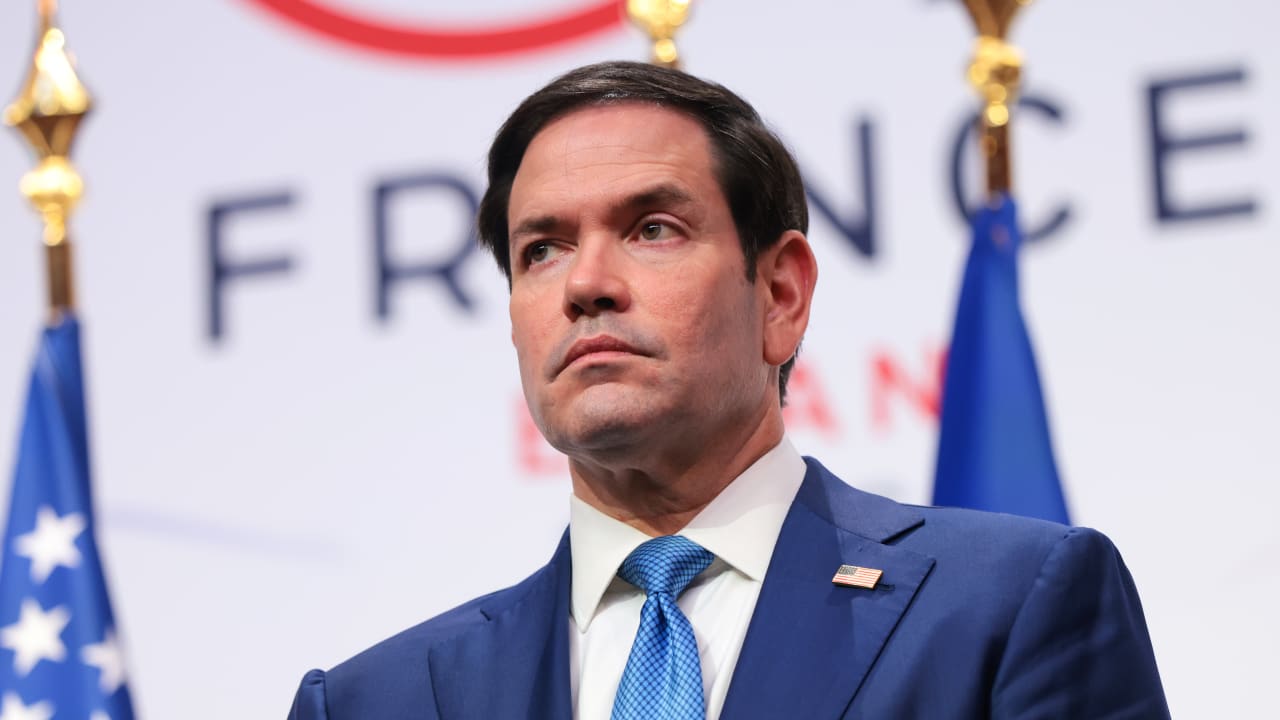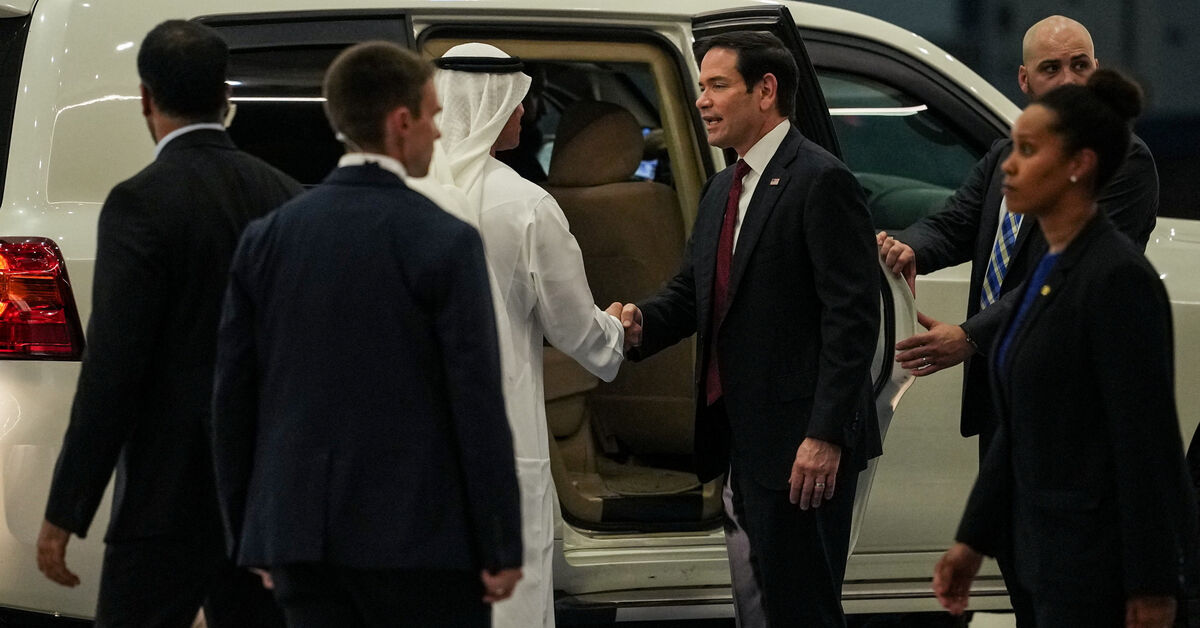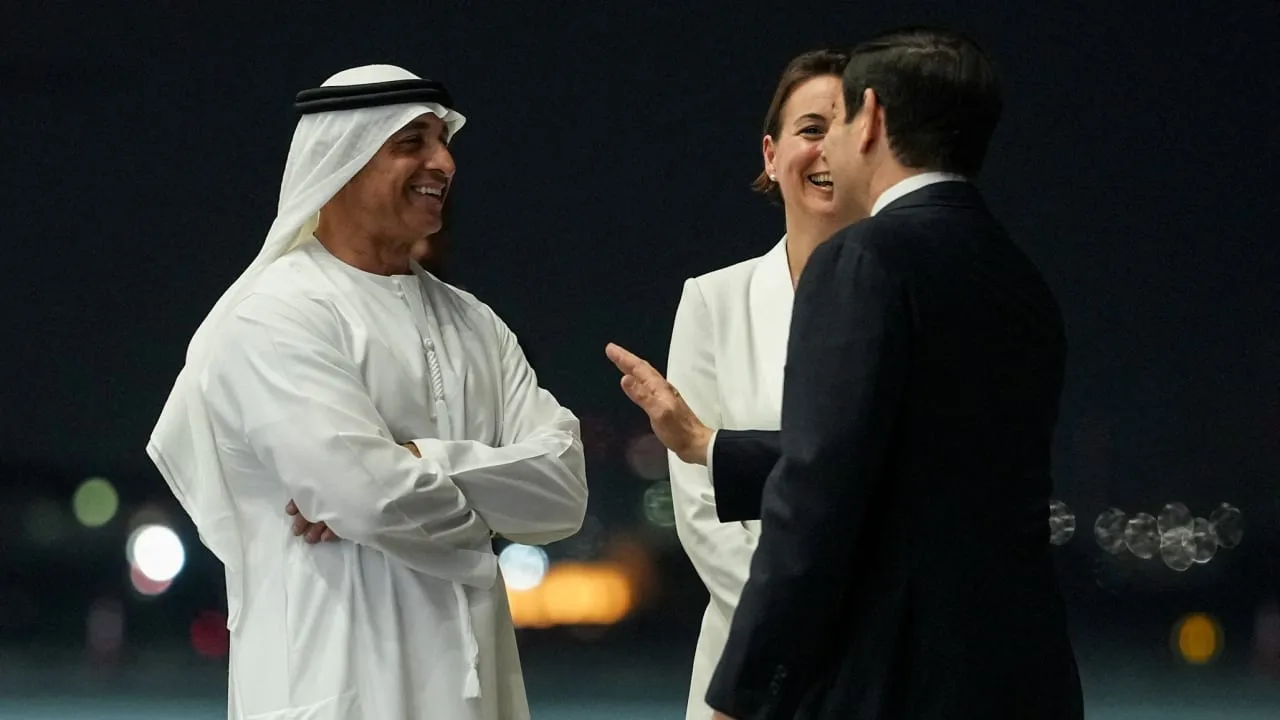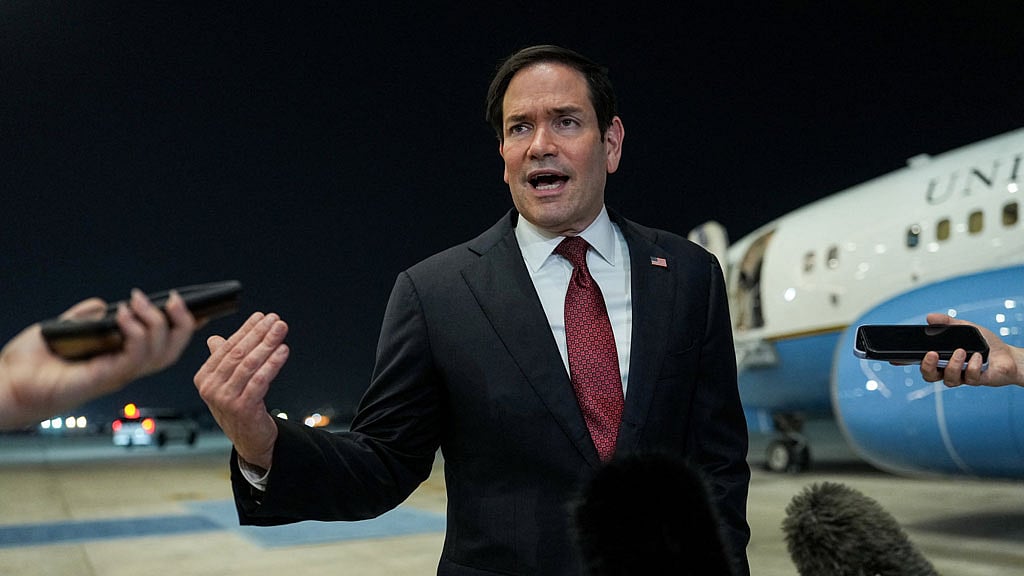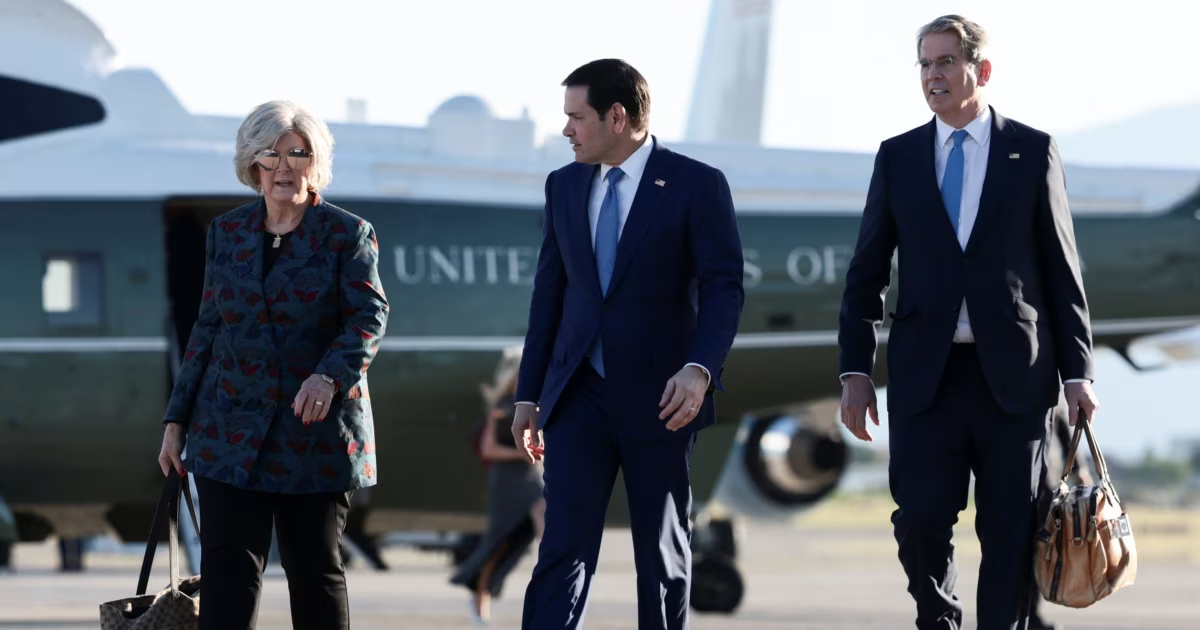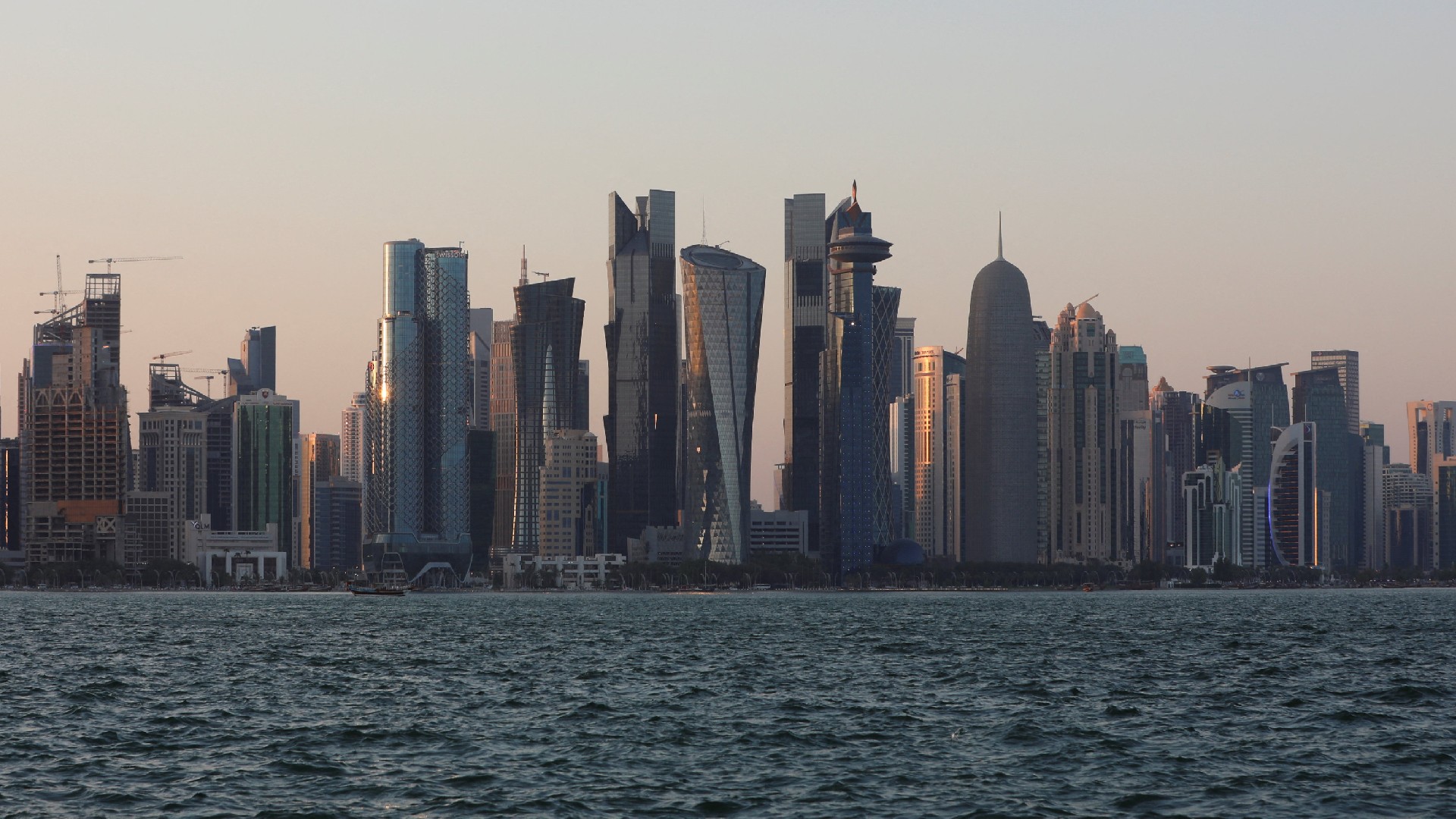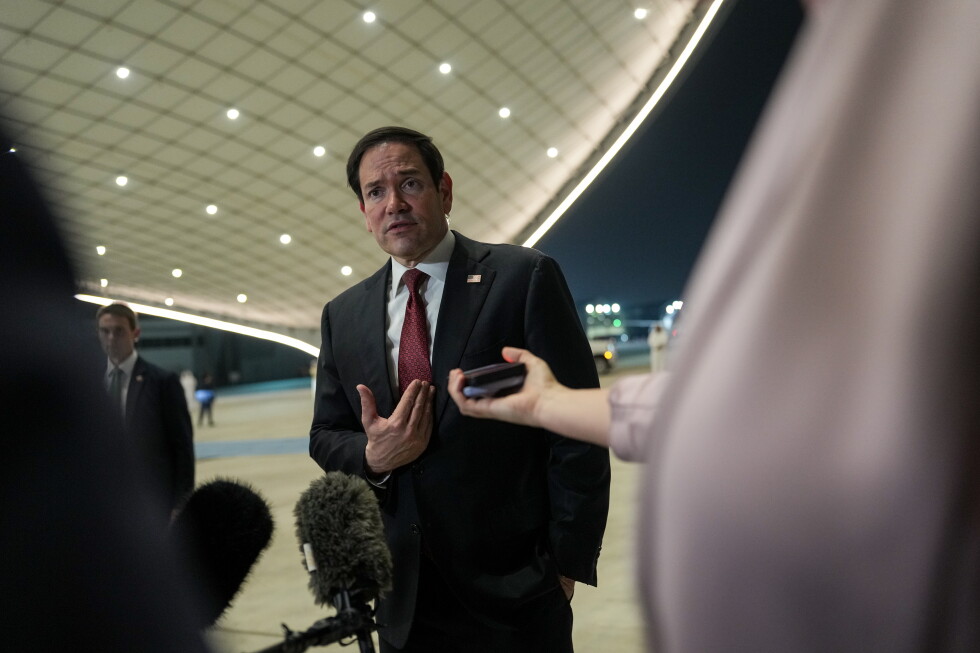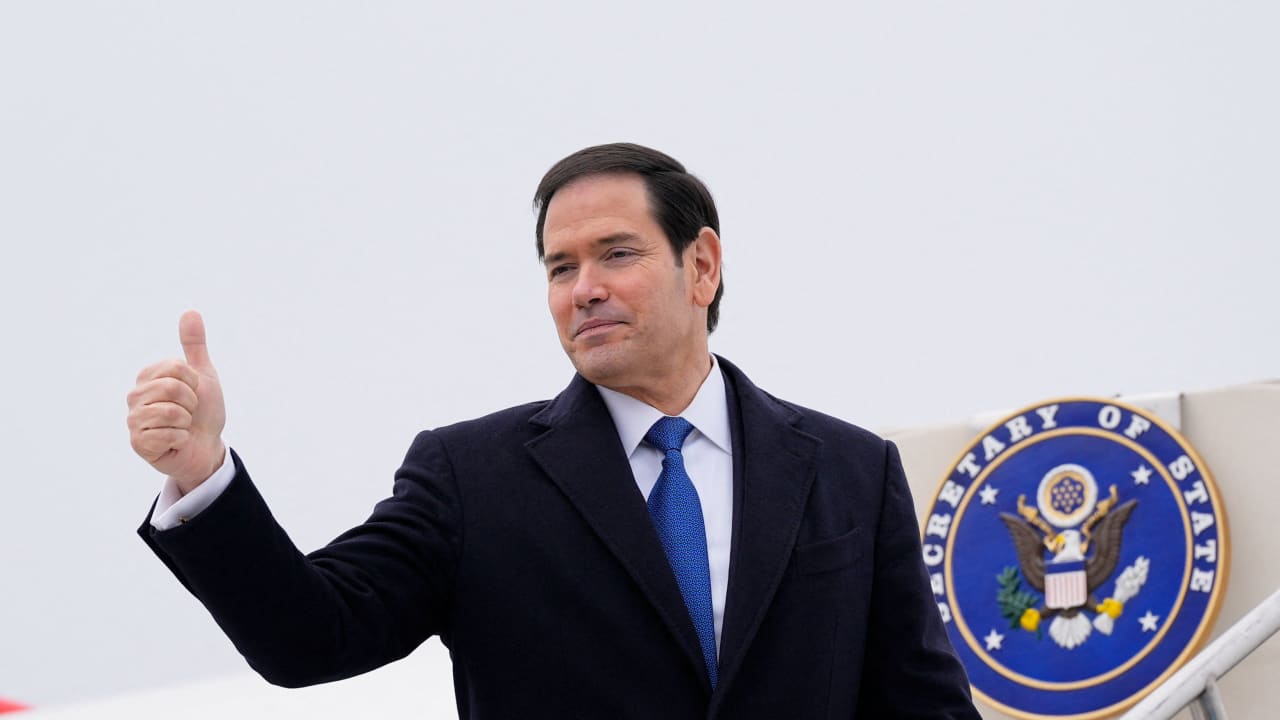
US Secretary of State Marco Rubio touched down in Abu Dhabi late Tuesday to kick off a three-day Gulf tour, his first major diplomatic mission since the US and Iran signed a memorandum of understanding on June 17. The agreement, which includes a $300 billion reconstruction framework for Iran, is designed to end a four-month conflict that rattled energy markets, shipping lanes, and, by extension, every risk asset on the planet.
Crypto markets have already cast their vote on the deal. Bitcoin surged past $66,000 following the announcement, and the total digital asset market cap jumped by roughly $60 billion.
What the deal actually involves
The preliminary accord centers on two things that matter enormously to global commerce. First, the Strait of Hormuz, through which roughly a fifth of the world’s oil supply passes, will reopen for toll-free navigation. Second, a $300 billion reconstruction framework will channel funds toward rebuilding Iranian infrastructure damaged during the conflict.
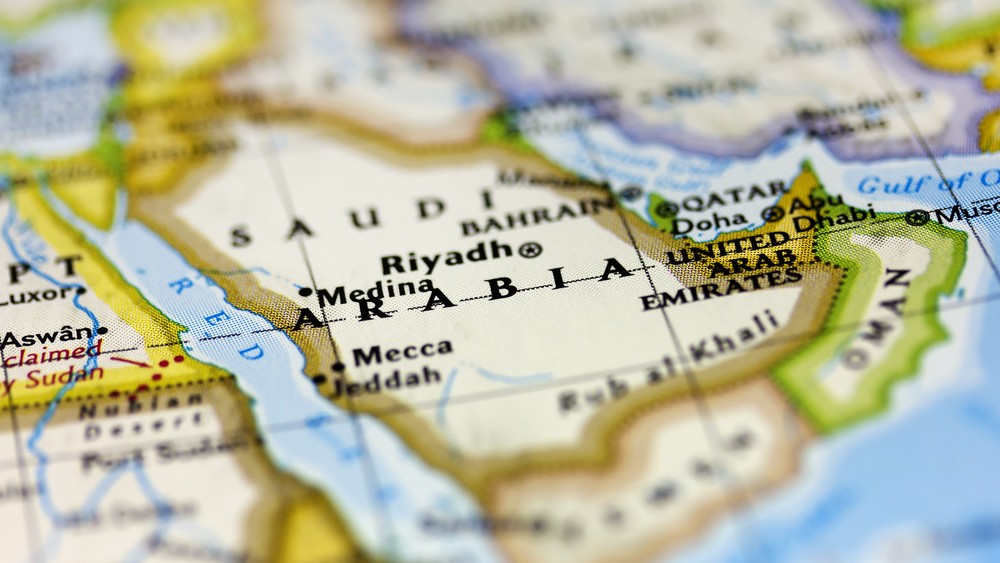
Rubio’s Gulf tour, which includes stops in the UAE, Kuwait, and Bahrain, is essentially a reassurance campaign. Gulf allies have been less than thrilled about the prospect of Iran receiving a massive capital injection. Their concern isn’t abstract. A wealthier Iran could mean a militarily revitalized Iran, and that reshuffles the regional power balance in ways that make Riyadh, Abu Dhabi, and Manama nervous.