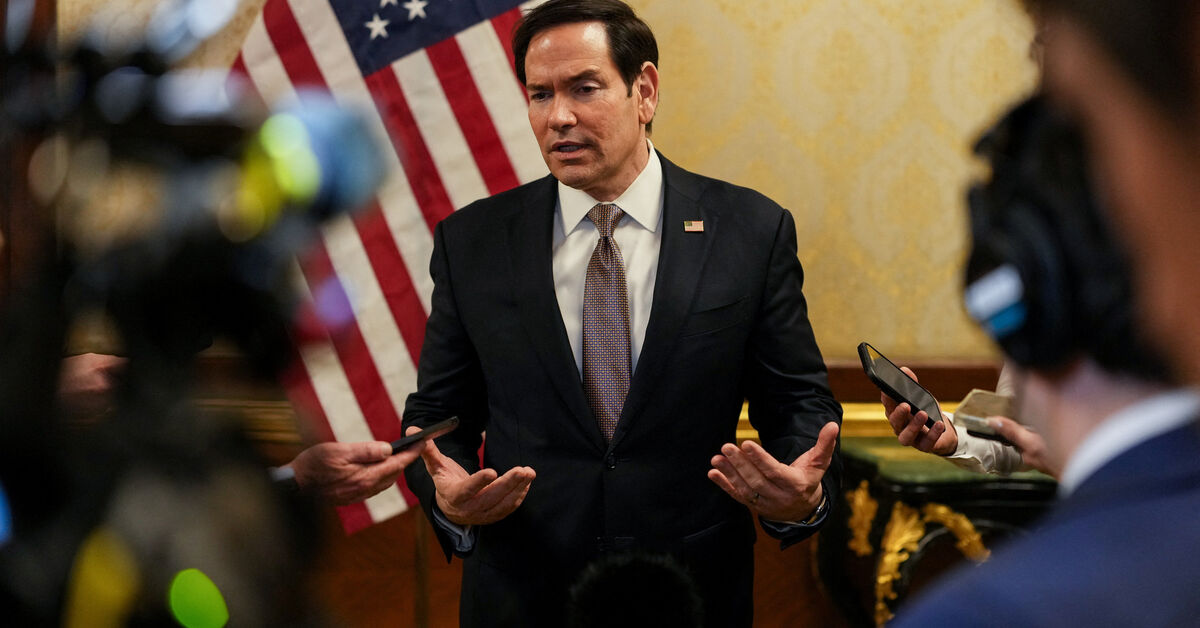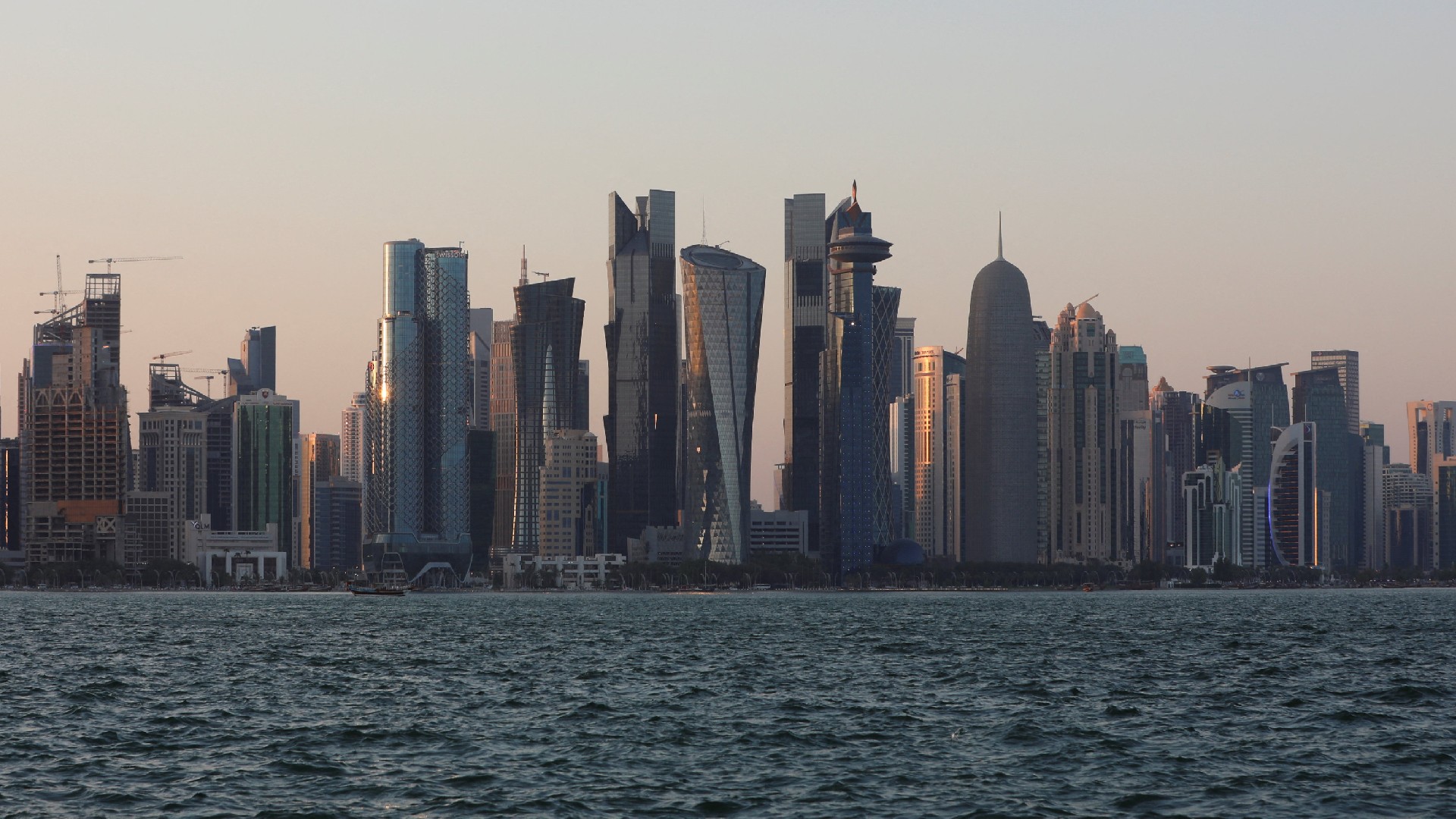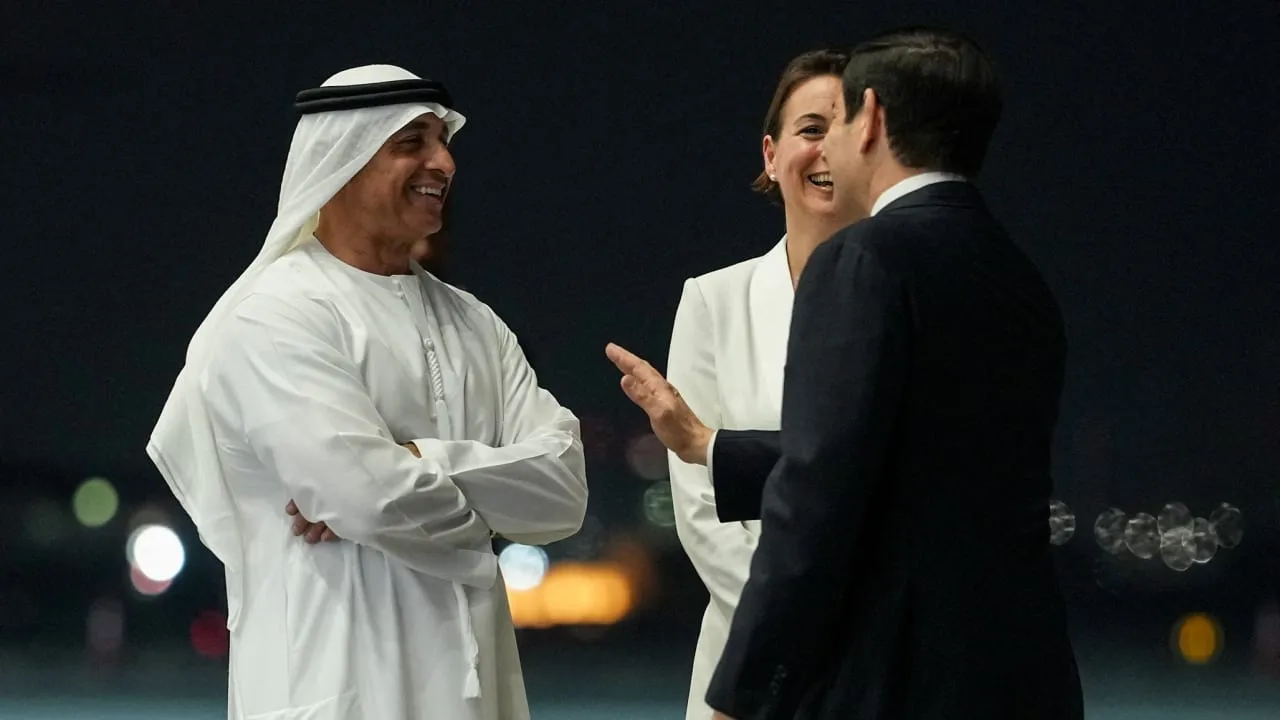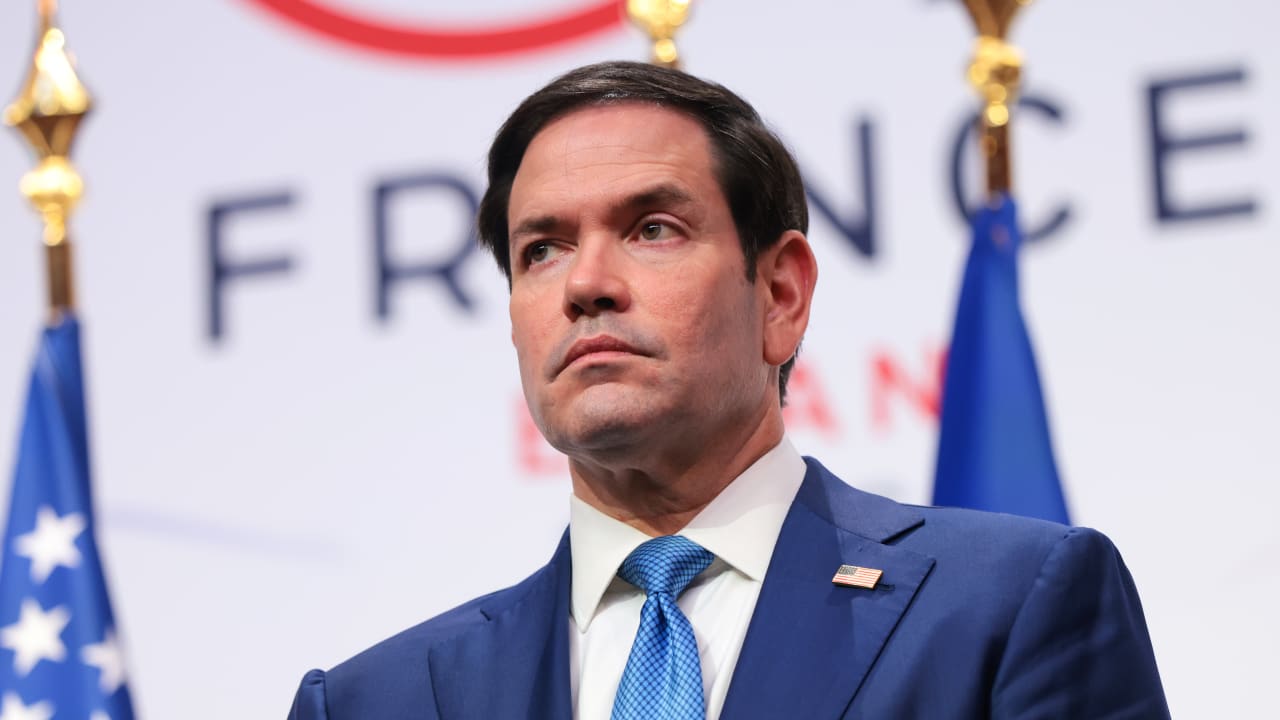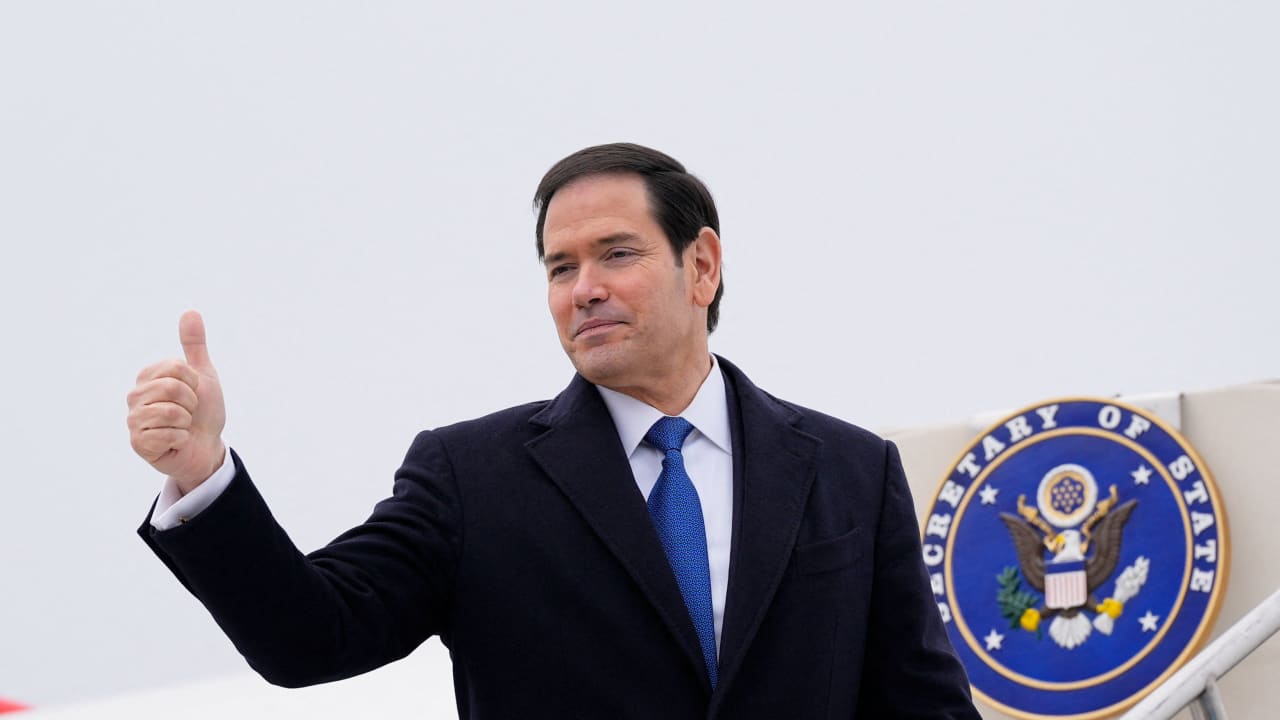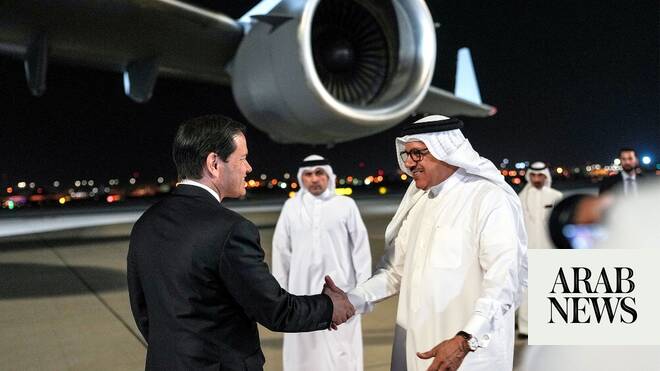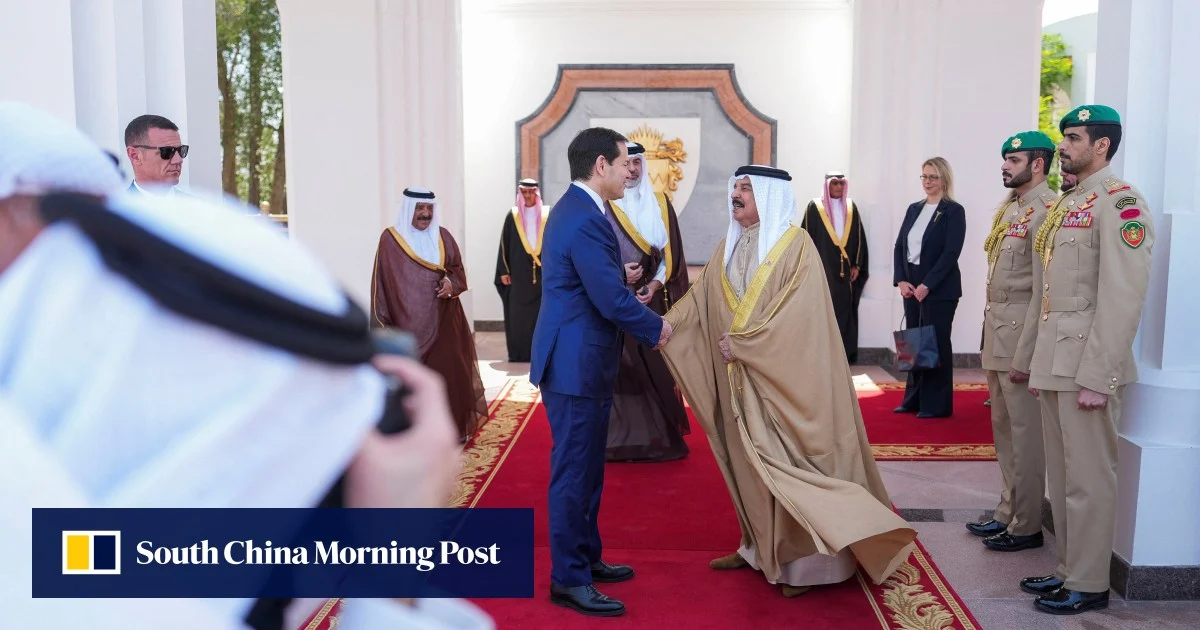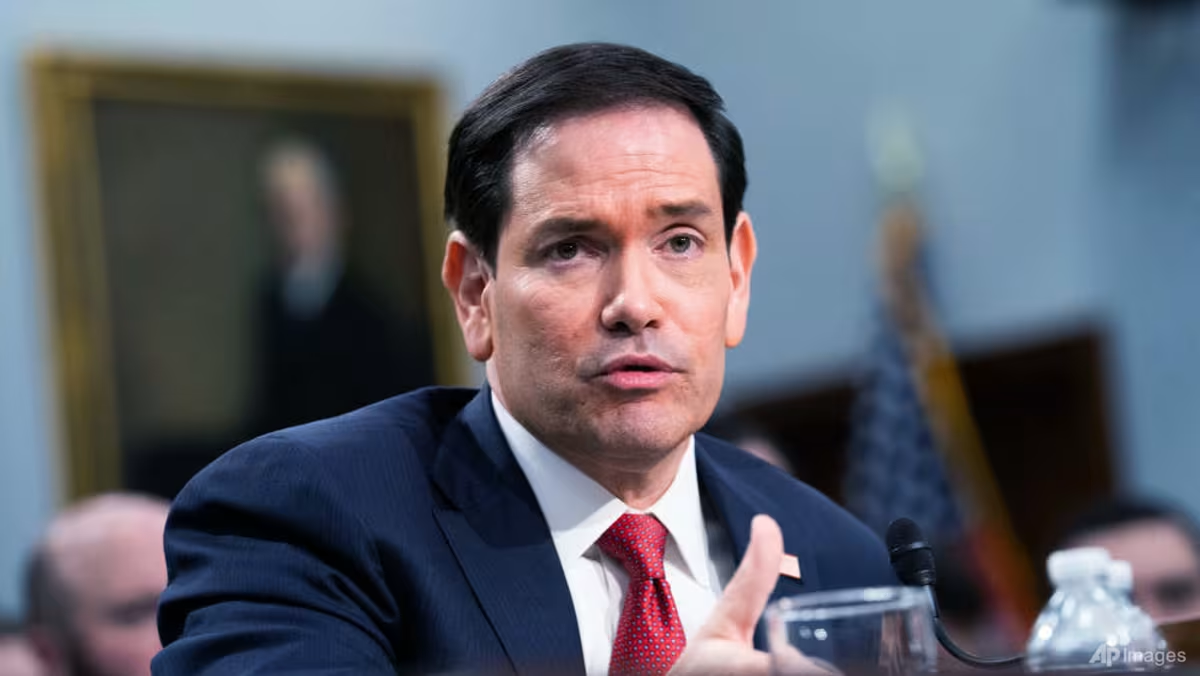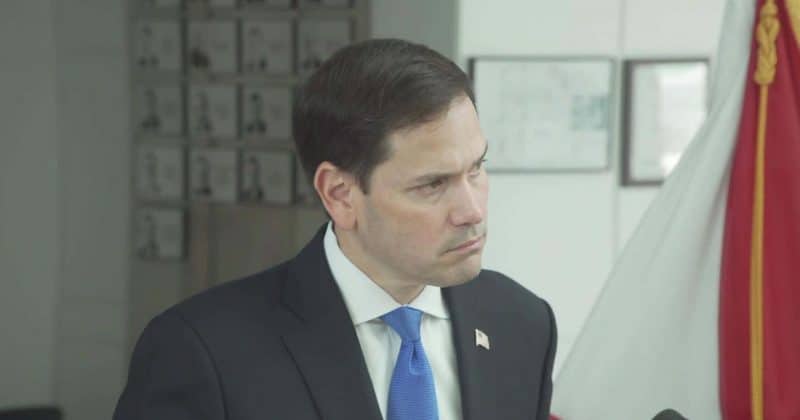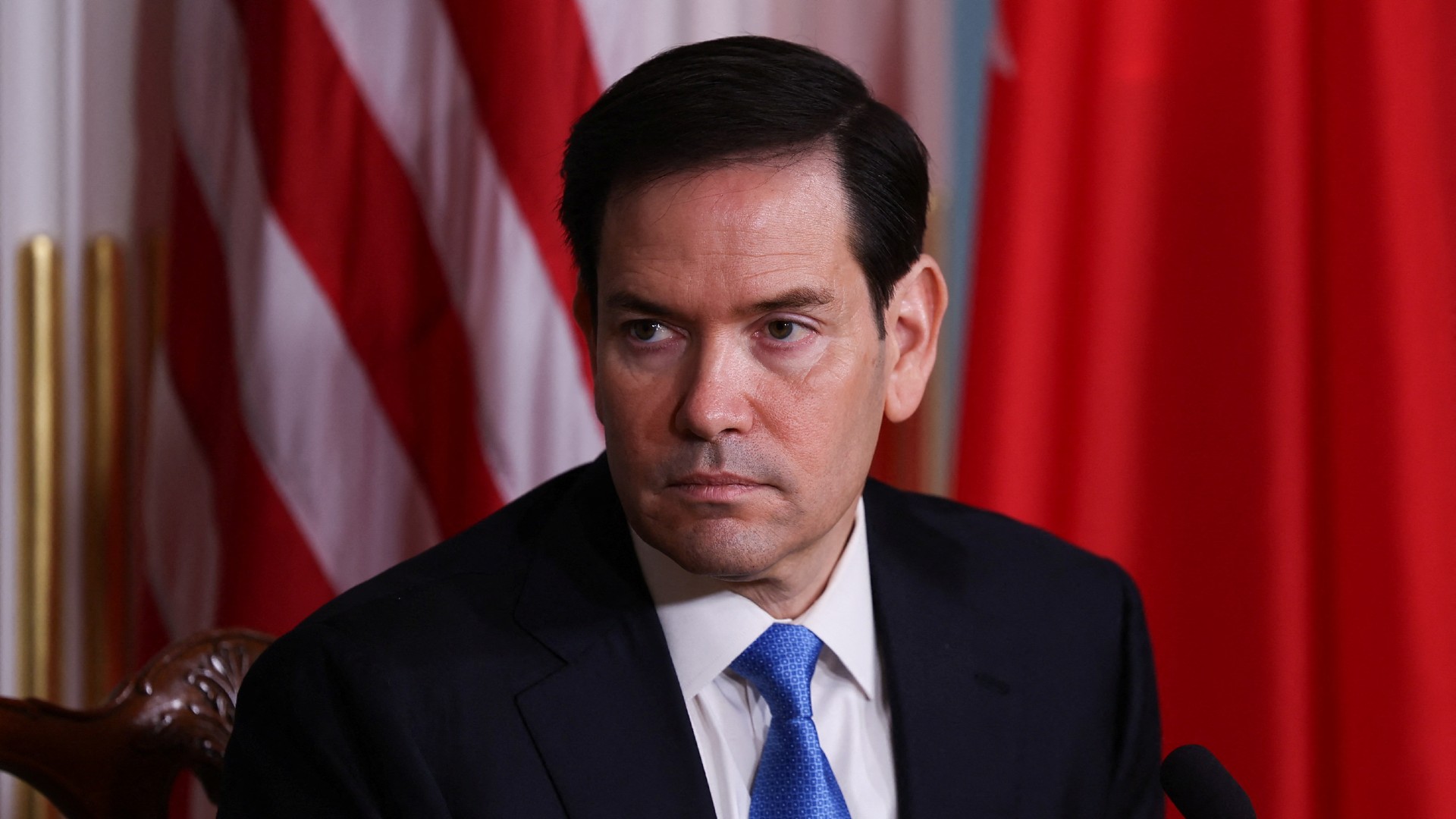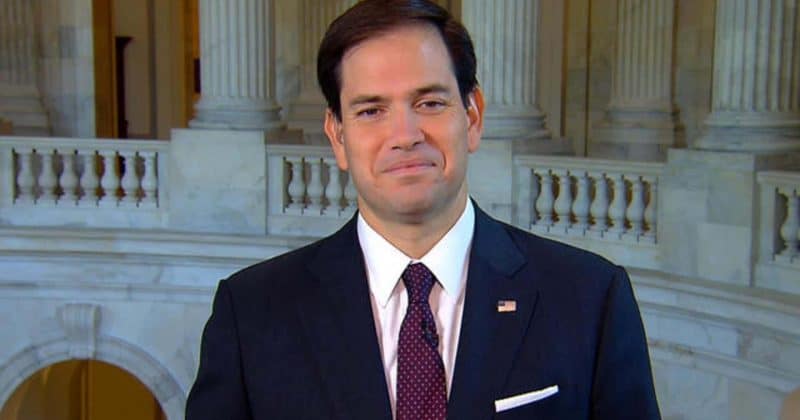
US Secretary of State Marco Rubio touched down in Bahrain this week as part of a three-day Gulf swing designed to shore up regional support for a freshly struck memorandum of understanding with Iran. The MOU, reached around June 17, represents the most significant diplomatic breakthrough in a conflict that has rattled energy markets and shipping lanes since it erupted on February 28.
The deal includes a $300 billion financing framework for reconstruction inside Iran, and Gulf Cooperation Council members are understandably asking what that means for the regional balance of power.
What the deal actually covers
The MOU centers on two big pillars. First, the $300 billion reconstruction plan for Iran. Second, guarantees for toll-free passage through the Strait of Hormuz, the narrow waterway through which roughly a fifth of the world’s daily oil consumption flows.
Rubio’s June 23-25 itinerary is built around meetings with GCC members, where he is expected to offer assurances about continued US security commitments in the region. Bahrain, which hosts the US Navy’s Fifth Fleet, is a logical starting point.