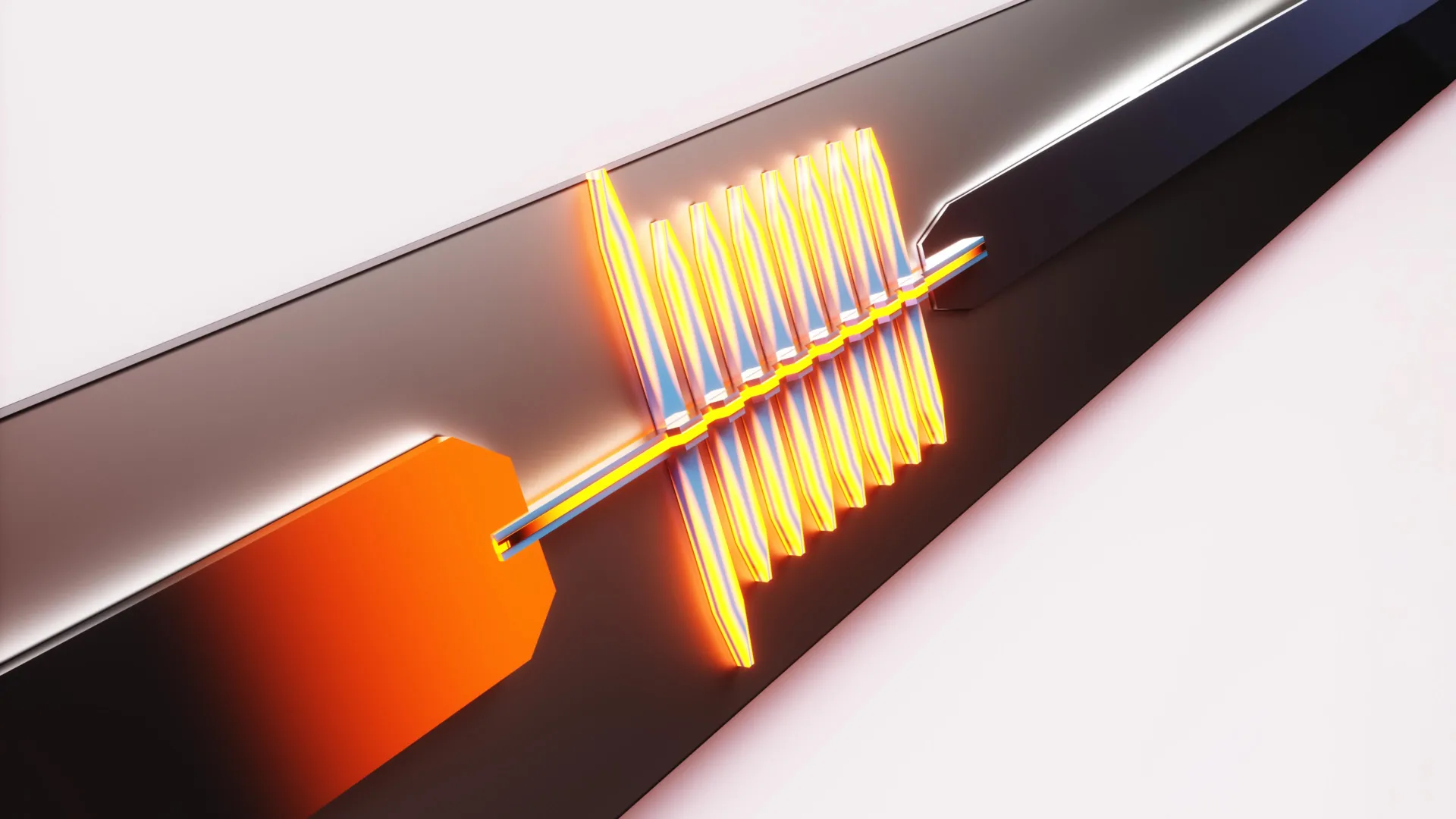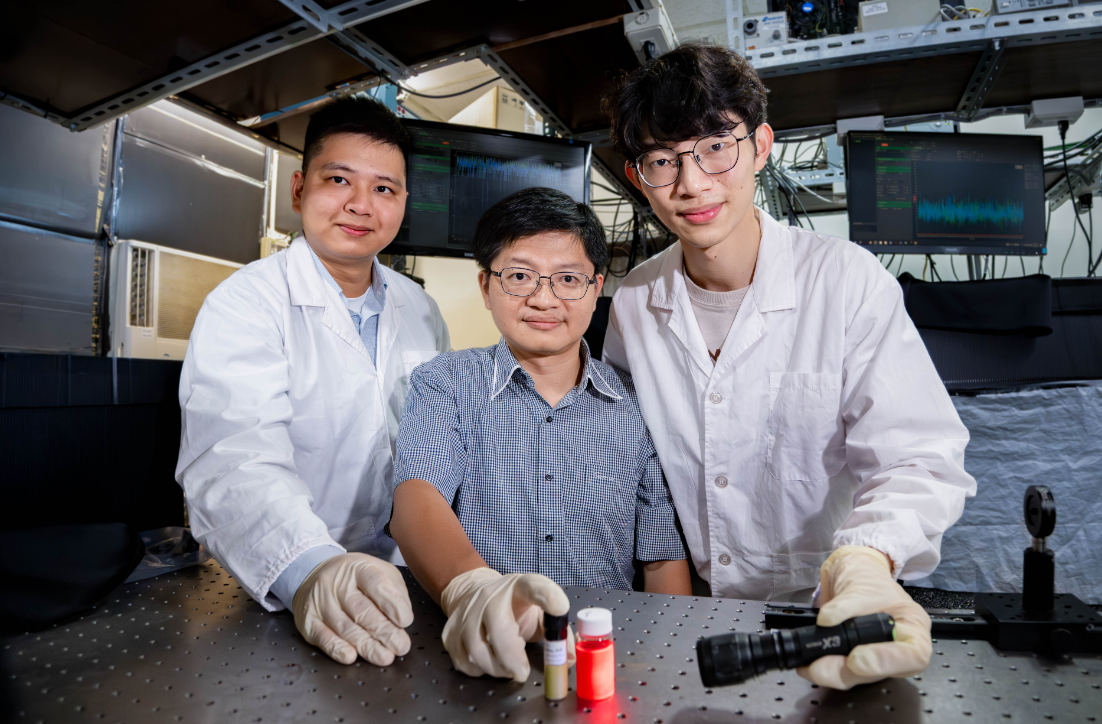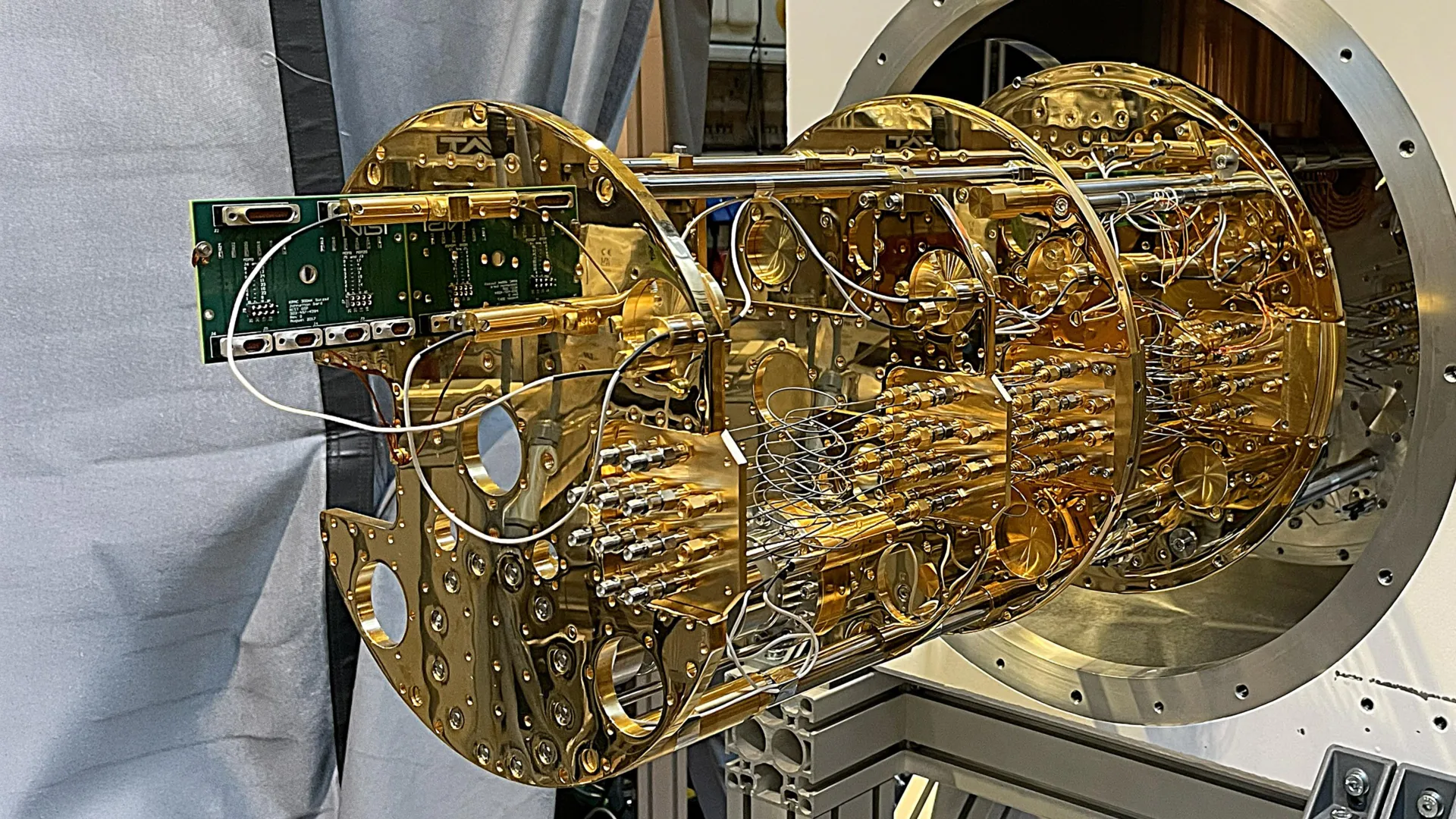
A major new tool for X-ray research has entered service at BESSY II. Developed through a collaboration between HZB, MPI-CEC (Mühlheim-an-der-Ruhr, Germany), and NIST (Boulder CO, USA), the instrument is the first and only TES spectrometer operating at a synchrotron facility in Europe.
The new system delivers a dramatic improvement in photon detection efficiency, outperforming conventional wavelength-dispersive X-ray emission spectrometers by a factor of 100 to 1000. Researchers plan to use it to study the electronic properties of atomically thin materials, nanostructures, and highly diluted atomic and molecular samples. The team is now inviting research proposals from the scientific community.
Bringing Greater Sensitivity to X-Ray Spectroscopy
Facilities such as BESSY II generate extremely bright and intense synchrotron X-rays that allow scientists to analyze a wide range of materials. Yet techniques such as X-ray emission spectroscopy (XES) and Resonant Inelastic X-ray Scattering (RIXS) face a significant challenge. Because these methods rely on detecting photons emitted by the sample, they require large numbers of photons to produce useful measurements.
As a result, XES and RIXS experiments have traditionally been limited to concentrated samples and bulk materials.