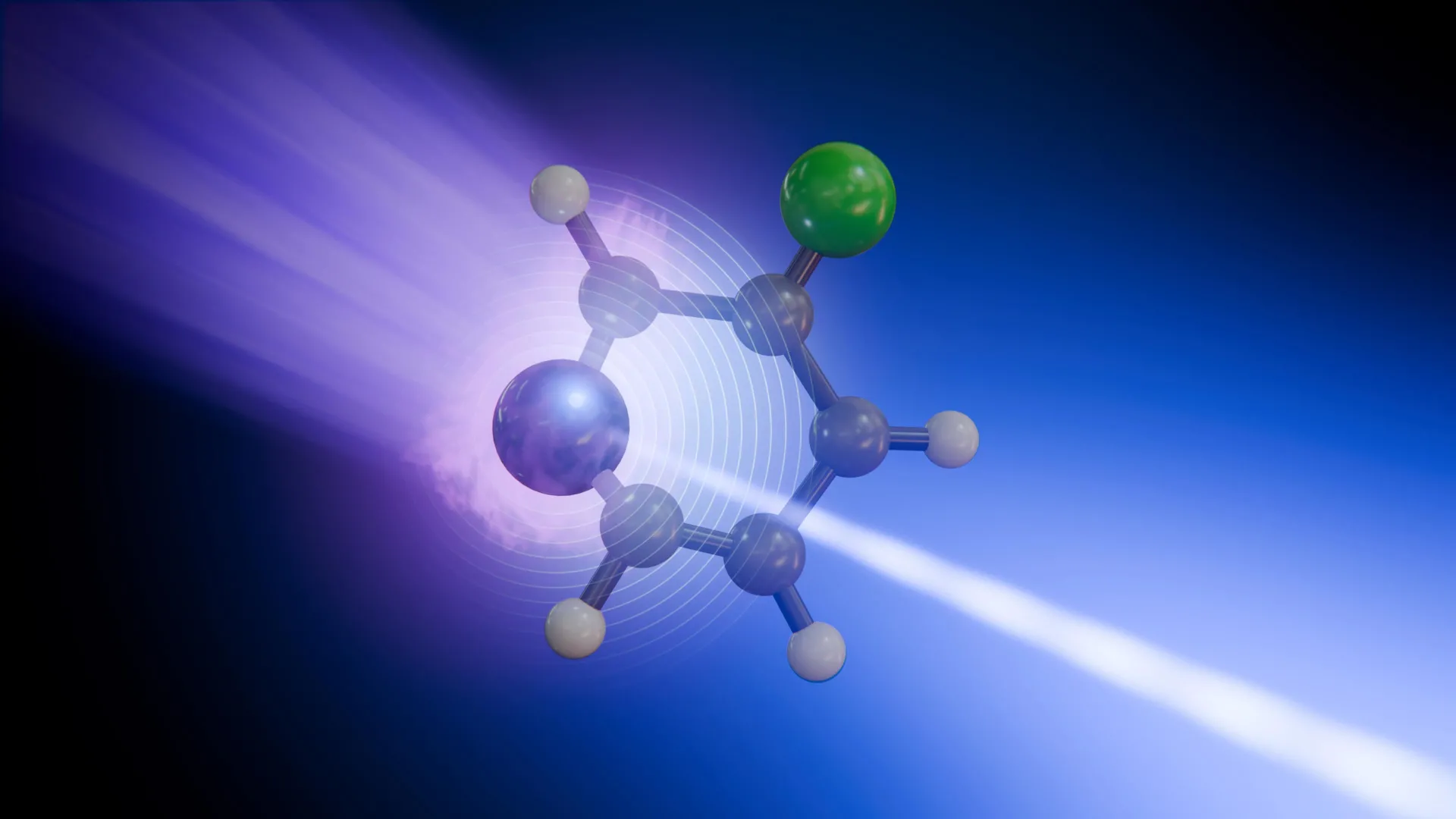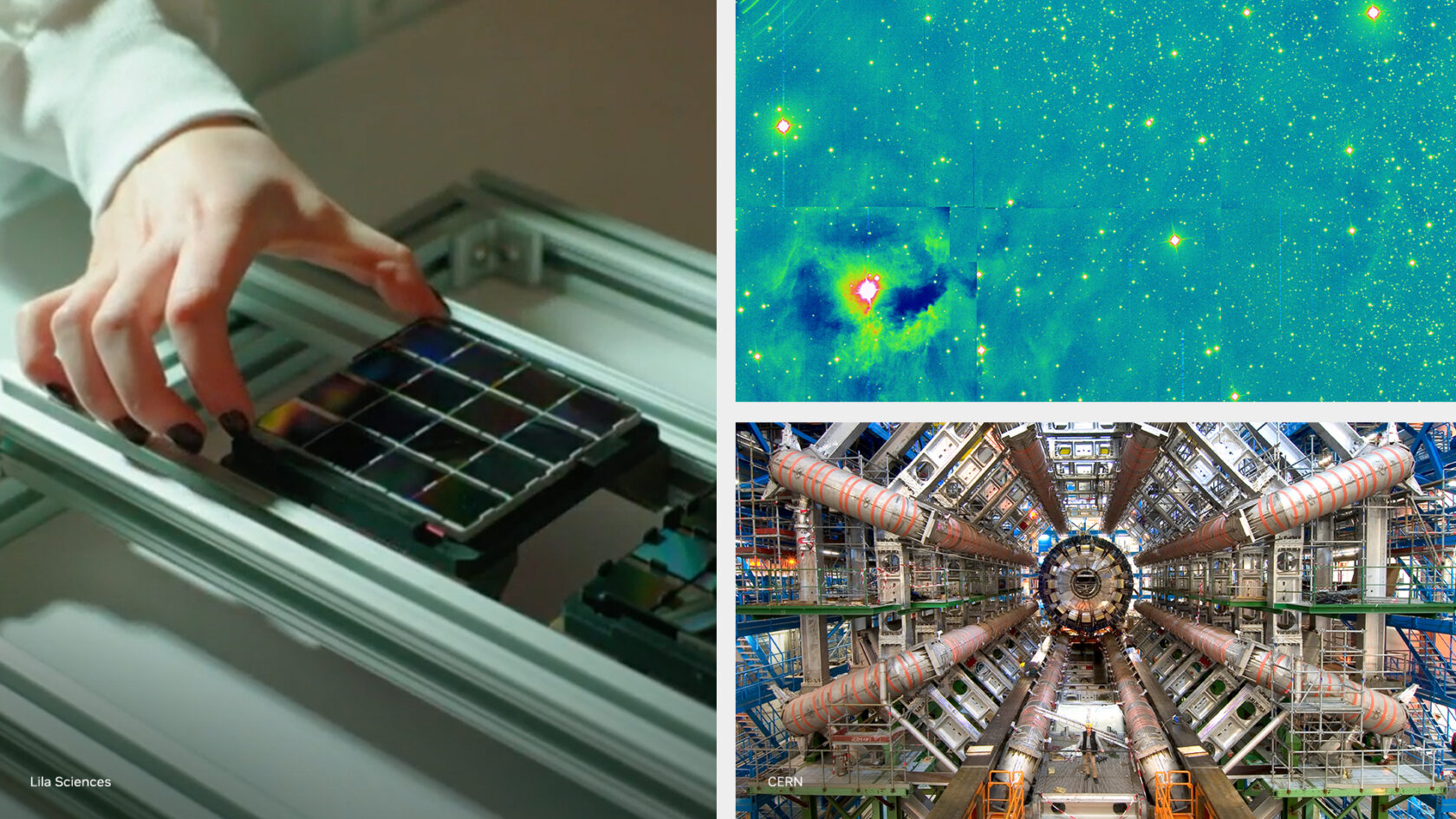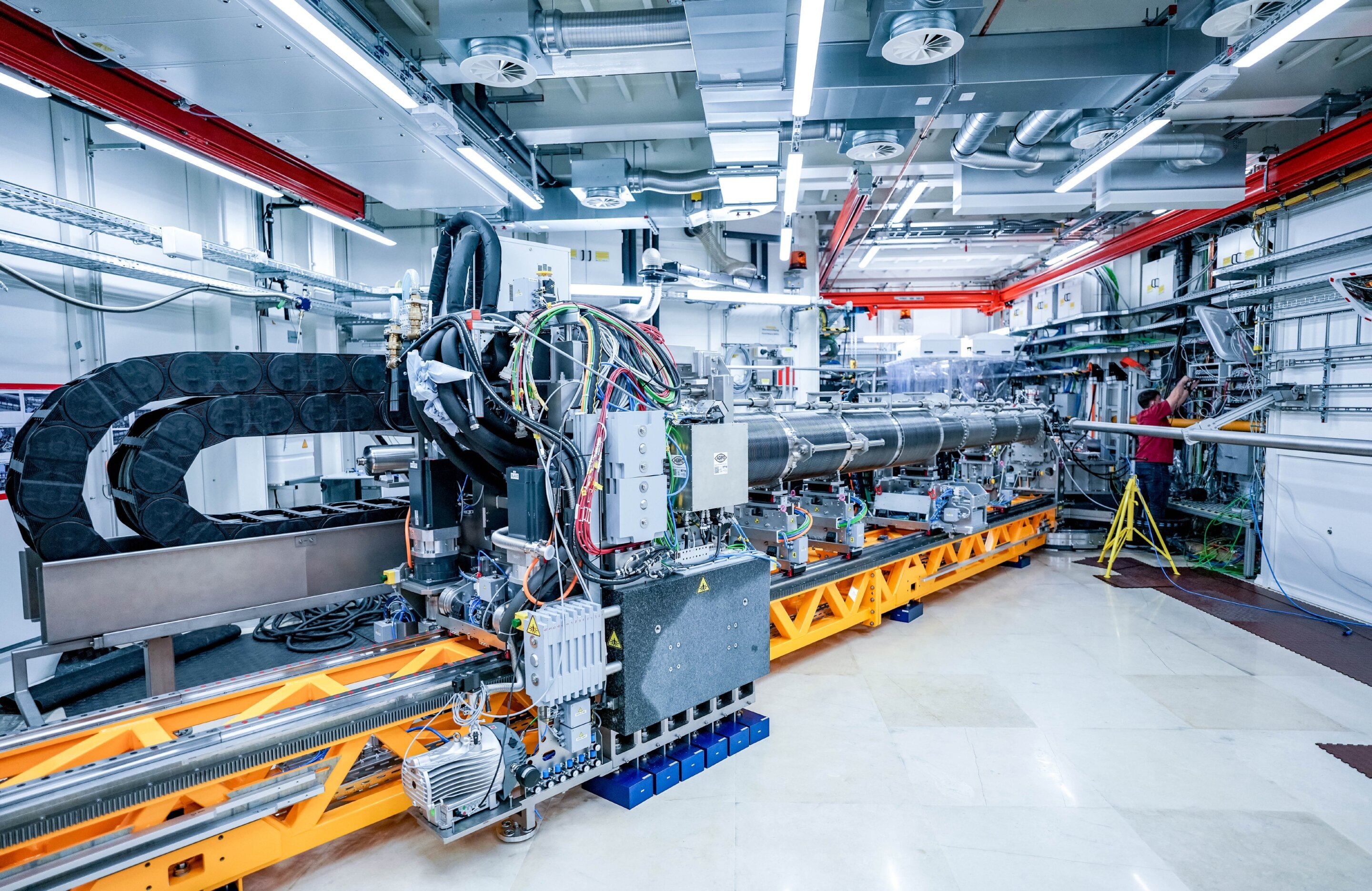
A massive-scale X-ray free-electron laser (XFEL) enables tracking structural and electron dynamics in novel systems, including fusion materials, semiconductors, batteries, and catalysis. It produces ultrashort X-ray pulses that can record the movements of atoms and electrons. These instruments can detect the smallest change in material structure caused by defects and other influences. The high repetition rate of these bright X-ray bursts can reach up to 1 million shots per second with 35-million-pixel cameras.
The acquired multidimensional datasets contain rich physical information about the fastest microscopic movements of electrons and atoms, which can help identify defects in materials. Processing and analyzing these datasets to extract the physics has conventionally required more than nine months of computational time.
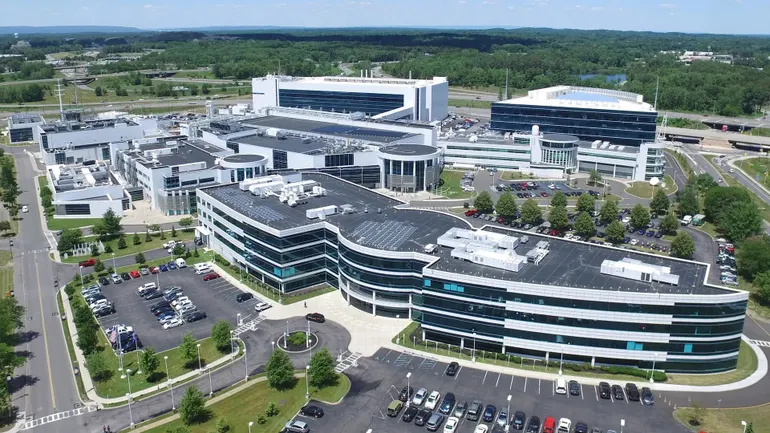
XFEL research facilities include SwissFEL in Switzerland, Spring-8 Angstrom Compact free-electron Laser (SACLA) in Japan, Linac Coherent Light Source (LCLS-II) at SLAC, European XFEL in Germany, and Pohang Accelerator Laboratory (PAL) in Korea.
This post highlights new technical breakthroughs of the Accelerated X-ray Analysis for Nanoscale Imaging (XANI) workflow. The NVIDIA team demonstrated on characterization of quantum materials to reconstruct the phonon dispersion from ultrafast femtosecond laser pump/hard X-ray probe experiments.