When your stock price increases twenty-fold, the old pay structure stops making sense. That’s the situation Kioxia Holdings found itself in, prompting the Japanese NAND flash memory giant to overhaul its executive compensation from a fixed, capped system to one that’s variable, uncapped, and directly tied to the company’s skyrocketing share price.
The revision replaces previously capped Restricted Stock Units (RSUs) and Performance Share Units (PSUs) with a new framework where payouts float with the stock price at the time of grant.
The numbers behind the pay overhaul
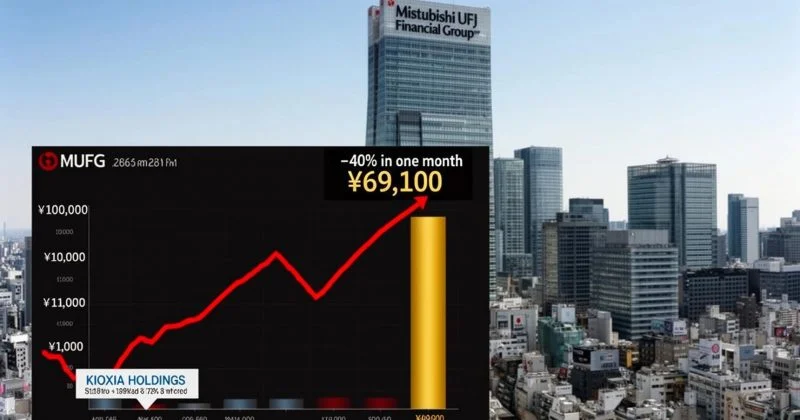
Kioxia’s stock has climbed roughly 660% year-to-date as of early June 2026. The company’s market capitalization briefly punched through the ¥30 trillion mark, approximately $188 billion, vaulting Kioxia into the upper echelon of Japan’s most valuable public companies. For context, this is a firm that only completed its Tokyo Stock Exchange Prime listing back in December 2024 after years operating as a private entity.
For the fiscal year ending March 2026, Kioxia posted a net profit of ¥554.49 billion, a 103.6% increase year-over-year. Operating profit hit ¥870.37 billion, up 92.7% from the prior year. The company is forecasting an operating profit of ¥1.3 trillion for Q1 of fiscal year 2027 alone.