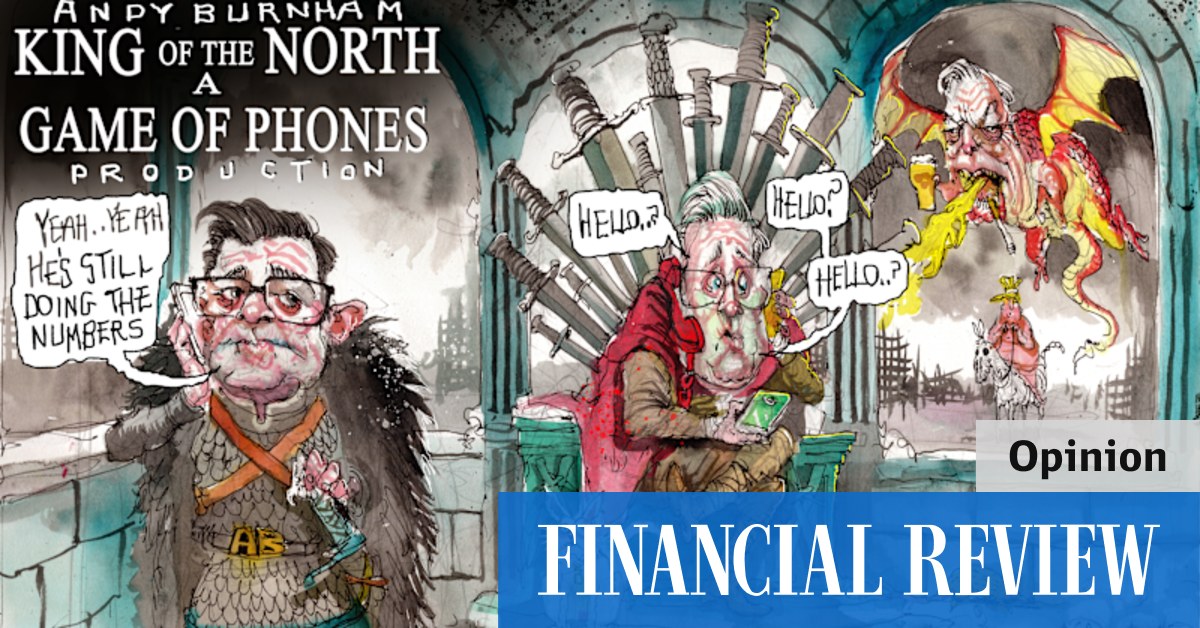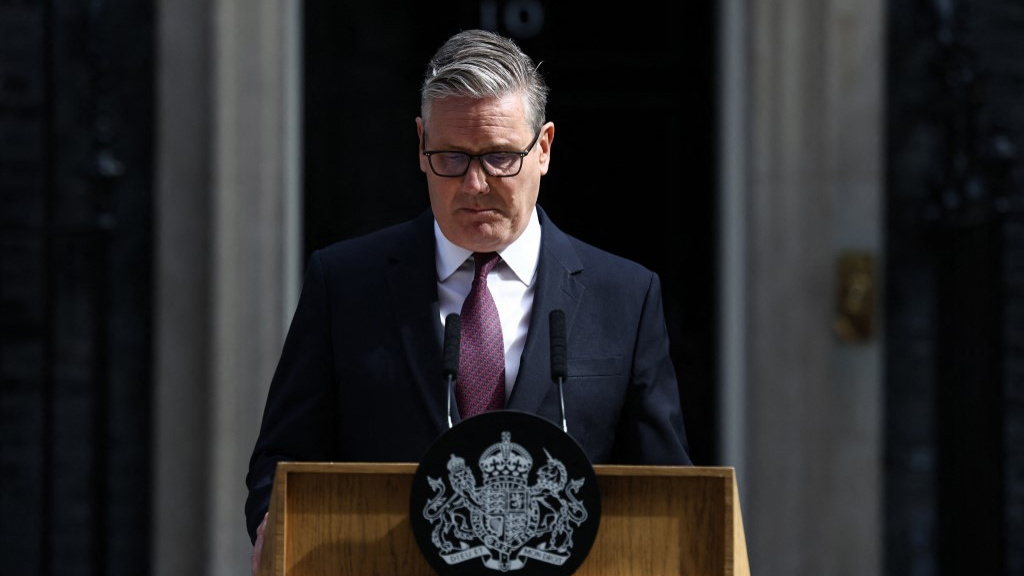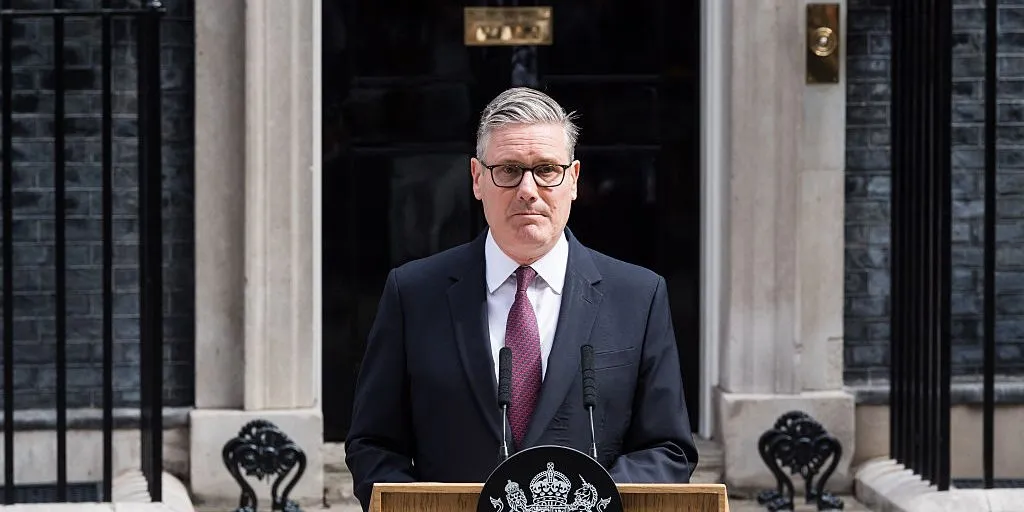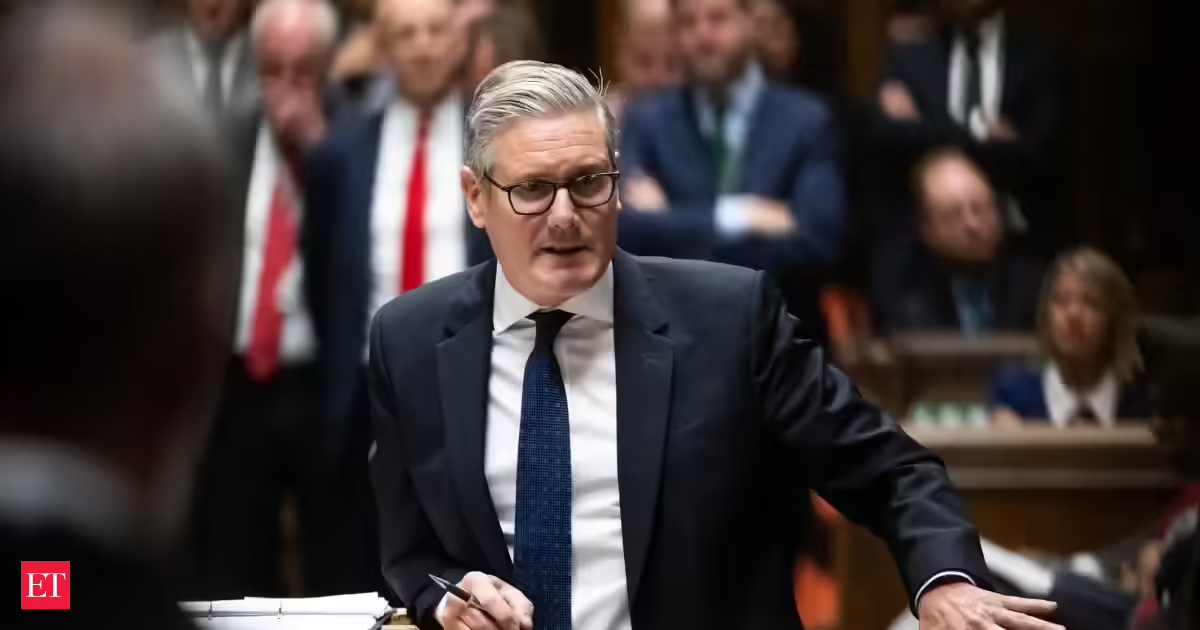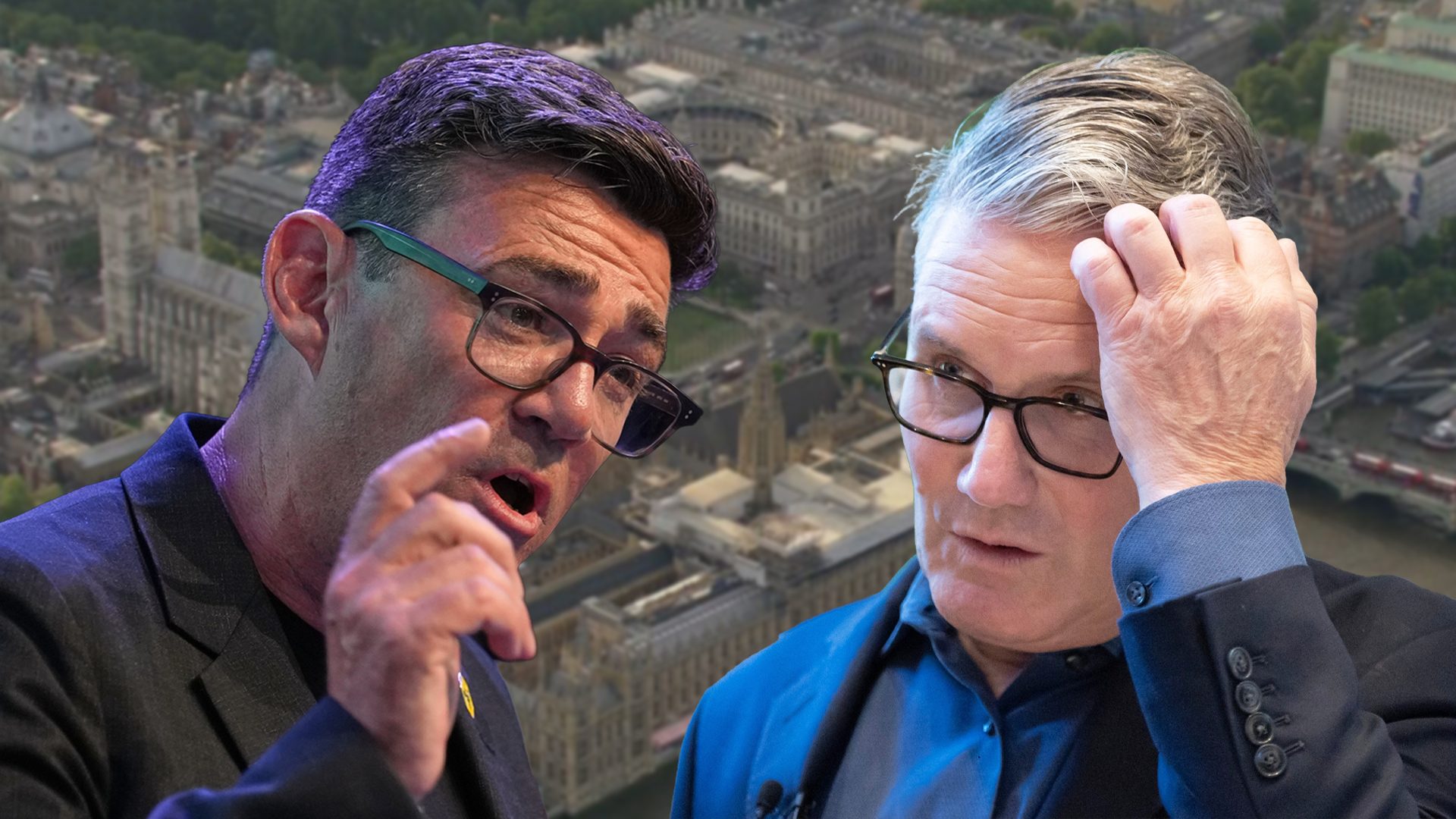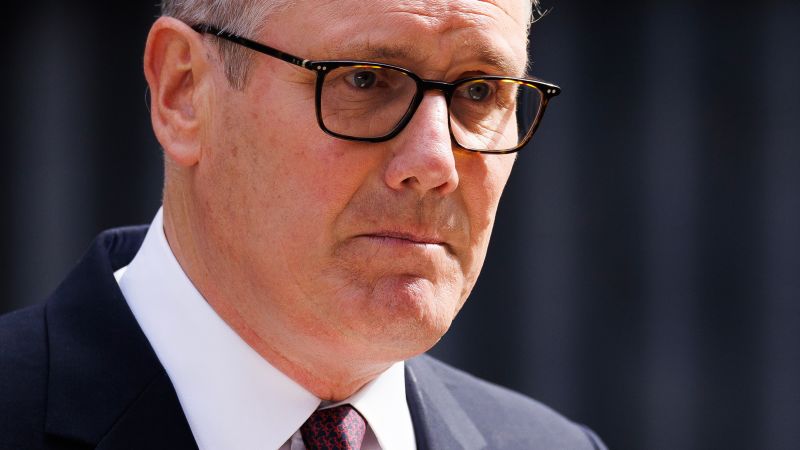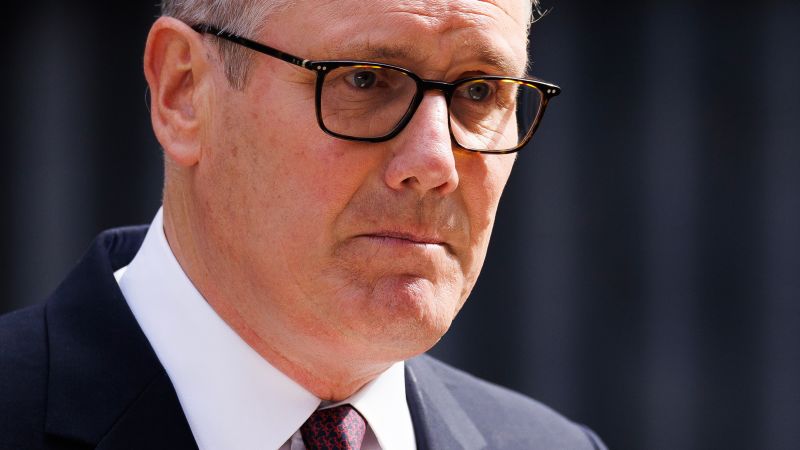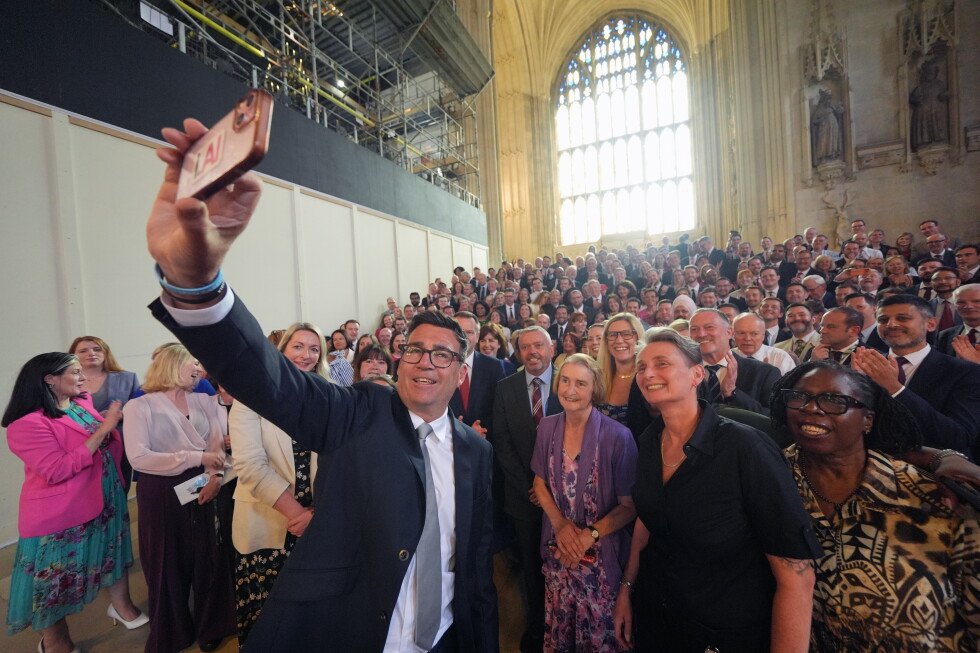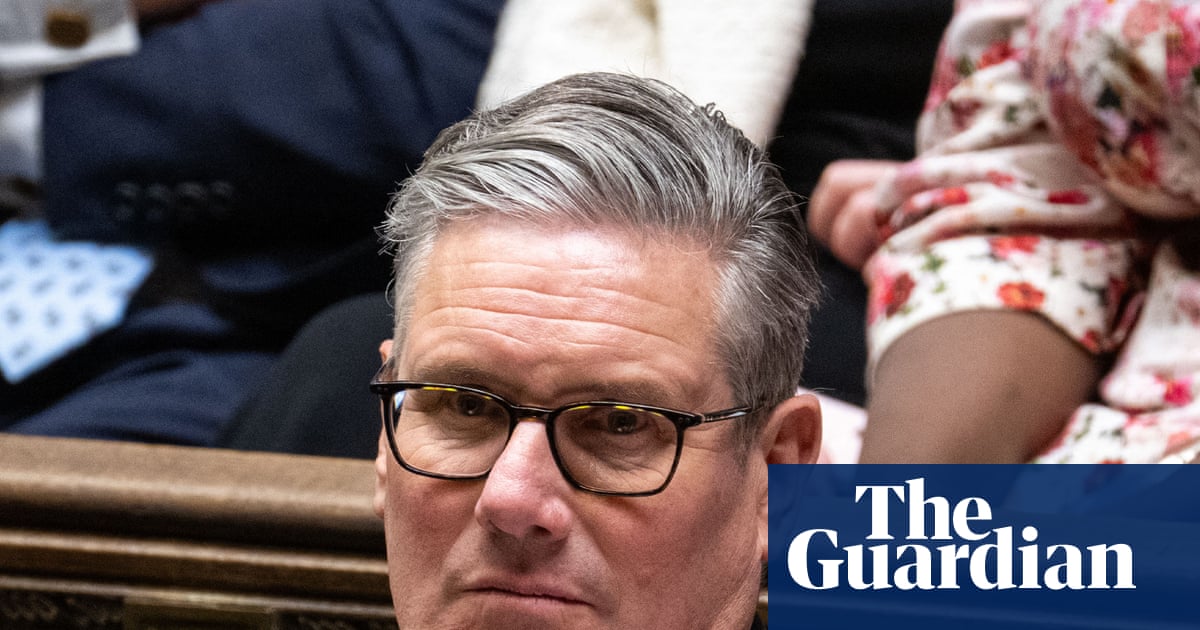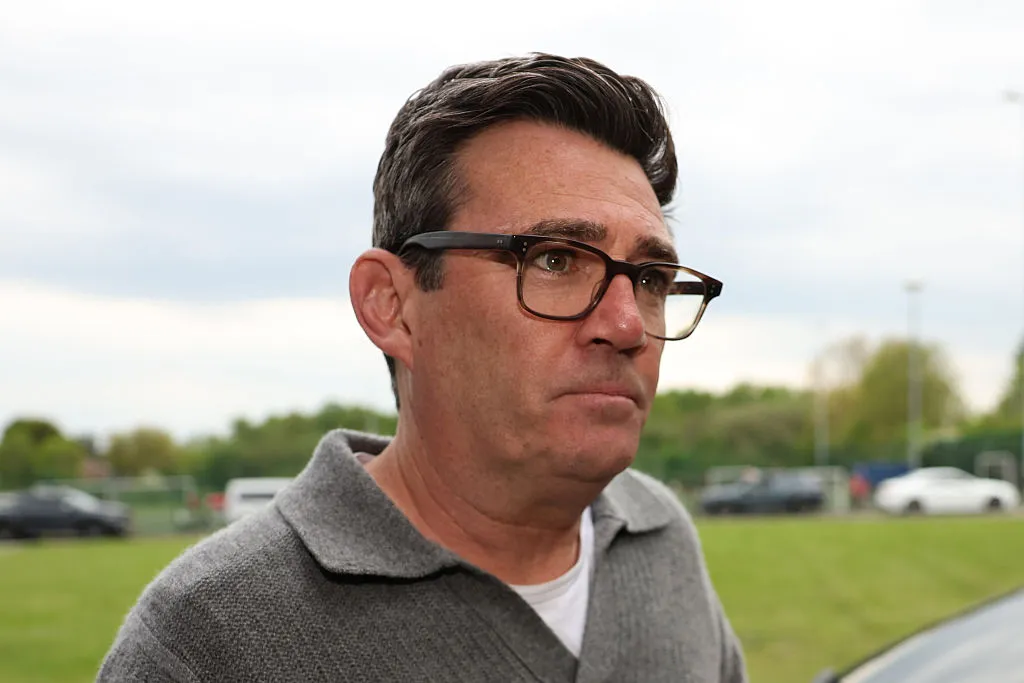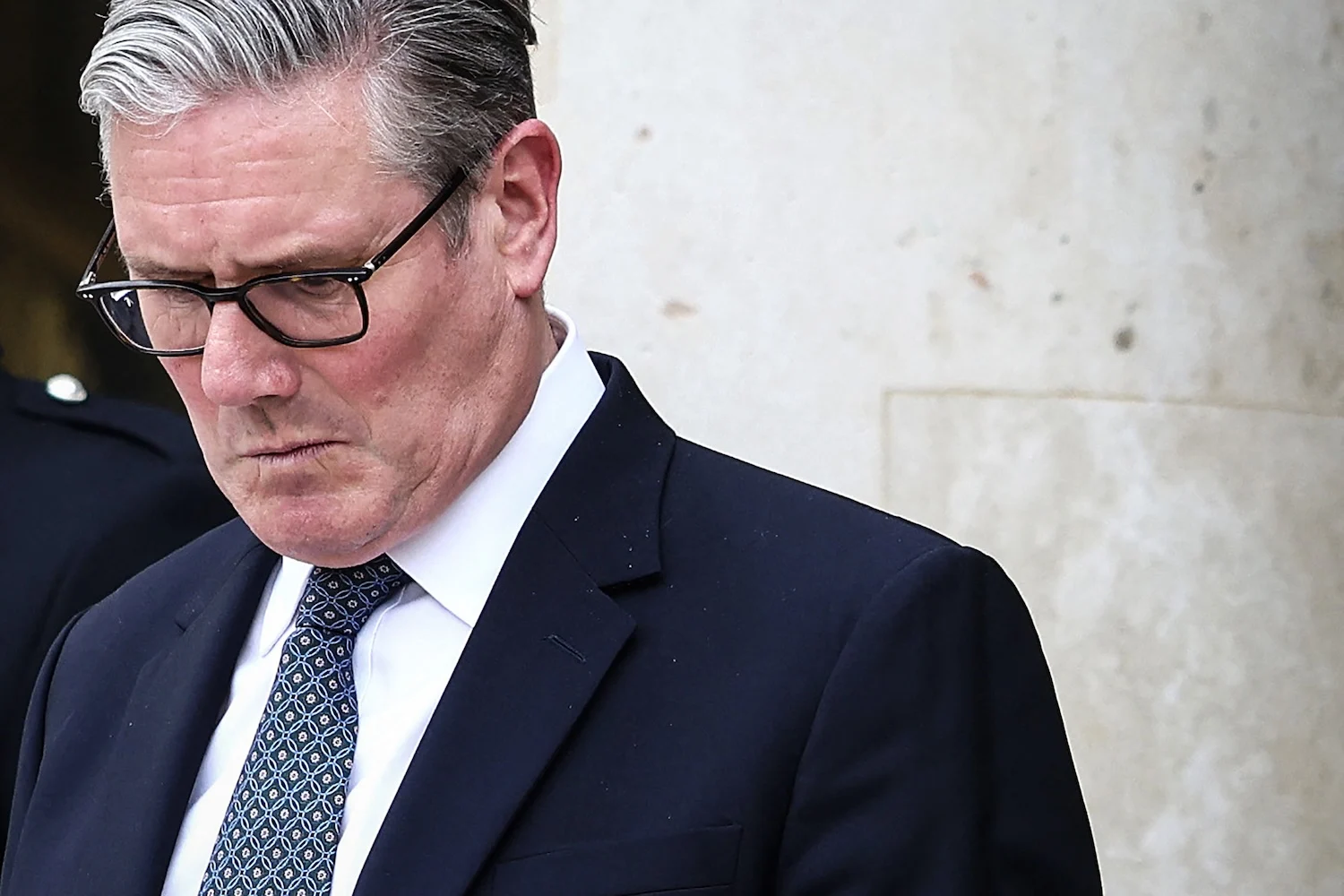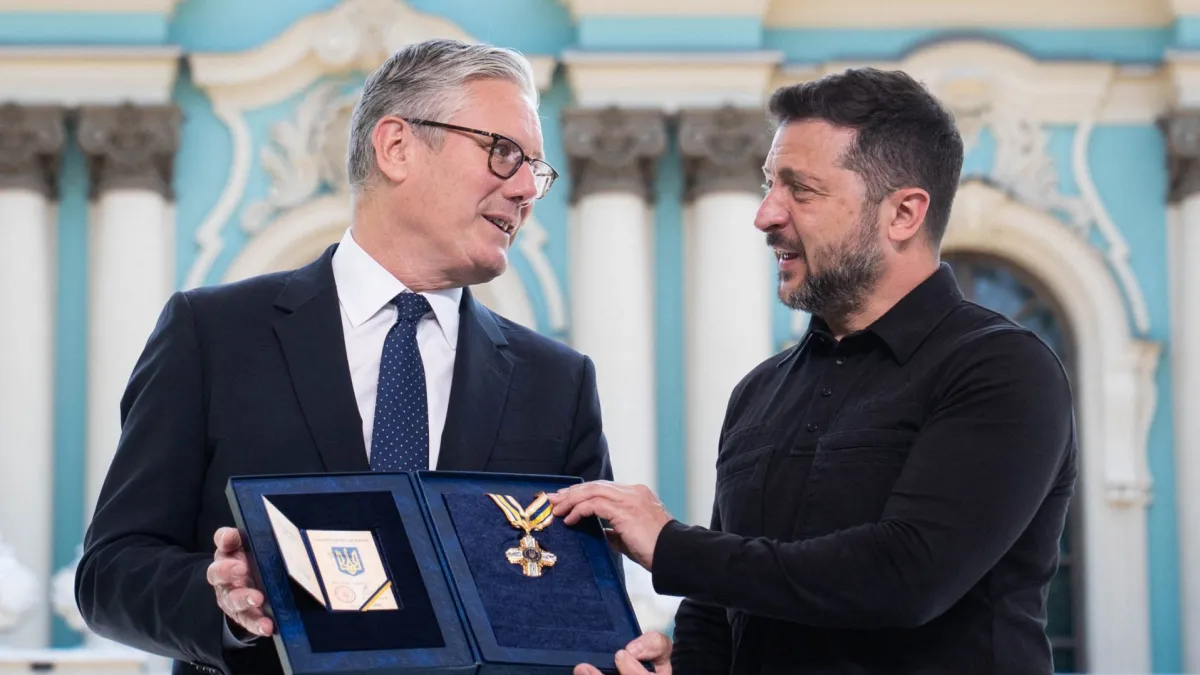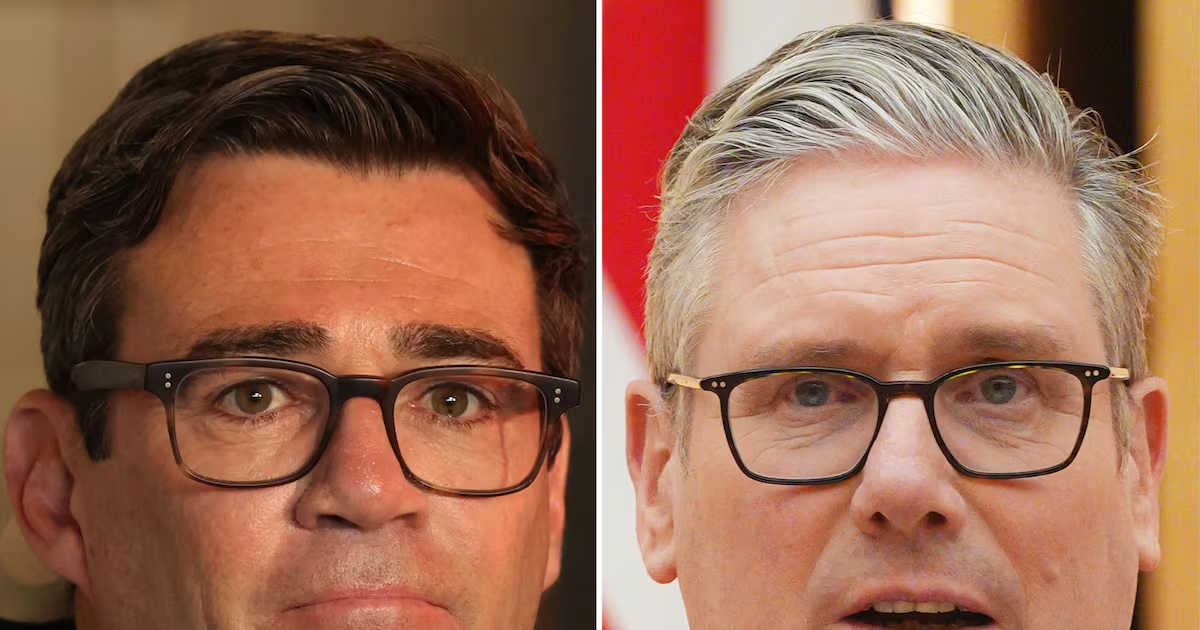
Keir Starmer lost power because he could not exert control and the loss of control spun out in circumstances where he had to make choices. And yes, he made several bad ones, but before we suffocate in smugness on this side of the Irish Sea, we should remember that the relative stability of our politics is based on the premise that no real choices are ever made. Our politics are constrained by the rotation of office between the parties in government. Real responsibility doesn’t have the time or space to compound into consequences. Unlike in the United Kingdom where hard choices were attempted – between welfare spending and defence, for example – the Irish model is “one for everyone in the audience”, greased by the fastest growing increase in public expenditure in the EU and funded from the receipts of corporation tax. This hard reality awaits his likely successor, Andy Burnham. To put the conundrum in context, in May the UK borrowed £23.3 billion, up almost a third on the same month last year. May’s borrowing figure – the difference between spending and income from taxes – was £5.6 billion higher than forecast by the Office for Budget Responsibility (OBR), the independent fiscal watchdog. To increase spending proportionally much less than Ireland, he had to borrow increasingly more. There is another asymmetry between Starmer’s vanished power and political weakness in Ireland. His triumphant general election win in July 2024 with a majority of 174 MPs, on 33.7 per cent of the vote, was the most disproportionate election in British history. It was the first in which four parties gained more than 10 per cent of votes and five parties over 5 per cent of votes. Operating in a political context it was never intended for, the first past the post system produced a parliament with an overwhelming government majority of whom too many were likely to be one-time MPs. Too little of public opinion was represented in that parliament. Under Starmer, inherent instability arrived as hubris and ended in panic. In the UK system constituency work will not save your seat. Labour MPs hope Burnham will save their seats. He ran a big city – Manchester – and was a cabinet minister. He has credentials but no real record on the big issues that must be faced. What he does have is a smiling optimism that has won over people in different circumstances. There is something of Tony Blair about him. You have little sense of what he stands for, but you hope he has the acumen and ruthlessness to make things happen.In contrast with Starmer, Government leaders here have mastered the art of transforming their party’s weakness into personal strength. The political centre has shrivelled in every election since 2016. Fianna Fáil and Fine Gael combined got 49.8 per cent of the vote then and in 2024 their total tally was 42.7 per cent. Good enough to be the basis for a stable government, but one in which the internal party dynamics were fundamentally changed. Taoiseach Micheál Martin (especially) and Tánaiste Simon Harris should be under pressure internally, but a sense of stagnation within their parties supports their leadership. Neither is entirely loved by their own – and arguably Harris is not even widely admired – but weakness is the ecosystem in which they thrive. [ What could Andy Burnham’s first 100 days in power look like?Opens in new window ]As Starmer went through his last ignominious weekend before he announced his resignation, Martin was the object of serial assaults from Fianna Fáil TDs. If Starmer didn’t know his own backbenchers, Martin knows his too well. He didn’t consult them before announcing his position on removal of the three-day waiting period for abortions or the party’s move to go ahead with the removal of the triple lock required for the deployment of Irish troops abroad. The ending of the triple lock met a direct challenge from some TDs. On Monday, as Starmer announced his resignation, the Irish Examiner published a report suggesting a solid majority of Fianna Fáil TDs say Martin should quit after Ireland’s EU presidency. I don’t doubt it. But the bittiness of Irish party politics means that alternatives are few or non-existent. Time – which is the most important tool in politics – is segmented by rotation in Ireland and this year also by an EU presidency. Then there is the continuing circus of rolling elections locally and to the devolved assemblies in Scotland, Wales and Northern Ireland. The horizon of Irish politics only ever stretches to the next political restart. The UK is a paradox of being a highly centralised system with a weak centre. The prime minister’s power is to command a majority, pass laws, move money and take action on his priorities. Starmer failed in that because he could not generate momentum, he made mistakes and lost control. Will Burnham do any better? His biggest challenge will be to create a sense of shared vision for his party.[ Wins, losses and U-turns: Keir Starmer’s successes and failures in No 10Opens in new window ]In the modern era, Margaret Thatcher and Blair brilliantly commanded the power of the public pulpit. Arguably David Cameron did too, for a time. Starmer failed because it was beneath him or beyond him. He over-promised in opposition, didn’t prepare for government and could not articulate an agenda premised on decisions that came with consequences.Happily, we don’t have those peculiarly British problems. We live in a state of exceptionalism. Choices are for others, while we dine on the buffet menu. Neither our Government nor Opposition articulate an agenda, though there are no end of specific plans. Unlike Starmer, making hard decisions and facing the consequences is unlikely because we have decided that success is our status quo. Burnham won’t have any such luxury.
Gerard Howlin: Keir Starmer made bad choices. Micheál Martin avoids choices altogether
Andy Burnham, his likely successor as UK prime minister, won’t have any such luxury
973 words~4 min read